
















Common Hearing Aid Mistakes First Time Buyers Make

Buying your first hearing aid can feel overwhelming. There are different styles, brands, technology levels and prices, and everyone you speak to seems to have a different opinion. It is easy to make a choice that looks sensible on paper but disappoints in daily life.
The good news is that most of these disappointments come from a small set of avoidable mistakes. This guide walks through the common hearing aid mistakes first time buyers make, and shows what to do instead so that your device actually improves your life.
Quick answer: The most common mistakes are delaying treatment, buying without a proper hearing test, choosing on price or looks alone, skipping the trial, expecting instant perfection, and neglecting follow-up care. Get a hearing test, try before you buy, ask for written terms and commit to the adjustment period.
Key takeaways
- The right hearing aid is matched to your audiogram, lifestyle, comfort and budget, not to a price tag or a brochure.
- A trial and a professional fitting protect you from the costliest mistakes.
- Adjusting takes time, and fine-tuning visits are part of the process.
- Always get trial, return, warranty and aftercare terms in writing.
Mistake 1: Waiting too long to get help
Many people put off a hearing aid for years, assuming that turning up the TV or asking others to repeat themselves is “good enough”. Over time, this strains conversations, work and relationships. Research has linked untreated hearing loss with a higher risk of cognitive decline, although hearing aids are not a guaranteed prevention; you can read more in our article on whether hearing aids reduce dementia risk.
Do this instead: If you notice the early signs of hearing loss, book a hearing check sooner rather than later. A free hearing test takes little time and tells you where you stand.
Mistake 2: Buying without a proper hearing test
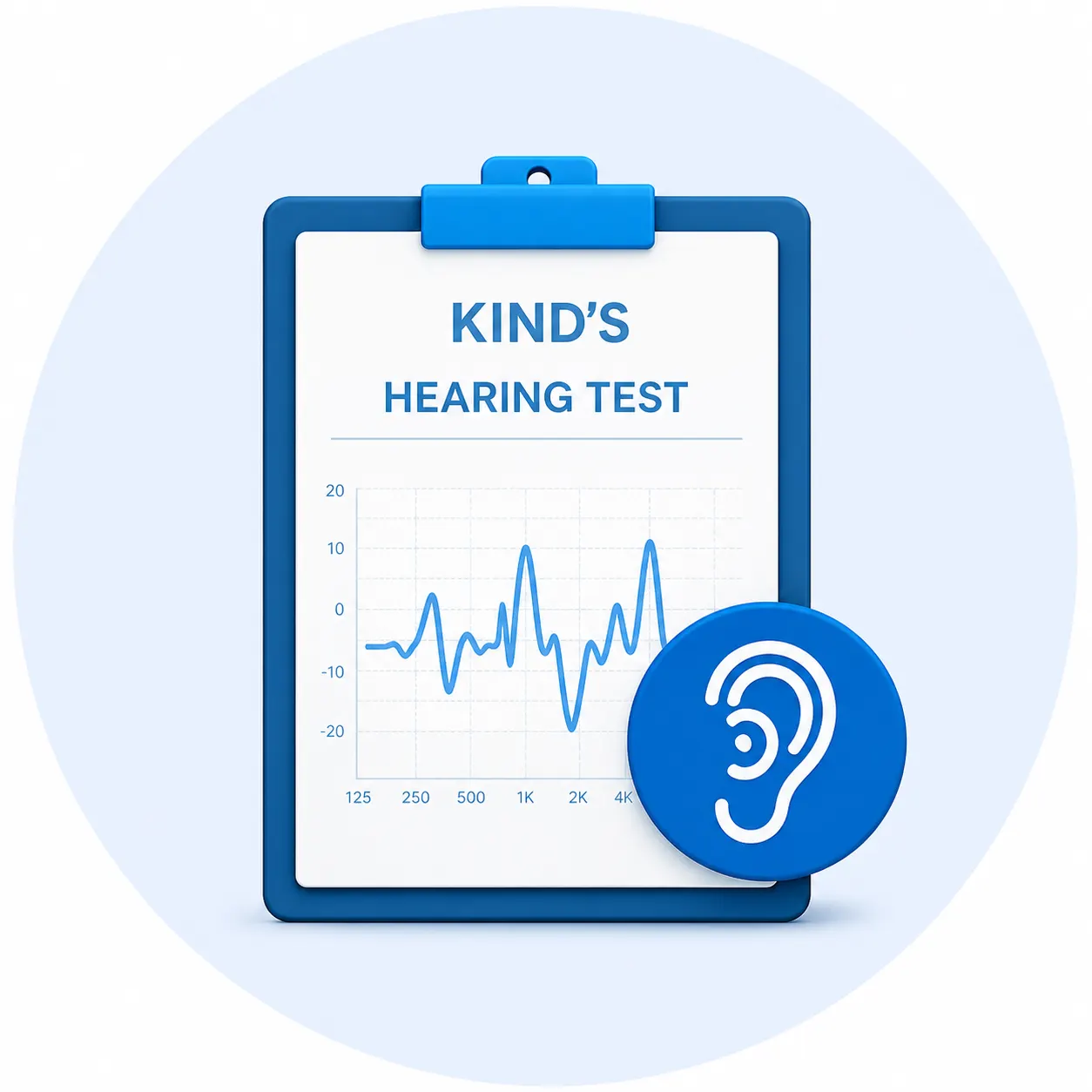
A hearing aid cannot be chosen from your age or a vague feeling that “things sound muffled”. Every ear is different, and the device must be programmed to your exact hearing pattern. Skipping the test means the device may be too weak, too powerful or wrong for the type of hearing loss you have.
Do this instead: Start with a pure tone audiometry test, which produces your audiogram. If your audiologist suspects a middle ear problem, tests such as impedance audiometry help clarify it. Our guide to the common hearing tests explains each one.
Mistake 3: Choosing on price alone
Some buyers go straight for the cheapest device. Others assume the most expensive must be the best. Both approaches can backfire. A basic device may struggle in noisy places if your lifestyle demands more, while a premium device may include features you will never use.
Do this instead: Start with your needs: how you spend your day, where you struggle to hear, and your comfort and budget. Then compare options across the budget tiers, from economy and value to advanced and premium. Our hearing aid price in Chennai page gives a clear overview, and you can ask about EMI options if you prefer to pay in instalments.
Mistake 4: Choosing a style only for looks
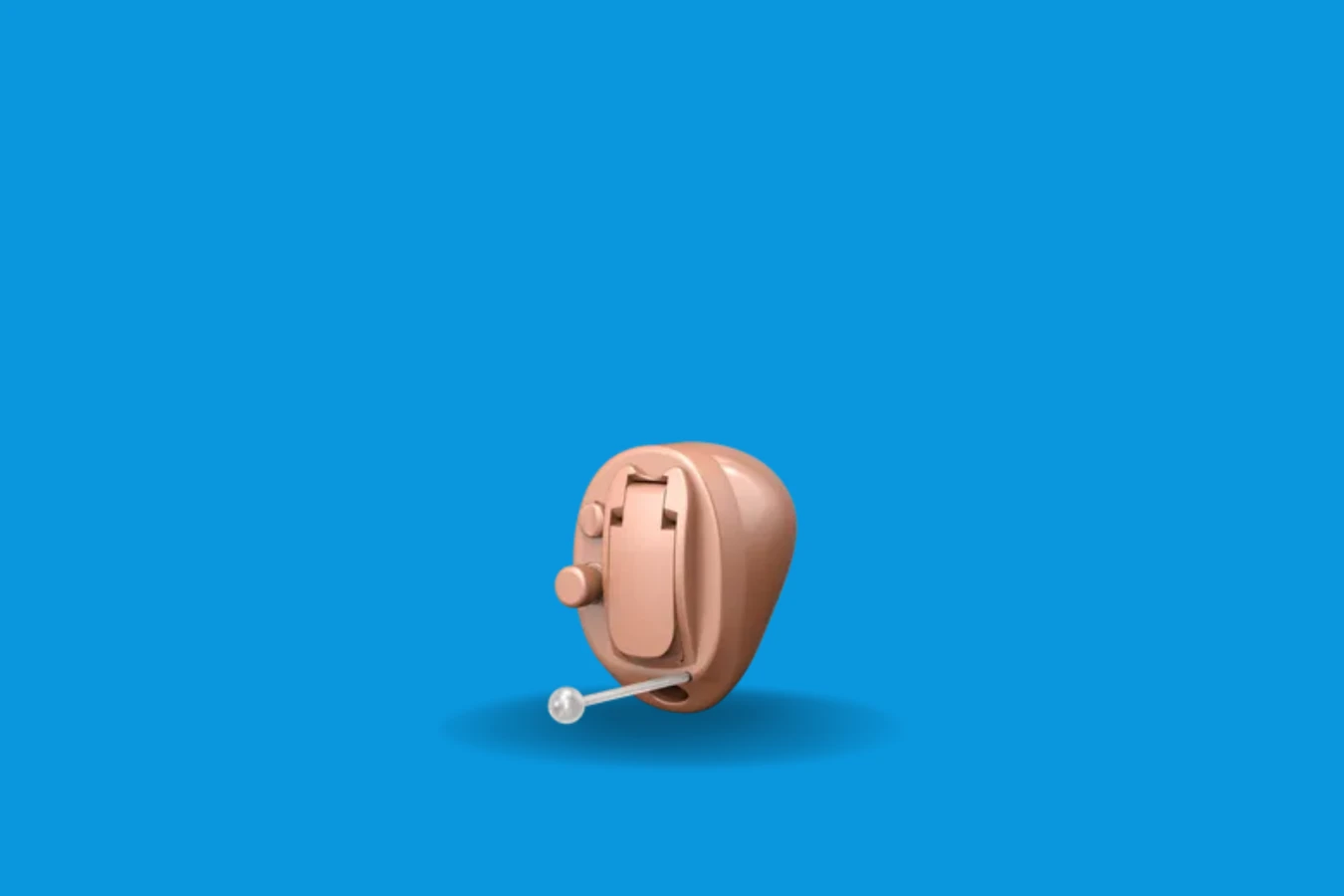
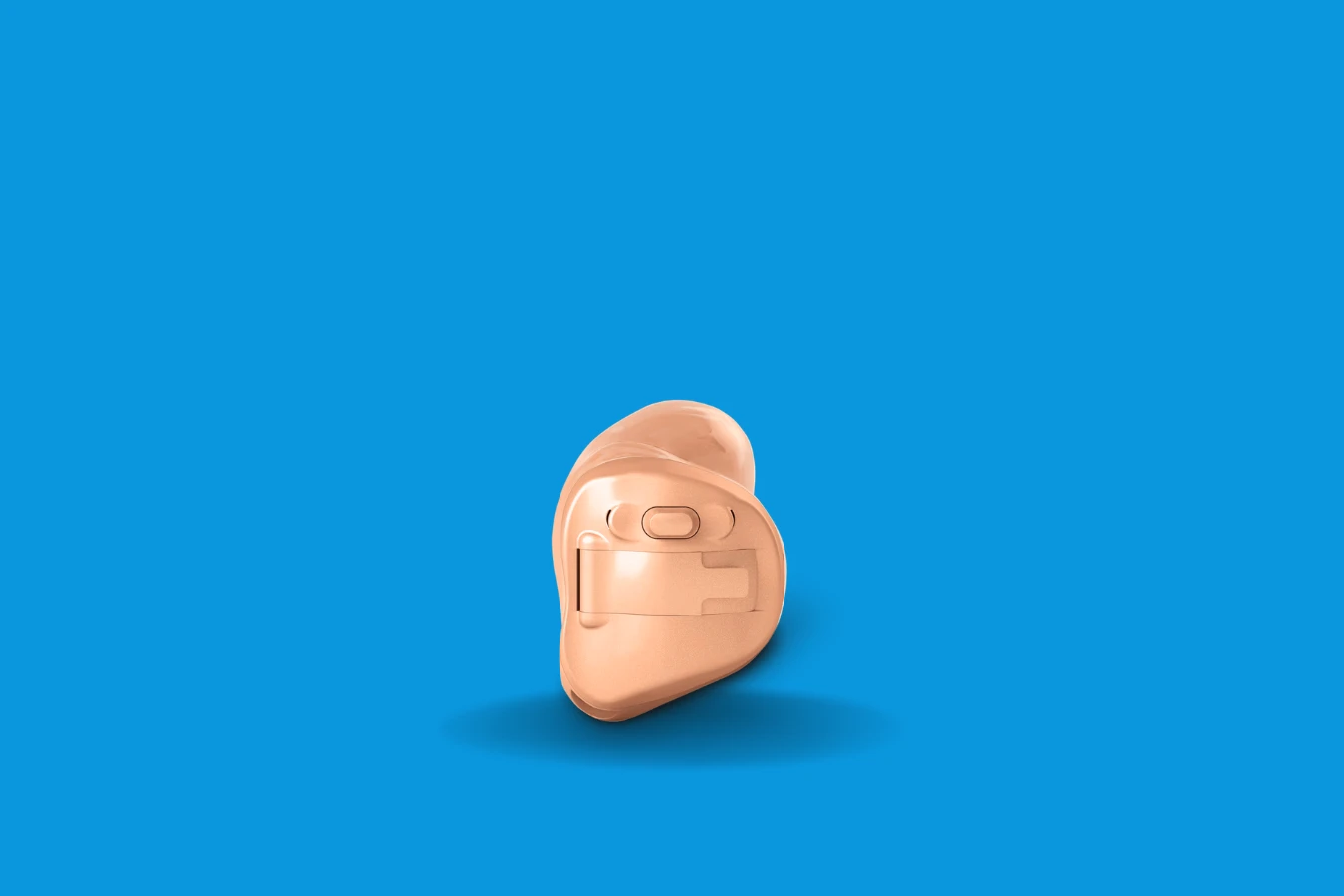
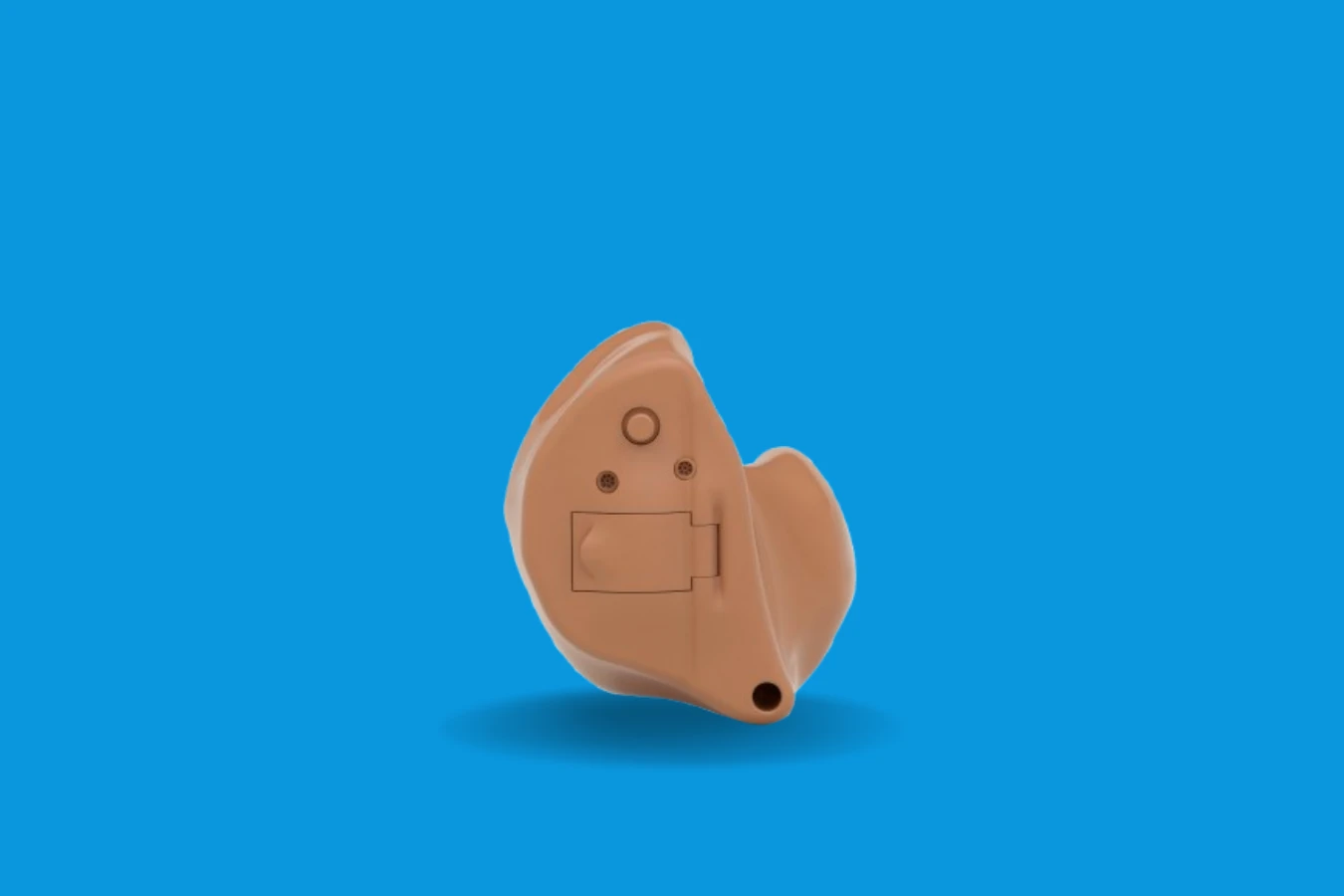
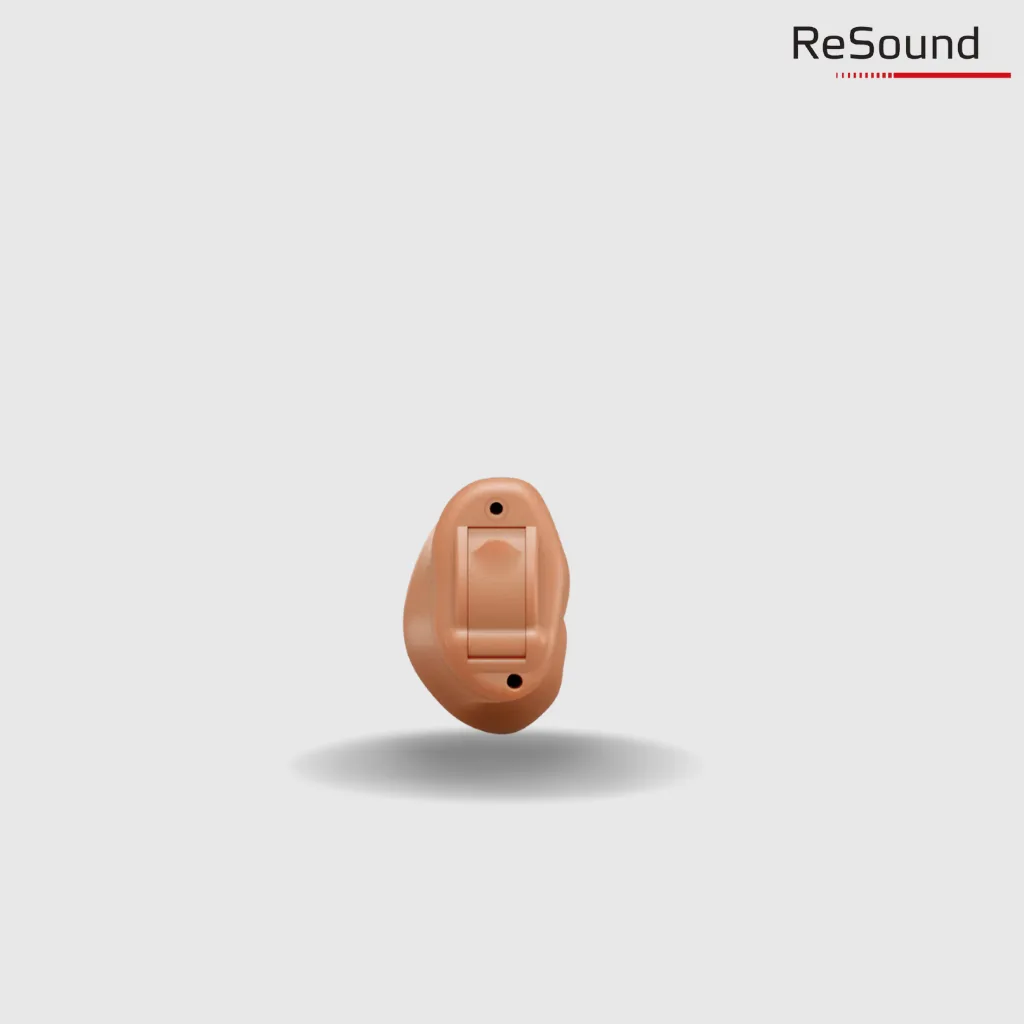
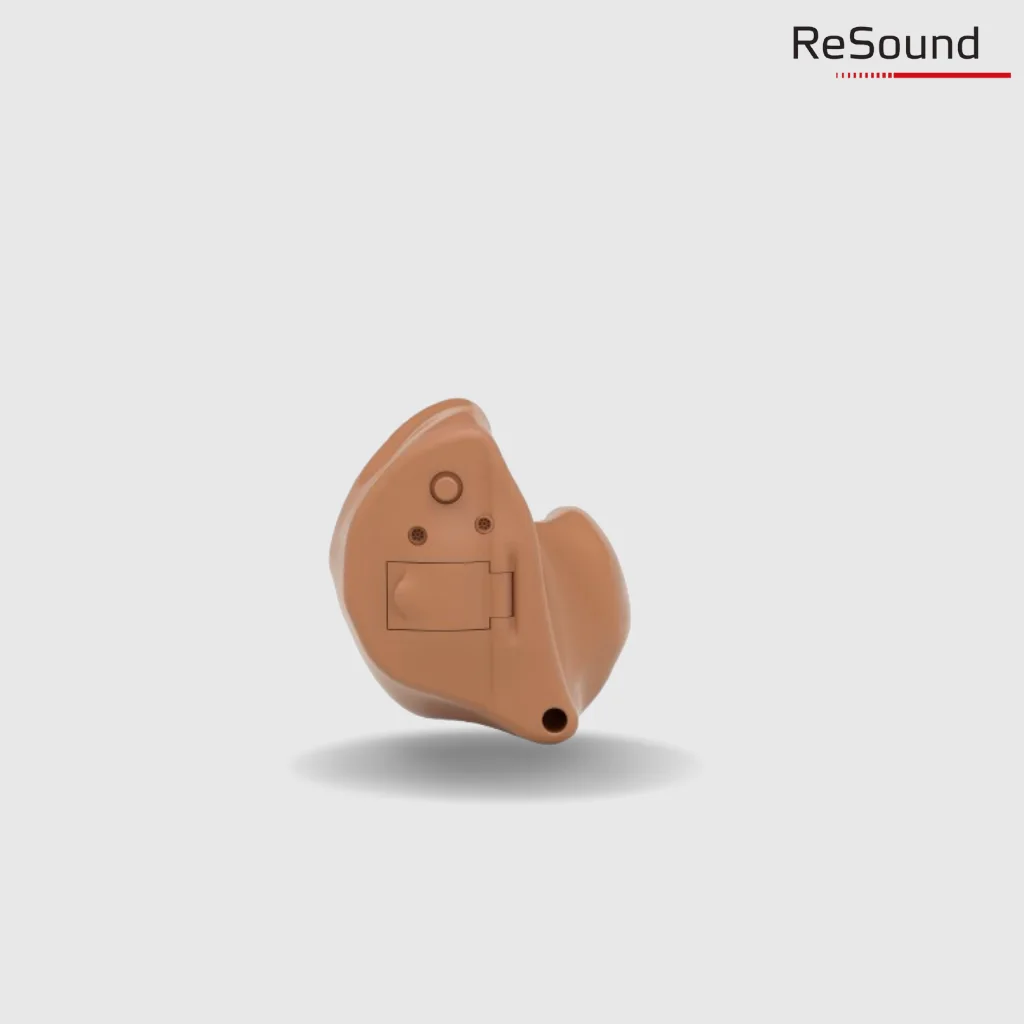
Wanting a discreet device is perfectly natural, but picking the smallest one purely to hide it can lead to problems. The smallest custom devices may not suit every degree of hearing loss, may be fiddly to handle, and may offer fewer features or smaller batteries.
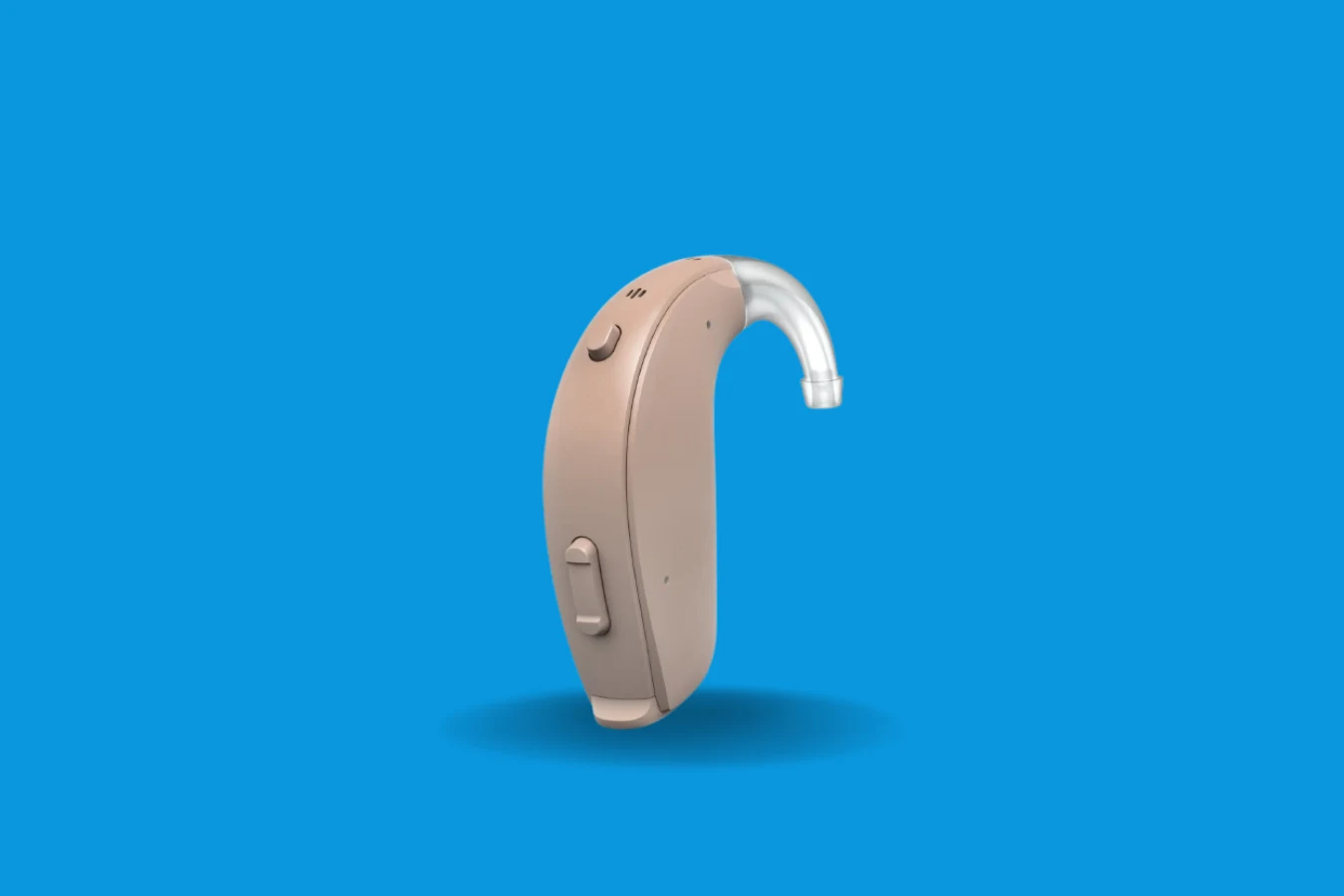
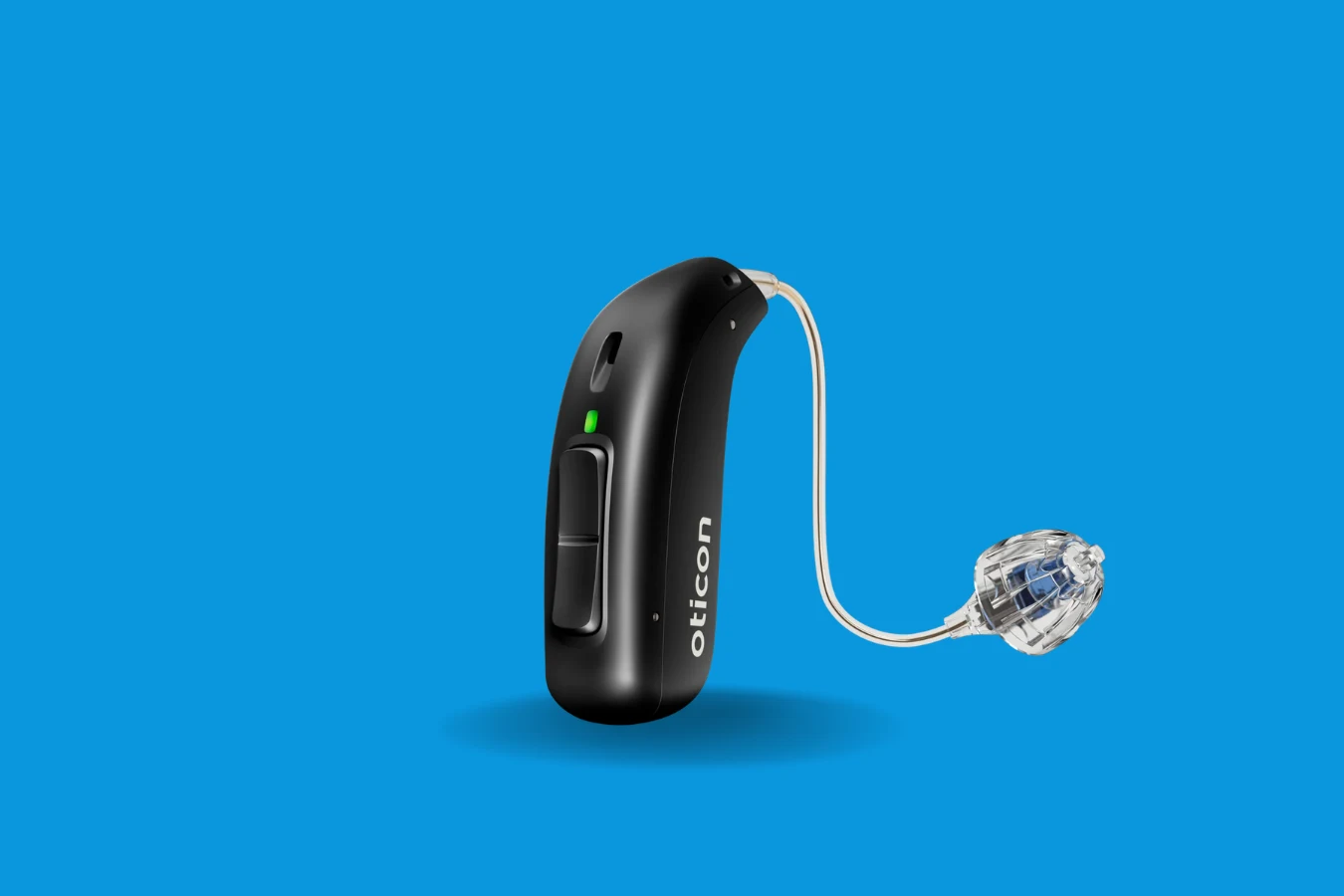
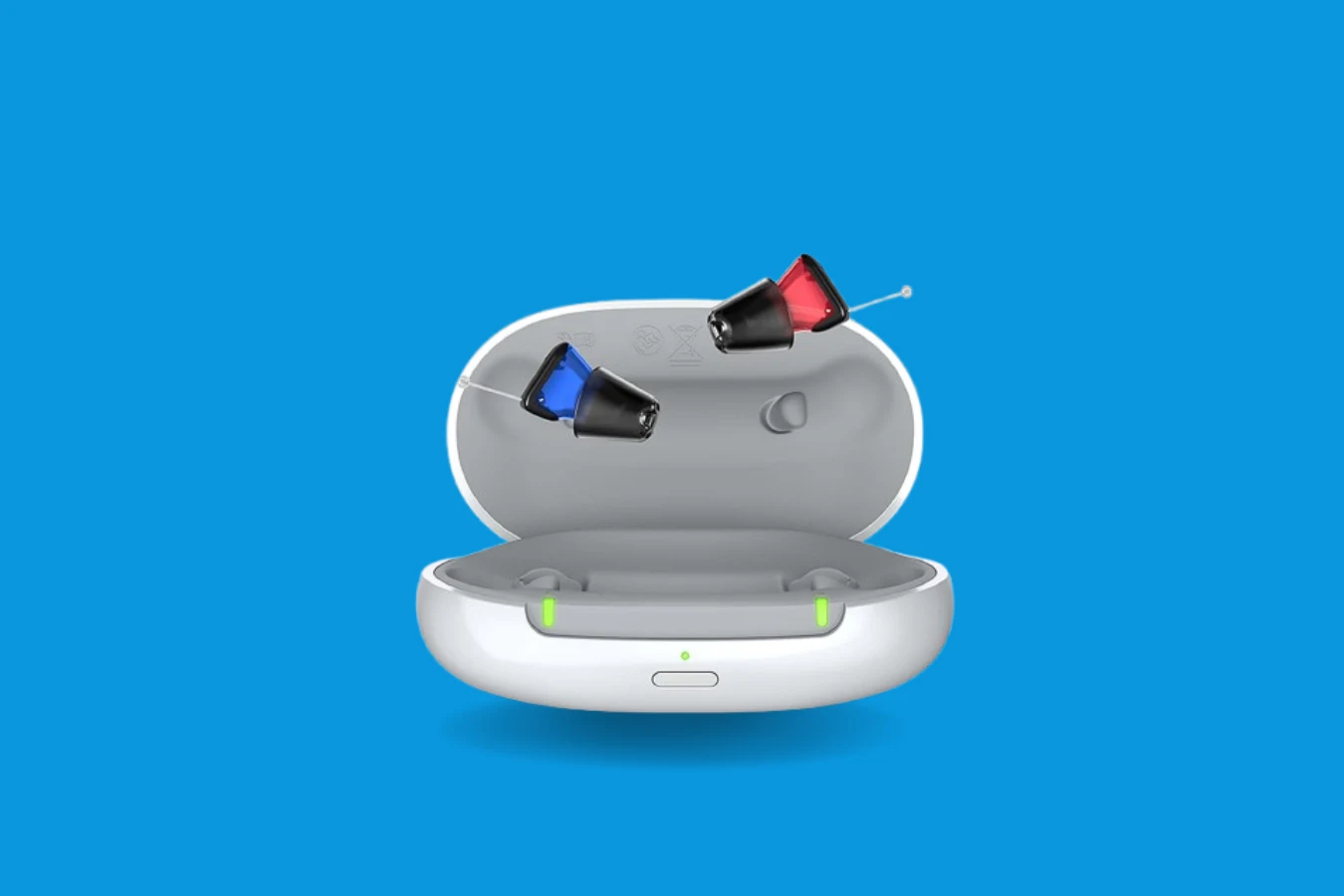
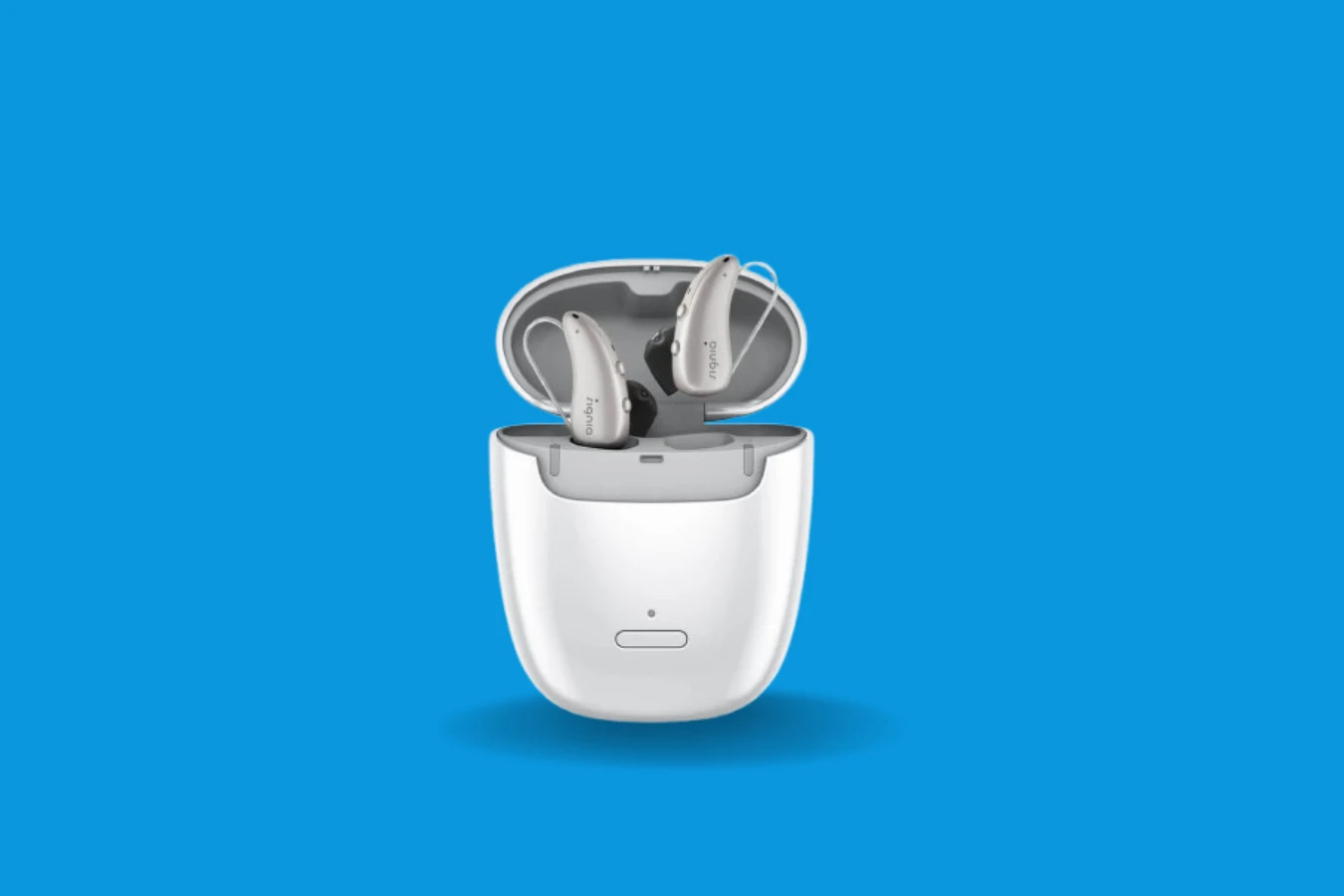
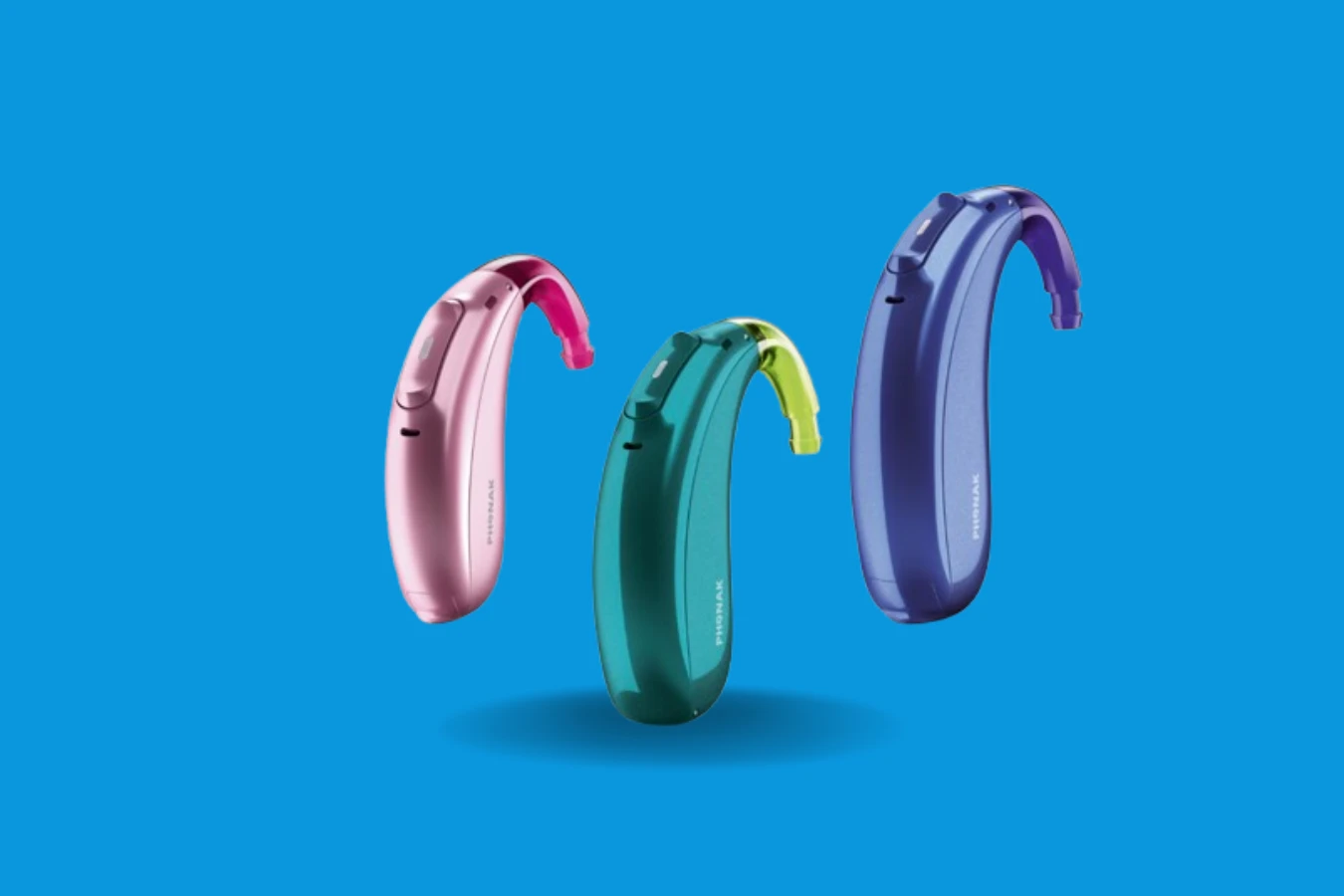
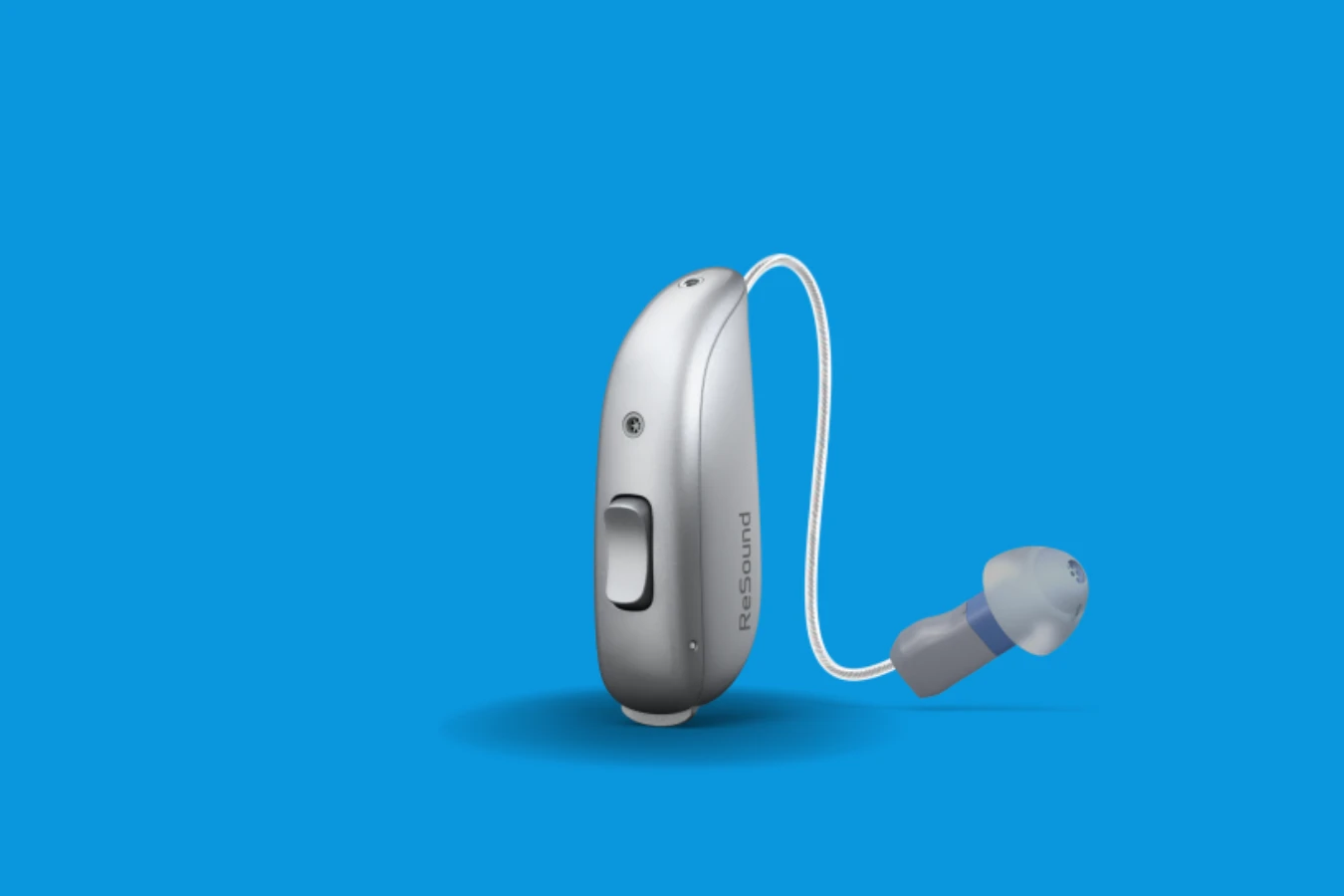
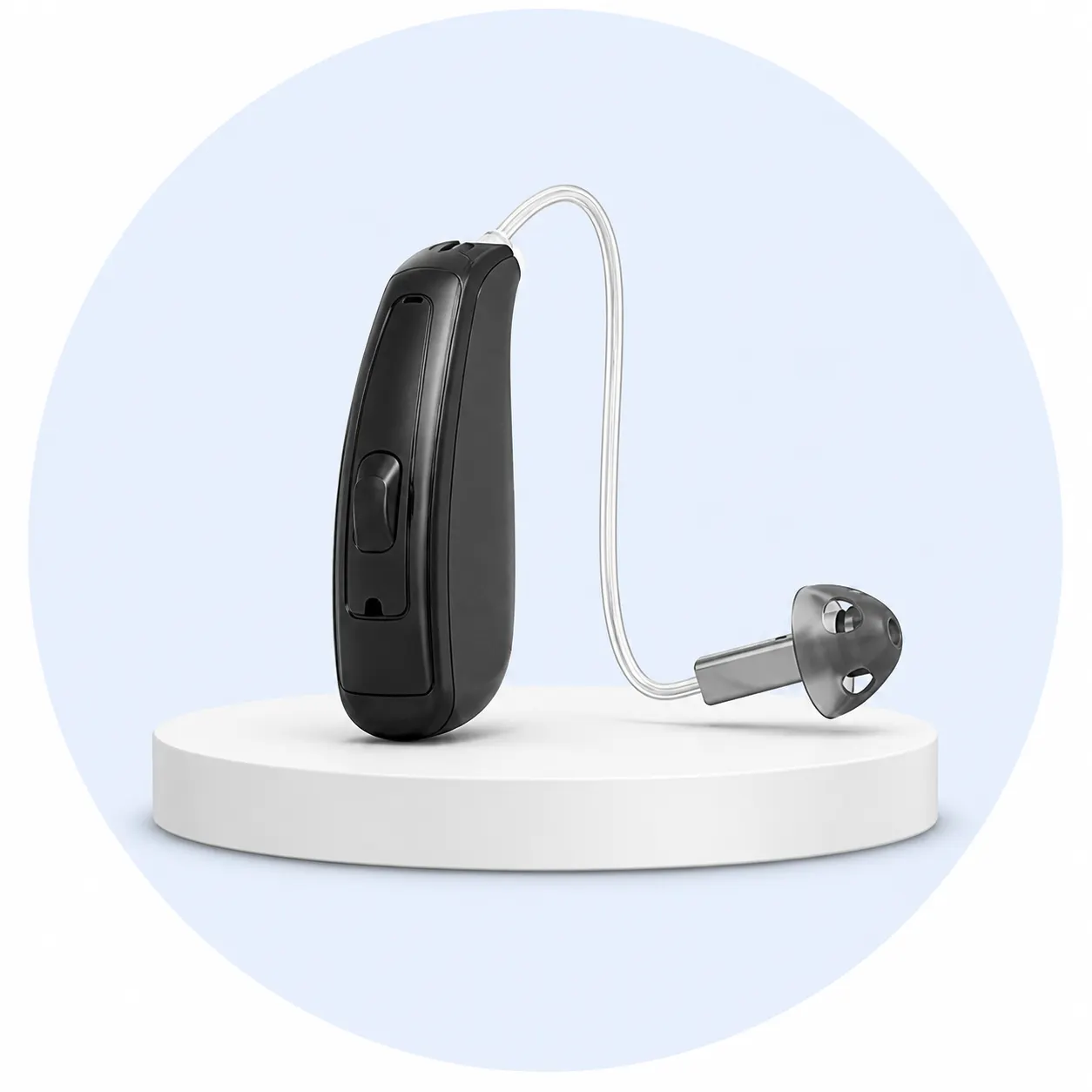
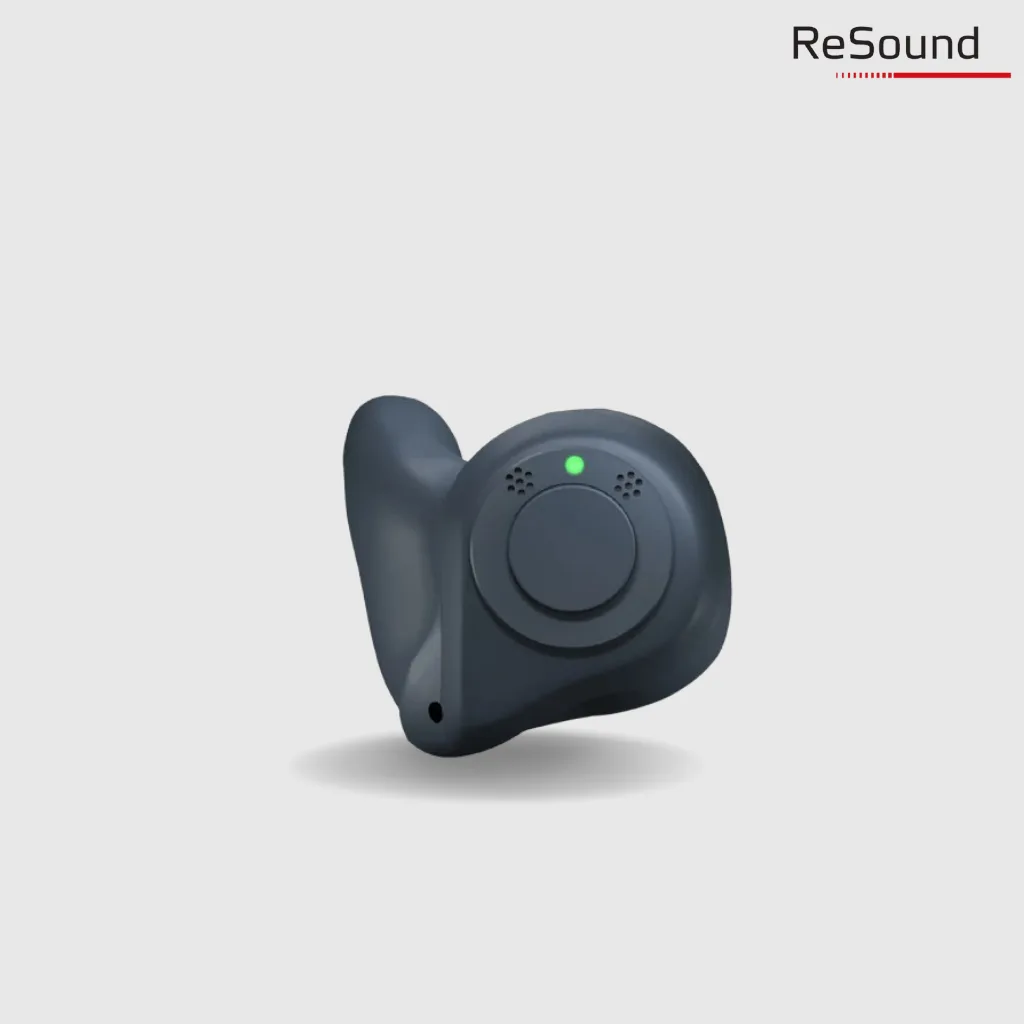
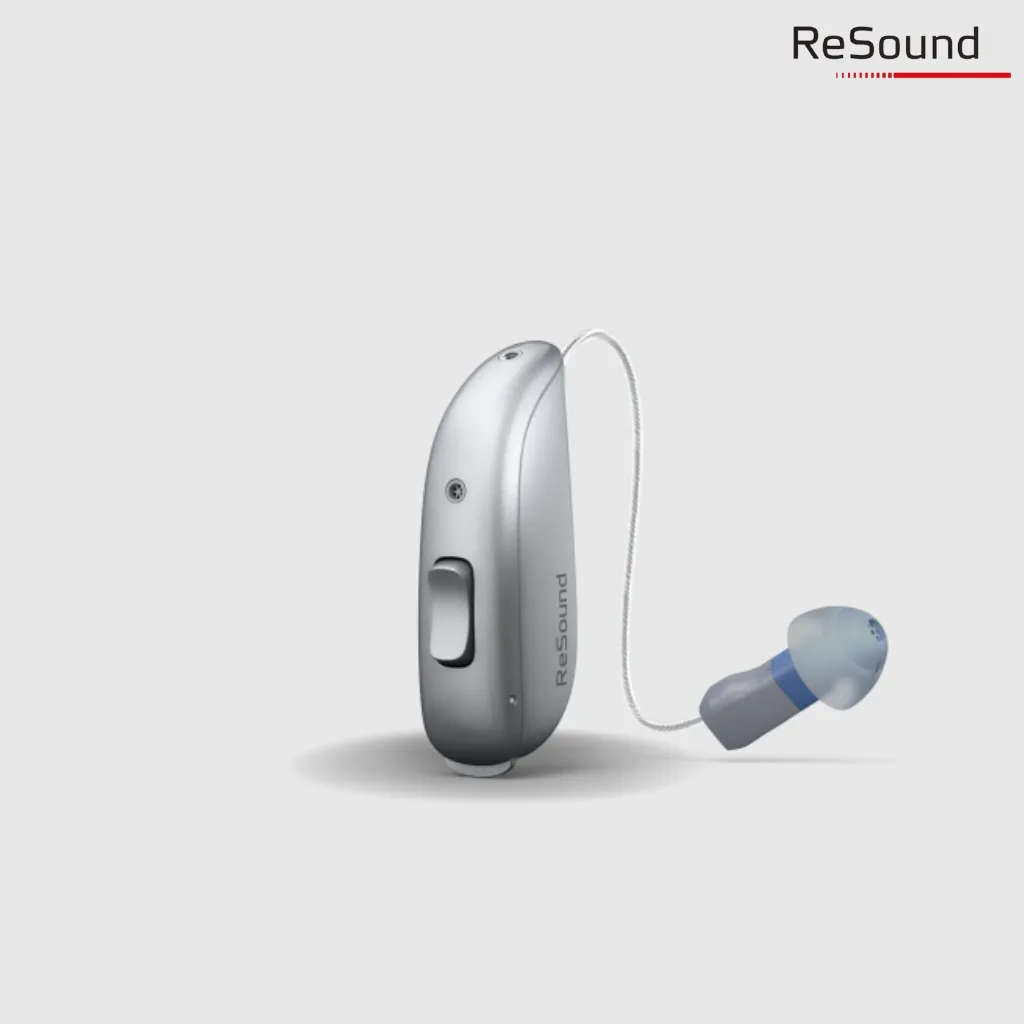
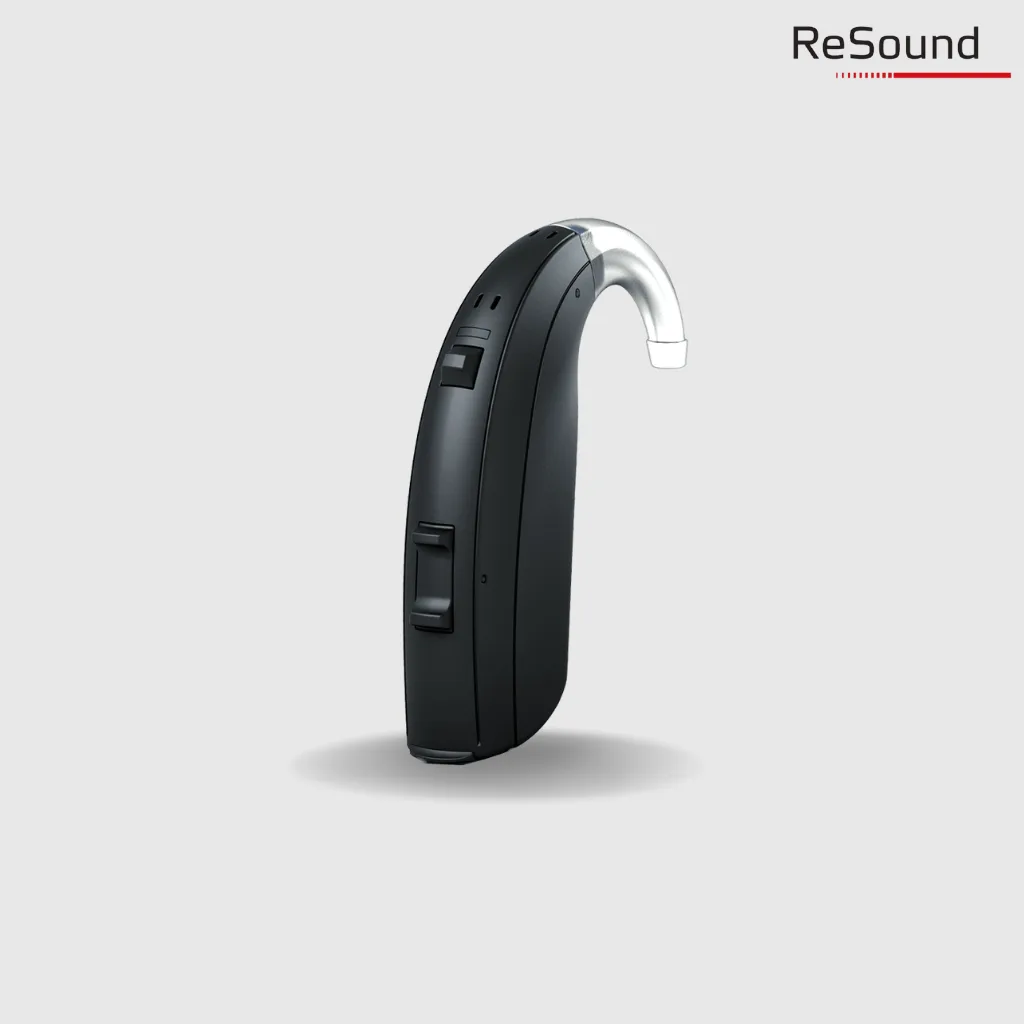
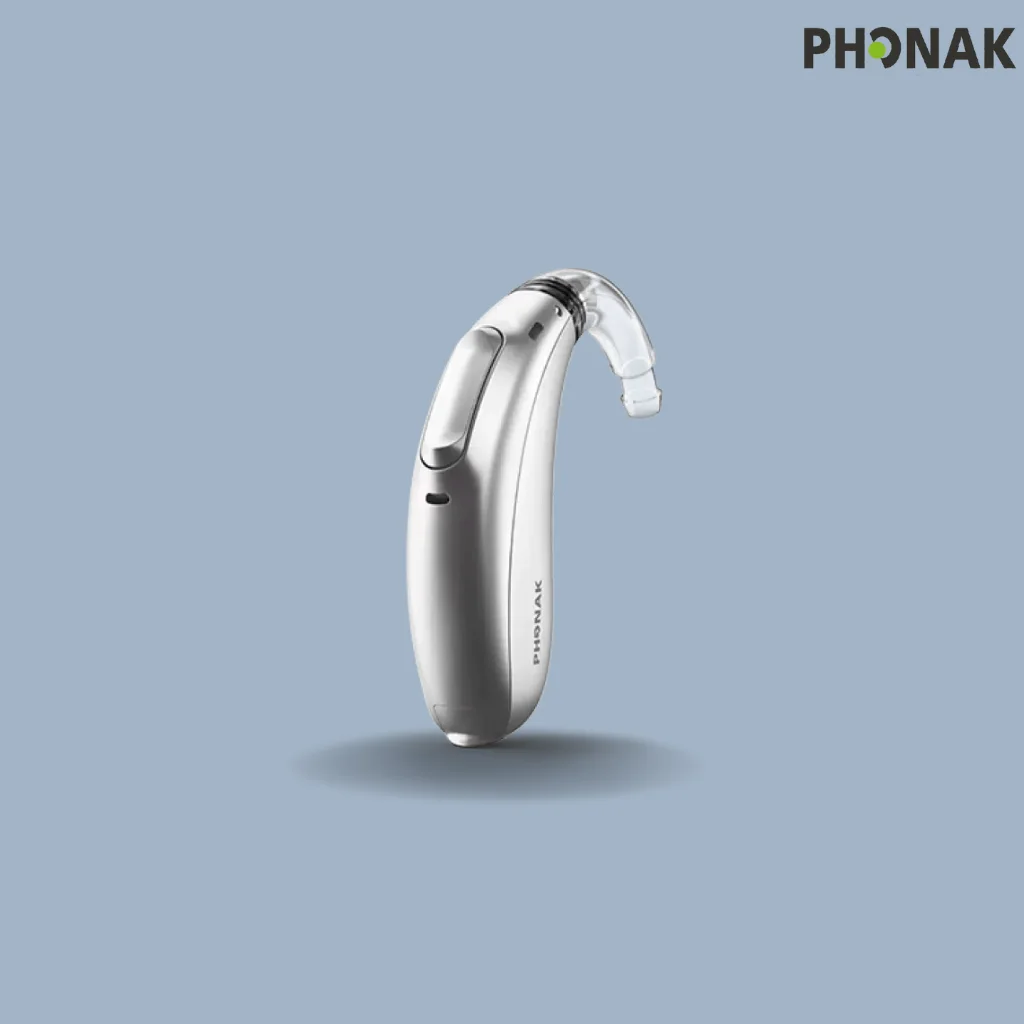
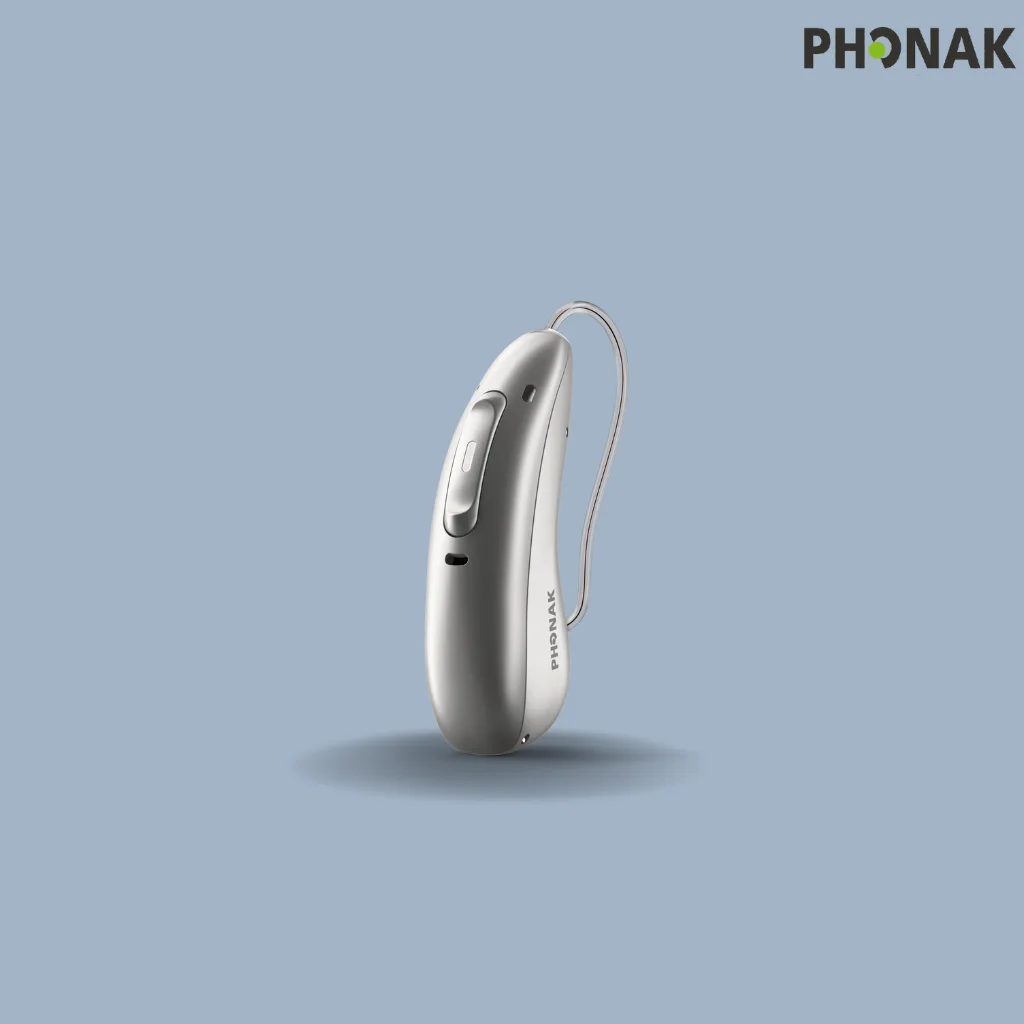
Do this instead: Let your audiogram, ear shape, dexterity and lifestyle guide the style. Compare options such as IIC, CIC, RIC and BTE devices, and read our guides on types of hearing aids and the difference between BTE and RIC hearing aids.
Mistake 5: Skipping the trial
A hearing aid that sounds great in a quiet consultation room can feel very different in a busy restaurant, on a phone call or at a family gathering. Buying without testing it in real life is one of the most expensive mistakes first-time buyers make.
Do this instead: Insist on a trial. At Adro, our free hearing aid trial lets you test two to three programmed models in real situations with no obligation to buy, and you can read more on our trial before you buy page. For a full walkthrough, see our guide to the hearing aid trial period.
Mistake 6: Buying one hearing aid when you need two
Because of cost, some people buy a single device even when both ears have hearing loss. Hearing with both ears helps with understanding speech in noise and working out where a sound is coming from, which is why audiologists often recommend two devices when both ears are affected.
Do this instead: Ask your audiologist what your audiogram suggests and discuss budget openly. Our articles on whether two hearing aids are better than one and bilateral fitting explain the reasoning.
Mistake 7: Expecting perfect hearing on day one
A hearing aid does not restore hearing the way glasses sharpen vision. Your brain has to relearn sounds it has been missing, so everyday noises such as footsteps, fans and paper rustling may seem loud or strange at first. Many new users give up in the first week, just when the brain is beginning to adapt.
Do this instead: Wear the device regularly, start in quiet places and build up to busier ones. Our guides on what to expect as a first-time hearing aid user and tips to get used to a new hearing aid make the early days easier.
Mistake 8: Skipping fine-tuning and aftercare
Fitting is not a one-time event. As you wear the device, you will notice sounds that are too sharp, too soft or uncomfortable. Without follow-up adjustments, these small issues can turn into a drawer-bound hearing aid. Fit and comfort problems, such as whistling, are also easy to fix when you go back early.
Do this instead: Treat follow-up visits as part of the purchase. Read why hearing aid fine-tuning matters, and ask what hearing aid service and aftercare is included. If you hear a squeal, our guide on why your hearing aid whistles and how to fix it can help.
Mistake 9: Not checking the terms, warranty and return policy
When you are focused on sound quality, it is easy to overlook the paperwork. But the warranty, return conditions, service charges and what is covered (or not) can make a big difference later, particularly if a device needs repair or does not suit you.
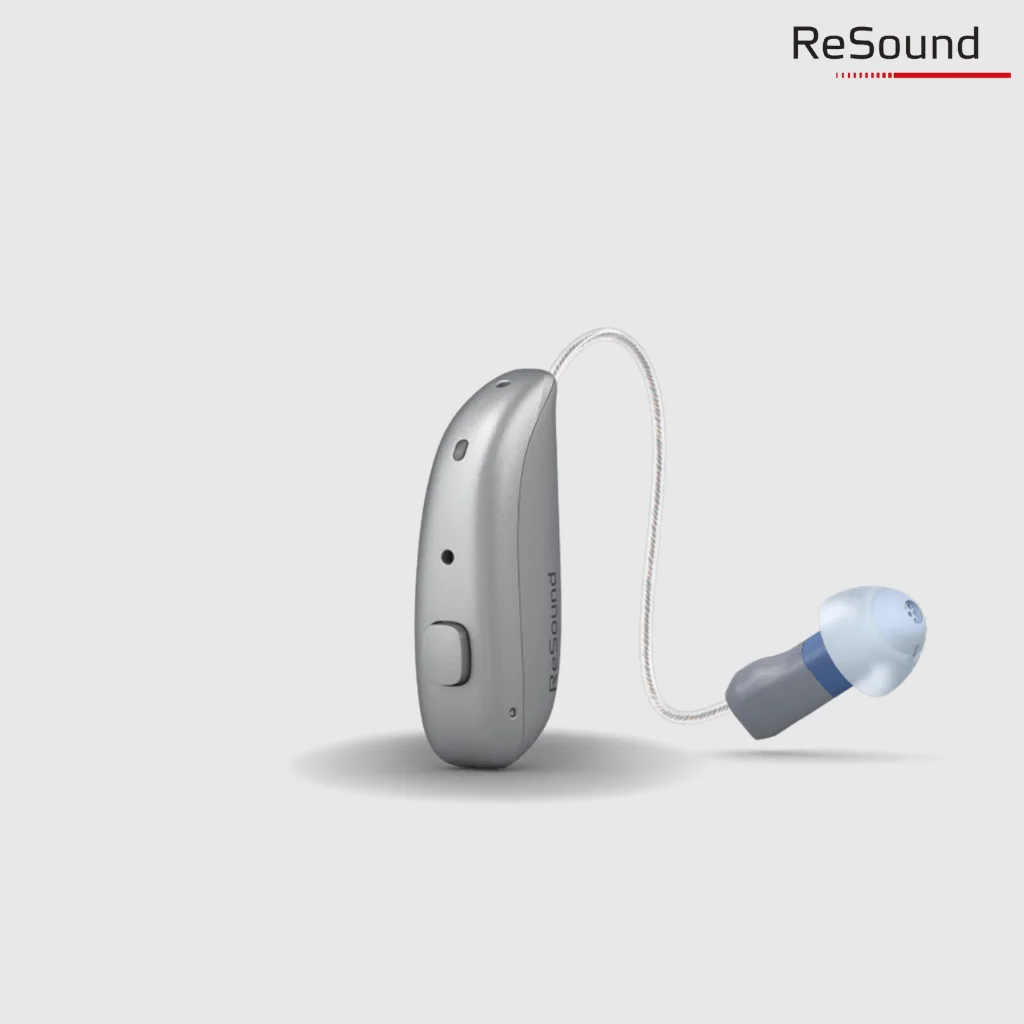
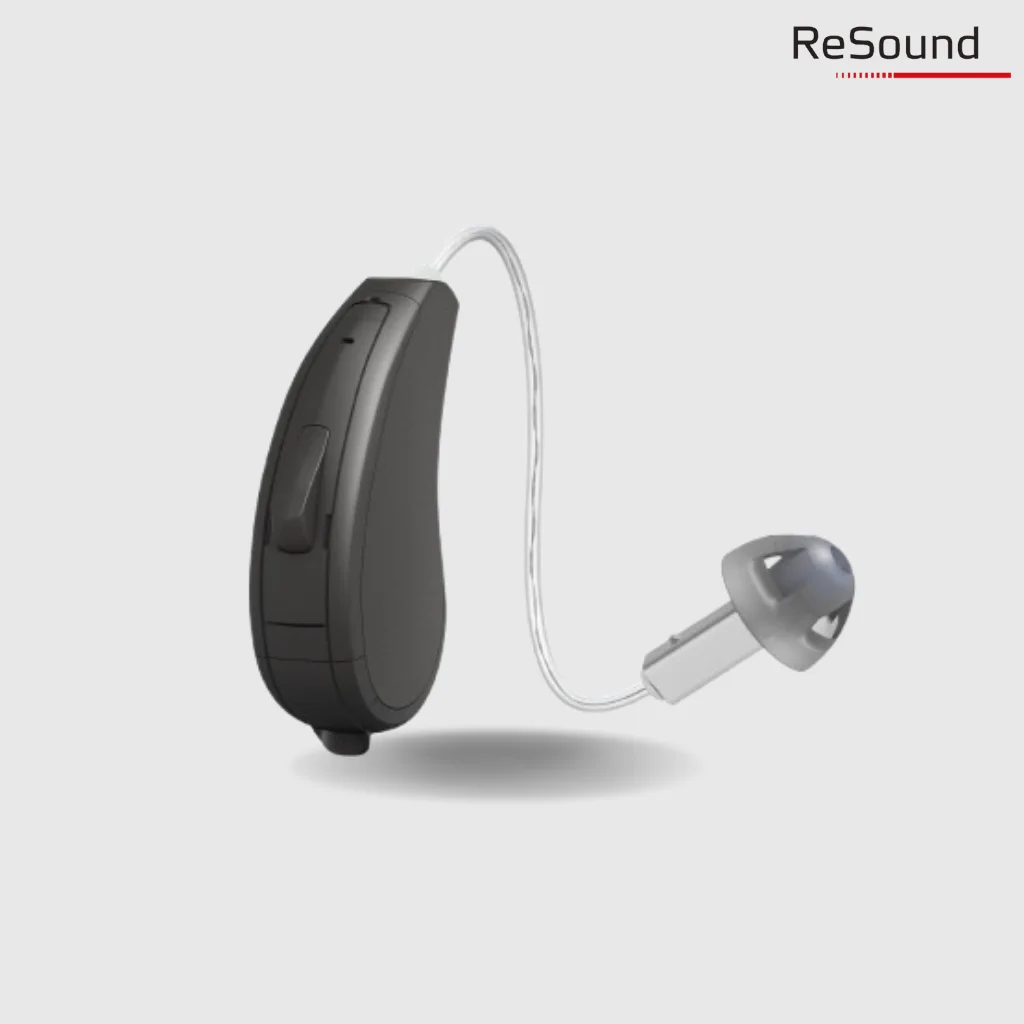
Do this instead: Ask for the terms in writing before you pay. Review the clinic’s purchase and return policy and warranty, and check that the device comes from an authorised source with proper fitting. You can see the brands Adro works with on our brands page, including Phonak, Signia, Oticon and ReSound.
Mistake 10: Neglecting daily care
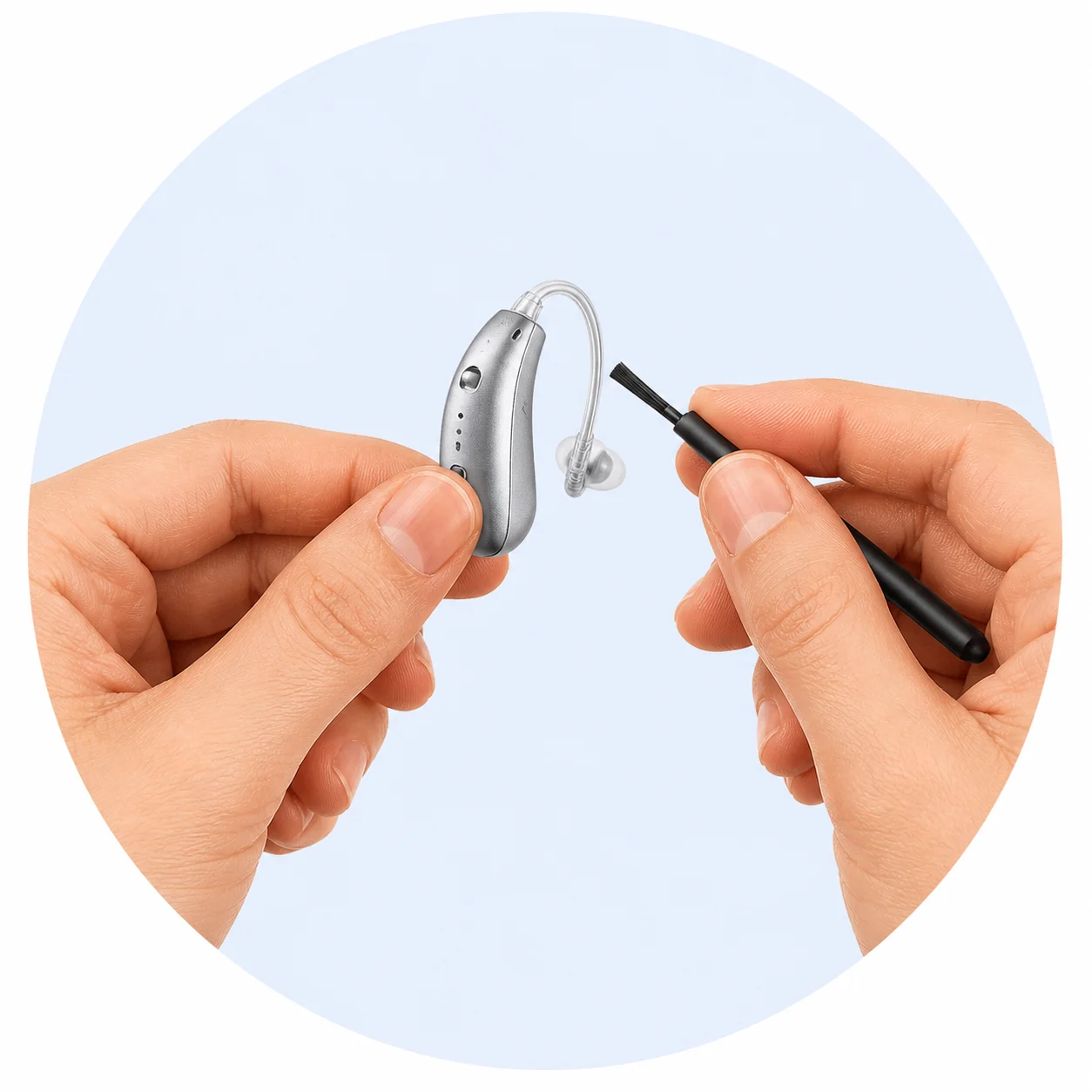
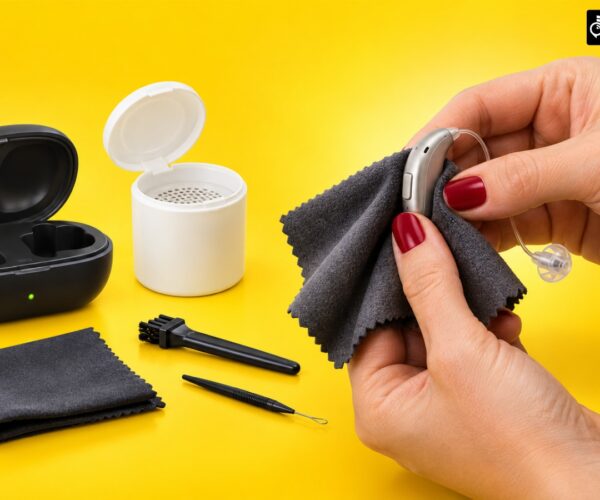
Earwax, sweat and humidity quietly damage hearing aids. People who skip cleaning often end up with weak sound, intermittent faults and avoidable repair bills, particularly in humid climates.
Do this instead: Build a two-minute nightly routine. Our guide on how to clean and maintain your hearing aid at home shows how, and you can learn how long a hearing aid really lasts with good care.
A quick checklist before you buy
| Question | Why it matters |
|---|---|
| Have I had a full hearing test and received my audiogram? | It is the basis for choosing and programming the device. |
| Have I tried at least two models in real situations? | Sound quality and comfort differ from person to person. |
| Does the style suit my ears, hands and lifestyle? | Comfort and ease of handling affect how often you wear it. |
| Do I know whether I need one device or two? | Hearing in both ears can improve understanding and sound direction. |
| Are the trial, return, warranty and service terms in writing? | It protects you if the device does not suit you or needs repair. |
| Is follow-up fine-tuning included? | Programming improves as you adapt. |
| Do I know how to clean and look after it? | Good care means fewer faults and a longer life. |
For a wider set of prompts, see questions to ask yourself before buying a hearing aid. If you are choosing for a parent, our guide to the best hearing aid for senior citizens may help, and our overview of hearing aids for mild to moderate hearing loss covers a common starting point.
Frequently asked questions
What is the biggest mistake first-time hearing aid buyers make?
Buying without a proper hearing test and a trial. A hearing aid should be programmed to your audiogram and tested in your real listening situations before you commit.
Is the most expensive hearing aid always the best?
No. The best hearing aid is the one that suits your hearing loss, lifestyle, comfort and budget. A well-fitted mid-range device can serve many people better than a poorly fitted premium one.
Do I need two hearing aids or one?
If both ears have hearing loss, an audiologist will often recommend two devices, because using both ears helps with understanding speech in noise and judging where sounds come from. Your audiogram and lifestyle decide what is right for you.
How long does it take to get used to a new hearing aid?
It varies, but many users need a few weeks as the brain adapts to sounds it has been missing. Regular wear and fine-tuning visits make the transition easier.
Can I try a hearing aid before buying it at Adro?
Yes. Adro offers a free hearing aid trial at its centres with no obligation to purchase. Take-home trials may be available at select centres, depending on device availability.
What should I check before paying?
Check that a proper hearing test was done, that you have tried the device, and that the trial, return, warranty and aftercare terms are clear and in writing. Compare EMI options if you plan to pay in instalments.
Buy with confidence at Adro
Start with a hearing test, try suitable models with no obligation, and get personalised fitting and aftercare from the audiologists at Adro Hearing Aid, a trusted hearing aid centre in Chennai. Book a free appointment at any Chennai, Tamil Nadu or Bangalore centre, or call +91 78457 45787 (Mon–Sat, 10:00 AM–7:00 PM).

How to Clean and Maintain Your.
Introduction Your hearing aid helps you stay connected to conversations, relationships, and important moments. However, because the device sits inside.
Read More
How to Improve Hearing Naturally: 9.
Introduction Have you recently started increasing the television volume, asking people to repeat themselves, or struggling to follow conversations in.
Read More