



















Which Hearing Aid Is Best for Senior Citizens? 7 Expert Tips for Clearer, More Confident Hearing

Introduction
Imagine sitting at a family gathering but missing the punchline, struggling to follow conversations, or repeatedly asking loved ones to speak louder. For many senior citizens, hearing loss can gradually turn enjoyable moments into frustrating experiences.
According to the World Health Organization, more than 25% of people over 60 have disabling hearing loss. However, the right hearing aid can make conversations clearer, improve confidence, and help seniors remain socially active and independent. WHO
So, which hearing aid is best for senior citizens?
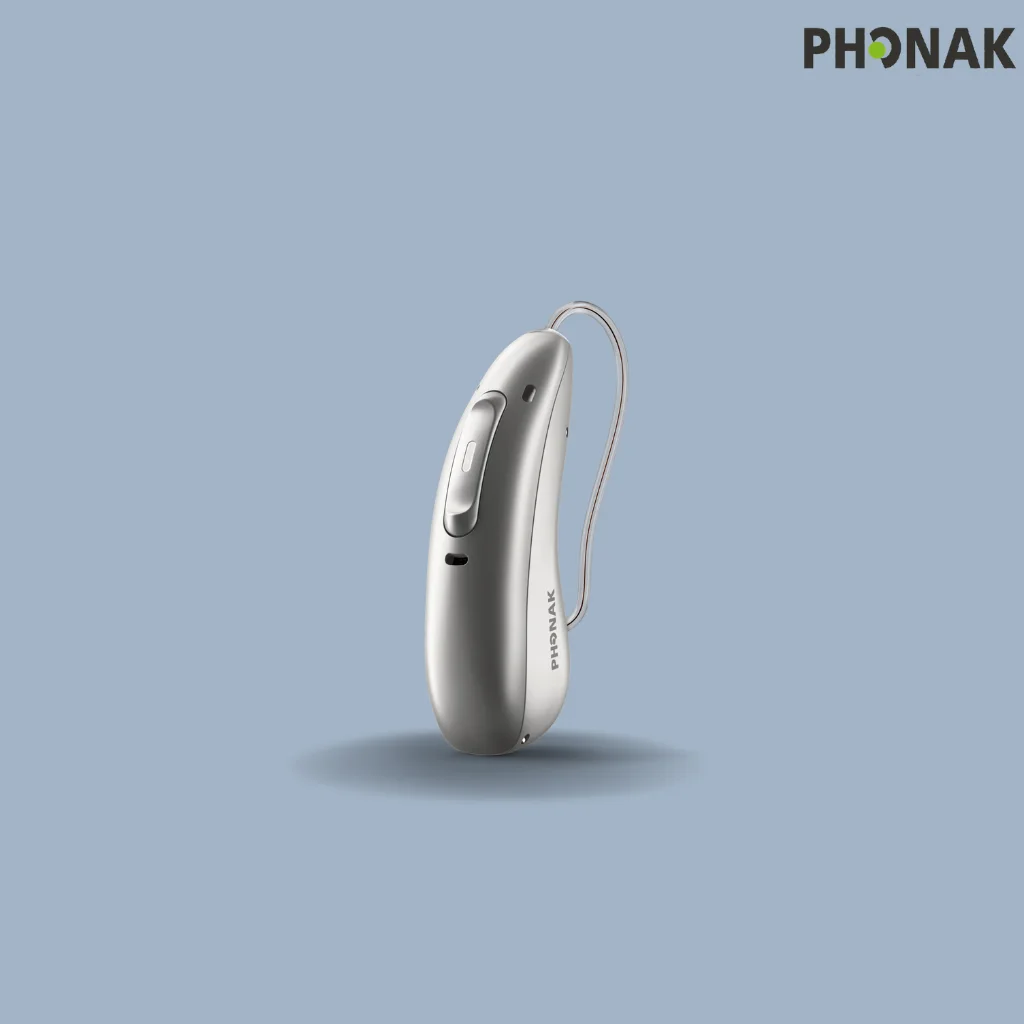
For many older adults, a rechargeable behind-the-ear (BTE) or receiver-in-canal (RIC) digital hearing aid professionally programmed by an audiologist is the most practical choice. It combines clear sound, comfortable fitting, simple controls, rechargeable power and support for different levels of hearing loss.
However, there is no single hearing aid that is perfect for everyone. The best choice depends on the senior’s hearing level, lifestyle, hand mobility, budget and comfort.
Why Choosing the Right Hearing Aid Matters
Age-related hearing loss, also called presbycusis, usually develops gradually. A senior may hear sounds but struggle to understand words, especially in restaurants, family gatherings or other noisy environments.
Nearly one in three adults aged 65–74 has hearing loss, while almost half of those over 75 experience hearing difficulty. Yet fewer than one in three adults aged 70 and above who could benefit from hearing aids have ever used them. NIDCD
Untreated hearing difficulty may lead seniors to avoid conversations and social activities. Therefore, early hearing assessment and suitable amplification can make everyday communication far easier.
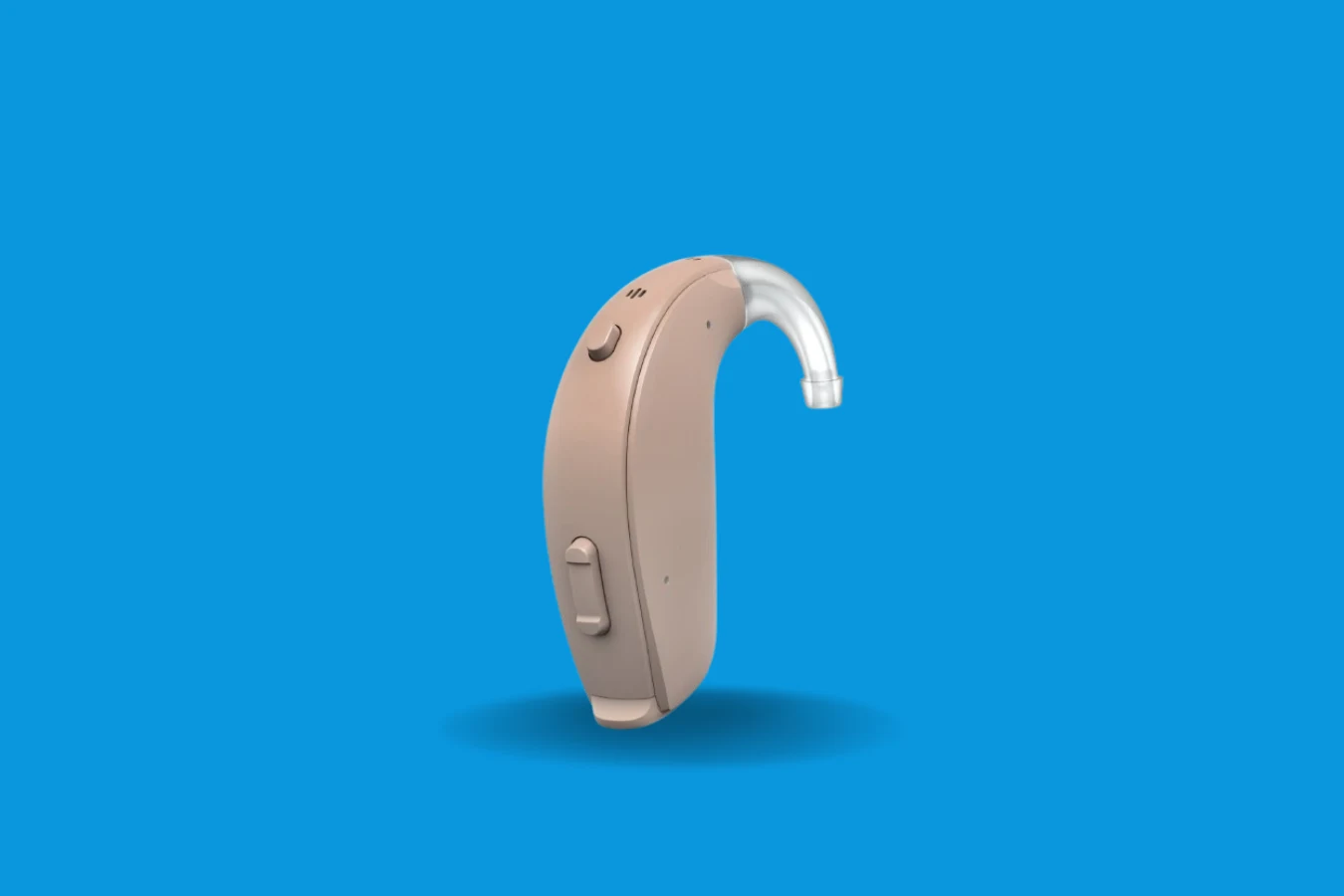
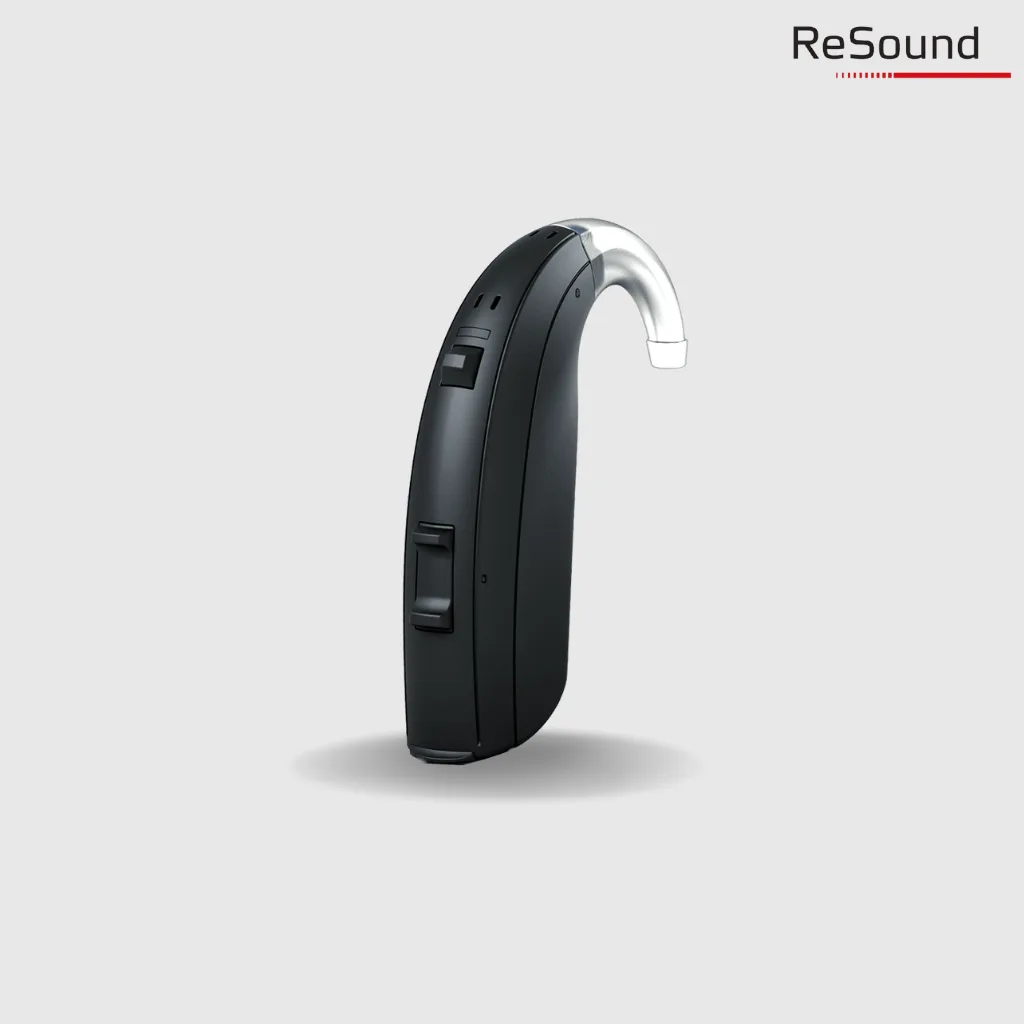
Behind-the-Ear Hearing Aids: Best for Easy Handling
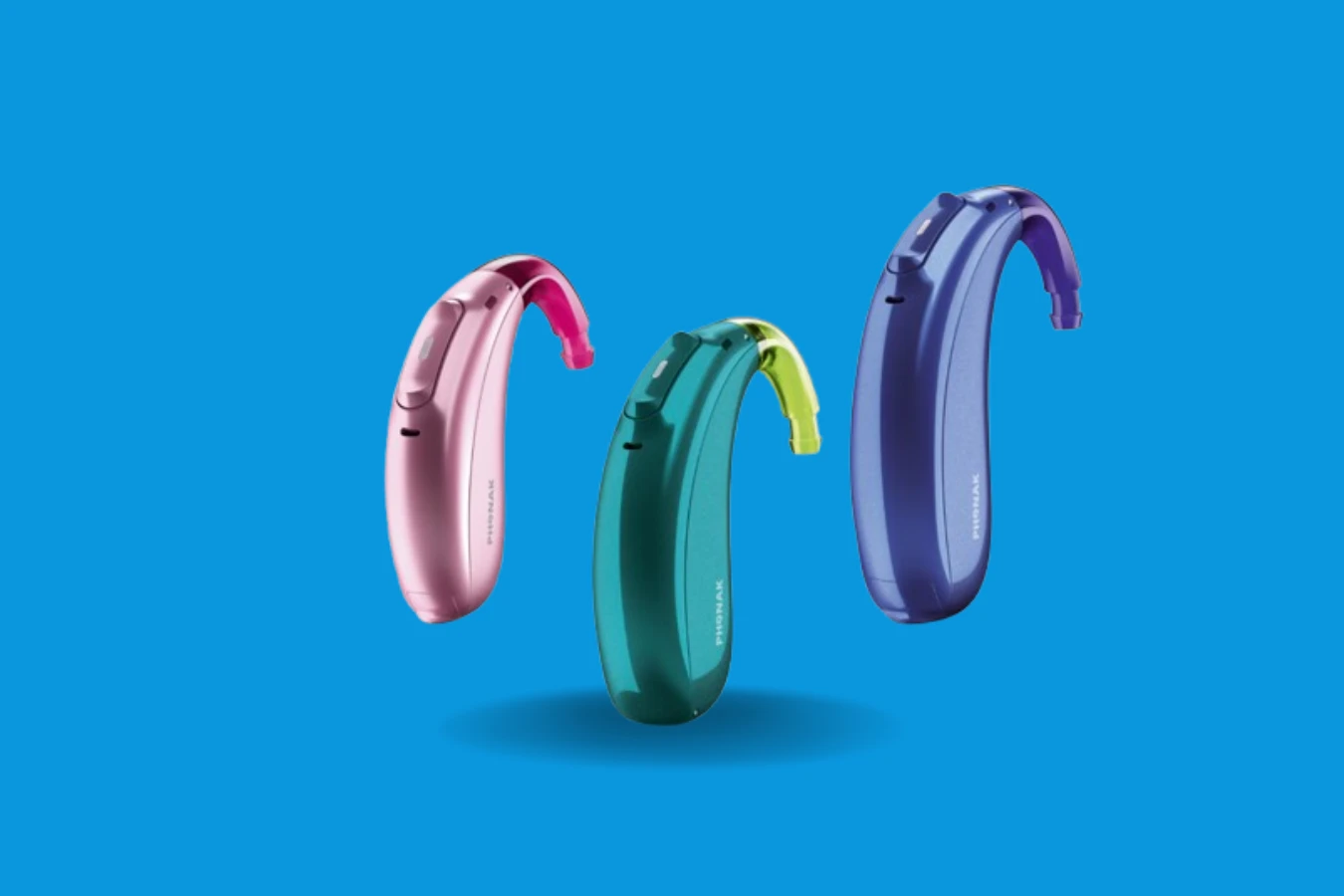
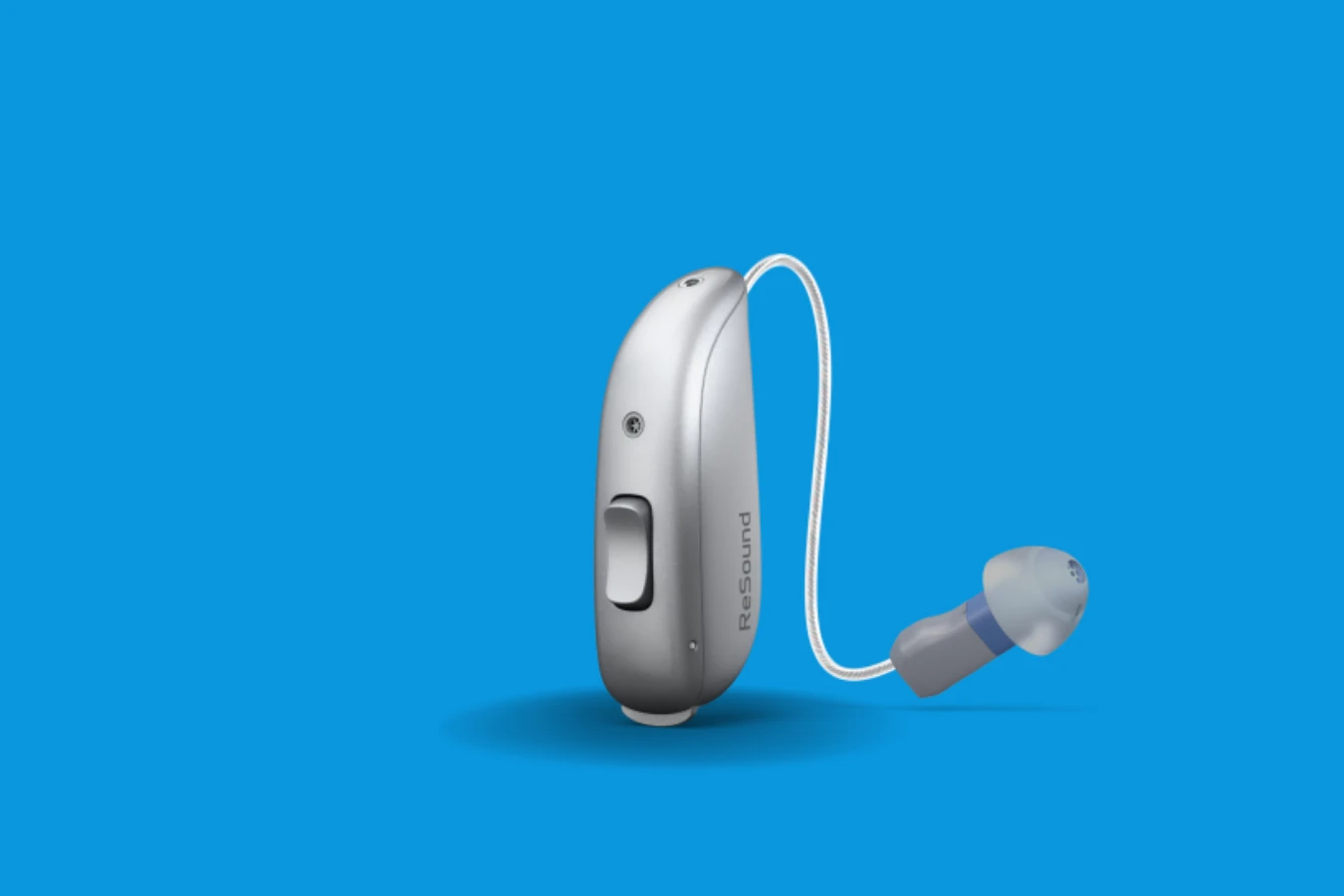
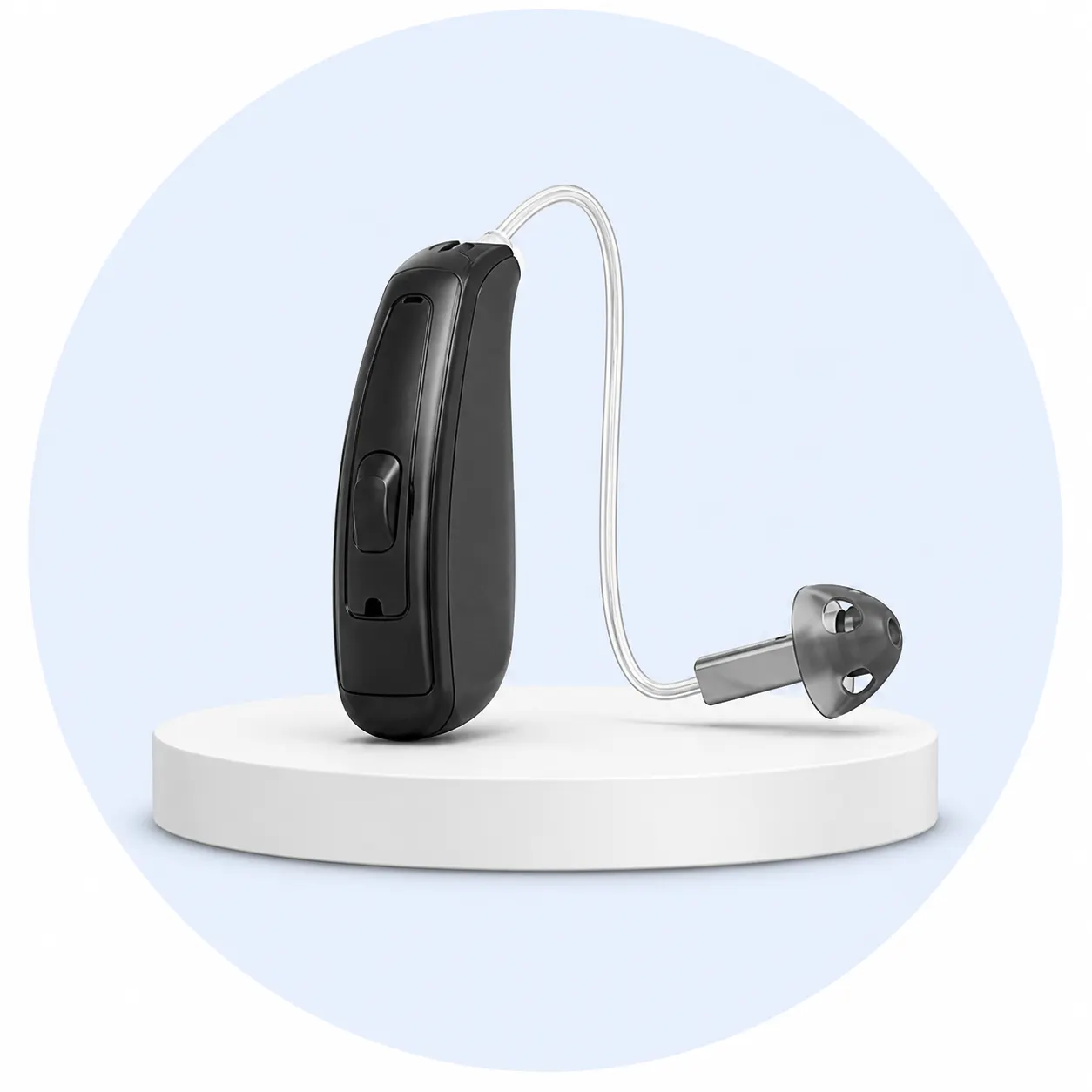
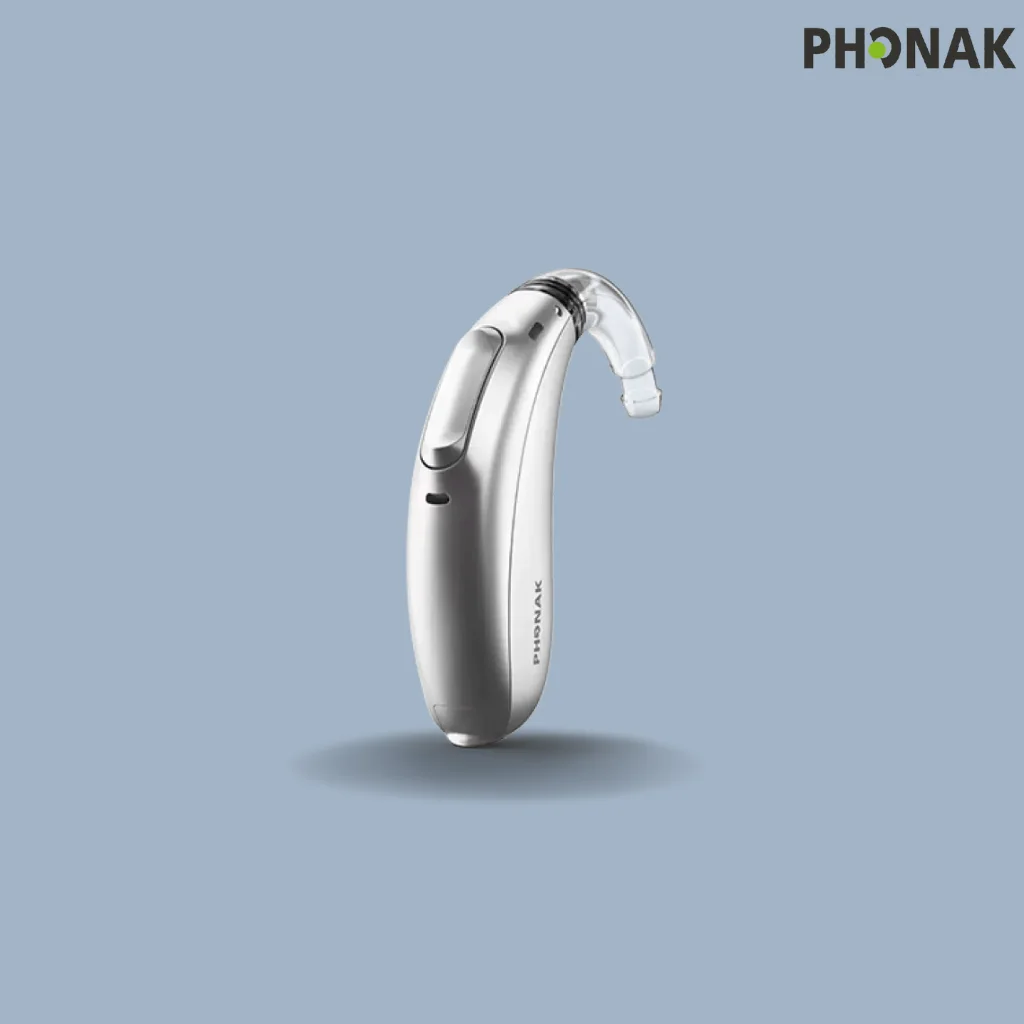
Behind-the-ear hearing aids sit comfortably behind the ear and connect to an earpiece placed inside the ear.
BTE hearing aids are often an excellent option for senior citizens because they offer:
- Larger, easier-to-use controls
- Powerful sound amplification
- Longer battery life
- Better durability
- Options for mild to profound hearing loss
- Easier cleaning and maintenance
Because the device is slightly larger than an invisible hearing aid, seniors with arthritis, reduced vision or limited finger movement may find it easier to handle.
The NIDCD confirms that BTE hearing aids can support people with hearing loss ranging from mild to profound. NIDCD hearing-aid guide
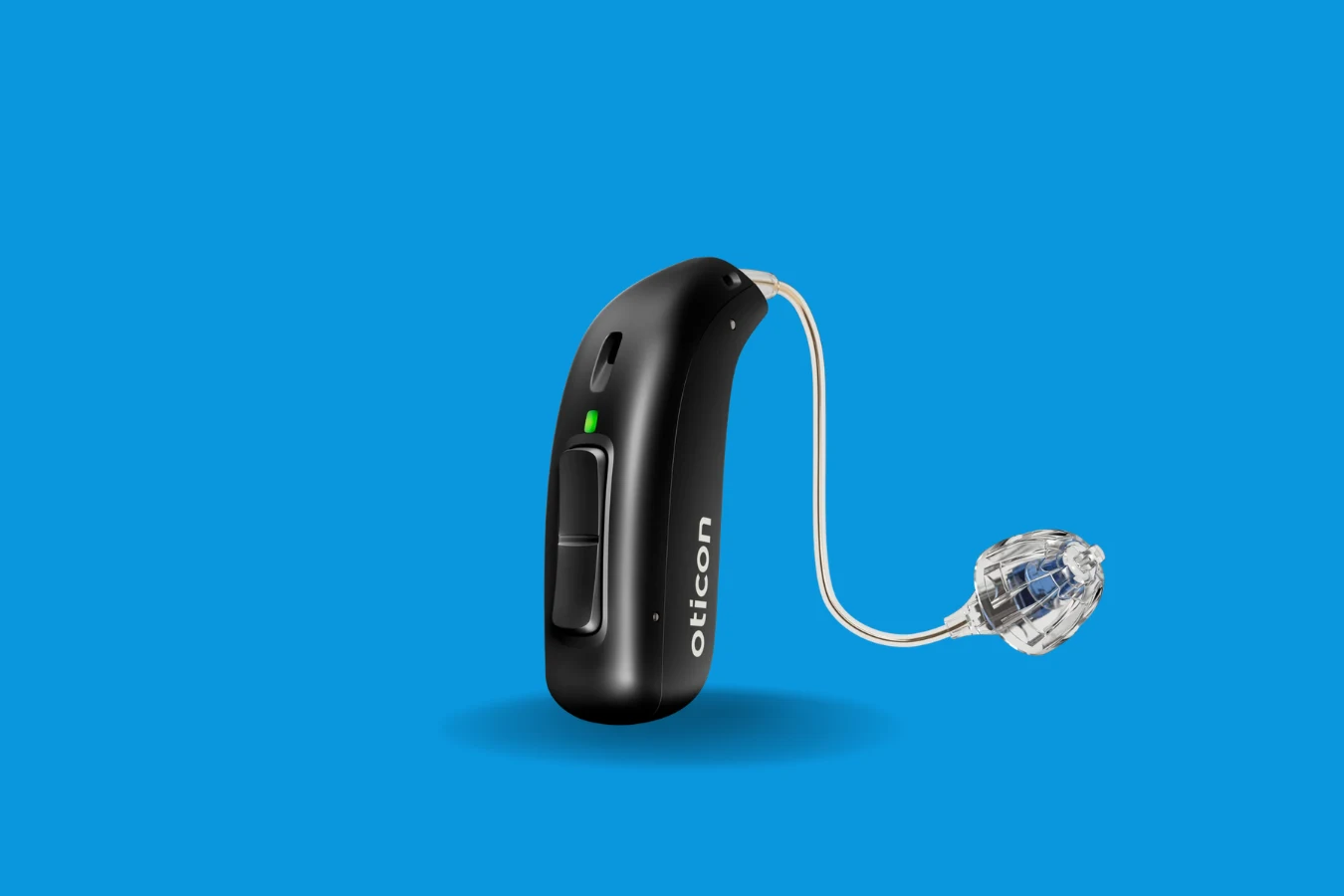
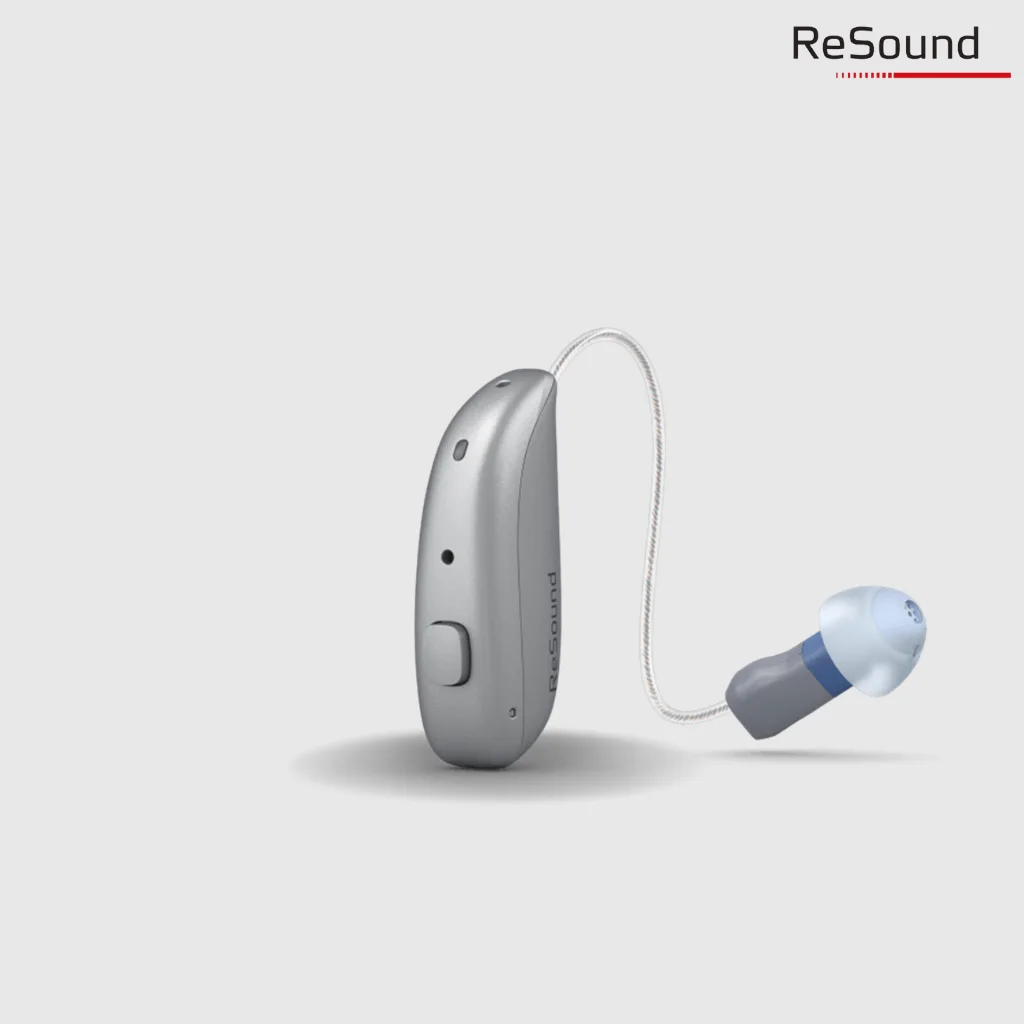
Receiver-in-Canal Hearing Aids: Best Overall for Comfort
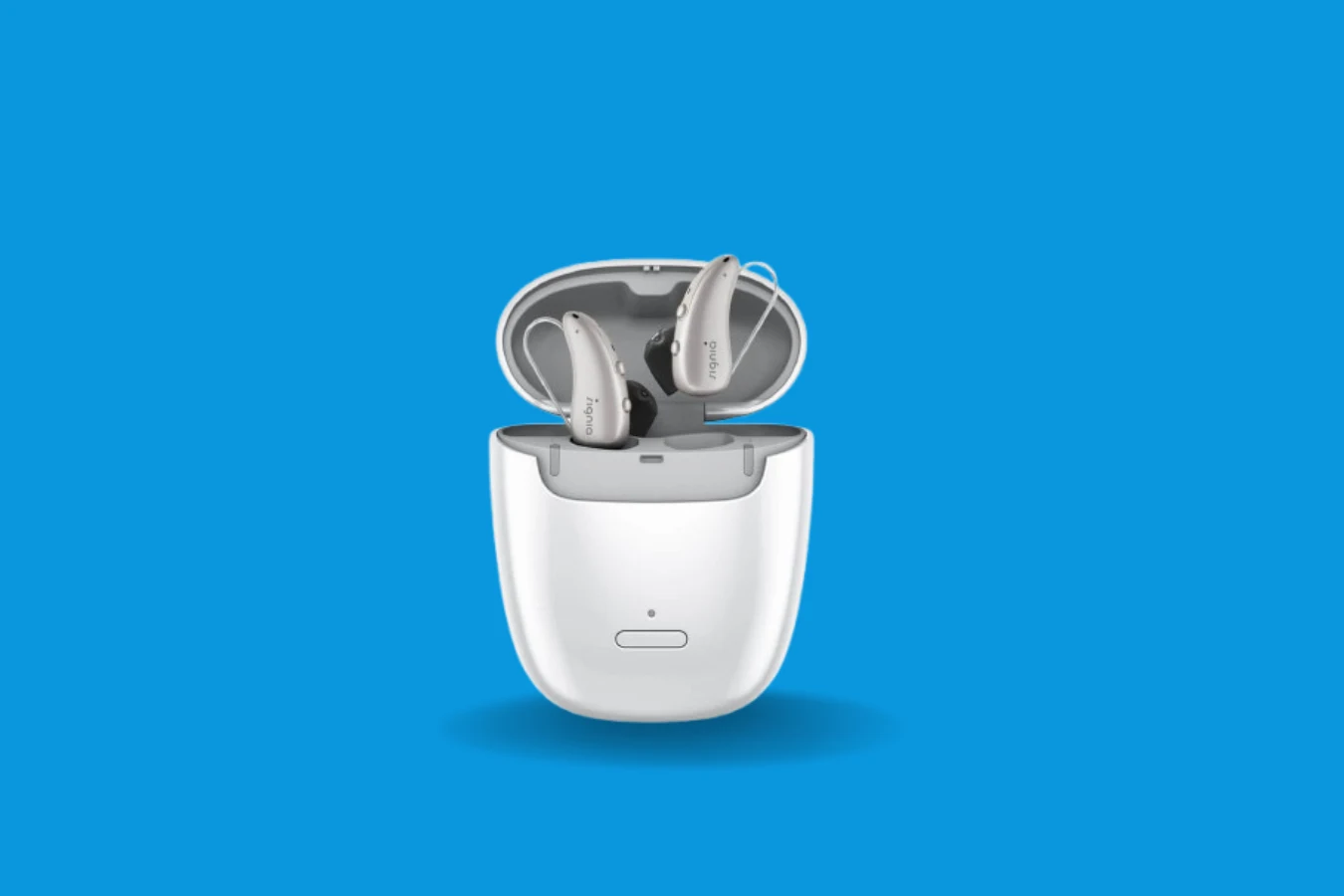
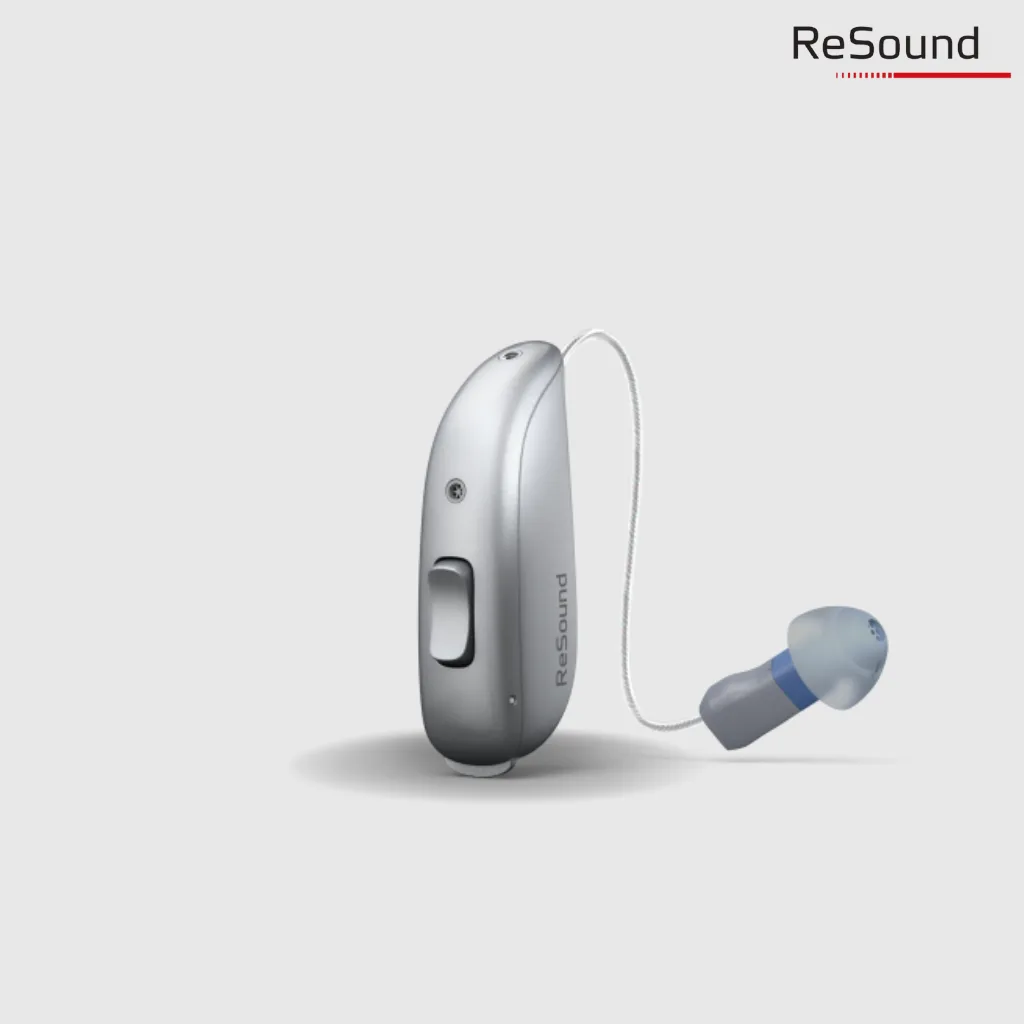
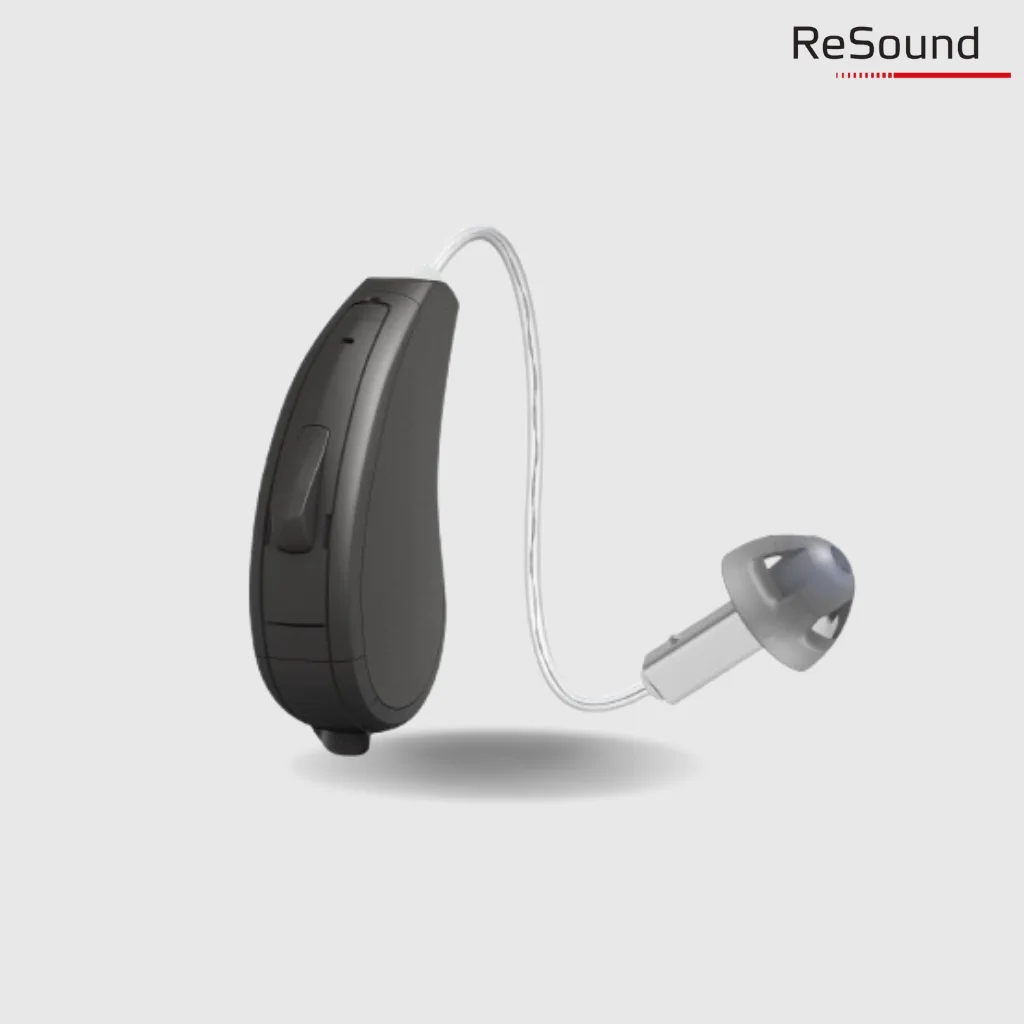
Receiver-in-canal hearing aids are smaller than traditional BTE models. The main body rests behind the ear, while a thin wire connects it to a receiver inside the ear canal.
RIC devices are popular because they provide:
- Natural and clear sound
- A lightweight, discreet design
- Good speech understanding
- Comfortable all-day wear
- Rechargeable options
- Bluetooth connectivity
- Advanced background-noise reduction
For seniors with mild to severe hearing loss who want a balance of performance, comfort and appearance, a rechargeable RIC hearing aid is frequently the best overall choice.
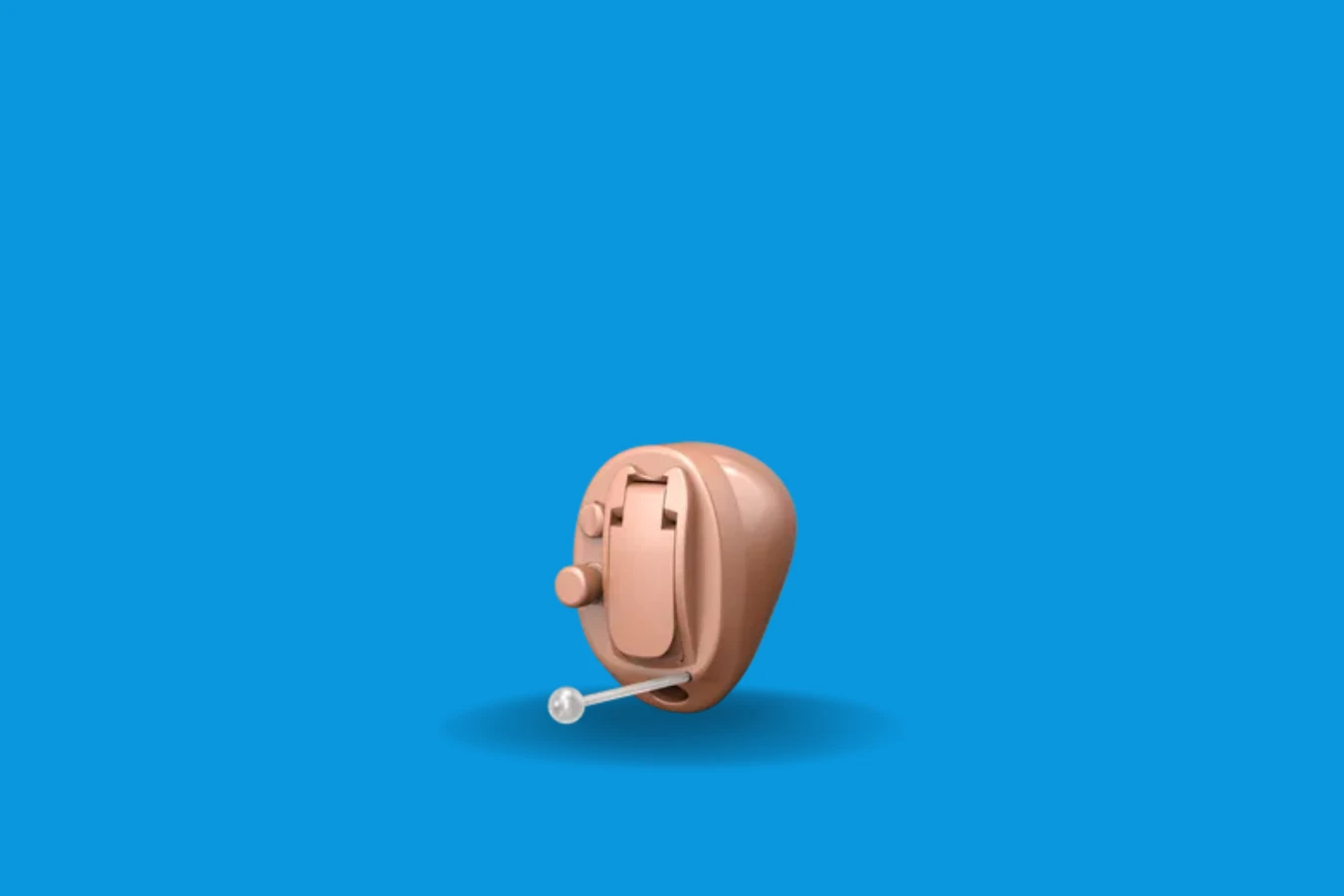
In-the-Ear Hearing Aids: Best for Simple Placement
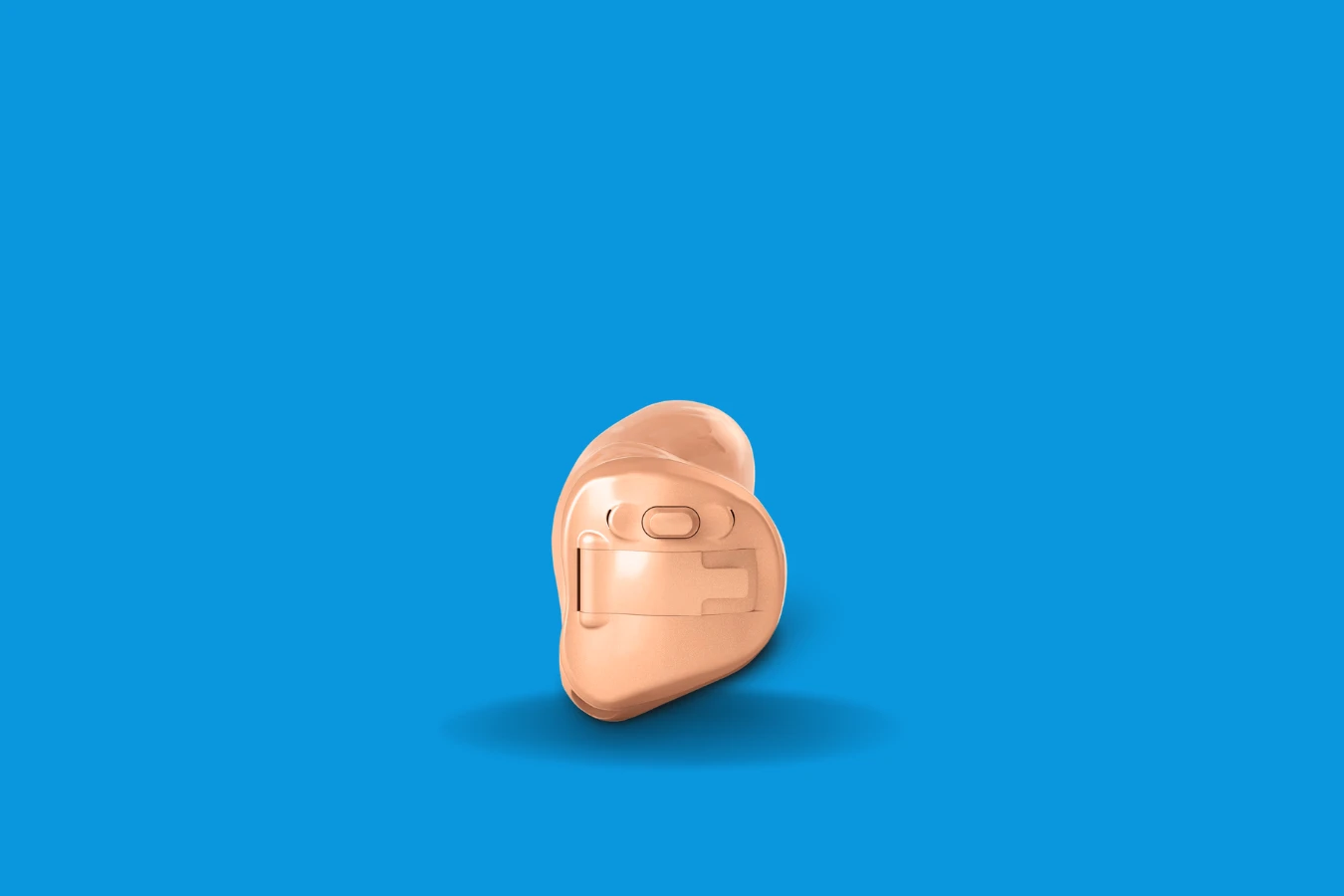
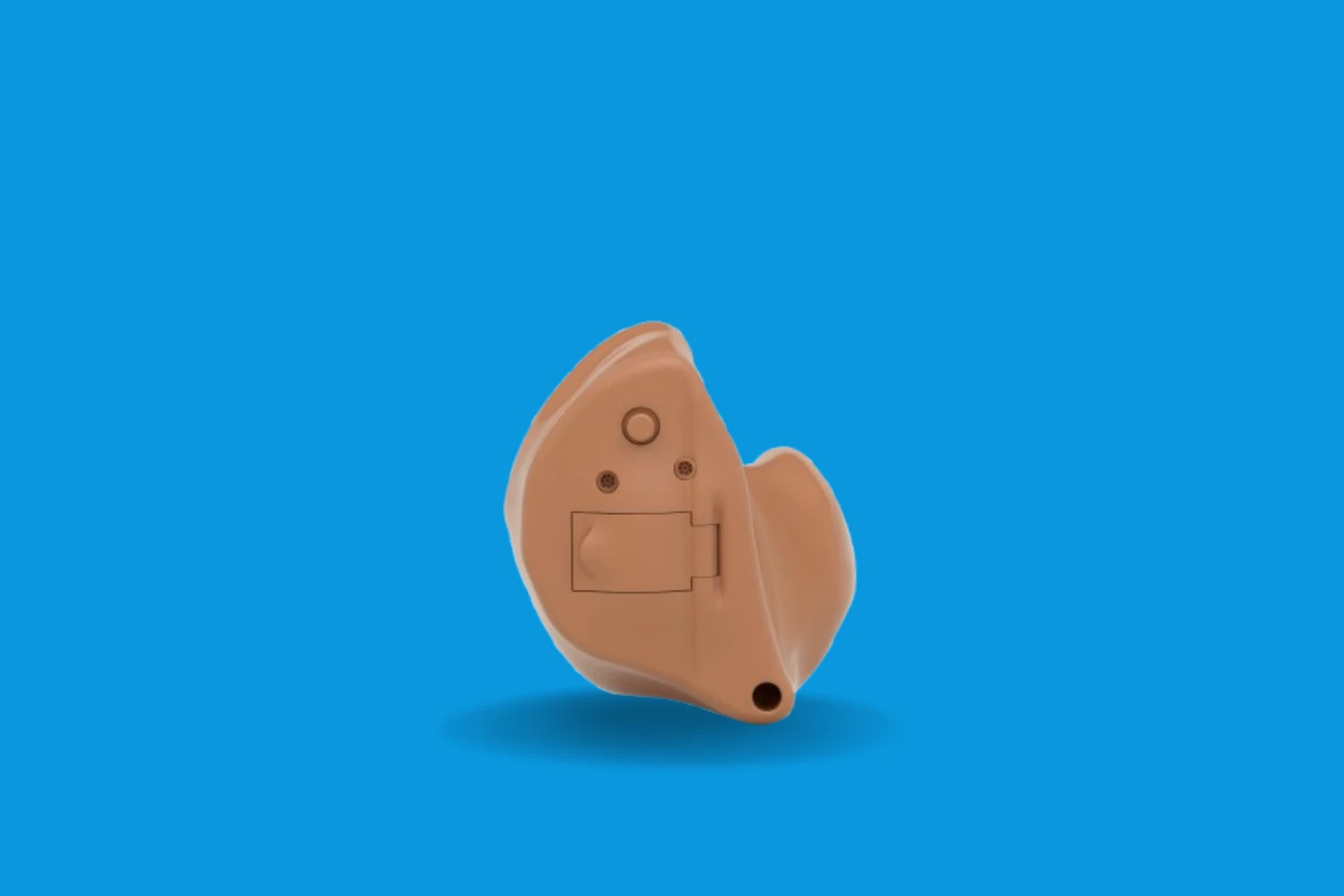
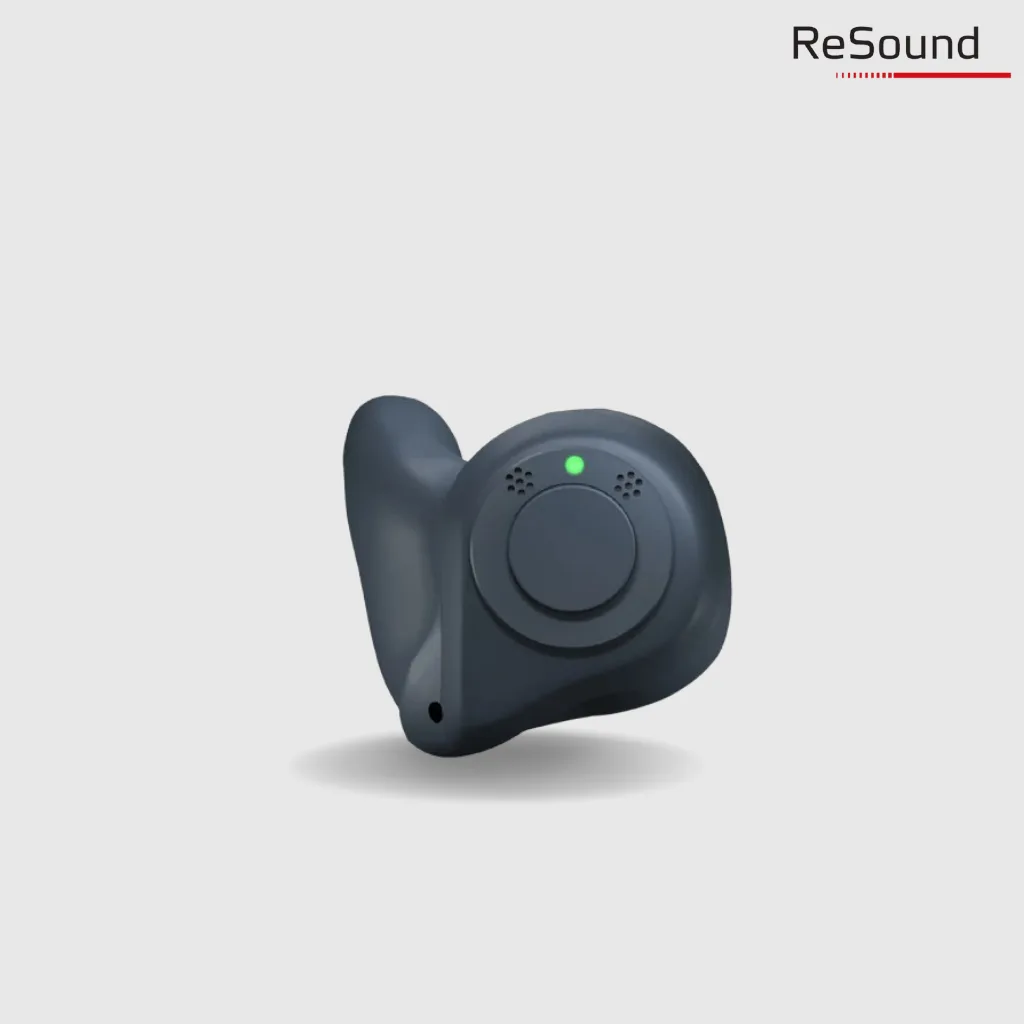
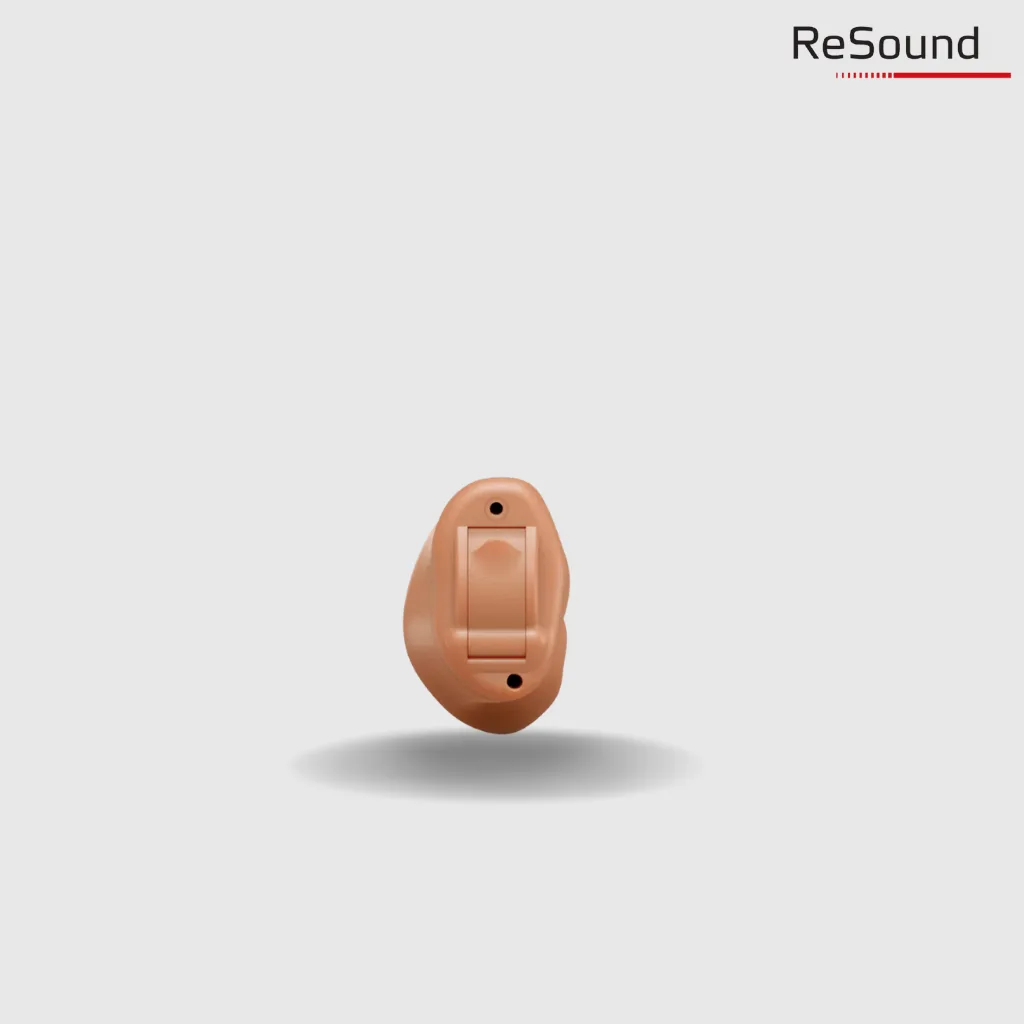
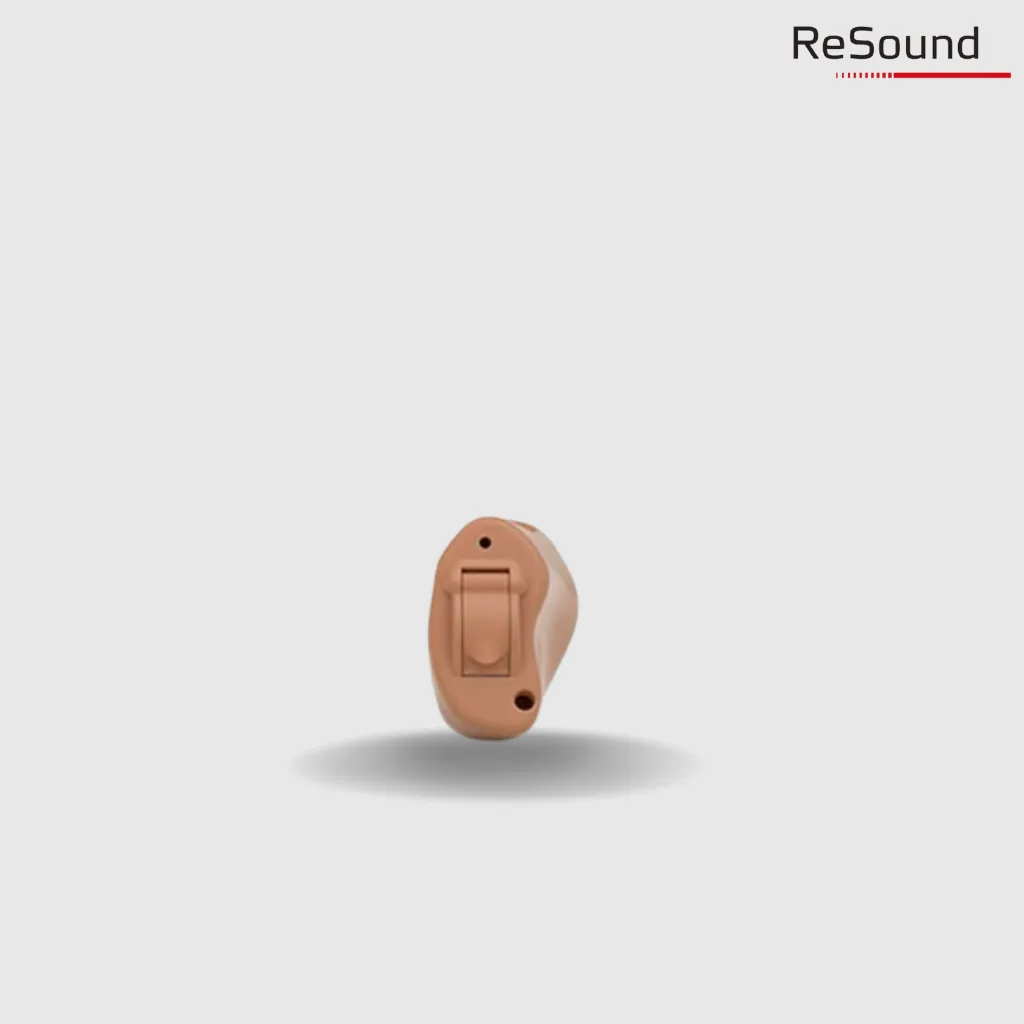
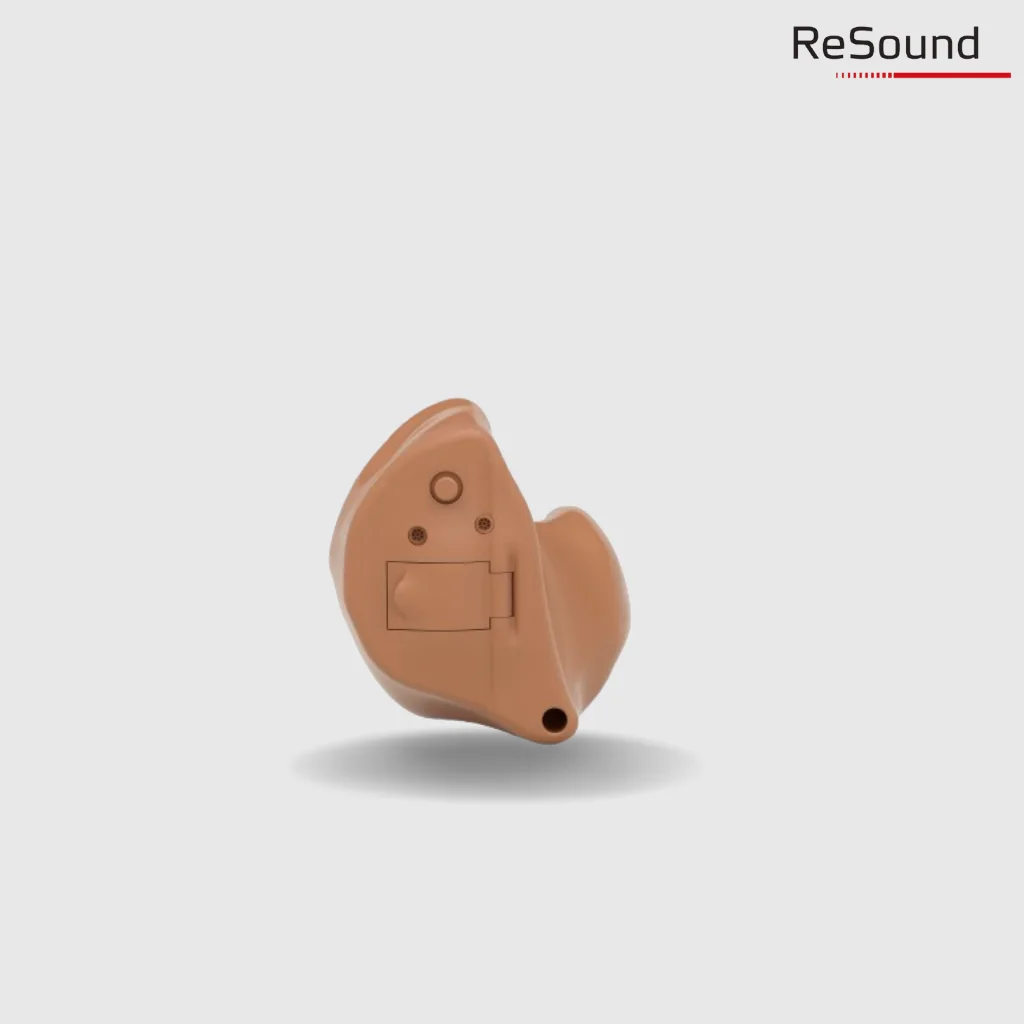
An in-the-ear hearing aid is custom-made to fit inside the outer ear. Since it is a single-piece device, there is no wire or tube behind the ear.
ITE hearing aids may be suitable for seniors who:
- Wear glasses regularly
- Find behind-the-ear devices uncomfortable
- Prefer a custom-made fit
- Want visible, accessible controls
However, very small in-the-canal and completely-in-canal models can be difficult to insert, remove and clean. They also have less room for large batteries and extra features. Therefore, the smallest hearing aid is not always the most senior-friendly option.
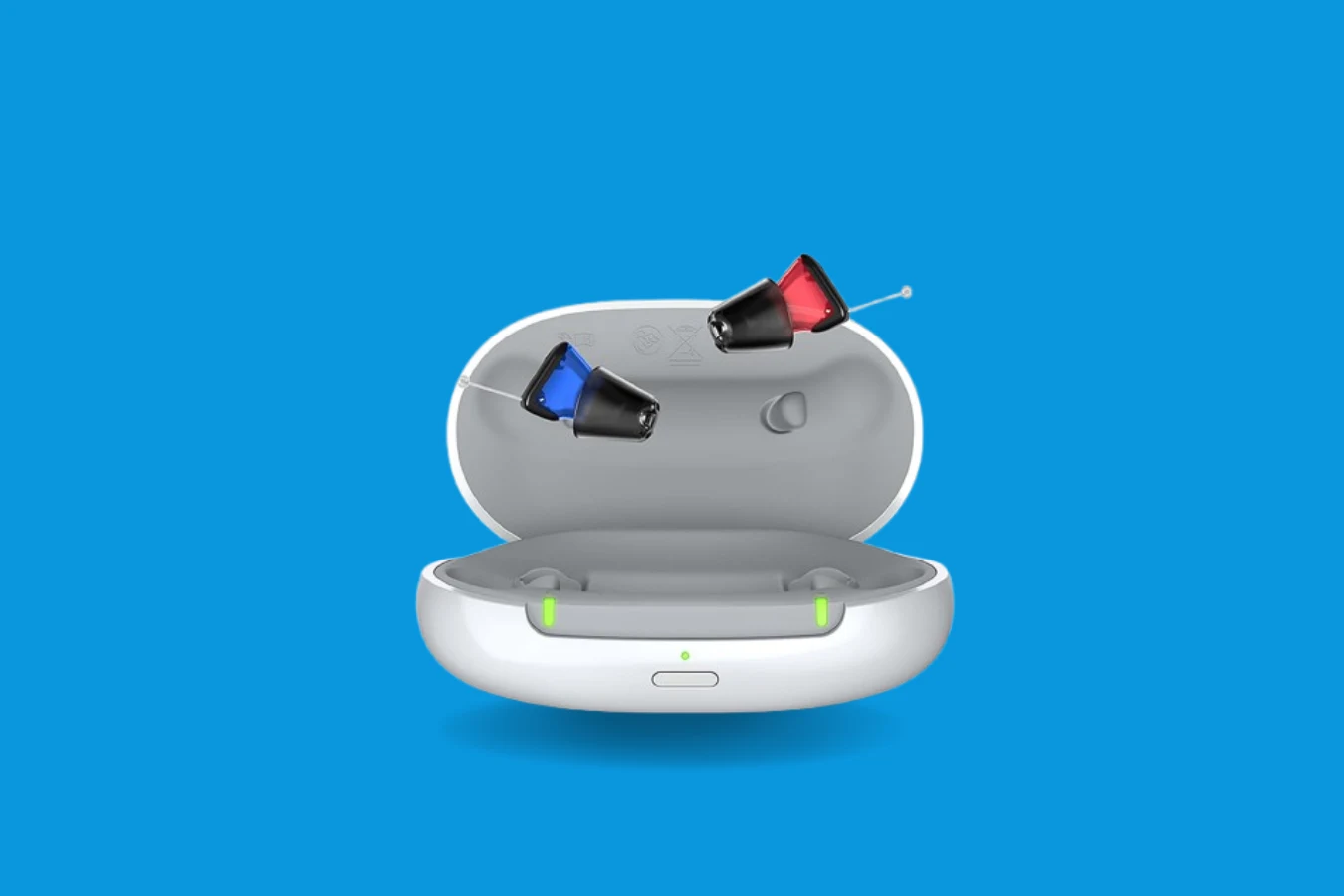
Rechargeable Hearing Aids: Best for Daily Convenience
Changing tiny hearing-aid batteries can be challenging, especially for someone with poor eyesight or reduced hand coordination. Rechargeable hearing aids solve this problem.
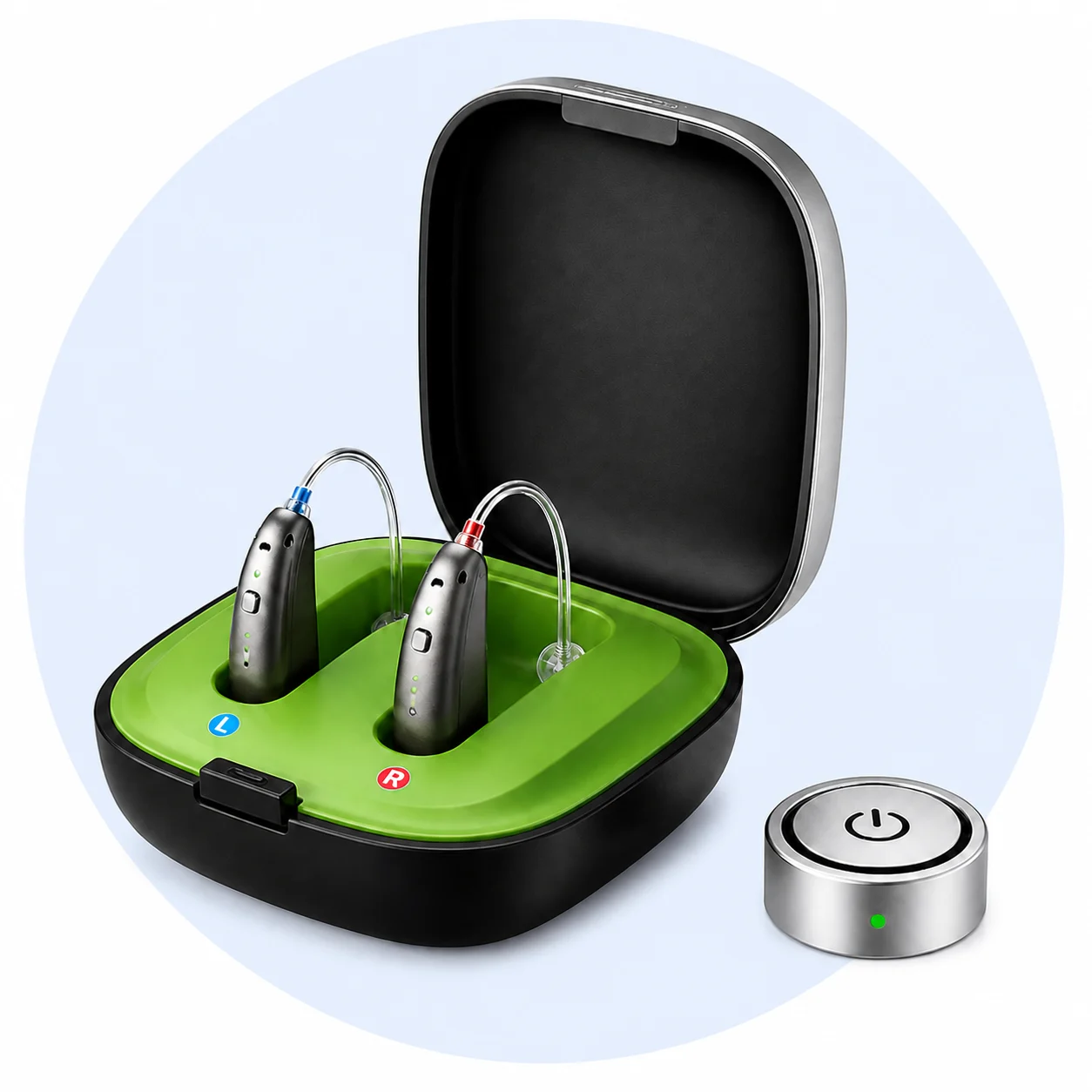
The user simply places the devices in their charging case at night and wears them again the next morning. When comparing rechargeable models, check:
- Battery life on a full charge
- Charging time
- Portable charging availability
- Low-battery alerts
- Battery-replacement policy
- Performance while streaming audio
For most seniors, ease of use is more valuable than having the smallest or most technologically complex device.
5. Essential Features Senior Citizens Should Look For
Background-noise reduction
This feature reduces distracting noise and makes conversations more comfortable in busy places.
Directional microphones
Directional microphones focus on the person speaking in front of the user. Consequently, they can improve speech understanding during social gatherings.
Feedback cancellation
Modern feedback-management systems help prevent the annoying whistling sound associated with older hearing aids.
Large or automatic controls
Automatic listening programs reduce the need to adjust settings manually. If physical controls are included, they should be easy to see and press.
Bluetooth connectivity
Bluetooth can stream phone calls, television audio and music directly to compatible hearing aids. Still, it should be treated as a useful extra—not a substitute for clear everyday hearing.
Telecoil
A telecoil can improve access to compatible telephone and public-loop systems found in some theatres, airports, places of worship and auditoriums.
6. Should Seniors Buy One Hearing Aid or Two?
If hearing loss affects both ears, two hearing aids are usually more helpful than one. Binaural hearing can improve sound direction, balance and speech understanding.
However, the decision should follow a complete hearing assessment. If one ear has significantly poorer hearing, the audiologist may recommend a different solution, such as a CROS system.
Why a Professional Hearing Test Is Essential
Never select a hearing aid based only on age, price or appearance. An audiologist can examine the ears, measure hearing ability and recommend suitable technology.
A professional fitting is particularly important when the senior has:
- Severe or sudden hearing loss
- Significant differences between the ears
- Persistent tinnitus
- Ear pain or discharge
- Repeated ear infections
- Dizziness or balance problems
- Excessive earwax
- Difficulty understanding speech even at high volume
Sudden hearing loss—especially in one ear—requires prompt medical attention. Do not wait for a hearing-aid purchase to address it.


First-Time Hearing Aid User? 9 Essential.
Introduction Wearing hearing aids for the first time can feel exciting, emotional and slightly overwhelming. Everyday sounds—such as birds singing,.
Read More
How to Clean and Maintain Your.
Introduction Your hearing aid helps you stay connected to conversations, relationships, and important moments. However, because the device sits inside.
Read More