

















How to Improve Hearing Naturally: 9 Powerful Ways to Protect Your Hearing Today

Introduction
Have you recently started increasing the television volume, asking people to repeat themselves, or struggling to follow conversations in noisy places? These small changes may indicate that your hearing needs attention.
Many people search for ways to improve hearing naturally. However, it is important to begin with an honest fact: natural remedies cannot usually reverse permanent hearing loss caused by damage to the inner ear. Still, healthy habits can protect your remaining hearing, prevent avoidable damage and make everyday listening easier.
Hearing loss is becoming increasingly common. More than 1.5 billion people worldwide experience some degree of hearing loss, and that figure could reach 2.5 billion by 2050, according to the World Health Organization.
Fortunately, you can start caring for your ears today. Here are nine safe, practical and natural ways to support better hearing health.
1. Protect Your Ears from Loud Sounds
Reducing noise exposure is one of the most effective ways to protect hearing naturally. Long or repeated exposure to sounds at or above 85 decibels can damage the delicate sensory cells inside your ears. Once these cells are permanently damaged, they generally do not grow back.
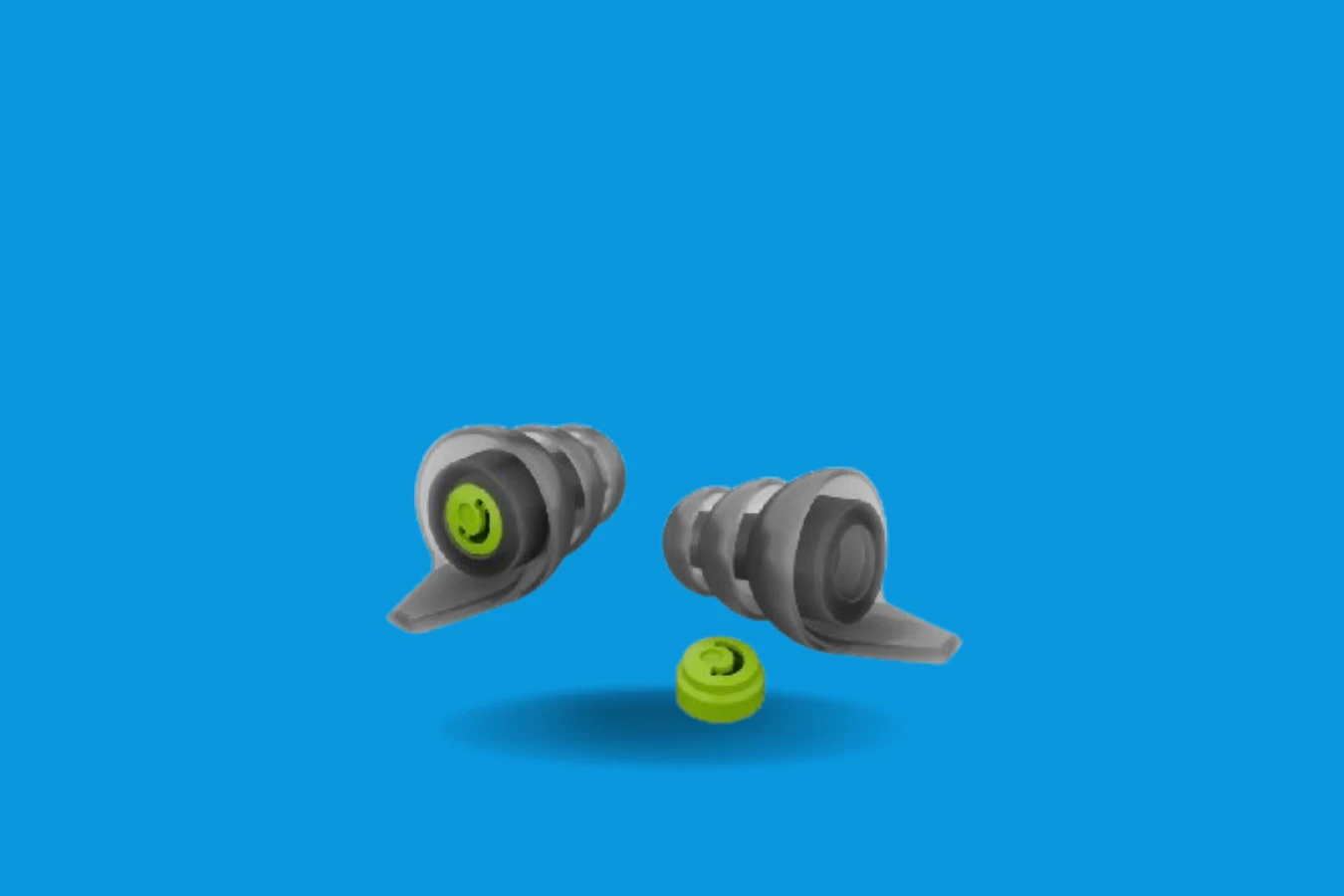
Use earplugs or protective earmuffs when attending concerts, operating machinery, watching fireworks or working in noisy environments. If you must shout to speak with someone nearby, the surroundings may be dangerously loud.
Moving away from the noise source and taking regular quiet breaks can also reduce your exposure. The CDC’s hearing-loss prevention guidance recommends lowering the volume, avoiding noisy places when possible and wearing appropriate hearing protection.
2. Follow Safe Listening Habits
Headphones and earbuds make entertainment convenient, but excessive volume can gradually affect your hearing.
Keep the volume at a comfortable level rather than trying to block background noise by turning it up. In noisy environments, consider using well-fitted noise-cancelling headphones. They can help you hear clearly without dramatically increasing the volume.
Additionally, give your ears short periods of silence throughout the day. The louder the sound, the less time you should spend listening to it. Remember that hearing damage can develop slowly without pain or immediate warning signs.
3. Exercise Regularly
You may wonder, “Can exercise improve hearing naturally?” Exercise cannot repair damaged inner-ear cells, but it supports overall circulation and cardiovascular health.
Walking, cycling, swimming or performing another moderate activity helps maintain healthy blood flow throughout the body, including the structures involved in hearing. Aim for regular physical activity that suits your fitness level and medical condition.
Exercise can also help manage conditions such as high blood pressure and diabetes, which the CDC identifies as potential risk factors for noise-related hearing problems.
4. Eat a Balanced, Nutrient-Rich Diet
No single food can restore hearing overnight. Nevertheless, nutritious eating supports the blood vessels, nerves and tissues involved in hearing.
Build your meals around:
- Leafy vegetables and colourful fruits
- Whole grains
- Beans, lentils, nuts and seeds
- Lean protein
- Fish containing omega-3 fatty acids
- Healthy, unsaturated fats
Nutrients such as magnesium, potassium, folate, zinc and vitamins B12, C and D contribute to general health. However, supplements should not replace a balanced diet or professional treatment. Speak with a doctor before taking high-dose supplements, especially if you use regular medication.
5. Manage Blood Pressure and Blood Sugar
Your ears rely on an adequate blood supply. Therefore, conditions that affect circulation may also influence hearing health.
Have your blood pressure, cholesterol and blood sugar checked regularly. Follow your doctor’s recommendations, remain physically active, avoid smoking and choose heart-healthy meals.
These habits will not cure permanent hearing loss, but they may help reduce additional health risks and protect your long-term quality of life.
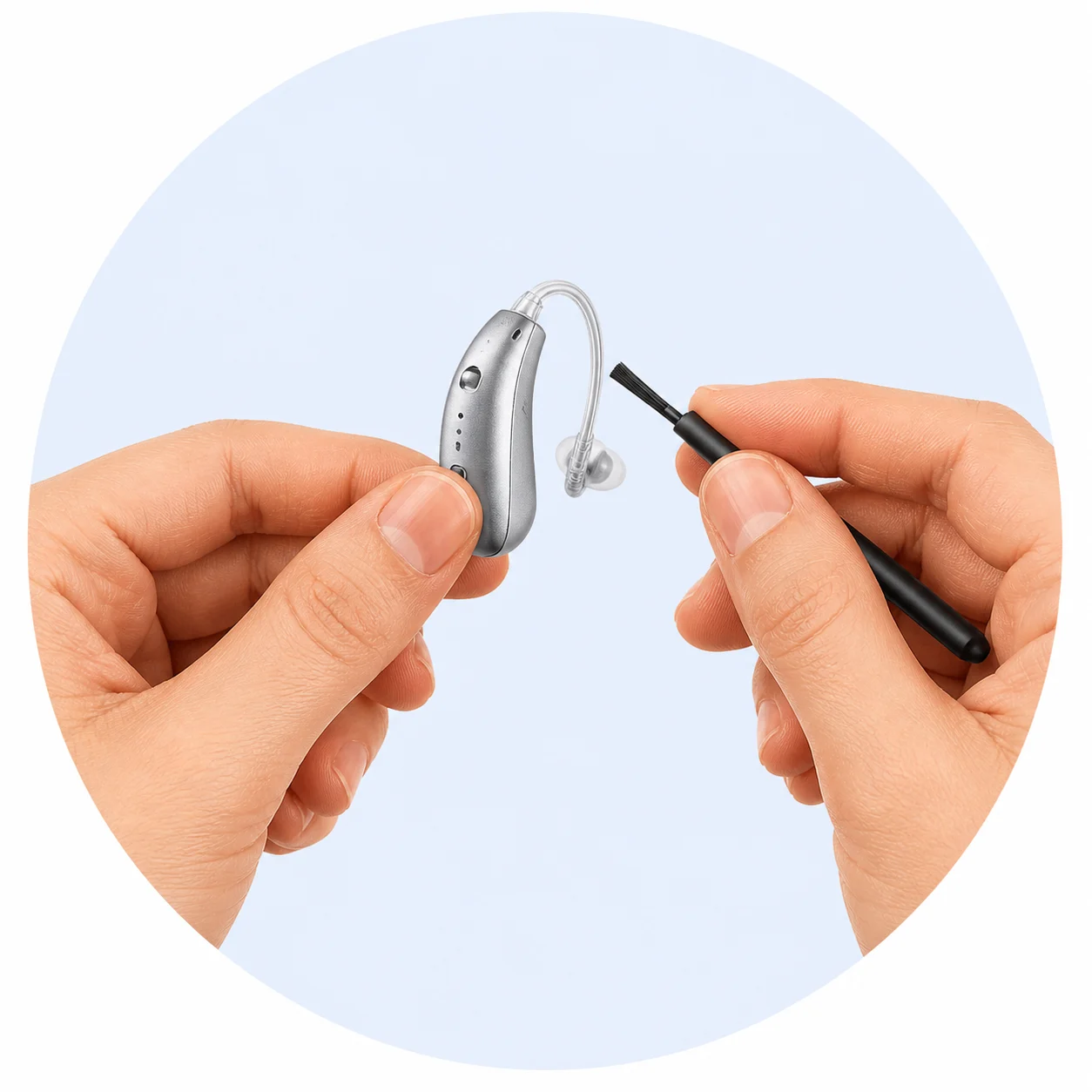
6. Keep Your Ears Clean—Safely
A buildup of earwax can block sound and create temporary hearing difficulty. In these cases, professional wax removal may improve hearing significantly.
However, never push cotton buds, hairpins or other objects into the ear canal. They can move wax deeper, injure the skin or damage the eardrum. Ear candling is not a safe alternative either; the FDA states that there is no validated evidence supporting its effectiveness and warns that it can cause burns and ear injuries.
If your ear feels blocked, consult a doctor, ENT specialist or qualified hearing-care professional. They can determine whether wax, infection or another condition is causing the problem.
7. Avoid Smoking and Limit Harmful Exposure
Smoking can negatively affect blood circulation, while second-hand smoke may also contribute to wider health risks. Quitting smoking benefits your cardiovascular system and may support long-term ear health.
At work, you should also be cautious around loud equipment and certain industrial chemicals. Follow occupational safety instructions and use correctly fitted hearing protection rather than ordinary earbuds.
8. Train Your Brain to Listen More Effectively
Hearing involves both the ears and the brain. Although auditory exercises cannot repair damaged sensory cells, they may help you practise attention and speech recognition.
Try listening to audiobooks at a comfortable volume, identifying everyday sounds or following conversations in progressively busier environments. Reduce background noise, face the person speaking and ask them to speak clearly rather than simply louder.
People using hearing aids may also benefit from guided auditory training recommended by an audiologist.
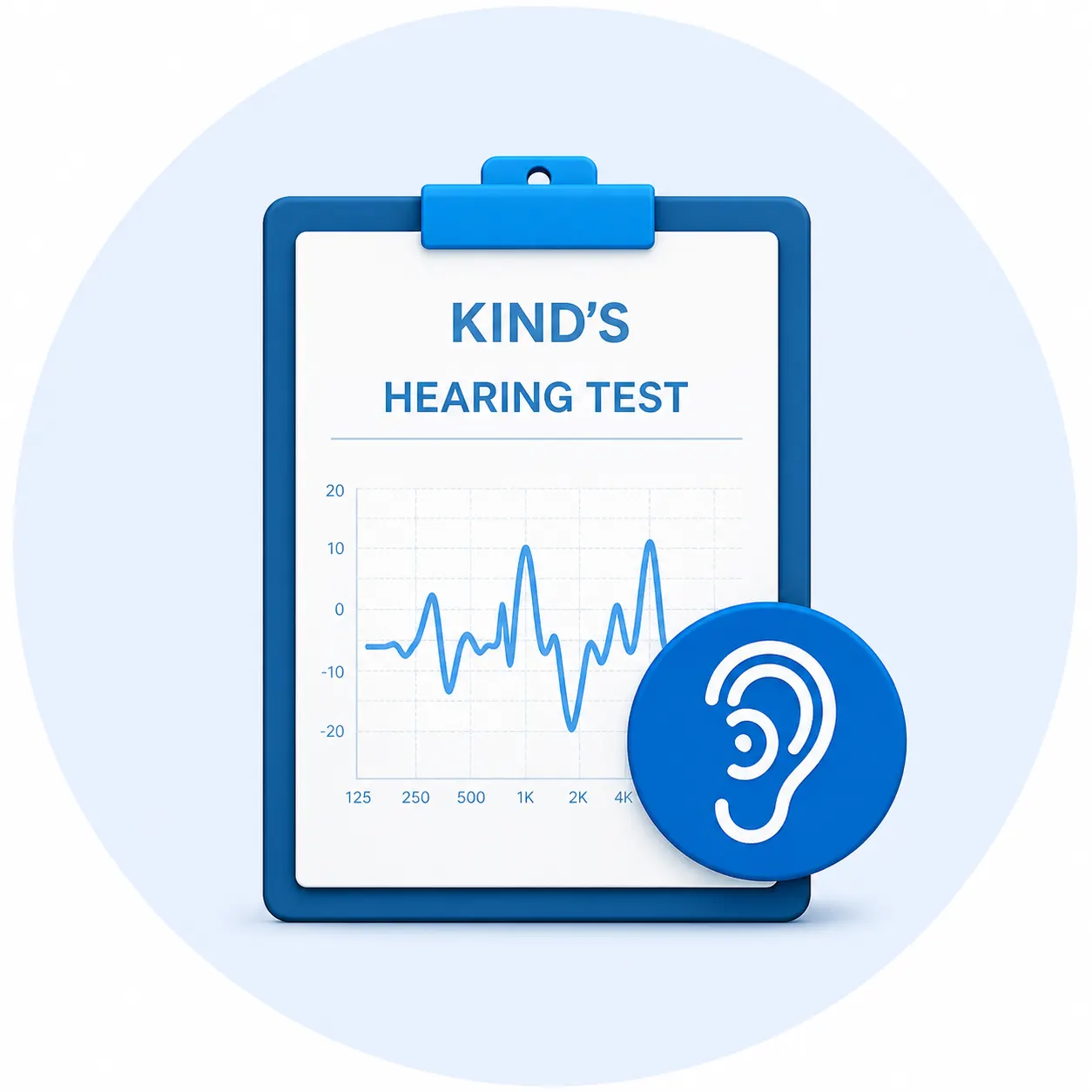
9. Schedule a Professional Hearing Test
One of the smartest ways to improve your hearing experience is to discover exactly what is causing the difficulty.
A hearing assessment can identify:
- Earwax blockage
- Ear infections
- Noise-induced hearing loss
- Age-related hearing changes
- Differences between the two ears
- Possible need for hearing aids or other support
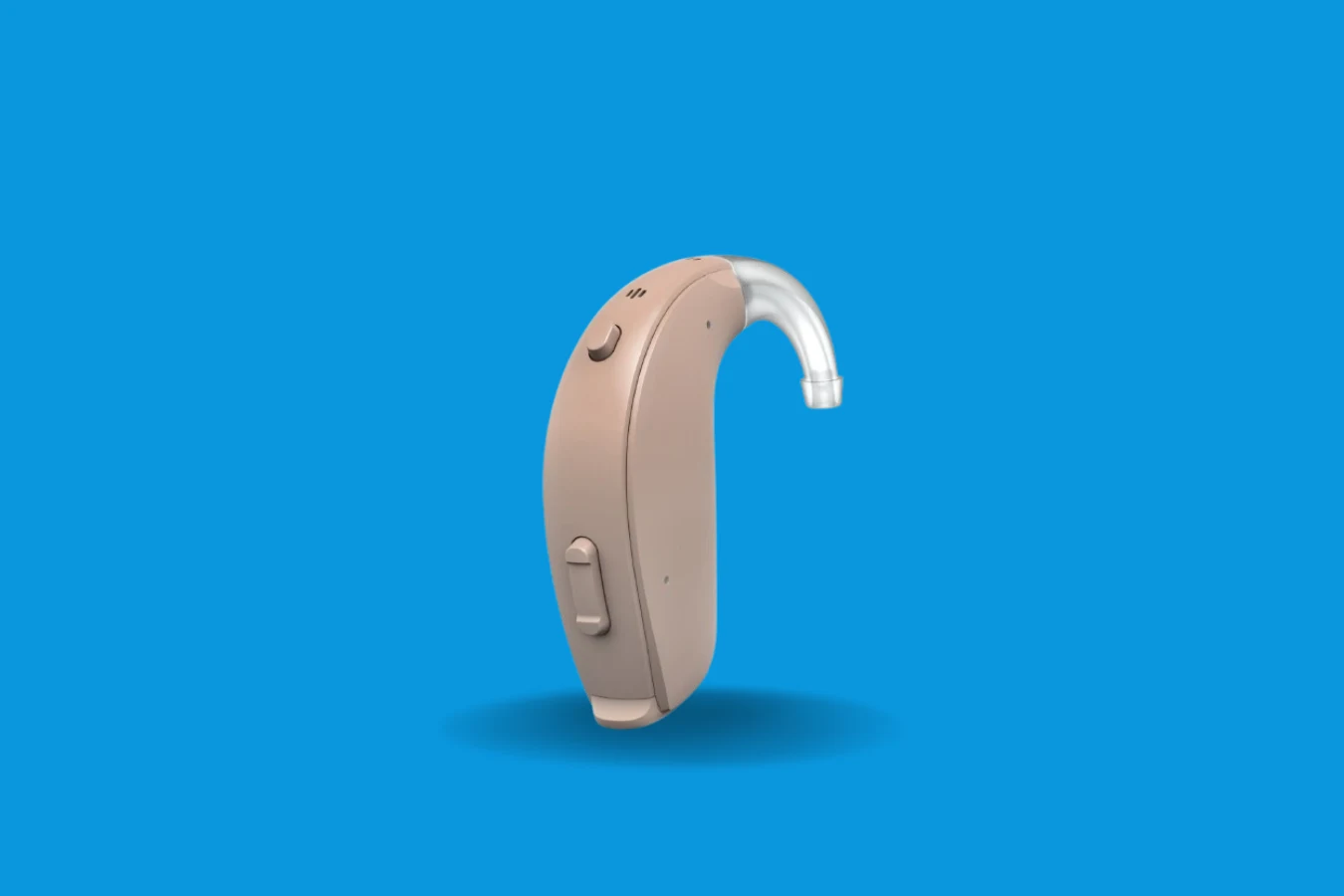
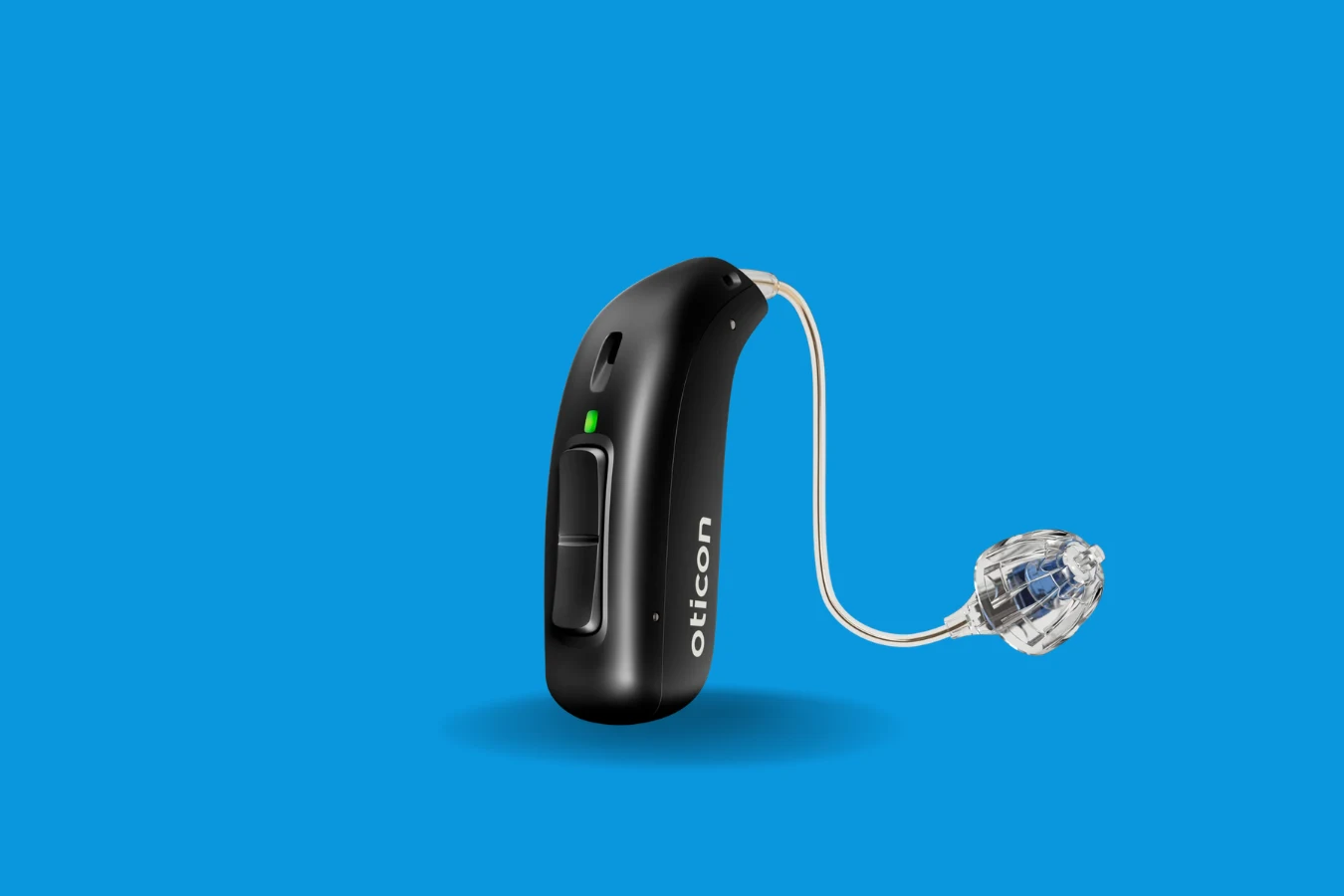
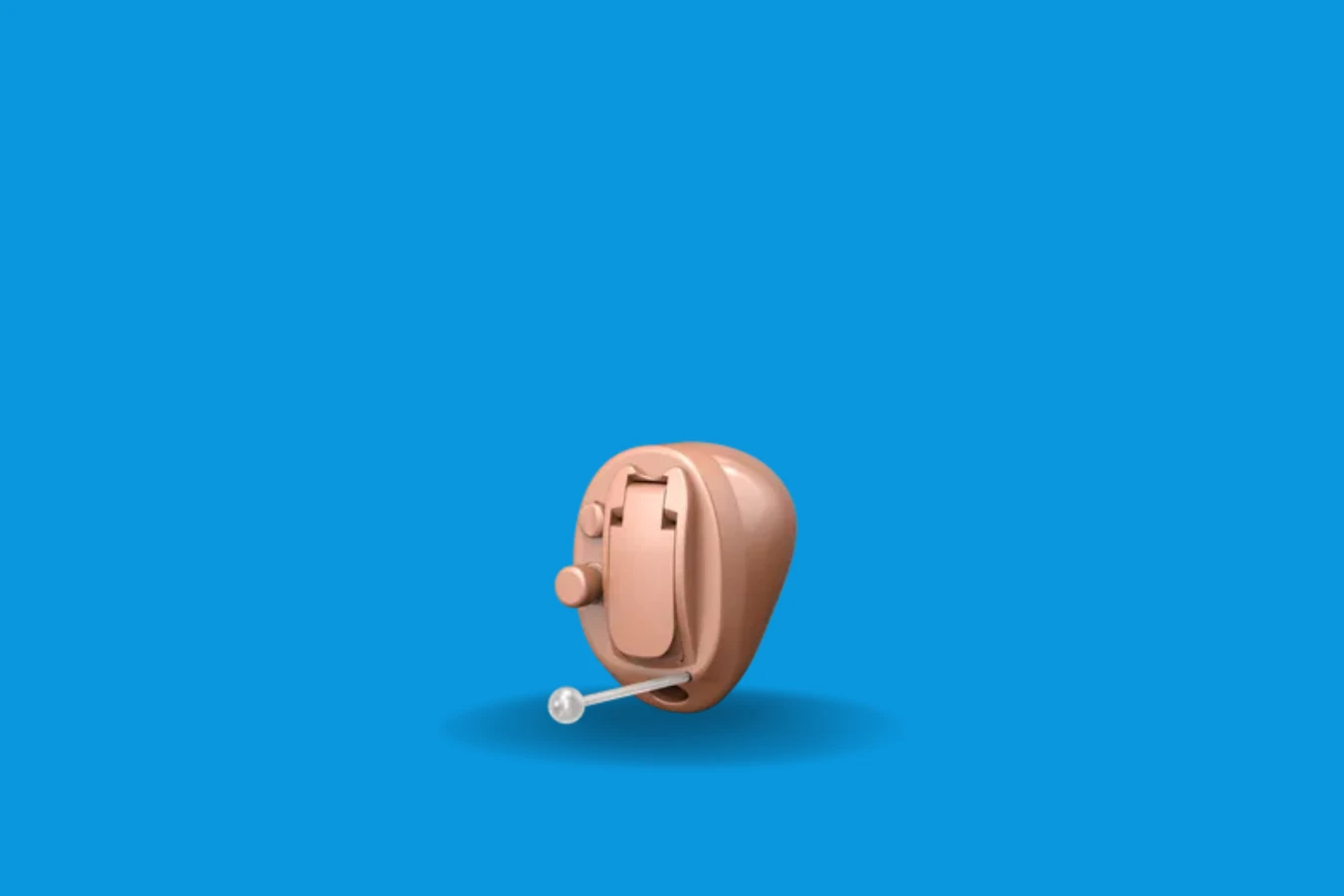
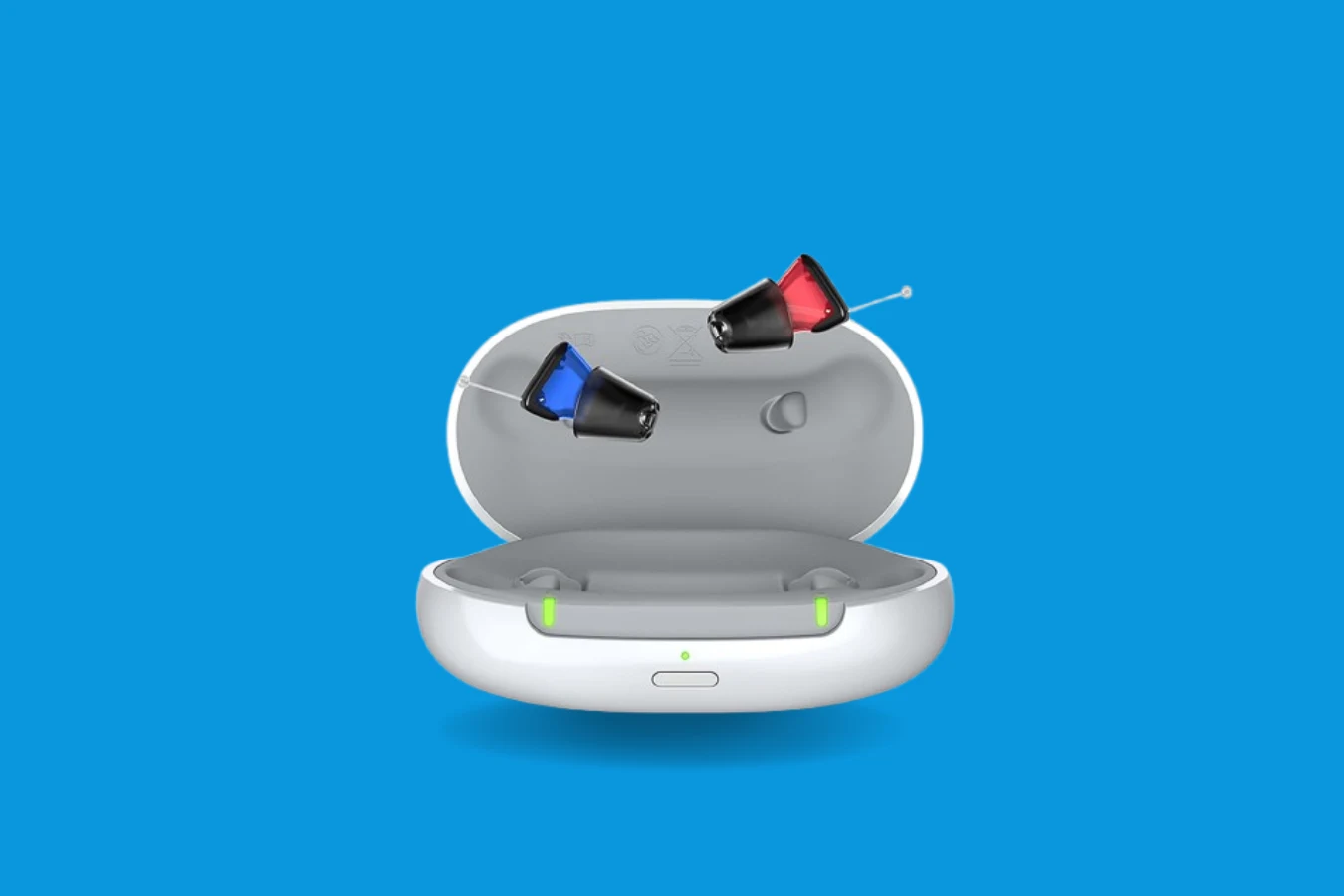
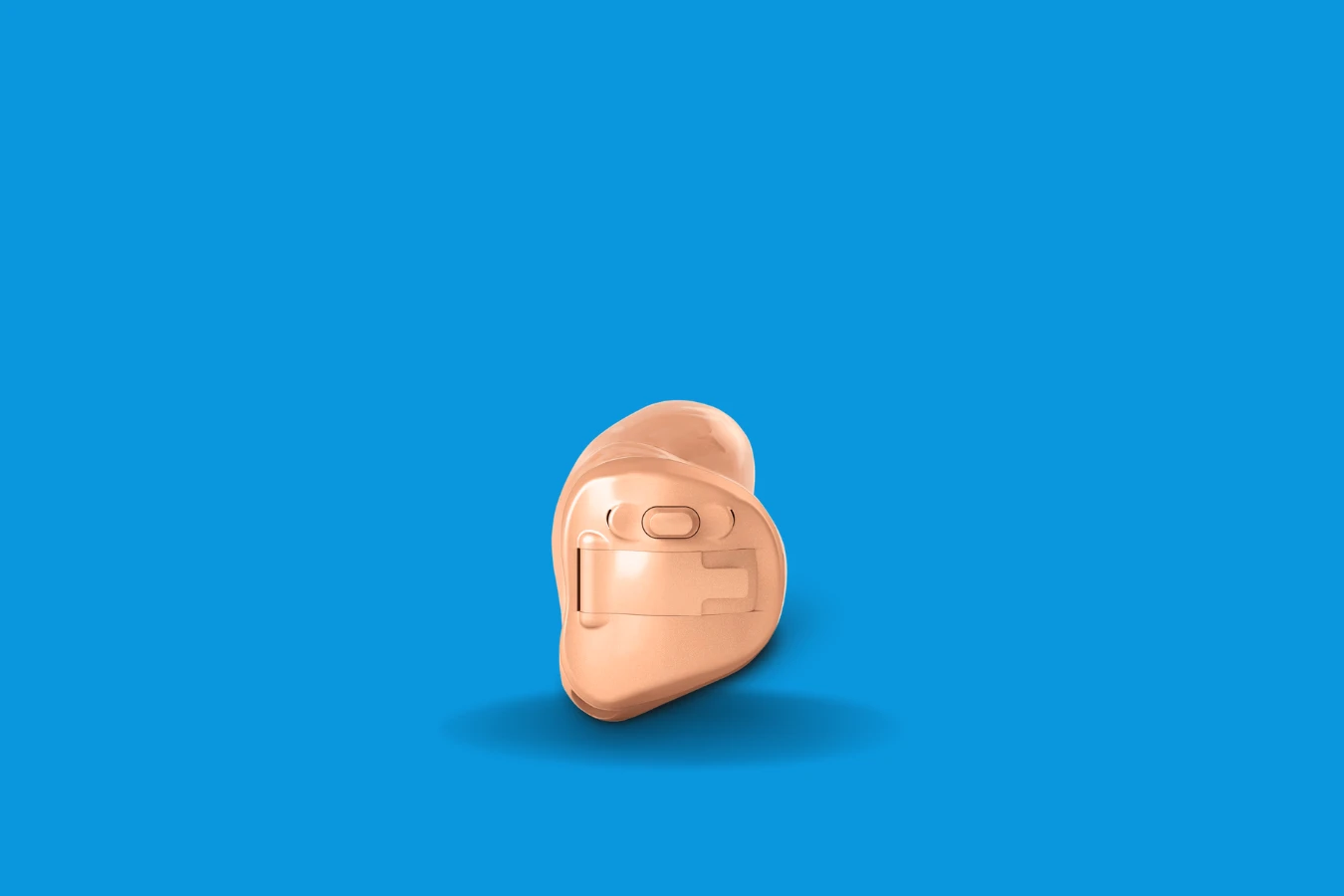
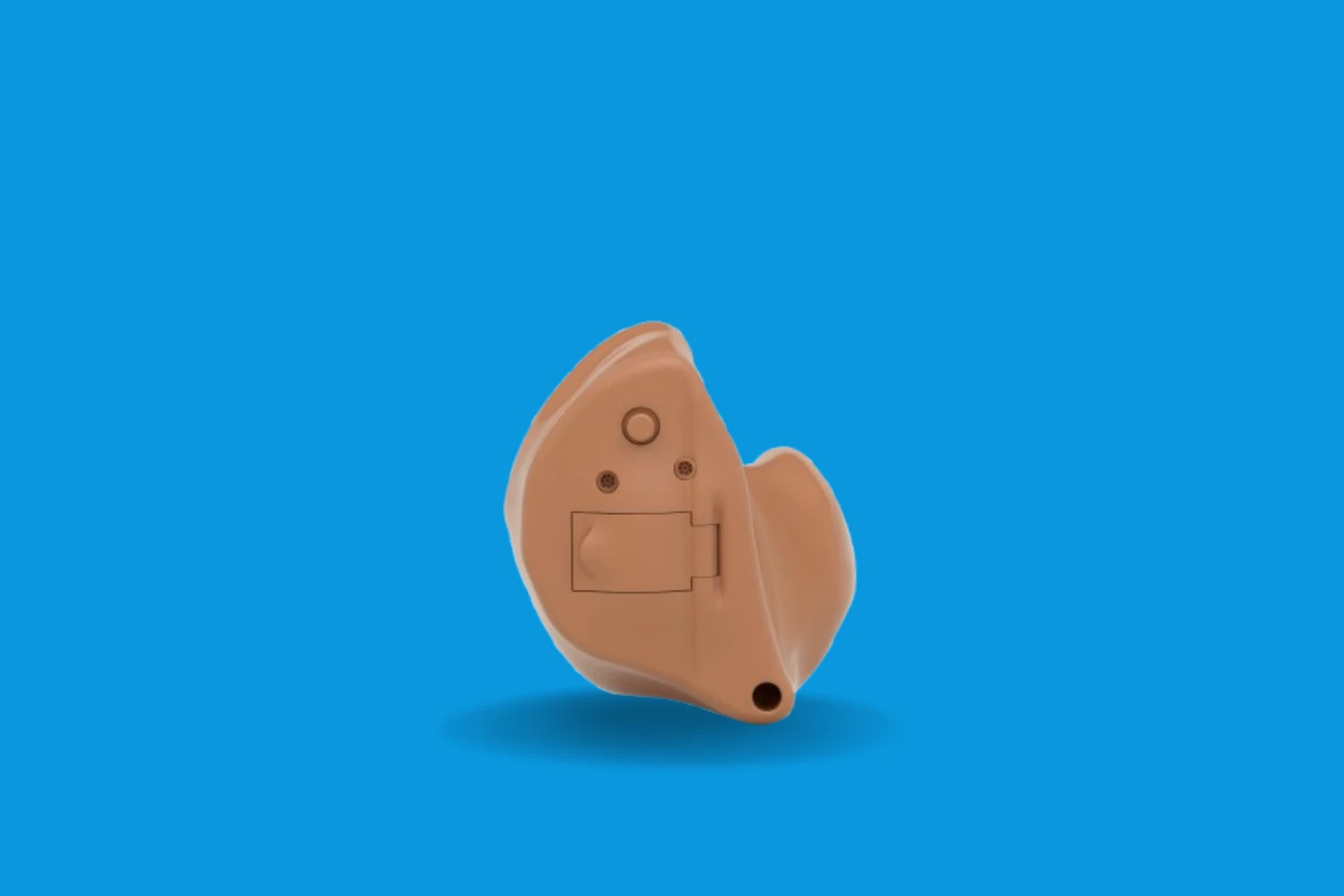
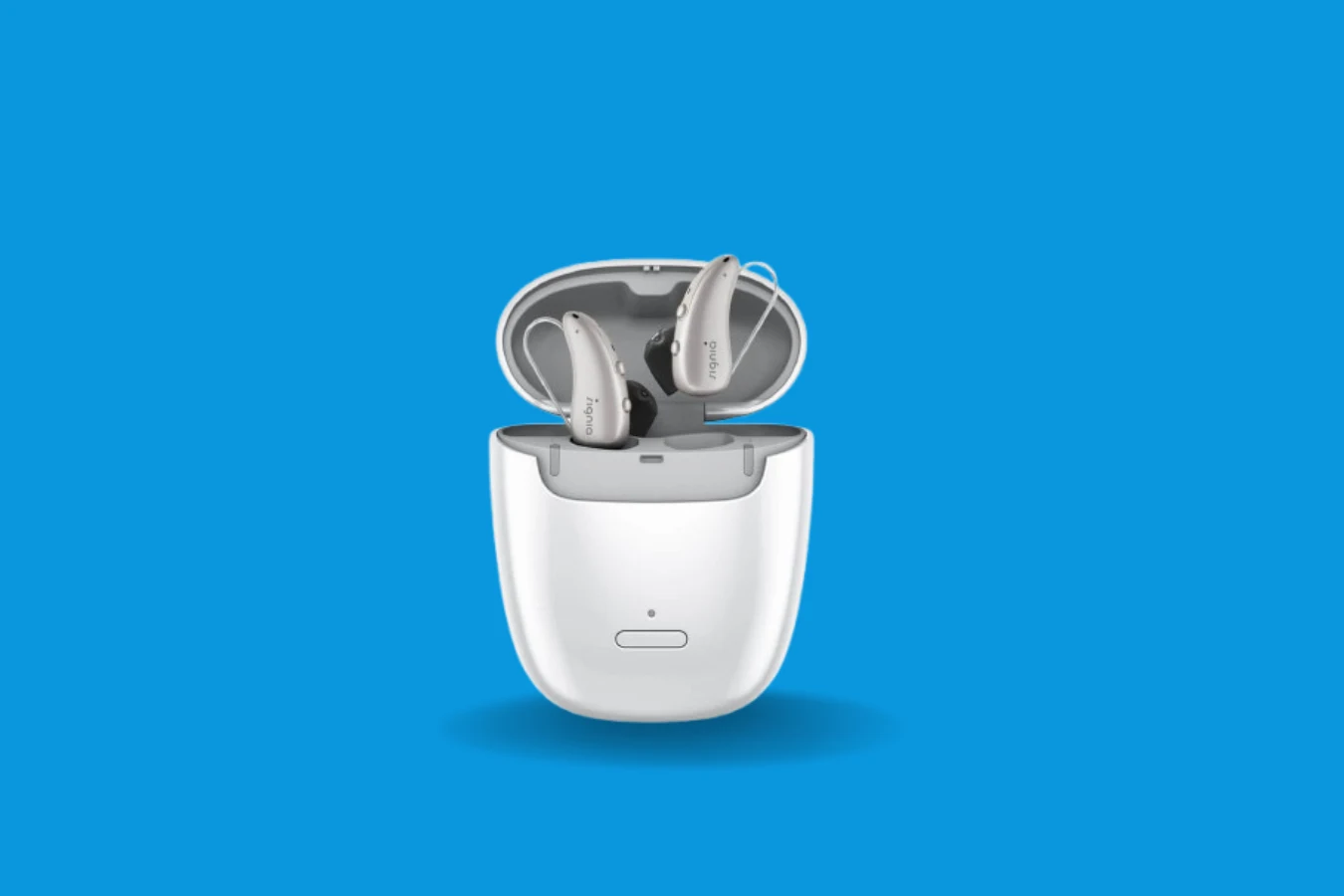
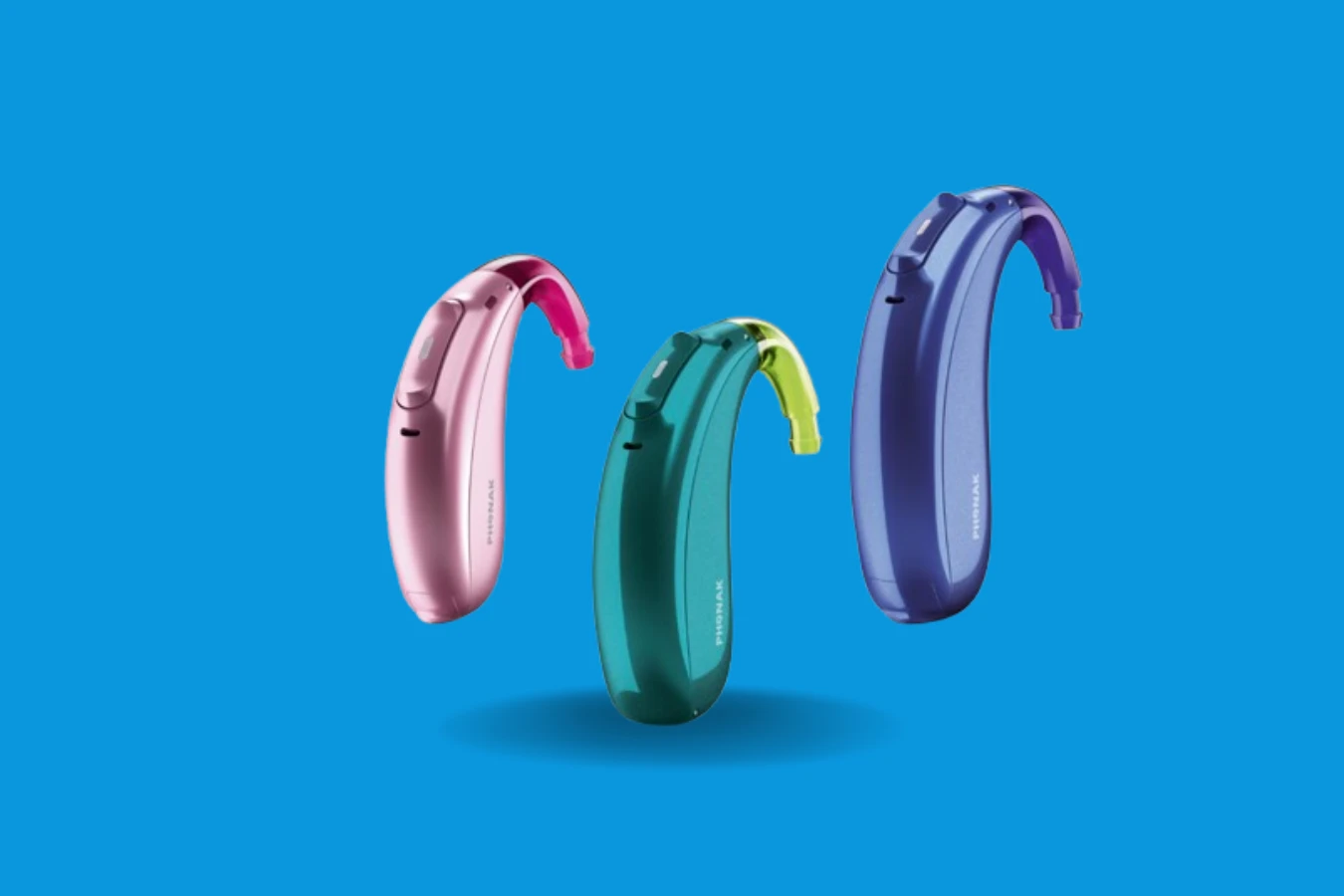
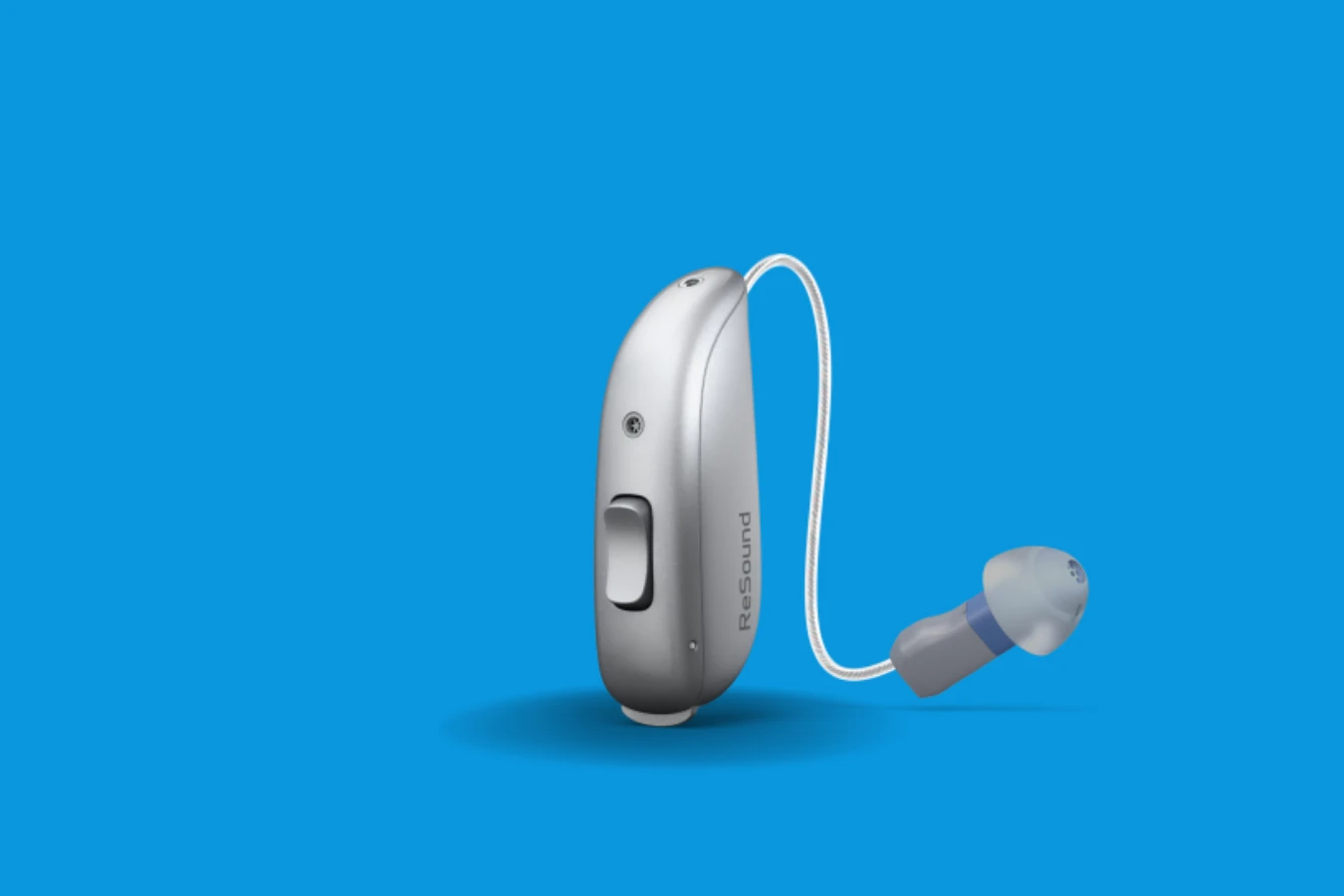
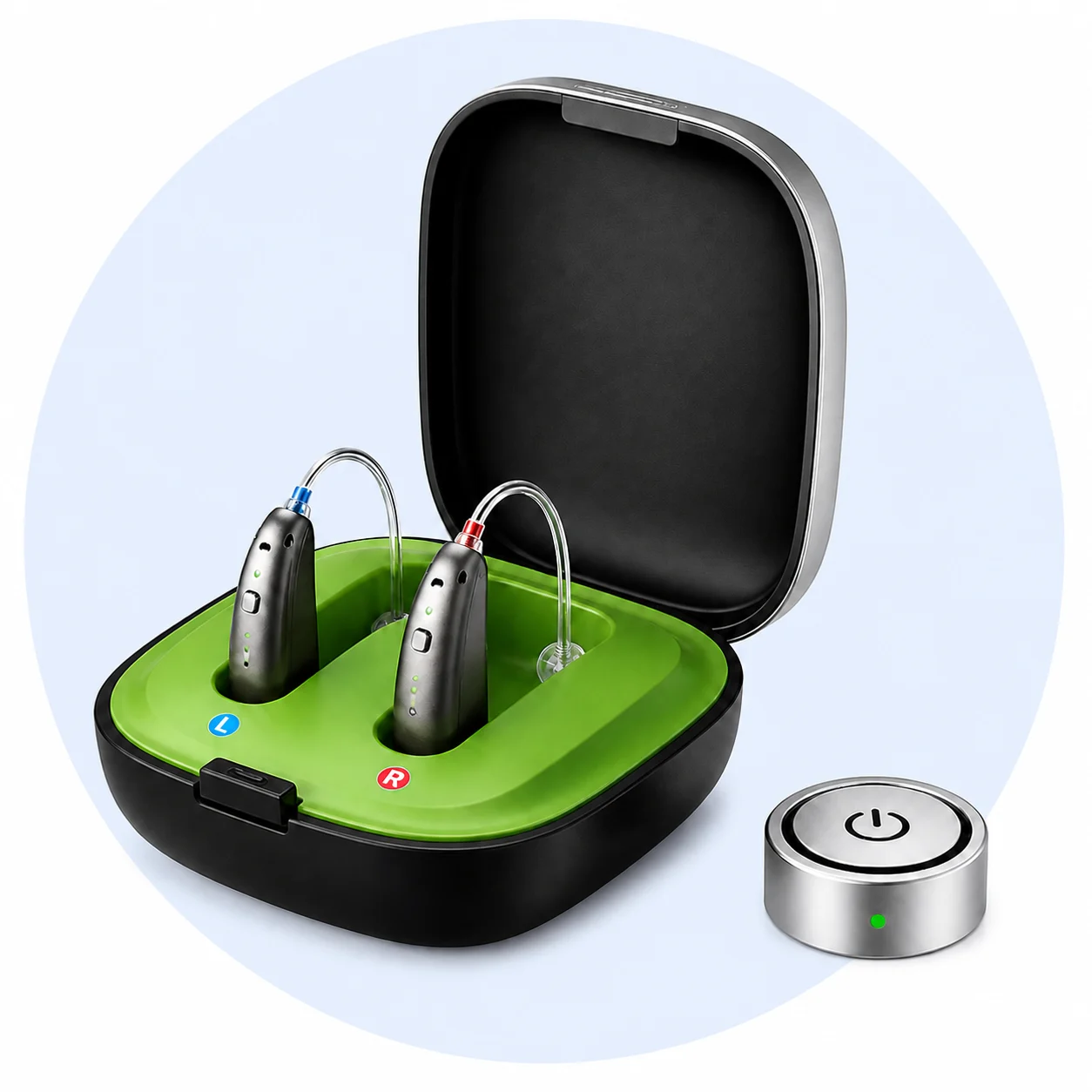
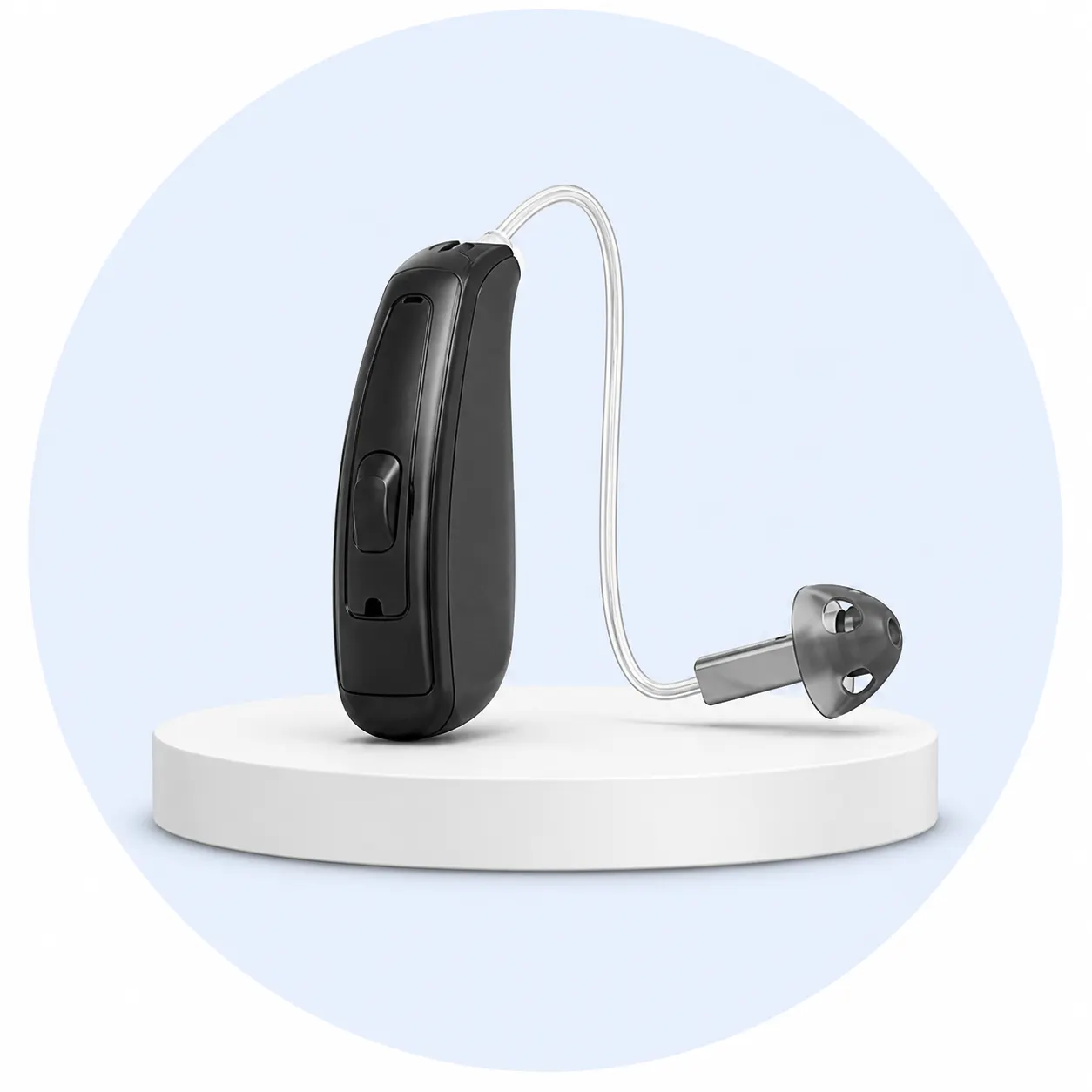
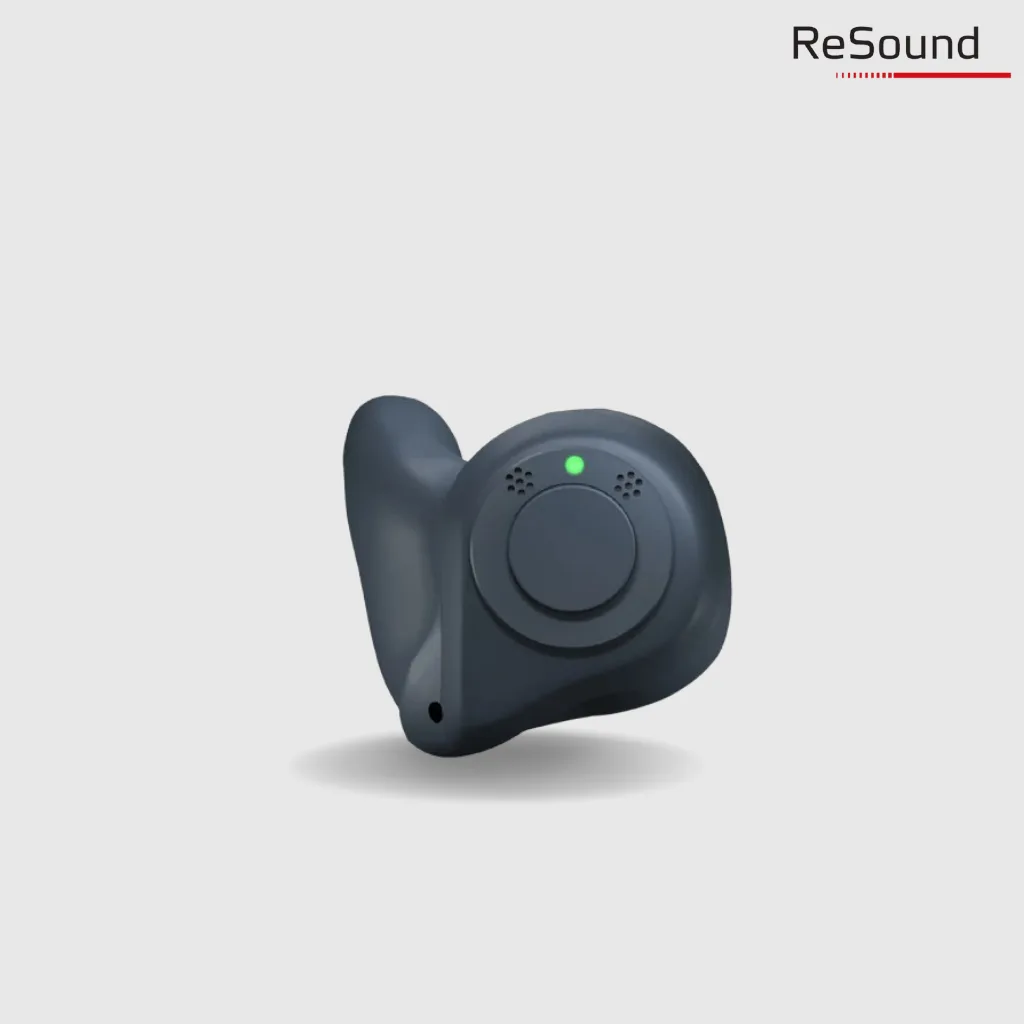
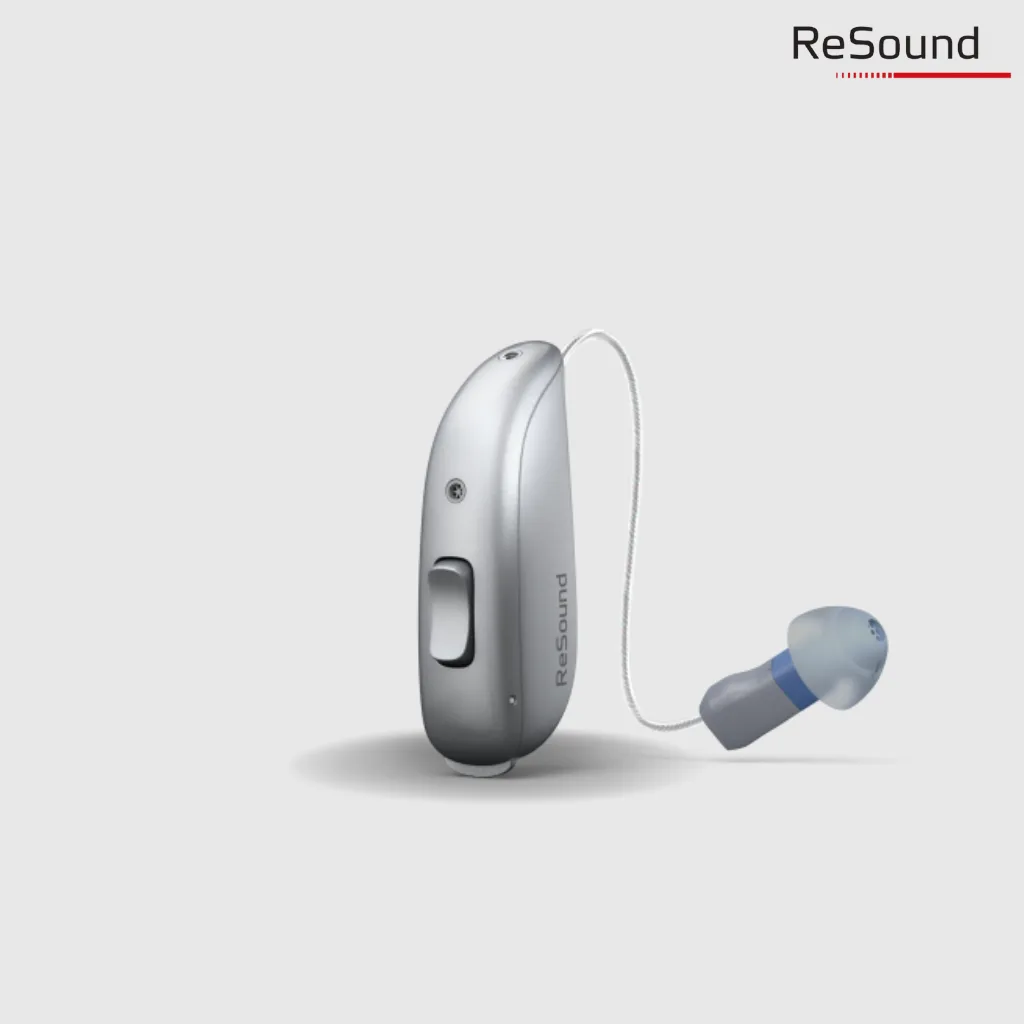
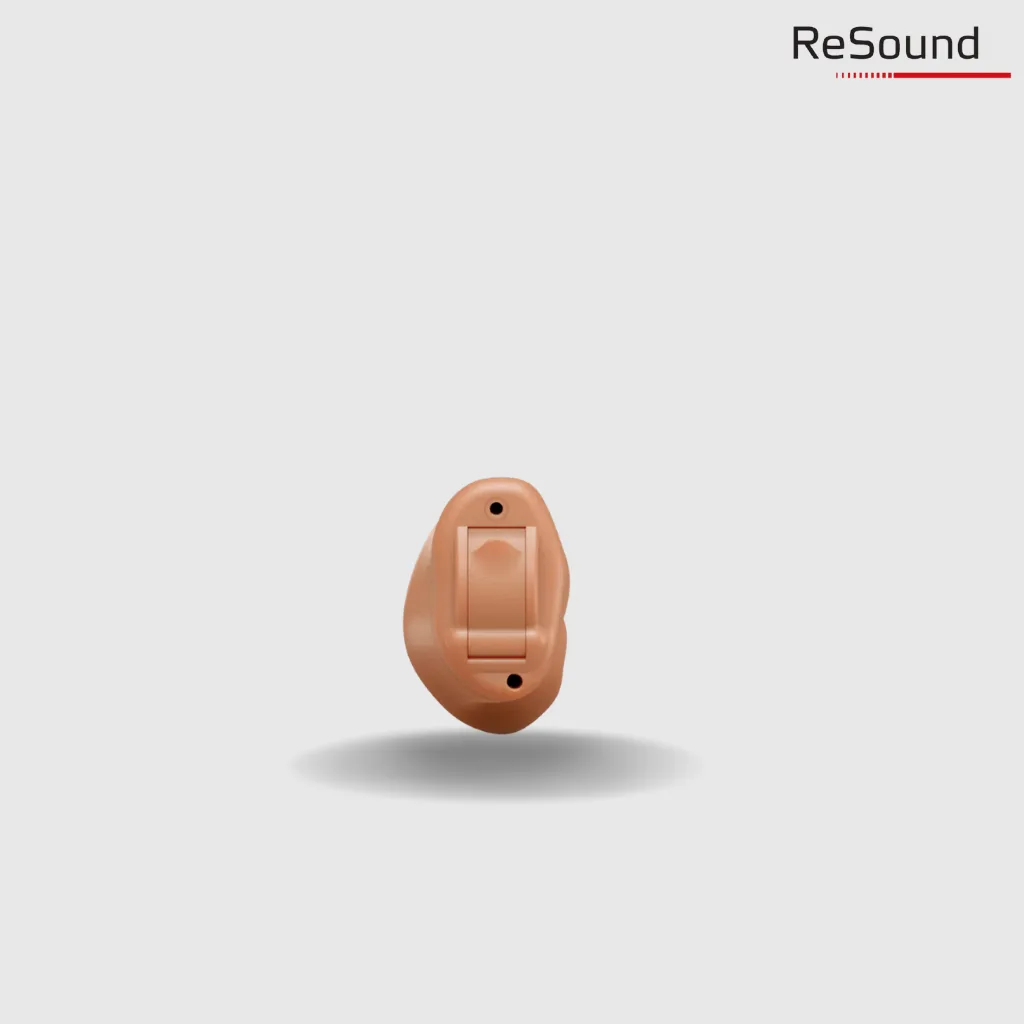
Modern hearing aids cannot restore normal hearing, but they can improve access to sounds and speech for many people with sensorineural hearing loss, according to the National Institute on Deafness and Other Communication Disorders.
Frequently Asked Questions
Can hearing loss be reversed naturally?
Permanent inner-ear or age-related hearing loss cannot usually be reversed through food, exercises, herbs or home remedies. However, hearing affected by treatable causes such as excess wax or an infection may improve after appropriate medical care.
Do vitamins improve hearing?
Vitamins support overall health, but there is no universal supplement proven to restore permanent hearing loss. Take supplements only when a healthcare professional identifies a need.
Can yoga or breathing exercises restore hearing?
Yoga and breathing exercises may reduce stress and support general wellness, but they do not regenerate damaged inner-ear cells. They should complement—not replace—hearing tests and evidence-based care.
When should I see a hearing specialist?
Arrange an assessment if you frequently miss words, increase device volumes, experience ringing or struggle in conversations. Seek urgent medical care for sudden hearing loss in one or both ears, because prompt treatment may be essential.
Conclusion
Learning how to improve hearing naturally begins with realistic expectations. You may not be able to reverse permanent damage with a home remedy, but you can take meaningful action to protect the hearing you have.
Lower the volume, limit exposure to loud environments, stay active, eat well and keep health conditions under control. Most importantly, do not ignore noticeable changes. An early hearing assessment can uncover treatable problems and connect you with effective solutions before communication becomes more difficult.
Your hearing keeps you connected to conversations, relationships and the sounds you love. Start protecting it today.


First-Time Hearing Aid User? 9 Essential.
Introduction Wearing hearing aids for the first time can feel exciting, emotional and slightly overwhelming. Everyday sounds—such as birds singing,.
Read More
9 Common Causes of Hearing Loss.
Introduction Have you started increasing the television volume, asking people to repeat themselves, or struggling to follow conversations in busy.
Read More