


















How Long Does a Hearing Aid Really Last? 7 Truths That Could Save You Thousands

Introduction
If you have just invested in a hearing aid — or you are about to — one question probably keeps surfacing in your mind: how long will it actually last? It is a fair question. A quality hearing aid is not a small purchase, and knowing its realistic lifespan helps you budget wisely, avoid unpleasant surprises, and get genuine value from every rupee spent.
Here is the short answer: most prescription hearing aids last between 3 and 7 years, with many users reporting excellent performance well beyond that window. However, the real answer is more nuanced, and it depends on the type of device, how well you maintain it, and how rapidly hearing technology evolves. In this guide, we break down exactly what determines your hearing aid’s lifespan, the warning signs that replacement is near, and proven strategies to make your device last longer. By the end, you will know precisely what to expect — and how to protect your investment.
The Average Lifespan of a Hearing Aid: What the Numbers Say
On average, a well-maintained hearing aid functions reliably for 3 to 7 years, with many hearing care professionals citing the five-year mark as a practical checkpoint to evaluate whether an upgrade makes sense. This range exists because hearing aids are compact, sophisticated electronic devices packed with microphones, processors, and receivers that must work in perfect harmony every single day, often in challenging conditions like humidity, sweat, and earwax exposure.
Importantly, lifespan does not mean your device stops working abruptly. Instead, performance gradually declines as internal components wear down, batteries lose efficiency, and sound processing becomes less precise. Recognising this gradual shift early can help you plan a replacement before your hearing quality — and your daily communication — starts to suffer.
Does the Type of Hearing Aid Change How Long It Lasts?
Absolutely, and this is one of the most overlooked factors. The style of your hearing aid directly influences its durability:
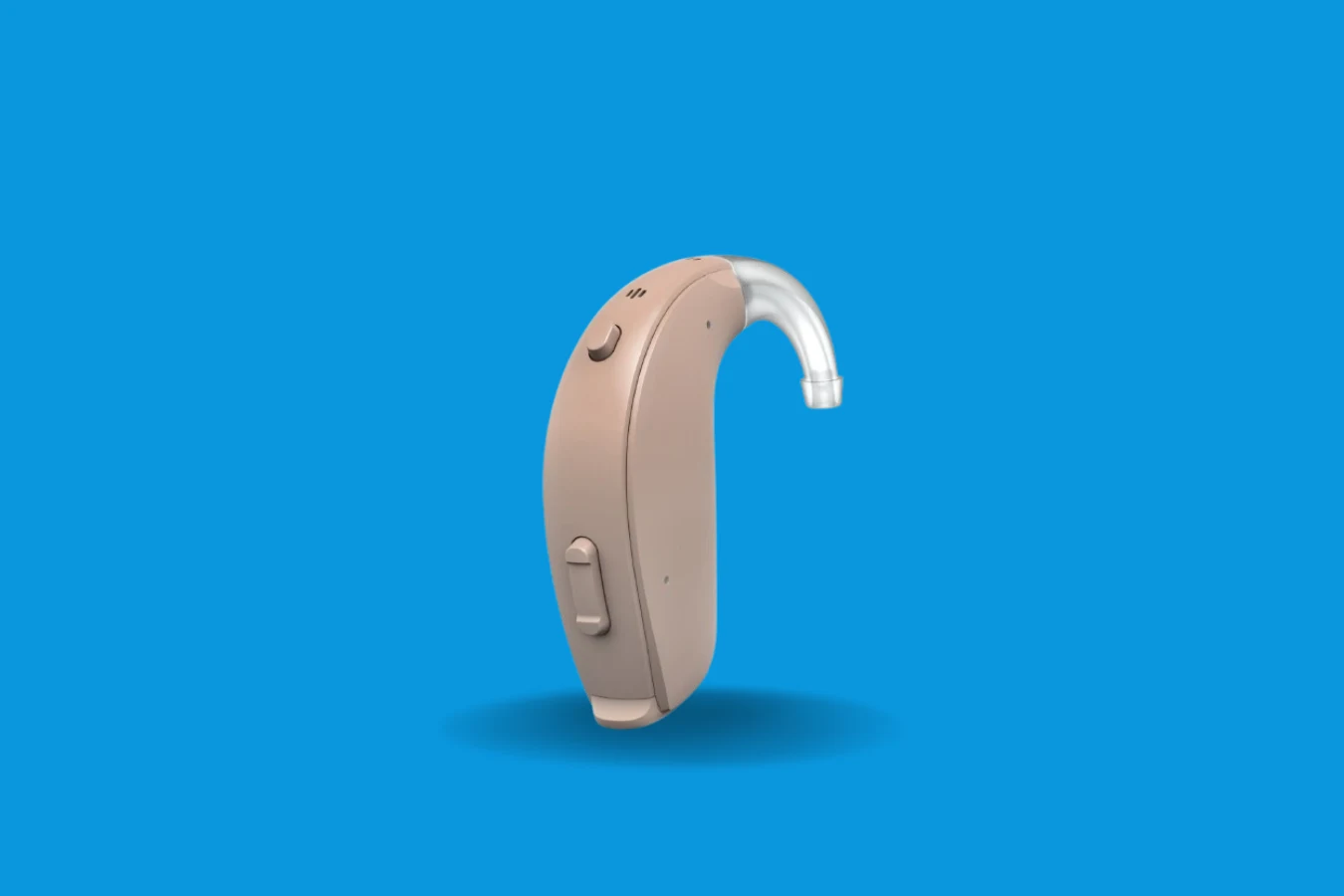
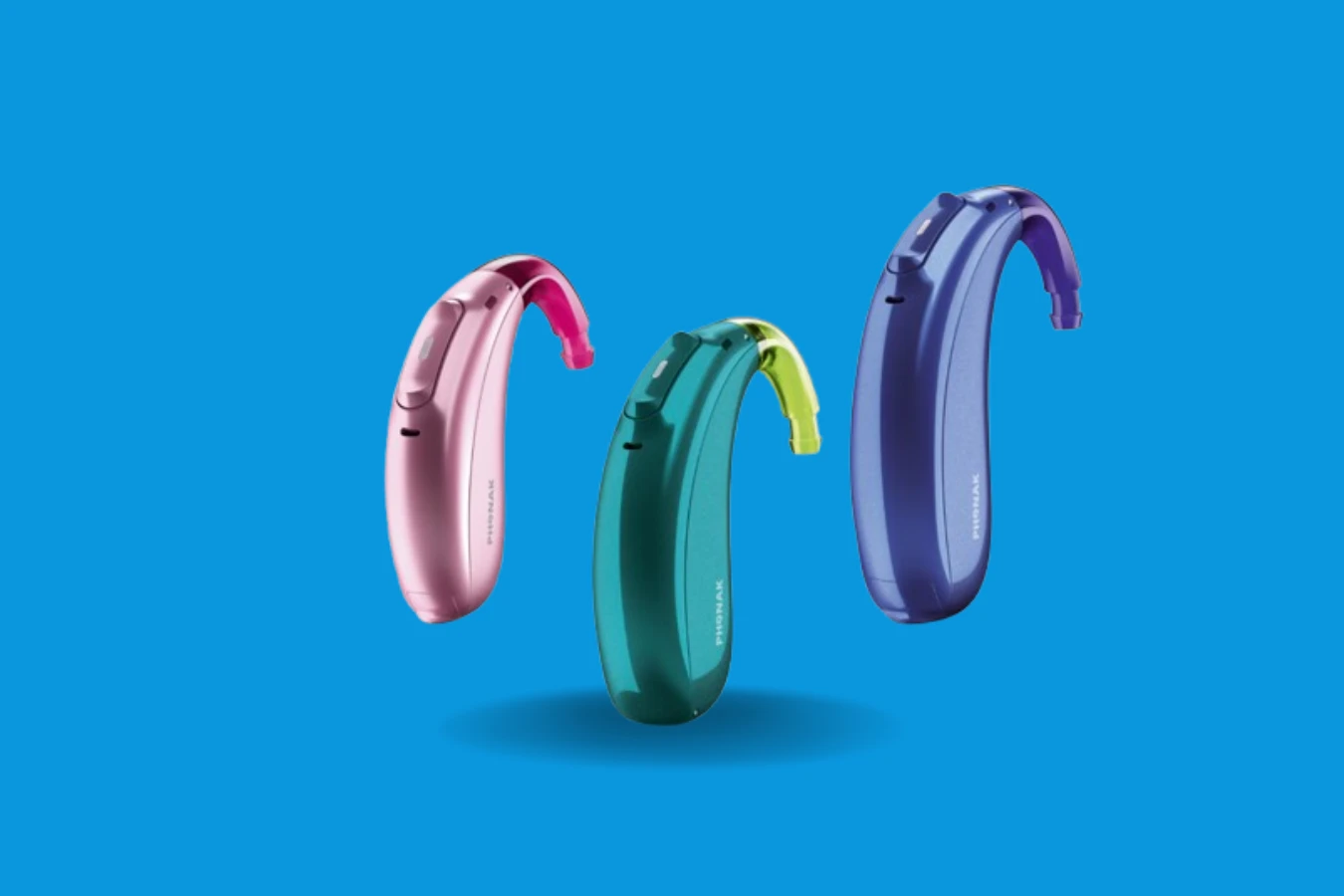
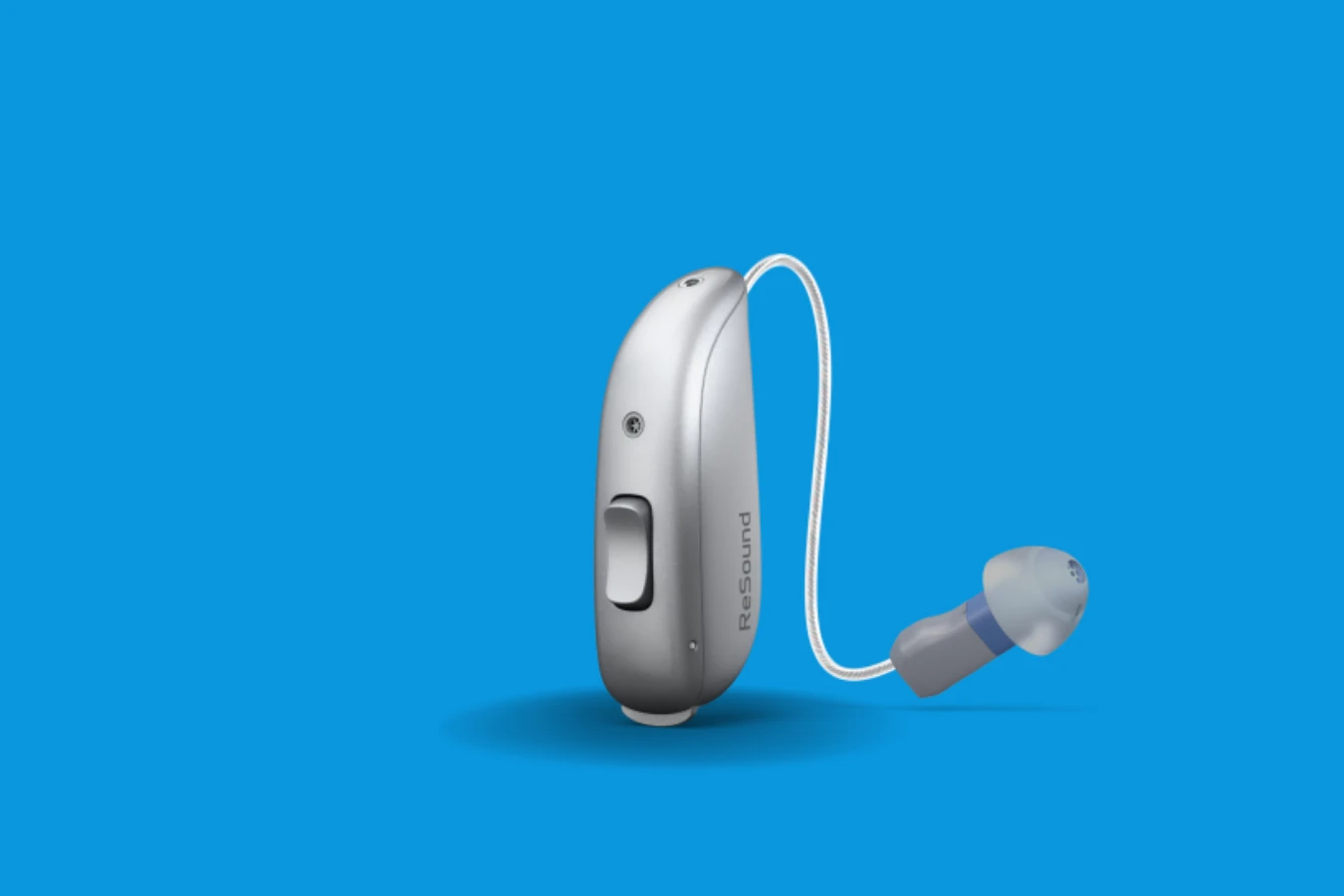
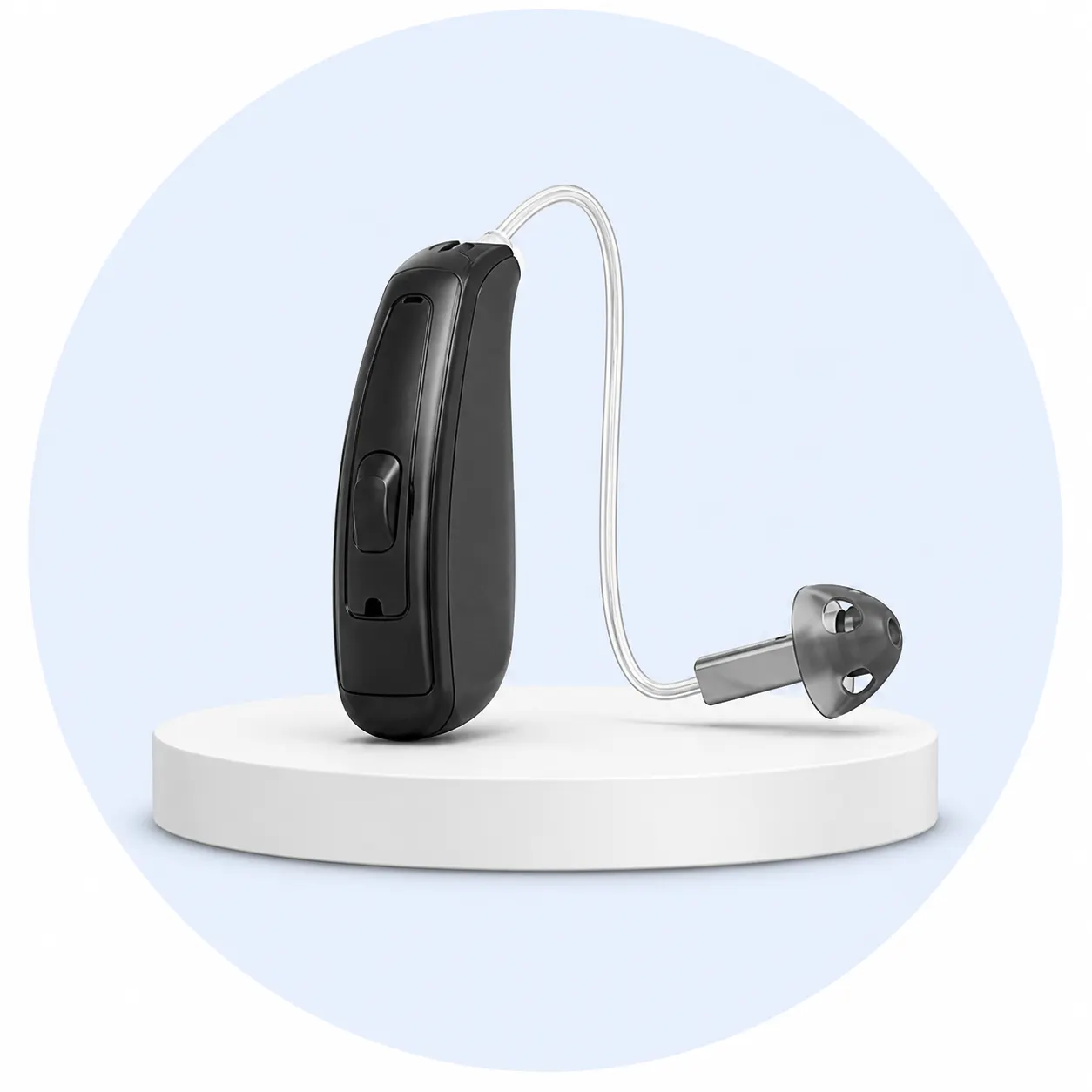
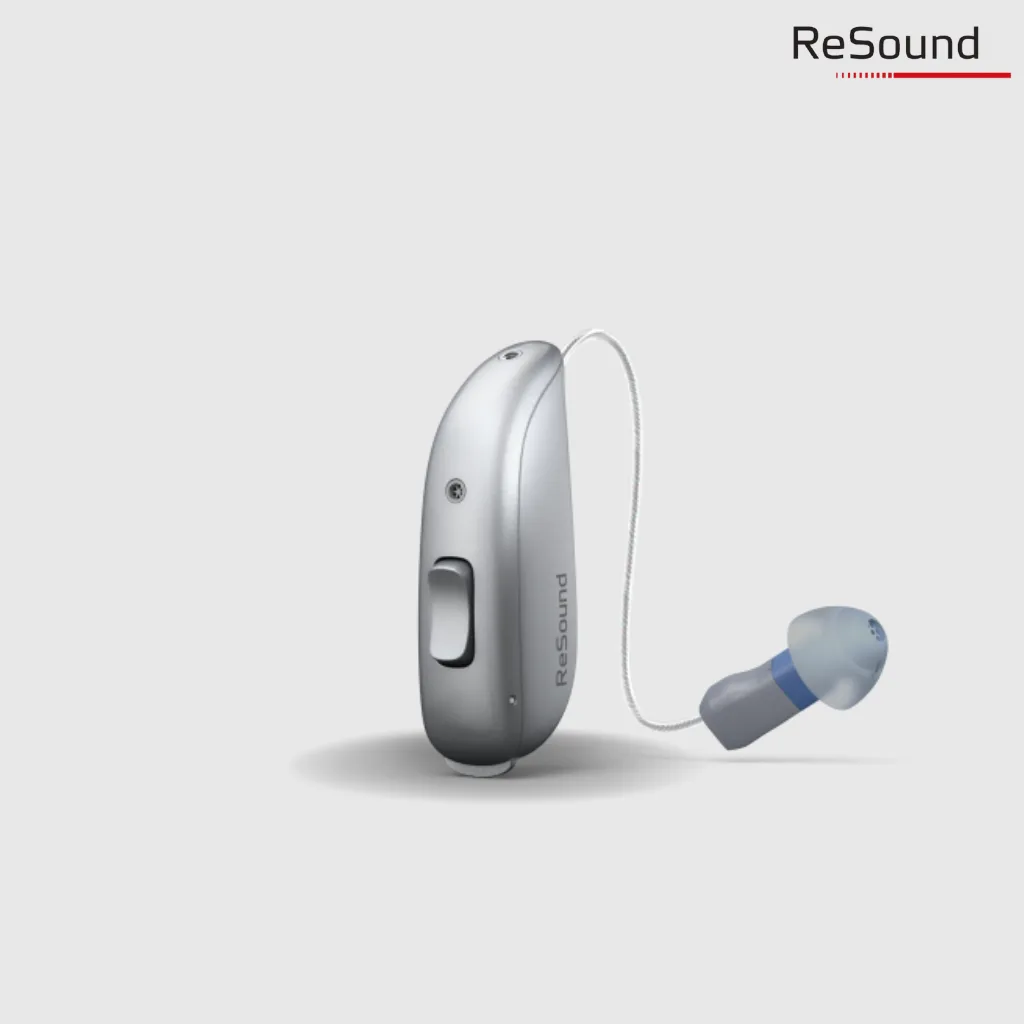
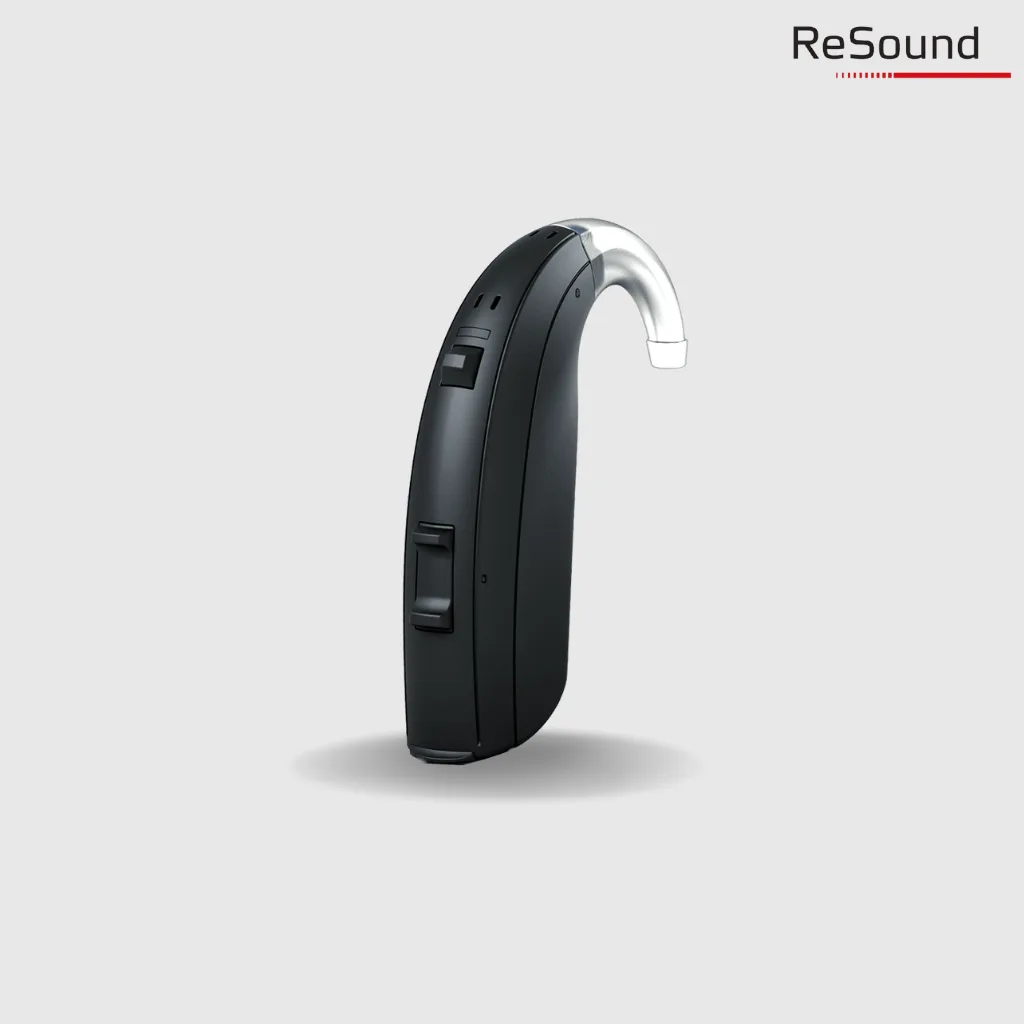
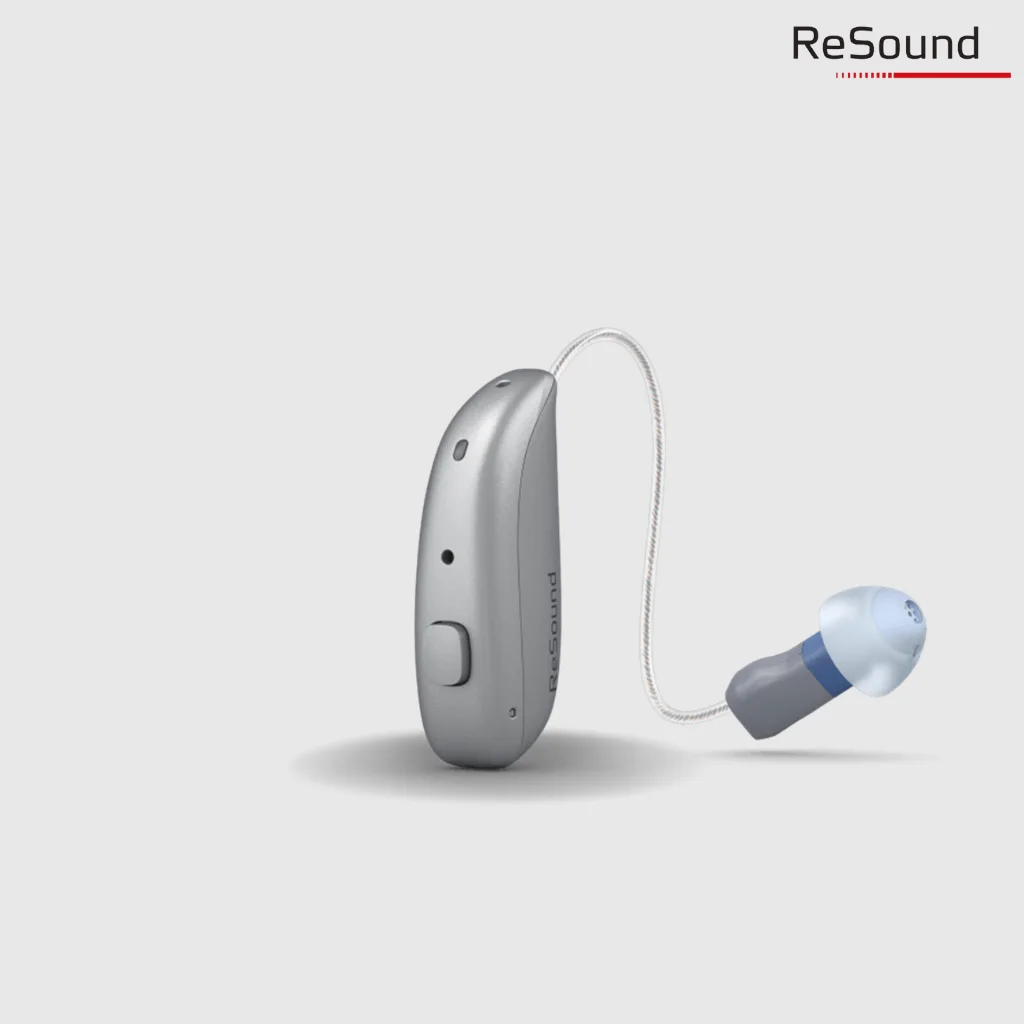
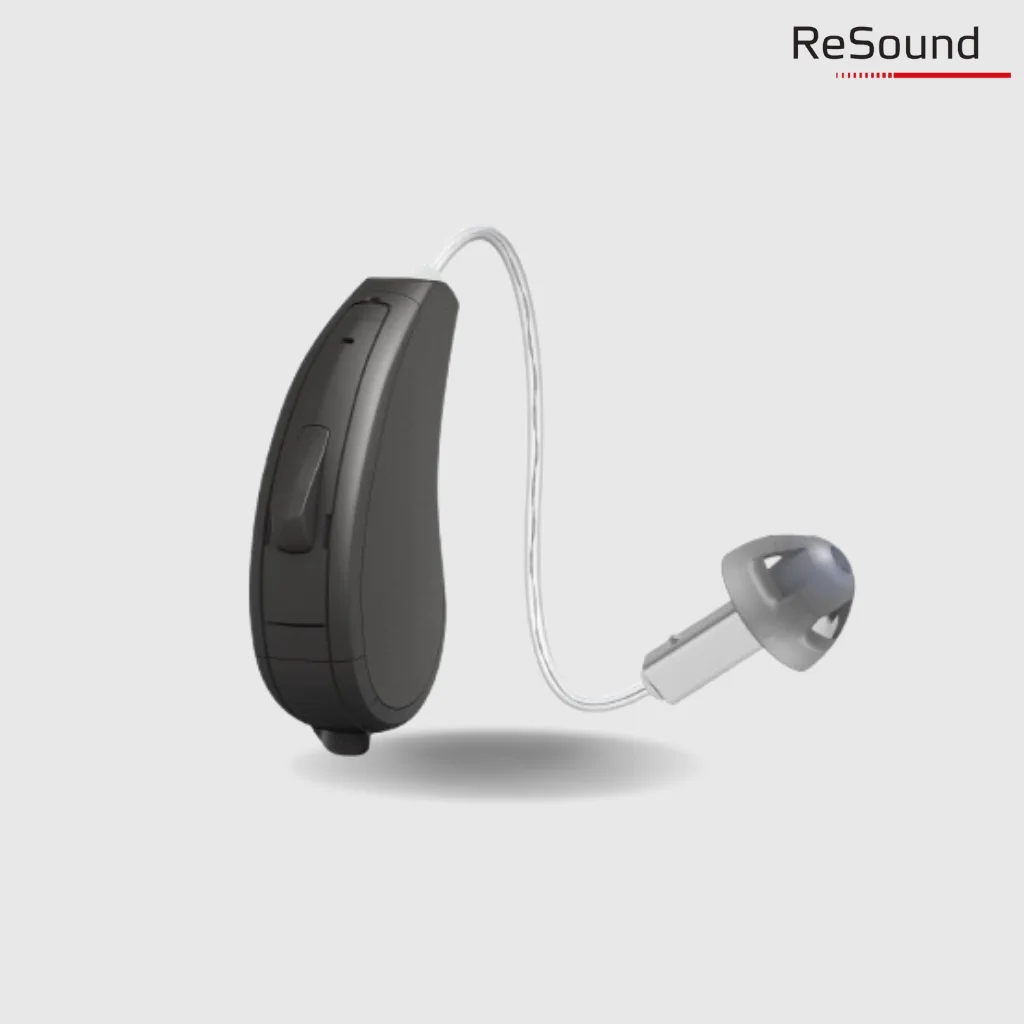
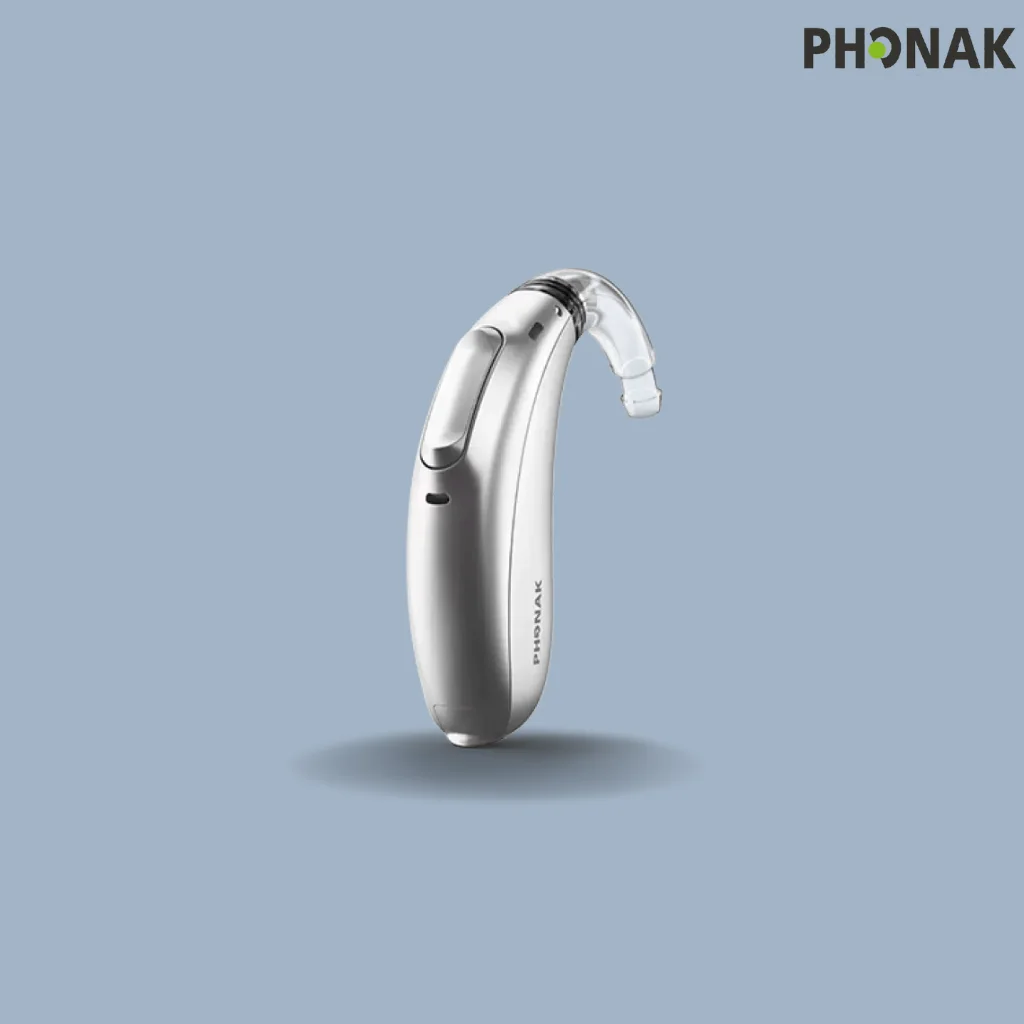
- Behind-the-ear (BTE) hearing aids typically last 5 to 7 years. Because the electronics sit safely behind your ear rather than inside the ear canal, they face far less exposure to moisture and earwax.
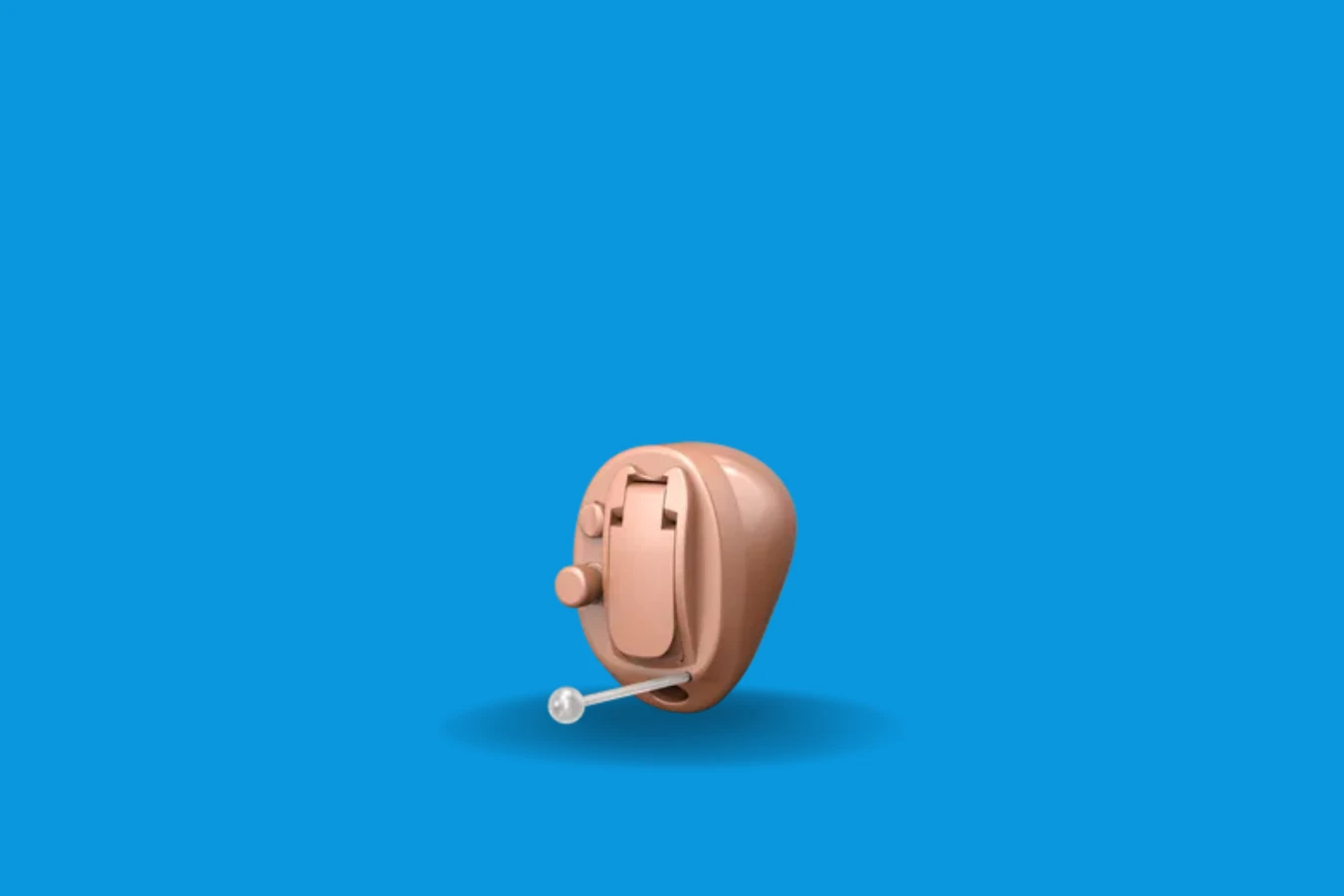
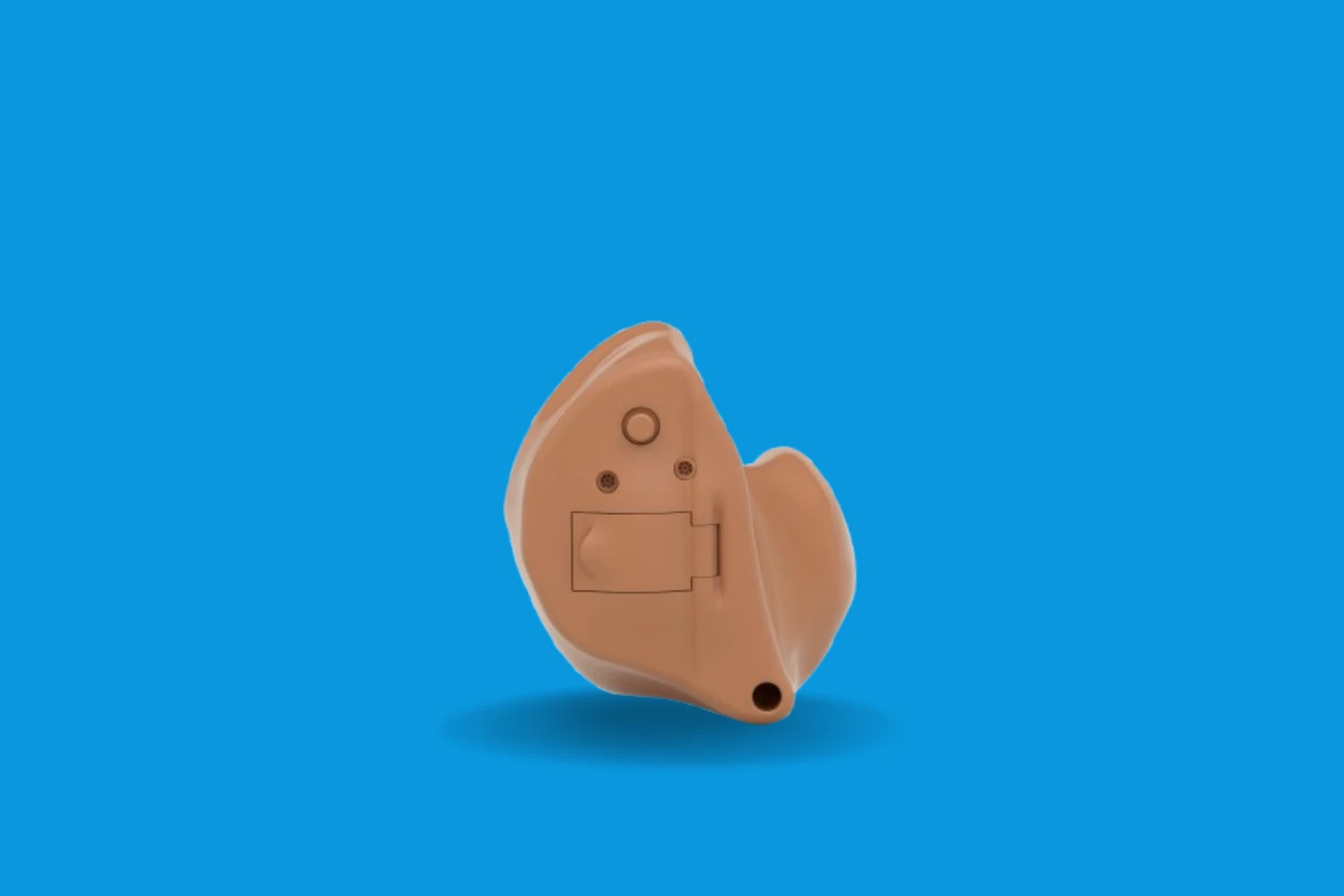
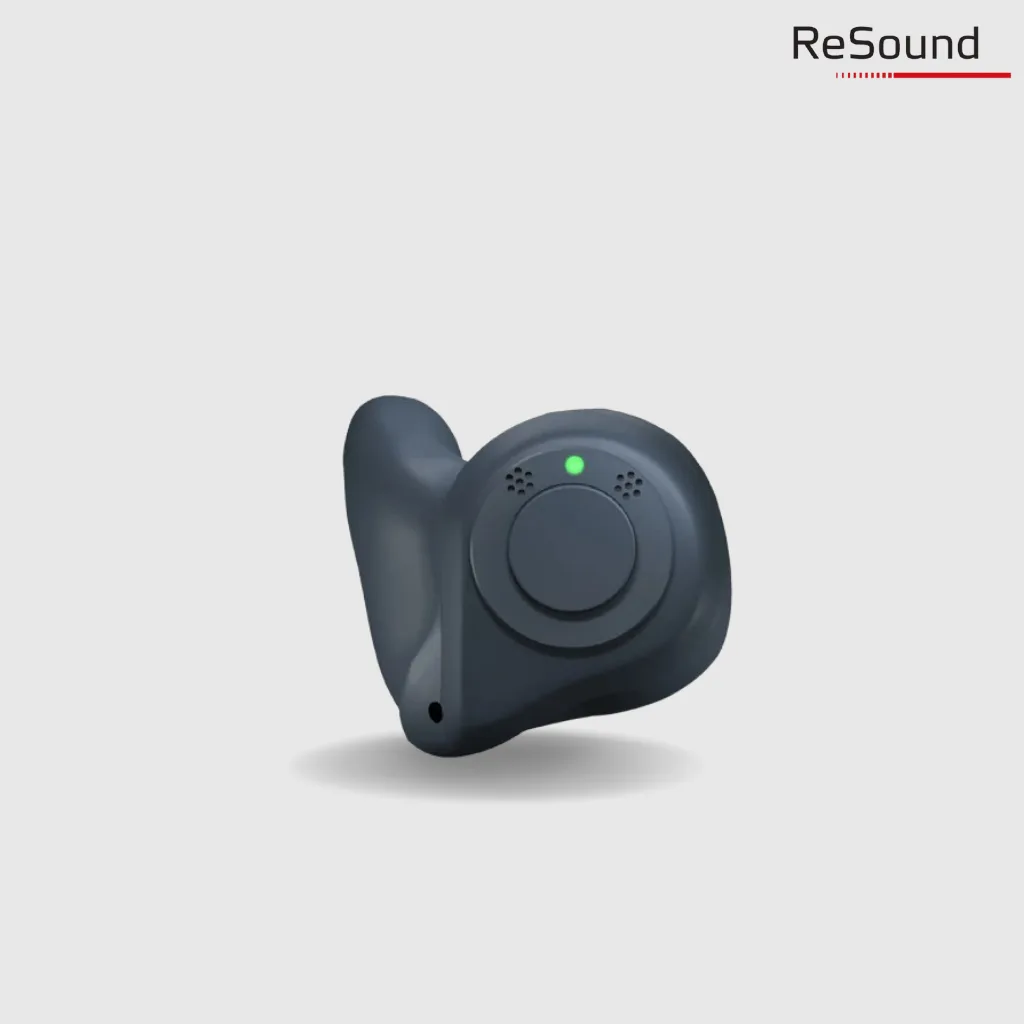
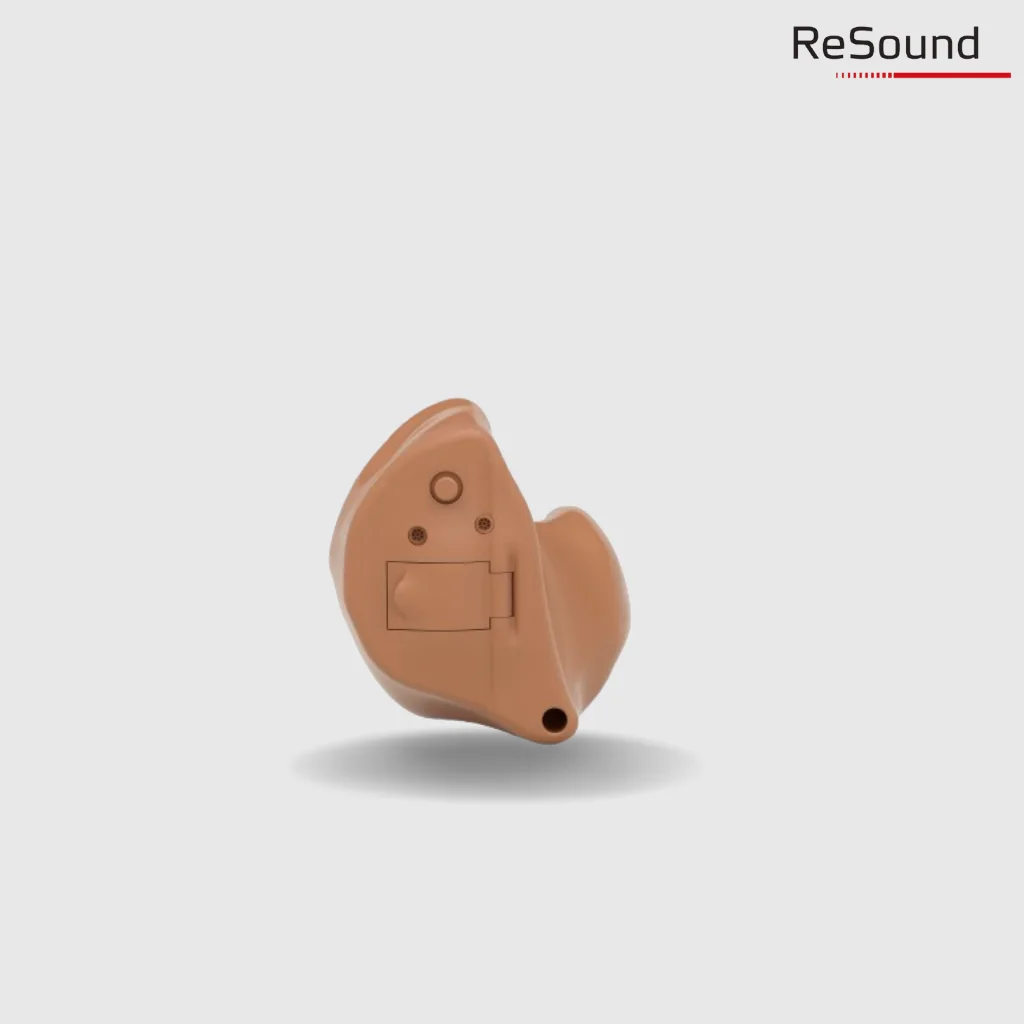
- In-the-ear (ITE) hearing aids generally last 3 to 5 years, as they sit closer to the moisture-prone environment of the ear canal.
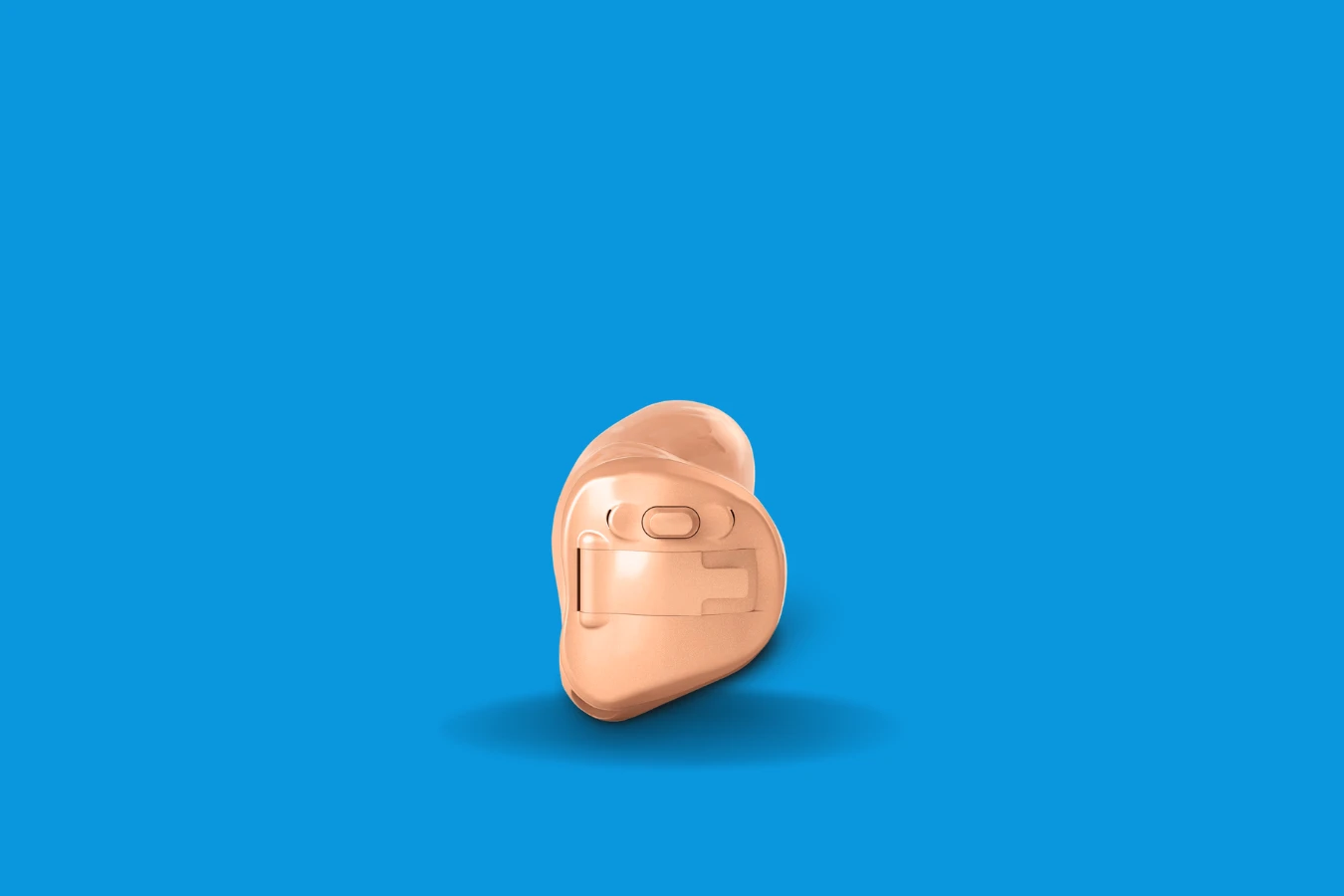
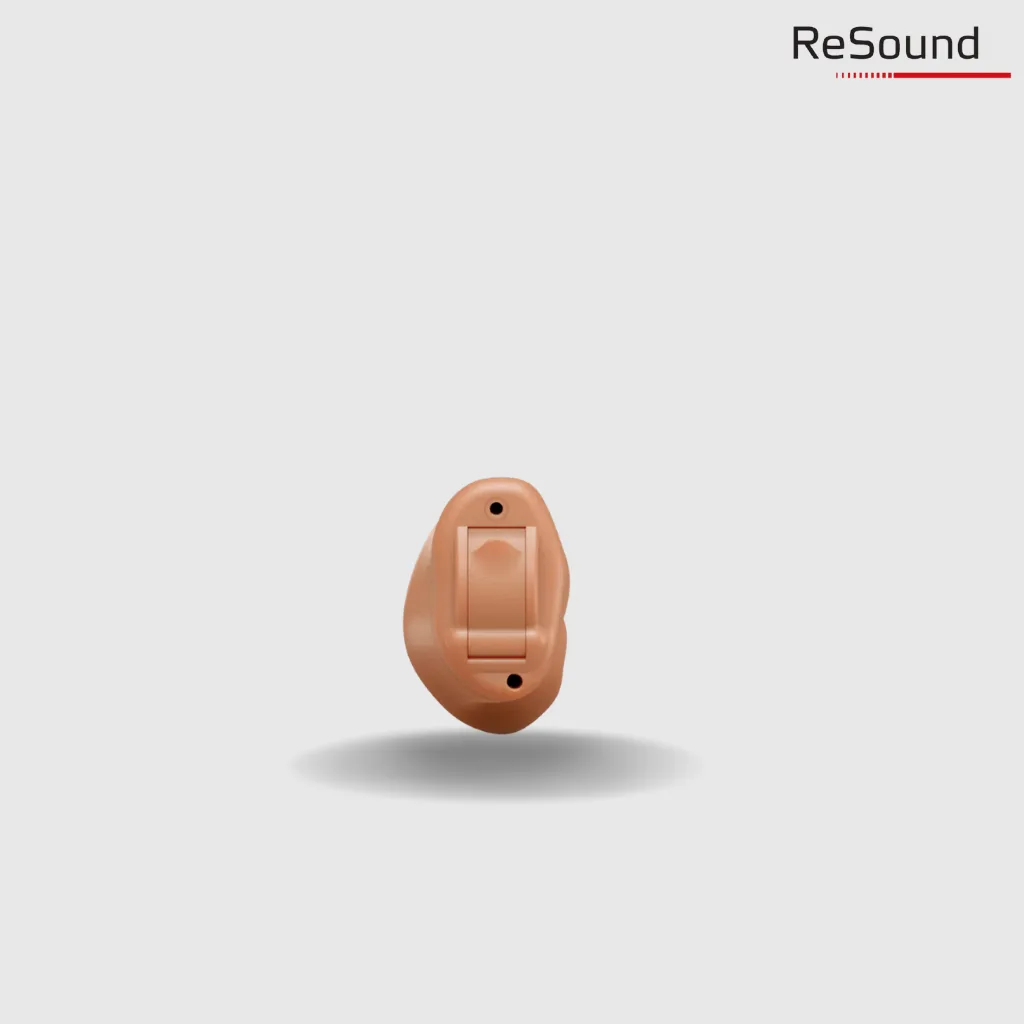
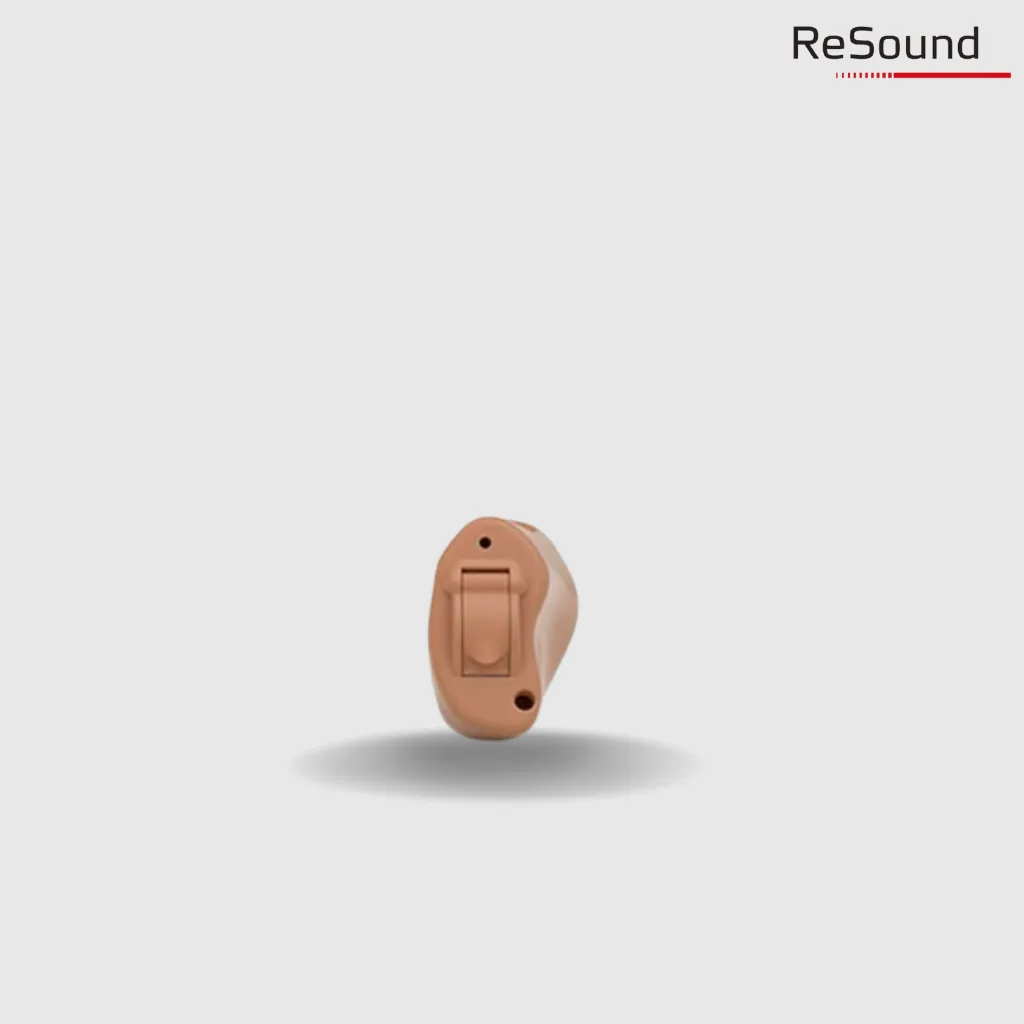
- In-the-canal (ITC) and completely-in-canal (CIC) hearing aids have the shortest average lifespan, often around 3 years, due to constant exposure to heat, sweat, and wax buildup in a smaller, more enclosed device.
If longevity and cost-per-year value matter most to you, a BTE model is worth strong consideration. If discretion and invisibility are your priority, an ITC or CIC device may still be the right choice — just budget for a slightly shorter replacement cycle.
What Factors Actually Determine Your Hearing Aid’s Lifespan?
Several variables work together to determine whether your device lasts three years or seven. Understanding them puts you back in control.
1. Build quality and materials. Premium hearing aids from established manufacturers use durable components and protective nano-coatings that resist moisture and dust far more effectively than budget alternatives.
2. Maintenance habits. Devices that receive daily cleaning and regular professional servicing can last significantly longer than those that are neglected. Consistent care genuinely extends functional life.
3. Daily wear and environment. Heavy sweating, humid climates, dusty workplaces, and frequent exposure to moisture all accelerate wear. Where and how you live your life matters as much as the device itself.
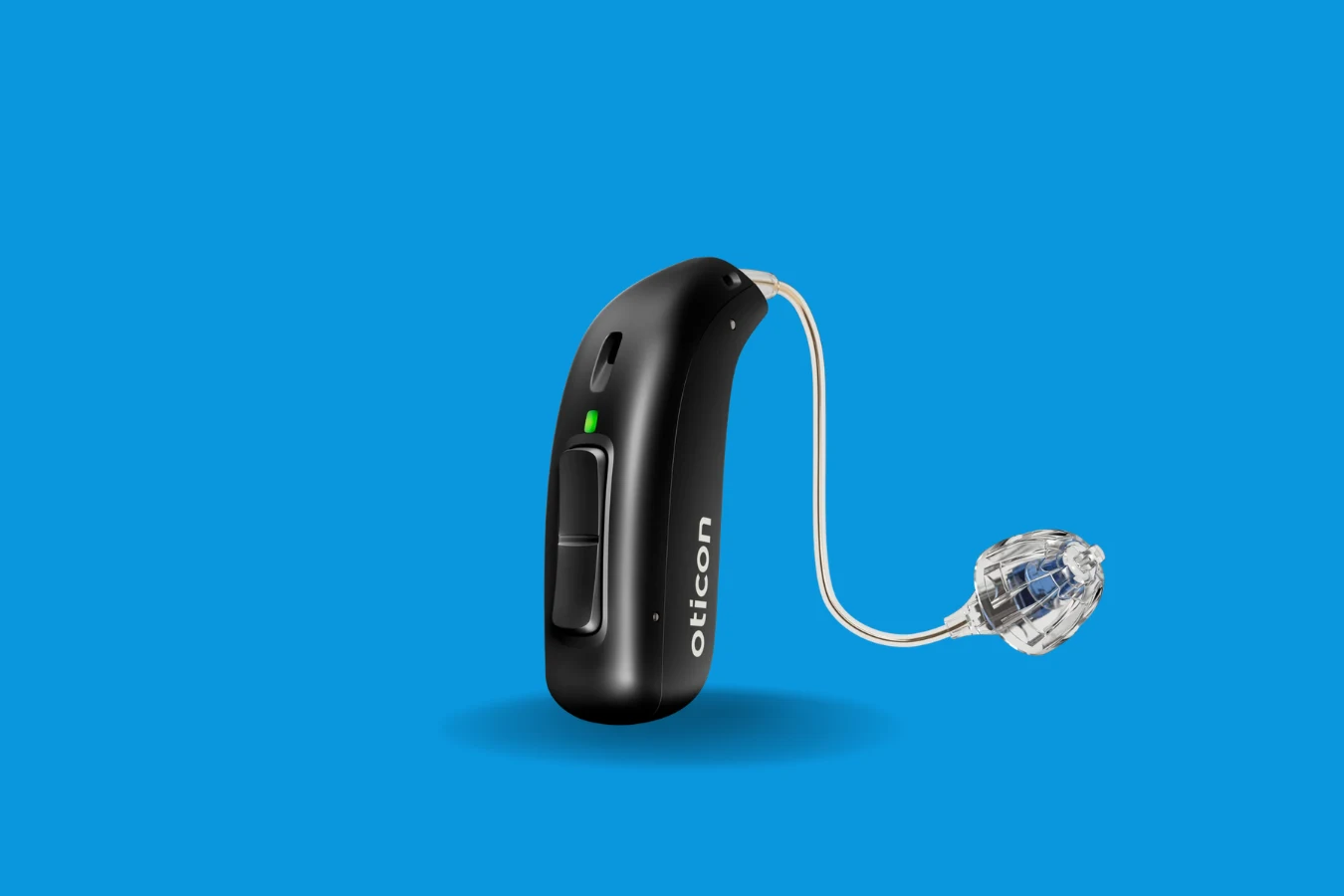
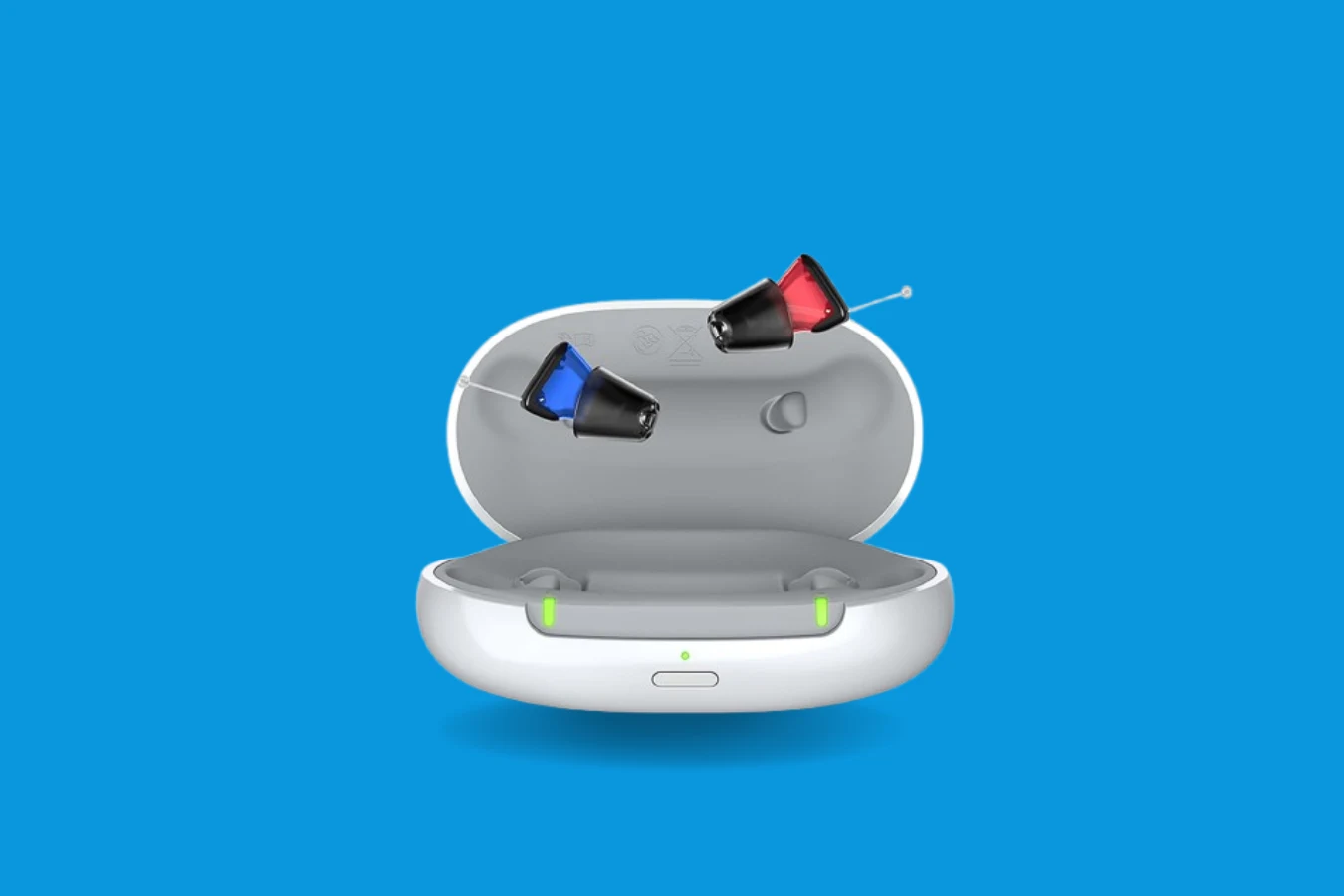
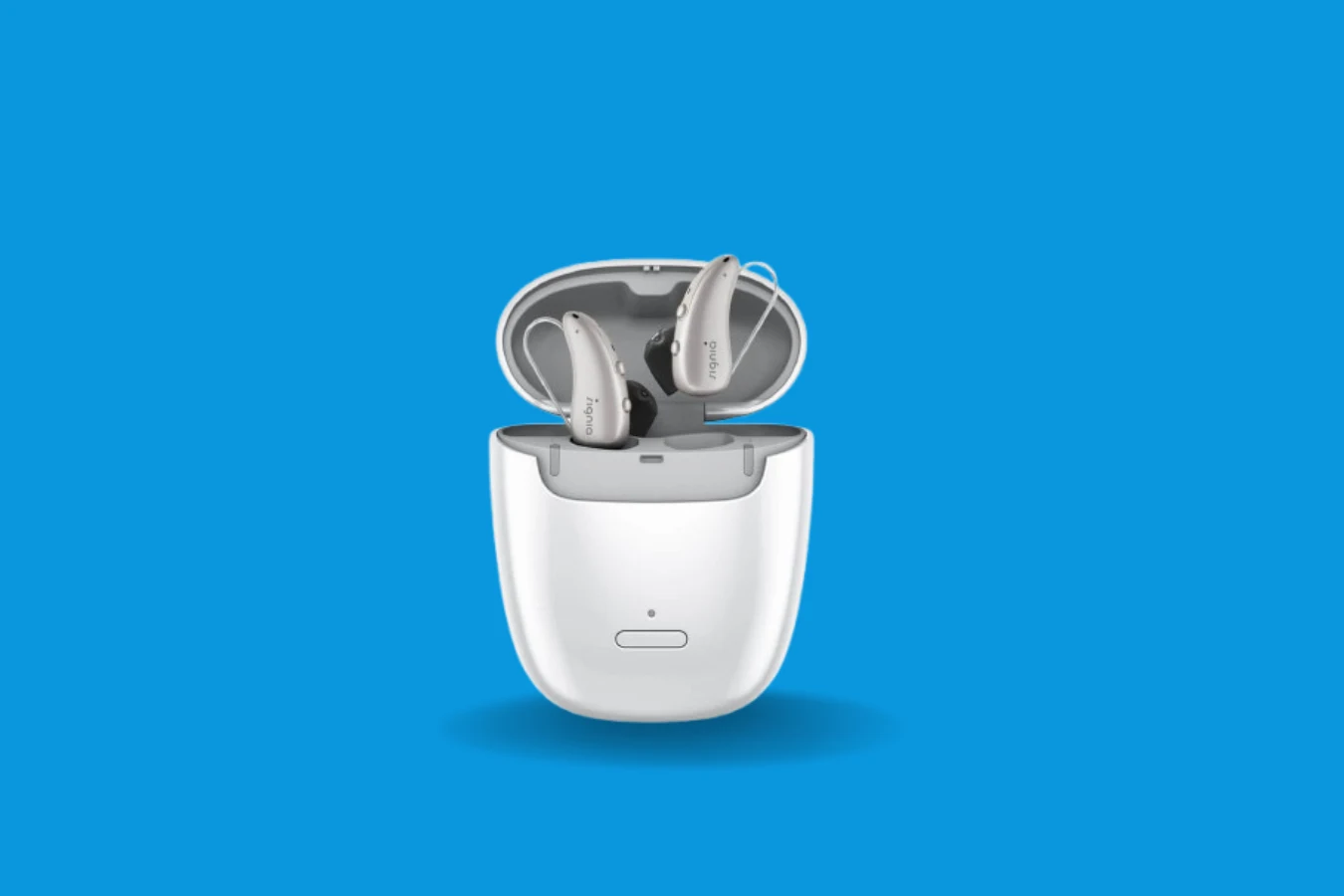
4. Battery type. Rechargeable lithium-ion hearing aids usually last around 4 to 5 years before the battery itself needs replacing, while devices with disposable batteries may see the electronics outlast multiple battery cycles.
5. Technological advancement. Hearing aid technology moves quickly. Many users choose to upgrade every 3 to 5 years — not because the old device has failed, but because newer models offer dramatically better speech clarity, Bluetooth streaming, and noise handling.
Signs Your Hearing Aid Needs Replacing
Do not wait for total failure before acting. Watch for these clear warning signs:
- Sounds feel muffled or inconsistent even after cleaning and reprogramming
- Frequent whistling, feedback, or crackling that persists after servicing
- Battery life has dropped noticeably compared to when the device was new
- Your audiologist confirms the hearing aid can no longer be adjusted to match changes in your hearing
- Visible cracks, corrosion, or damage to the casing
Catching these signs early prevents weeks of frustration and ensures you are never left without reliable hearing support.
How to Extend the Life of Your Hearing Aid
The good news is that you have real influence over your device’s lifespan. Well-maintained hearing aids can last up to 40% longer than neglected ones, according to hearing healthcare research. Here is how to get there:
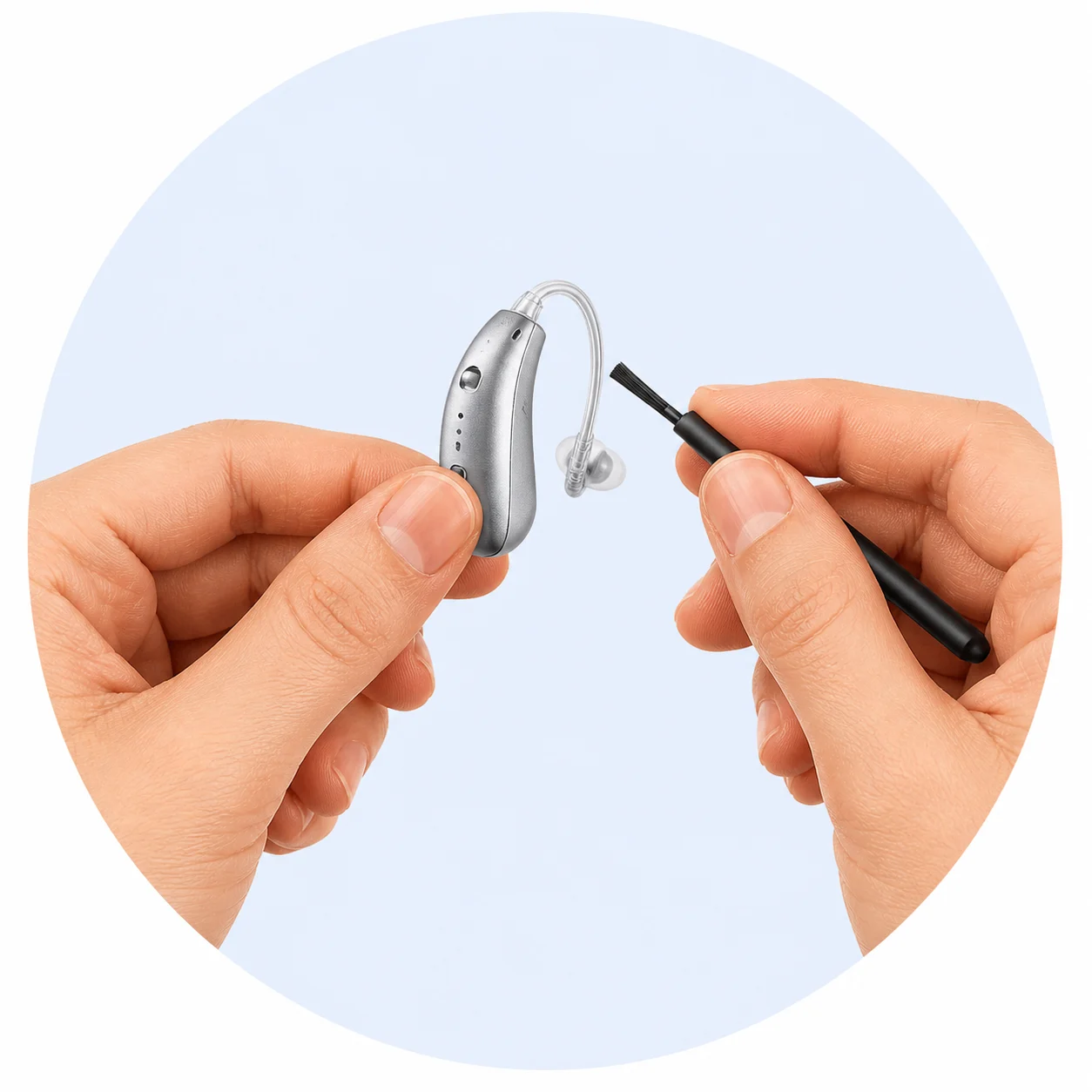
- Clean daily. Wipe down your device every evening and remove earwax from domes and tubing.
- Store it safely. Use a dehumidifier case overnight, especially in humid climates.
- Schedule regular checkups. Visit your audiologist every 3 to 4 months for professional cleaning and calibration.
- Avoid moisture exposure. Remove hearing aids before showering, swimming, or heavy exercise.
- Replace wax guards and domes promptly rather than waiting until they visibly clog.
Small, consistent habits compound into years of added performance.
Is It Time to Upgrade, Even If Your Hearing Aid Still Works?
This is worth asking honestly. A device that technically still functions may no longer serve you well if your hearing needs have changed or newer technology could dramatically improve your daily life. Many audiologists recommend reassessing your hearing aid at the five-year mark, even if it has not failed, simply because the leap in sound processing, connectivity, and comfort over that time can be substantial.
Conclusion
So, how long does a hearing aid last? The honest, evidence-backed answer is 3 to 7 years on average, shaped by the type of device, the quality of its build, your maintenance routine, and how fast technology advances. Rather than viewing this as a limitation, treat it as an opportunity: by choosing the right style, caring for your device diligently, and staying alert to warning signs, you can maximise both the performance and the value of your hearing aid throughout its entire working life. When in doubt, a quick consultation with your audiologist will tell you exactly where your device stands — and whether it is time to plan your next upgrade.

Reasons Why Some Hearing Aids Produce.
Have you ever heard or experienced a whistling sound from a hearing aid? If not, then it is true that.
Read More
The Mystery of Hearing: Understand Everything.
What most of us take for granted becomes a source of astonishment and perplexity for those who do not have.
Read More