

















7 Best Hearing Aids for Mild to Moderate Hearing Loss (And How to Choose Yours Today)
Introduction
If everyday conversations have started to feel like a guessing game, you’re not alone. Mild to moderate hearing loss affects millions of people worldwide, and yet many wait years before seeking help — often because they simply don’t know where to start. The good news? Modern hearing aids are smaller, smarter, and more comfortable than ever before, and finding the right one doesn’t have to be overwhelming.
In this guide, we’ll walk you through exactly what to look for, answer the questions people ask most, and help you make a confident, informed decision. Whether you’re shopping for yourself or a loved one, this article gives you the clarity you need to act — starting today.
What Counts as Mild to Moderate Hearing Loss?
Before choosing a device, it helps to understand what you’re actually dealing with. Mild hearing loss typically means you struggle to catch soft sounds or follow conversations in noisy environments. Moderate hearing loss means you find it hard to hear speech at a normal volume, even in quieter settings. According to the World Health Organization, over 1.5 billion people globally live with some degree of hearing loss — and the vast majority fall into the mild-to-moderate category, making this one of the most common (and most treatable) health concerns today.
The encouraging part is that this range responds exceptionally well to modern hearing aid technology, often restoring near-normal hearing clarity.
The Best Hearing Aid Types for This Range
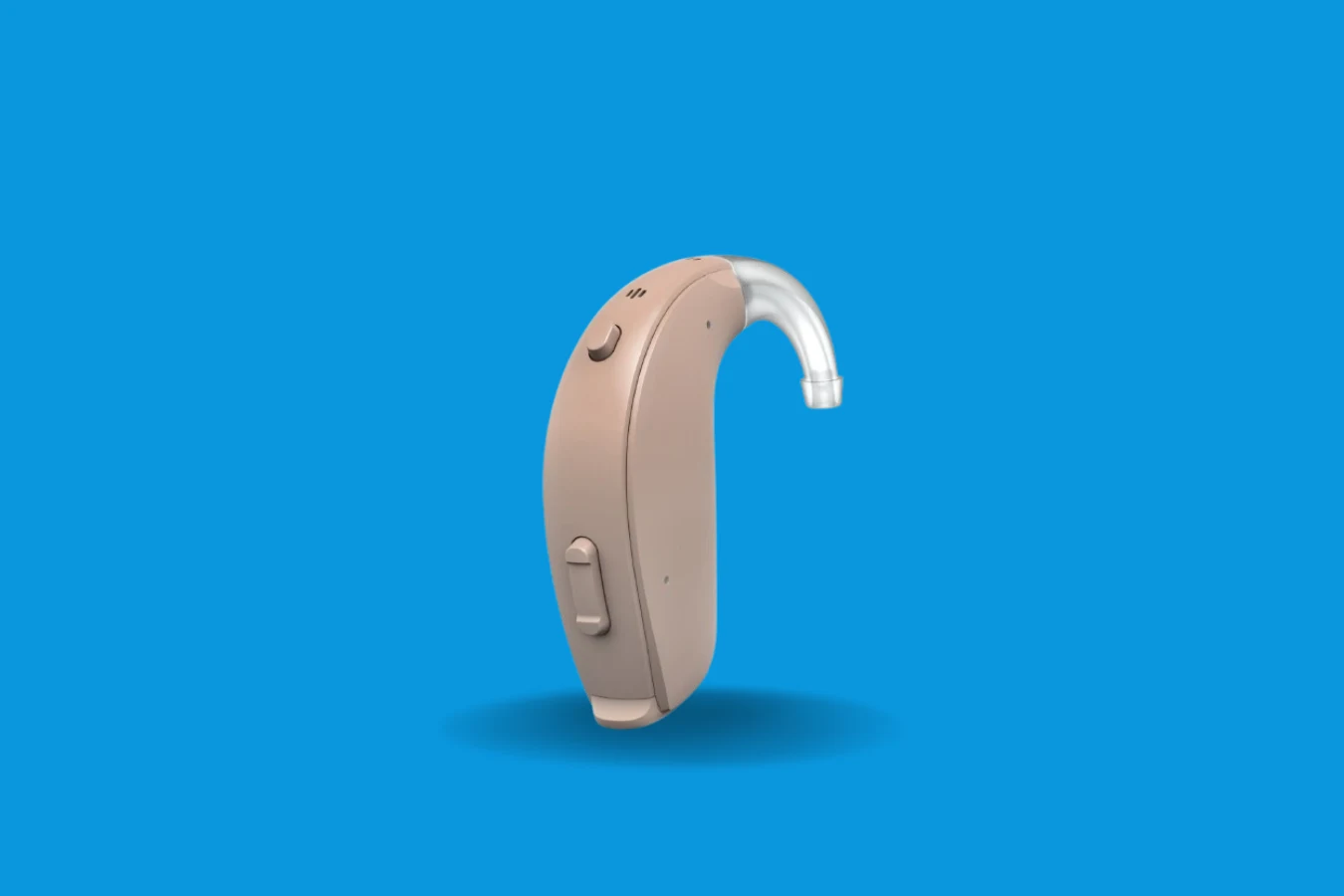
Not all hearing aids are created equal, and choosing the right style genuinely changes your day-to-day experience. Here are the top contenders:
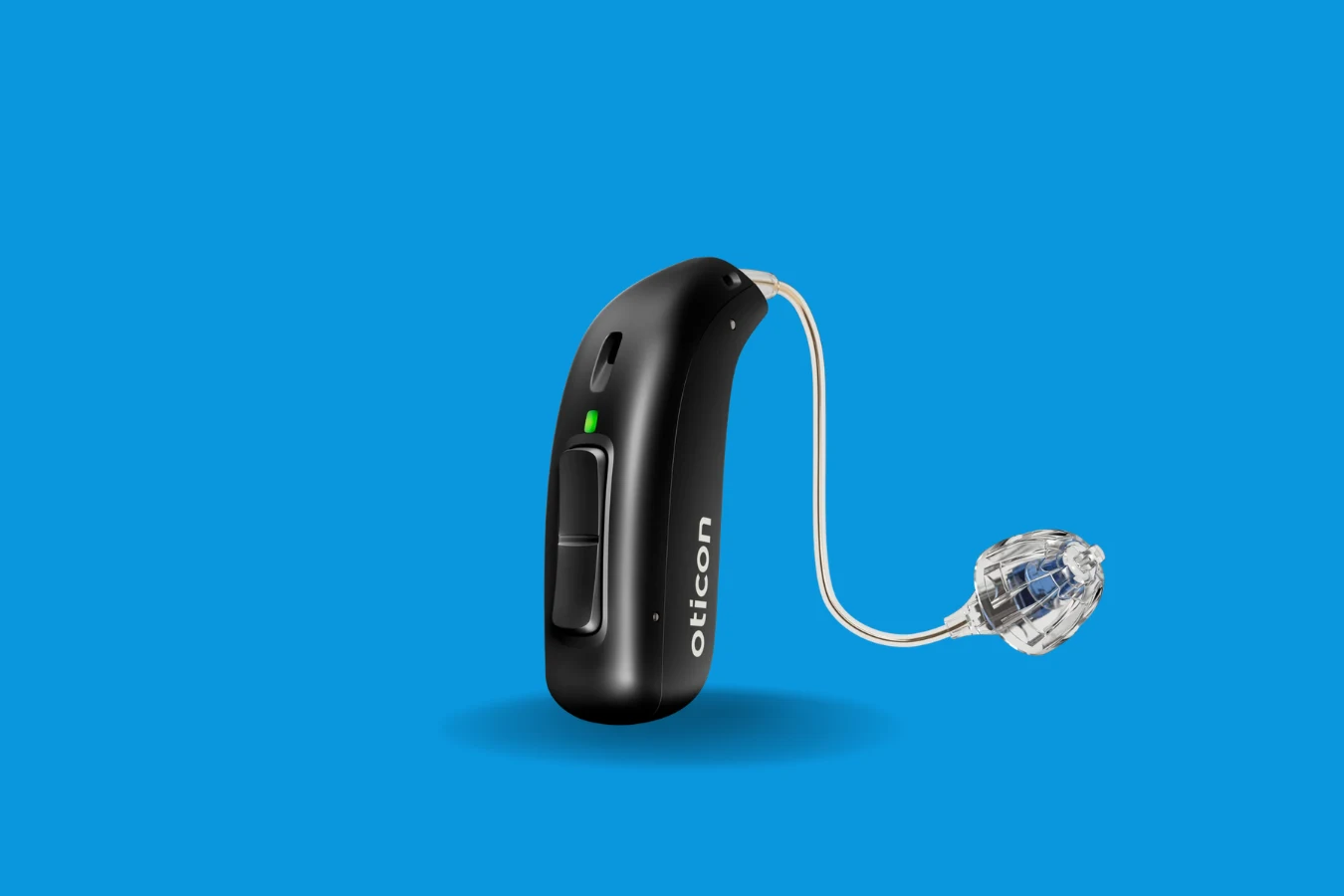
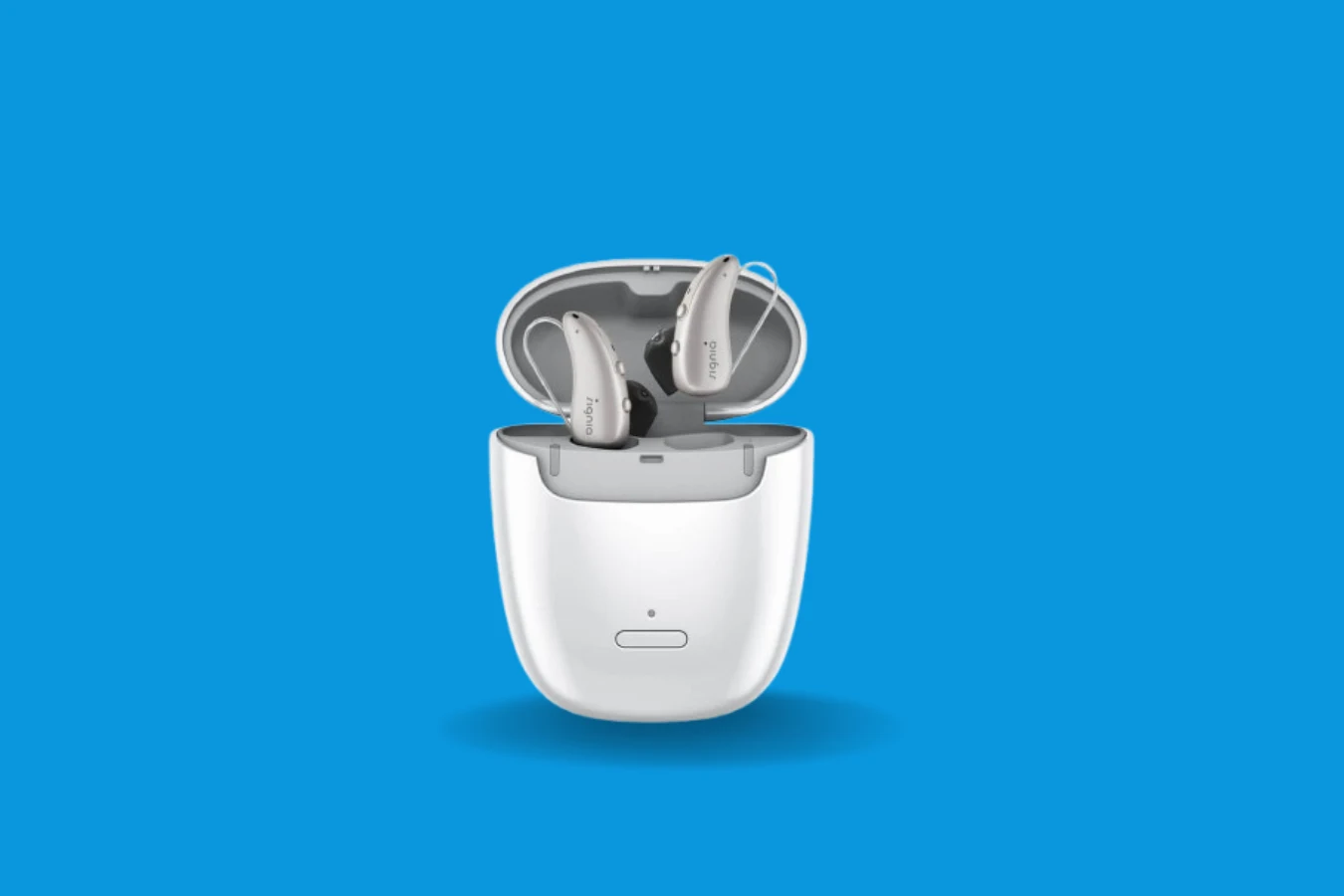
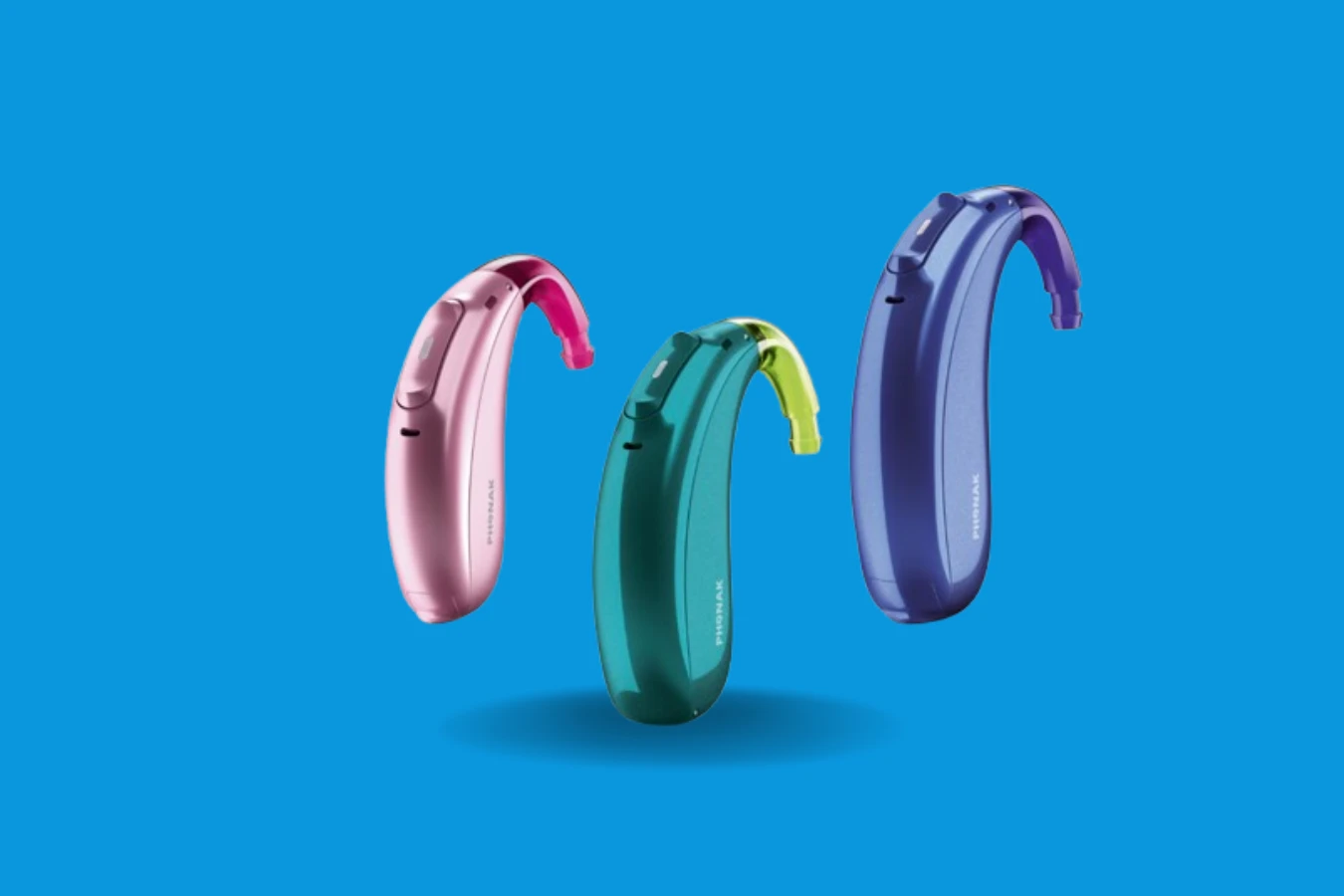
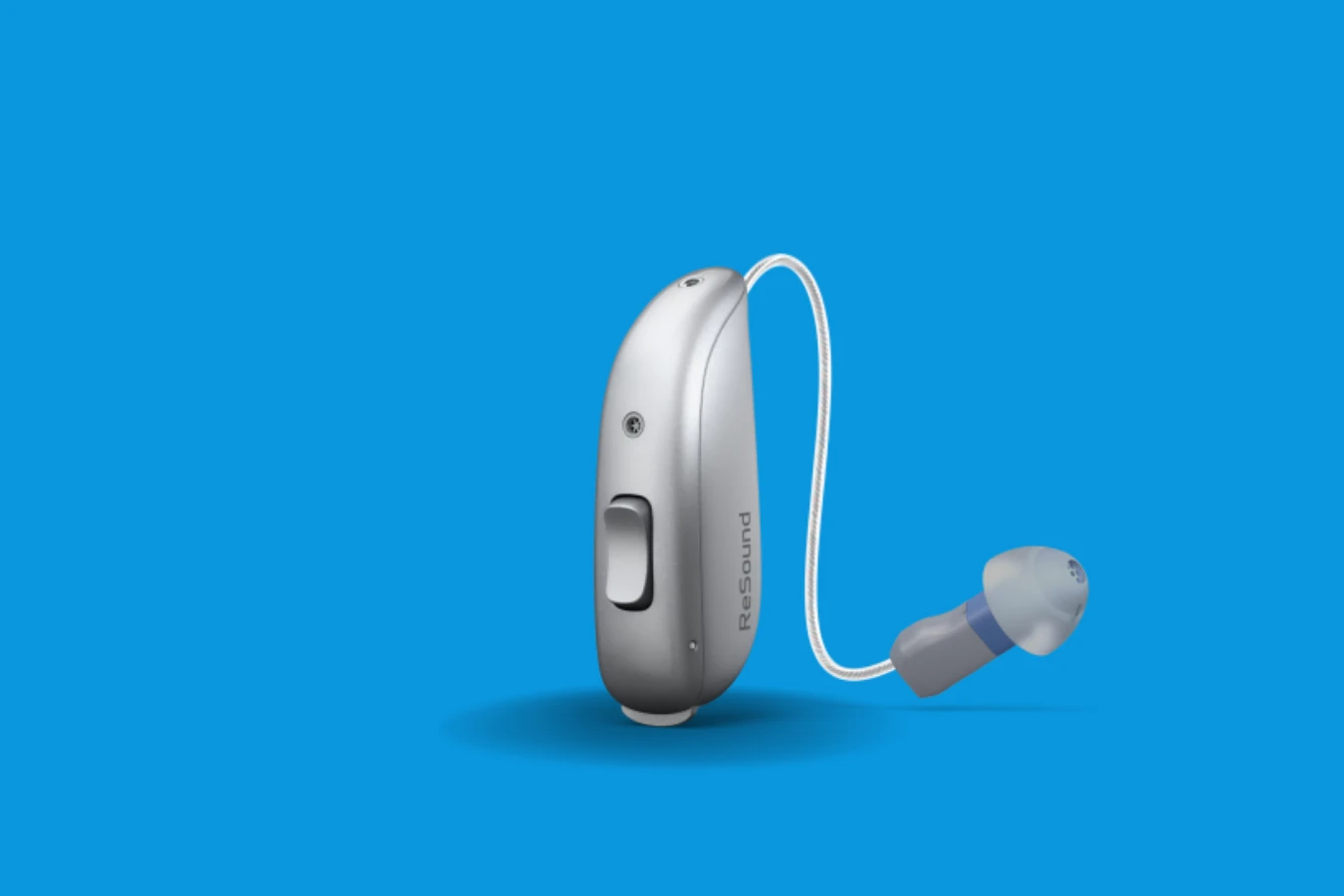
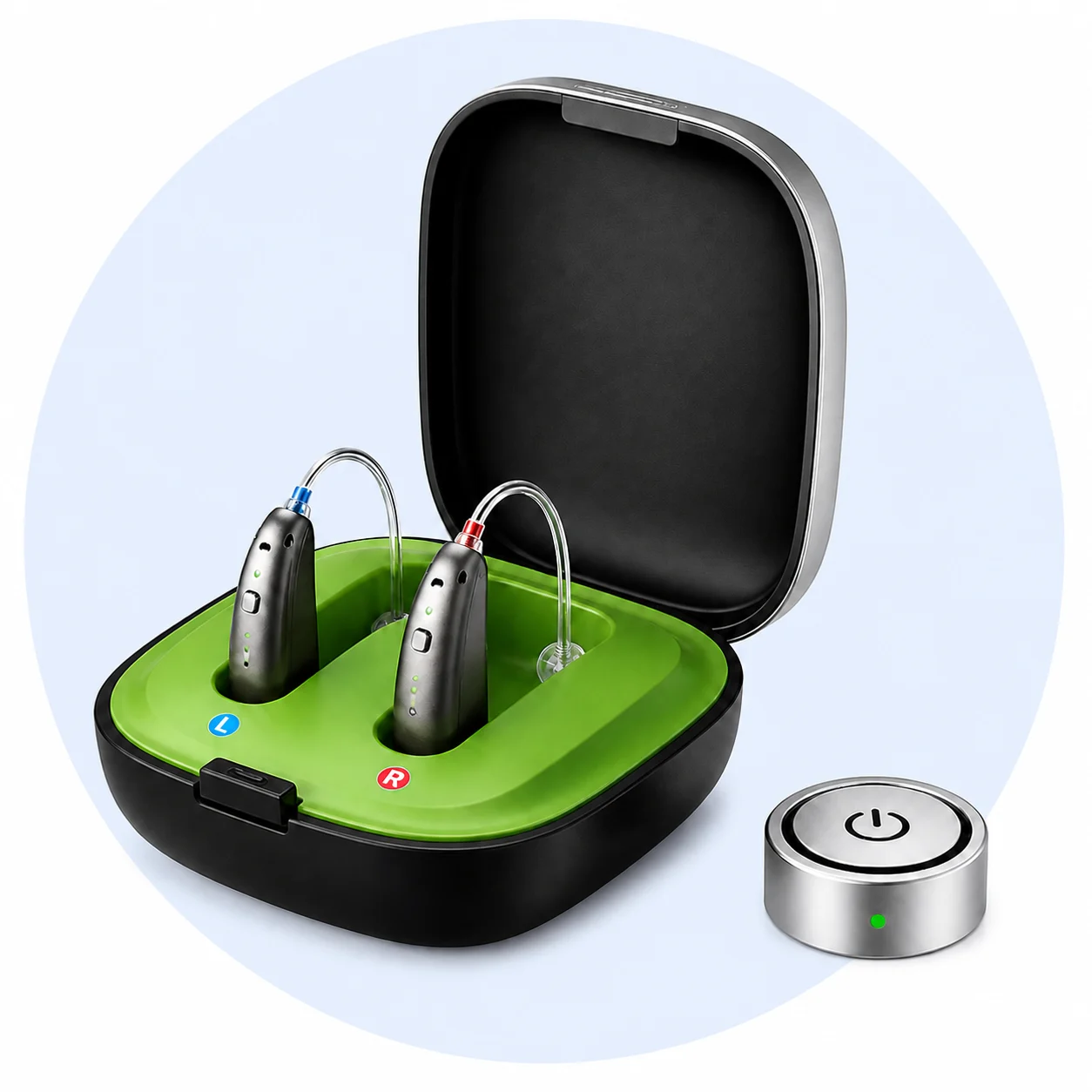
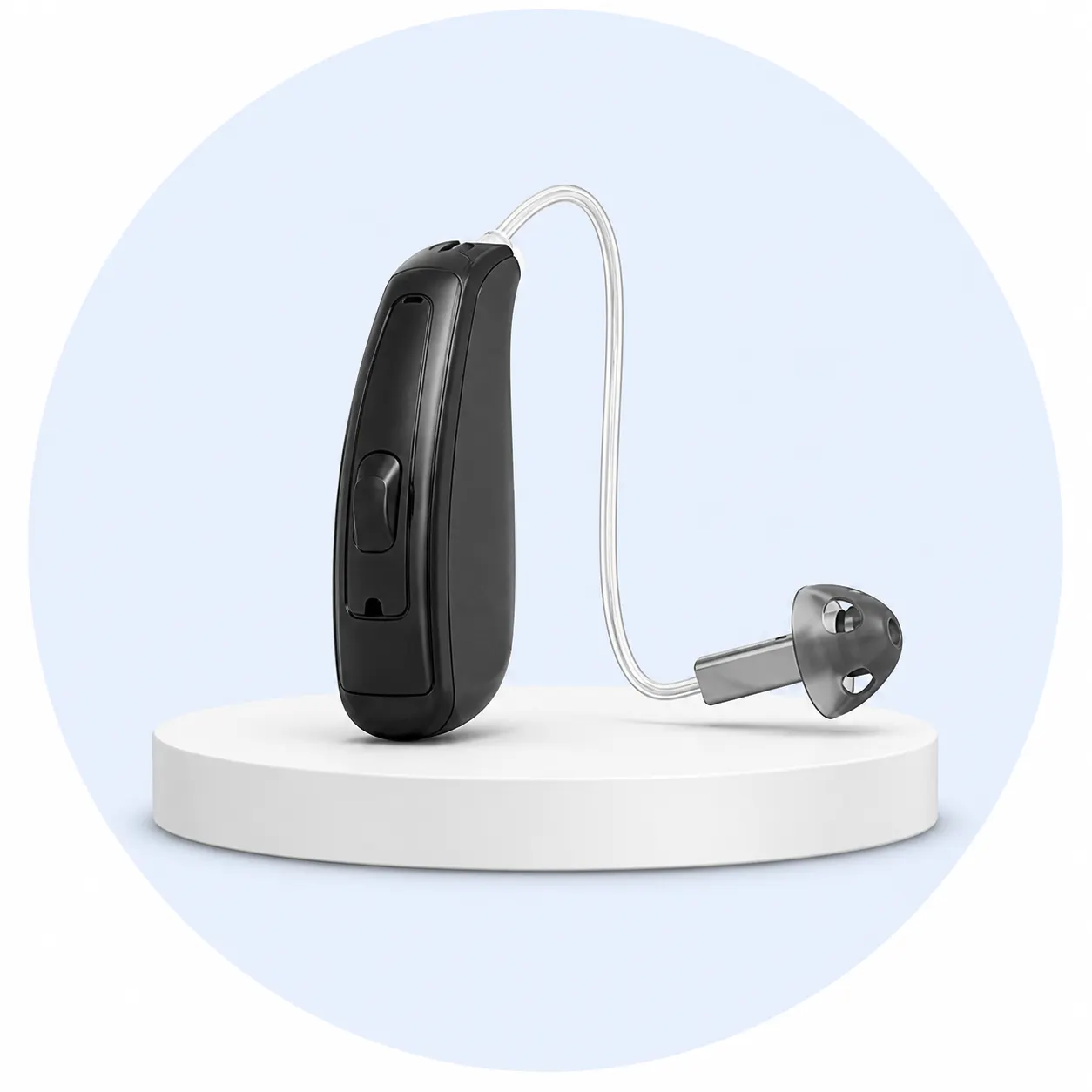
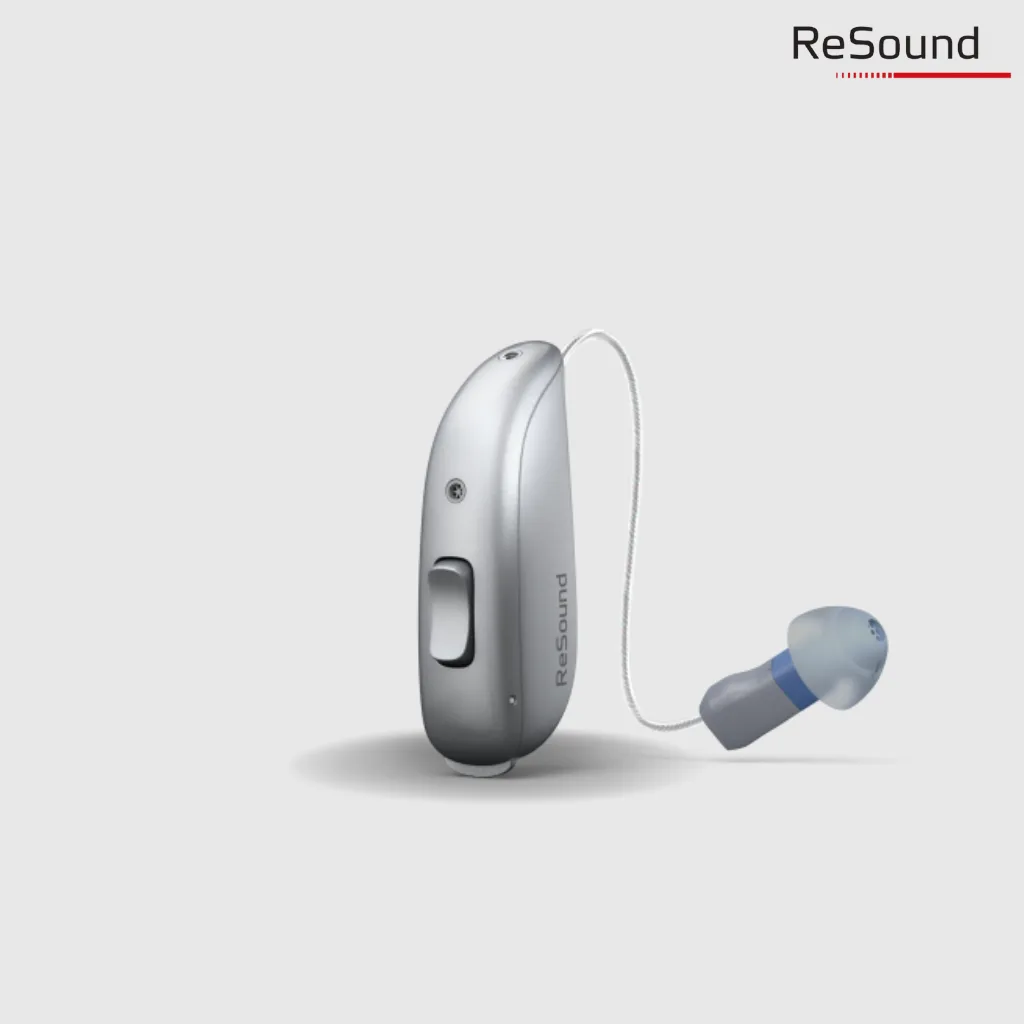
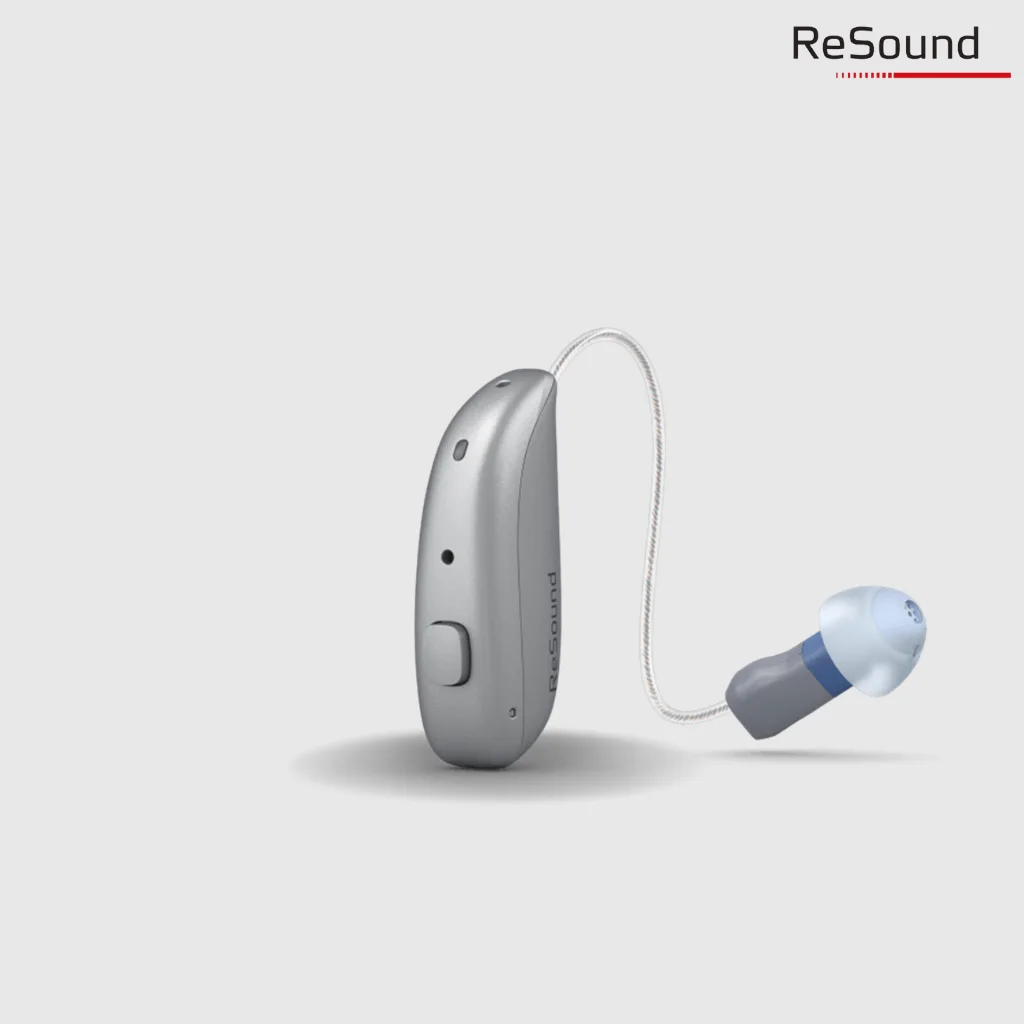
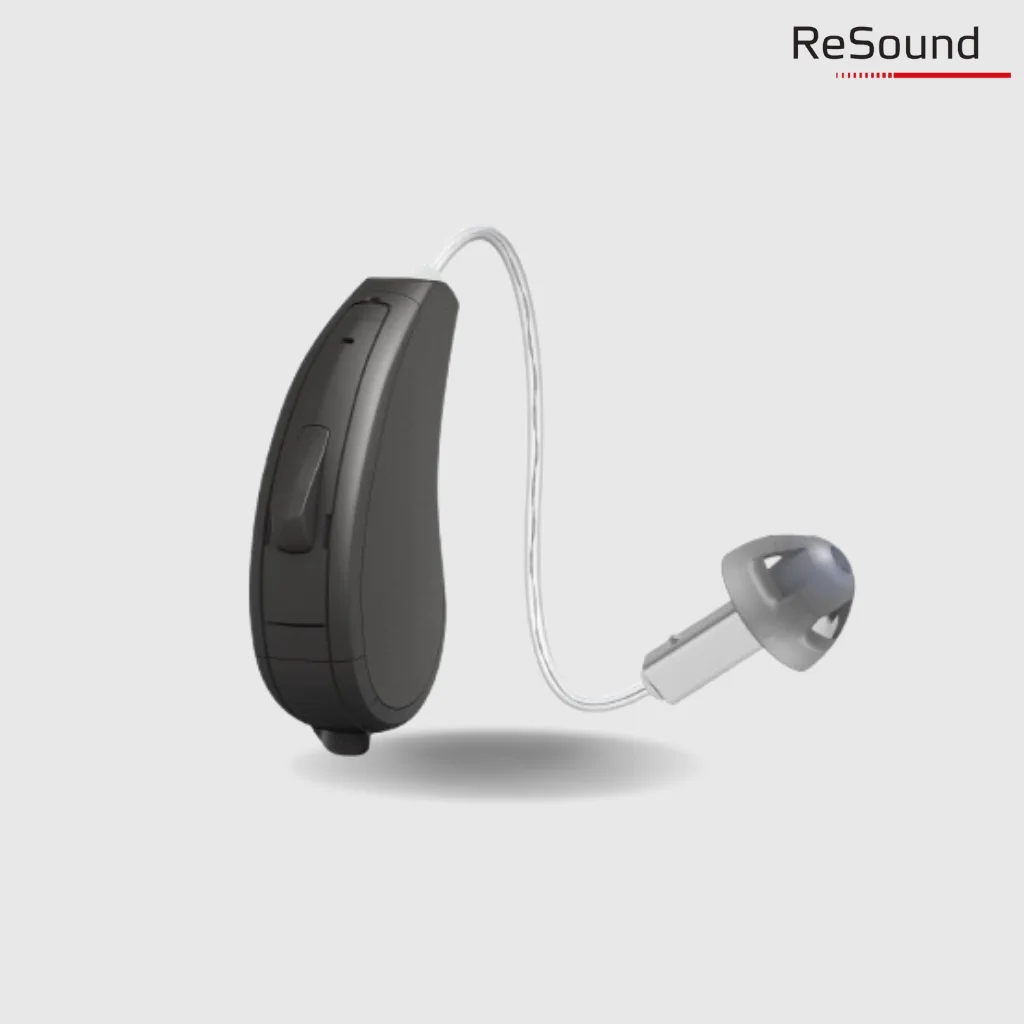
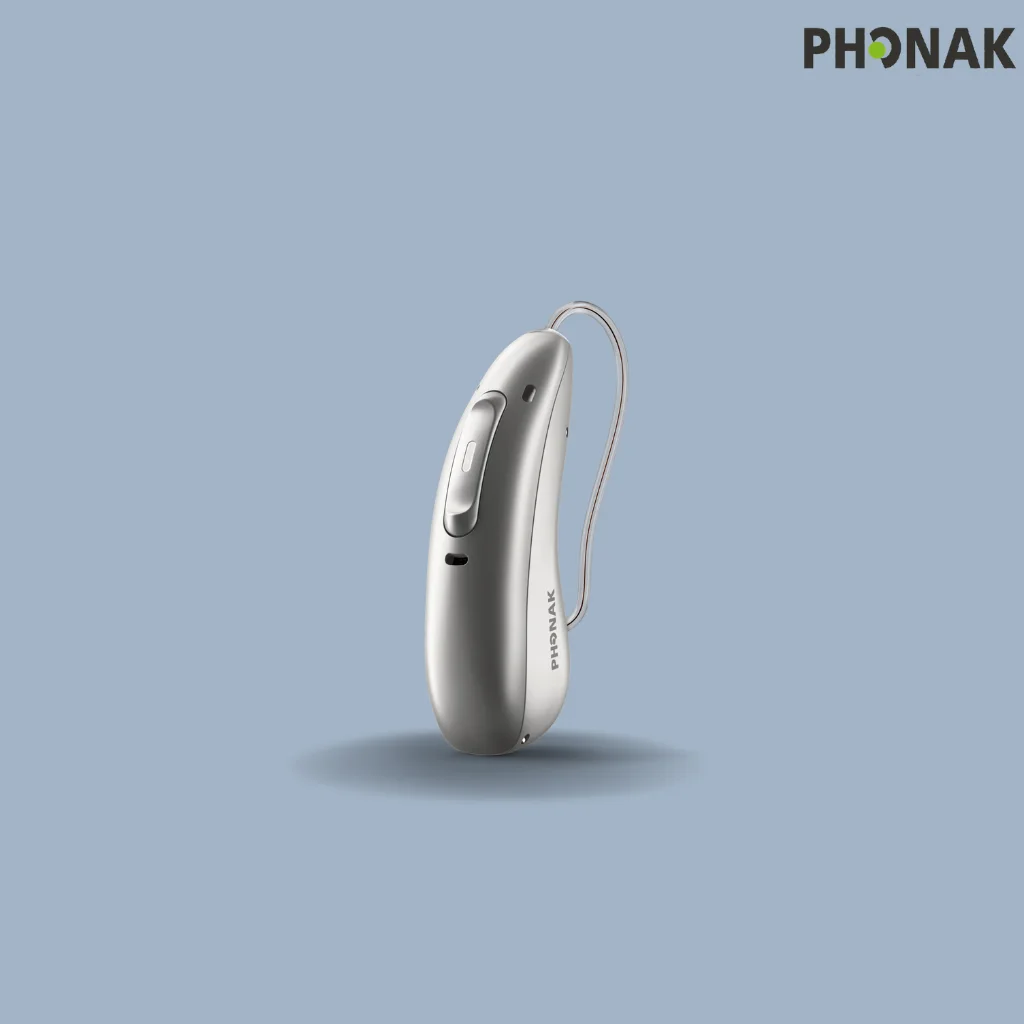
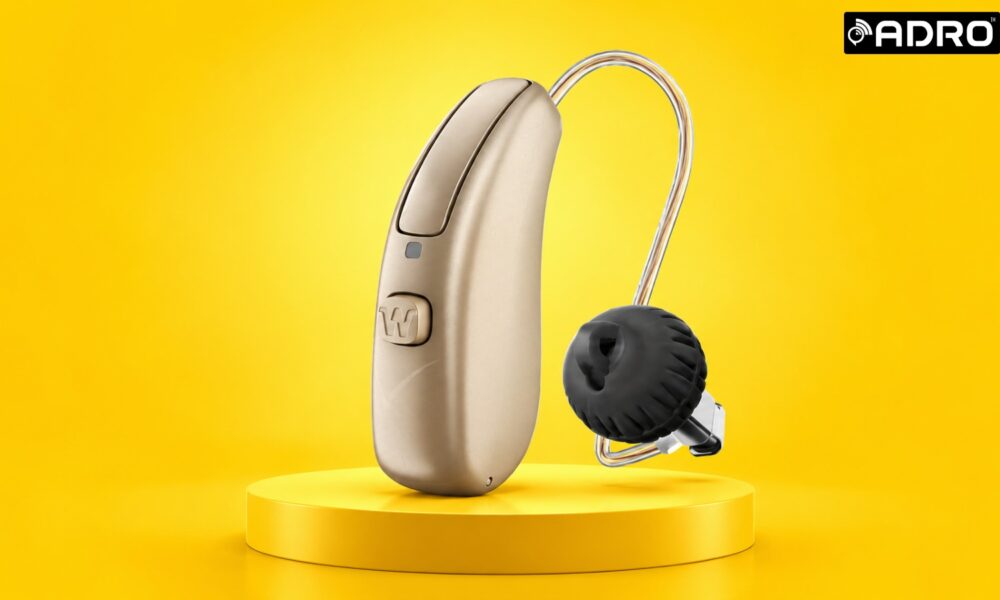
1. Receiver-in-Canal (RIC) This is the most commonly recommended style for mild to moderate hearing loss, and for good reason. RIC devices are discreet, lightweight, and deliver excellent sound quality without the bulkiness of older models. They sit comfortably behind the ear with a thin wire running to the ear canal.
2. Open-Fit Hearing Aids If you’ve ever worried about that “plugged up” feeling, open-fit aids solve it. Because they don’t fully block the ear canal, they let natural sound in alongside amplified sound — a favorite for people with mild loss who still want a natural listening experience.
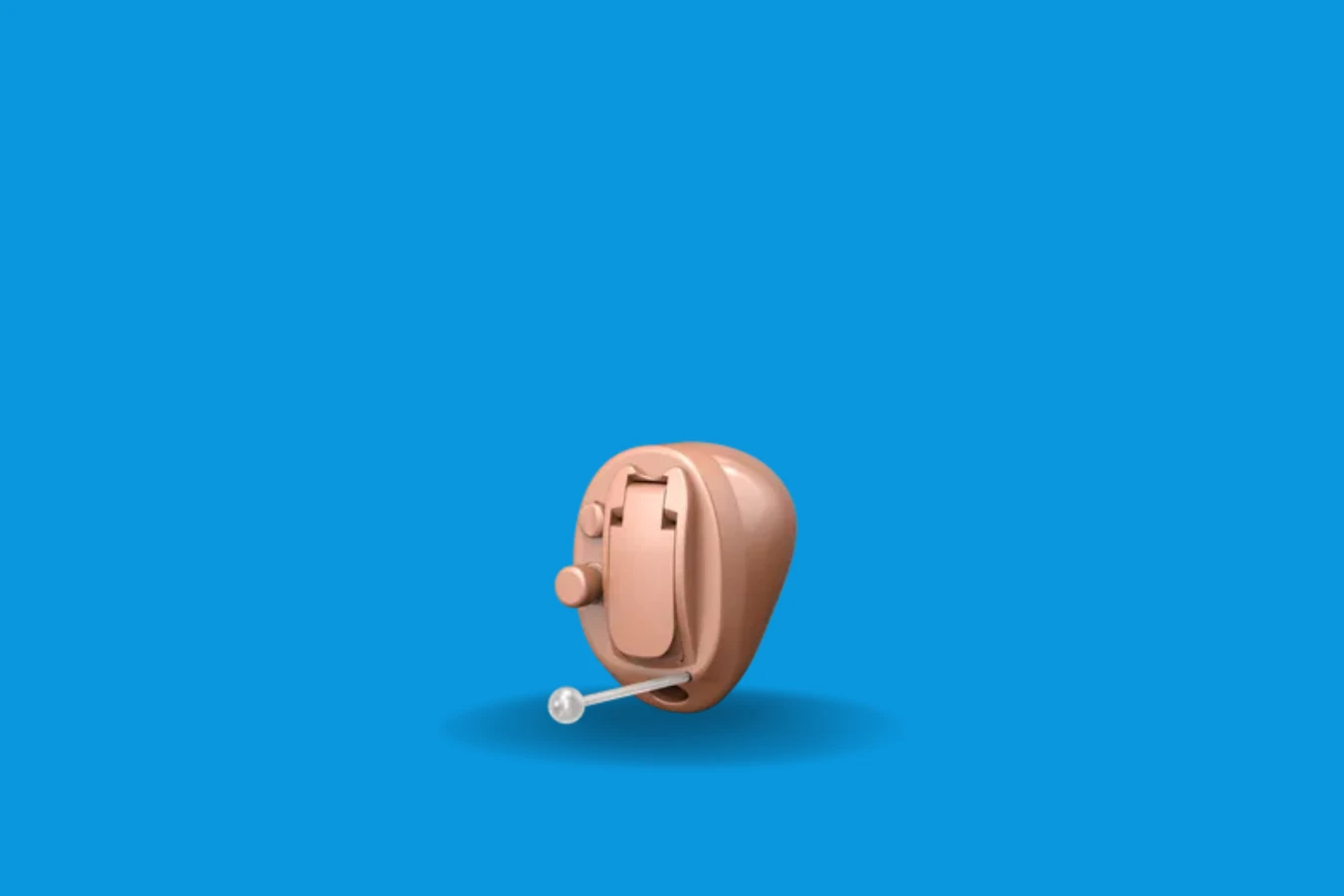
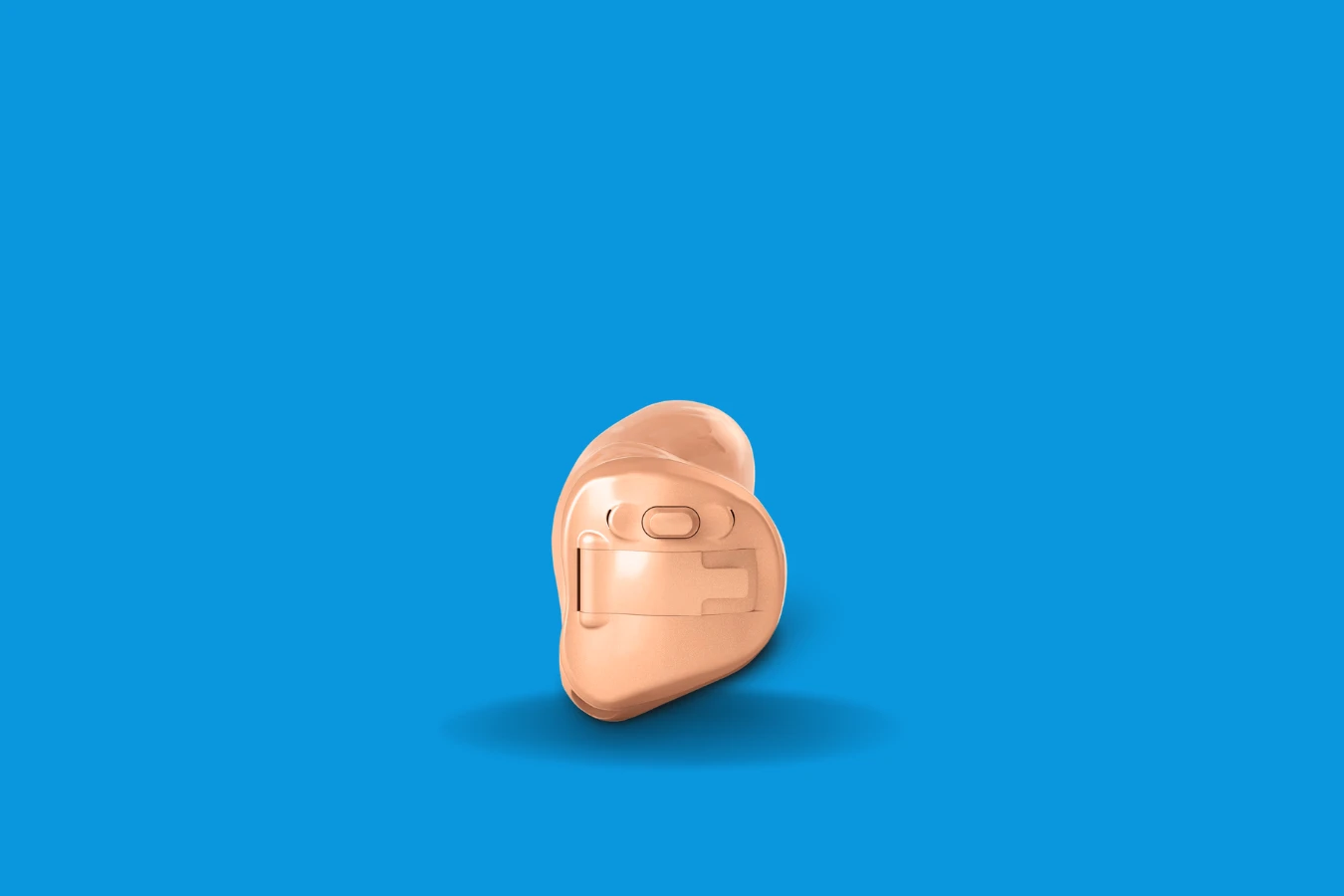
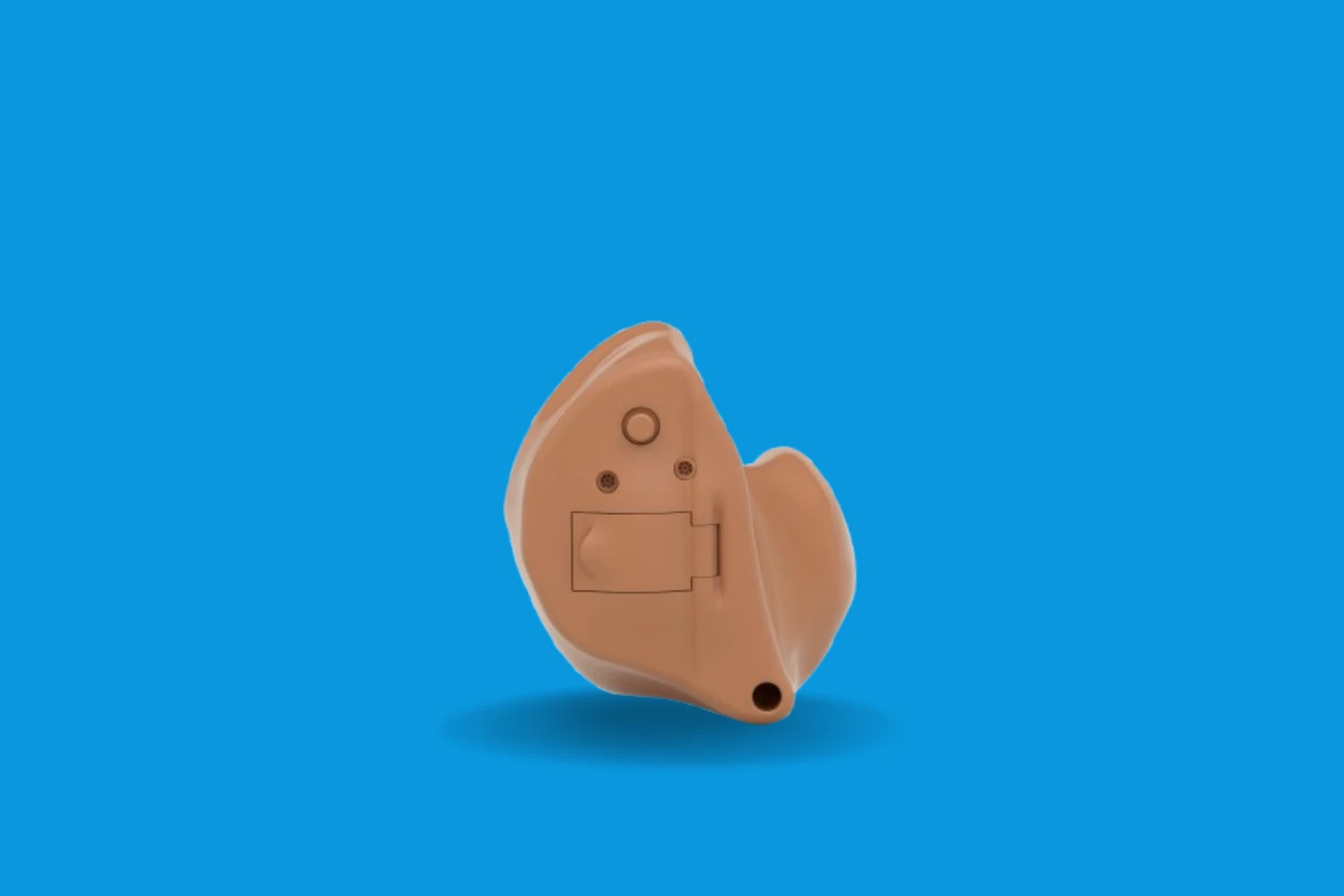
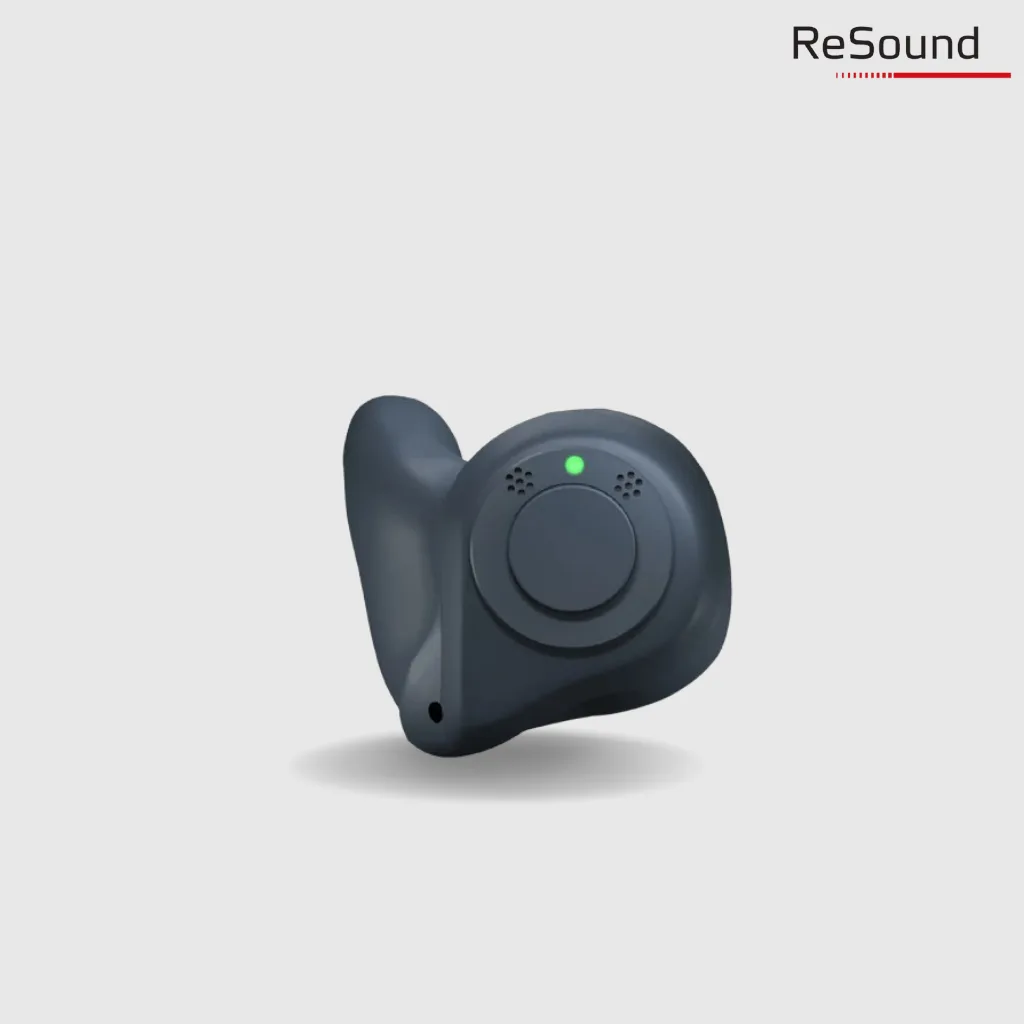
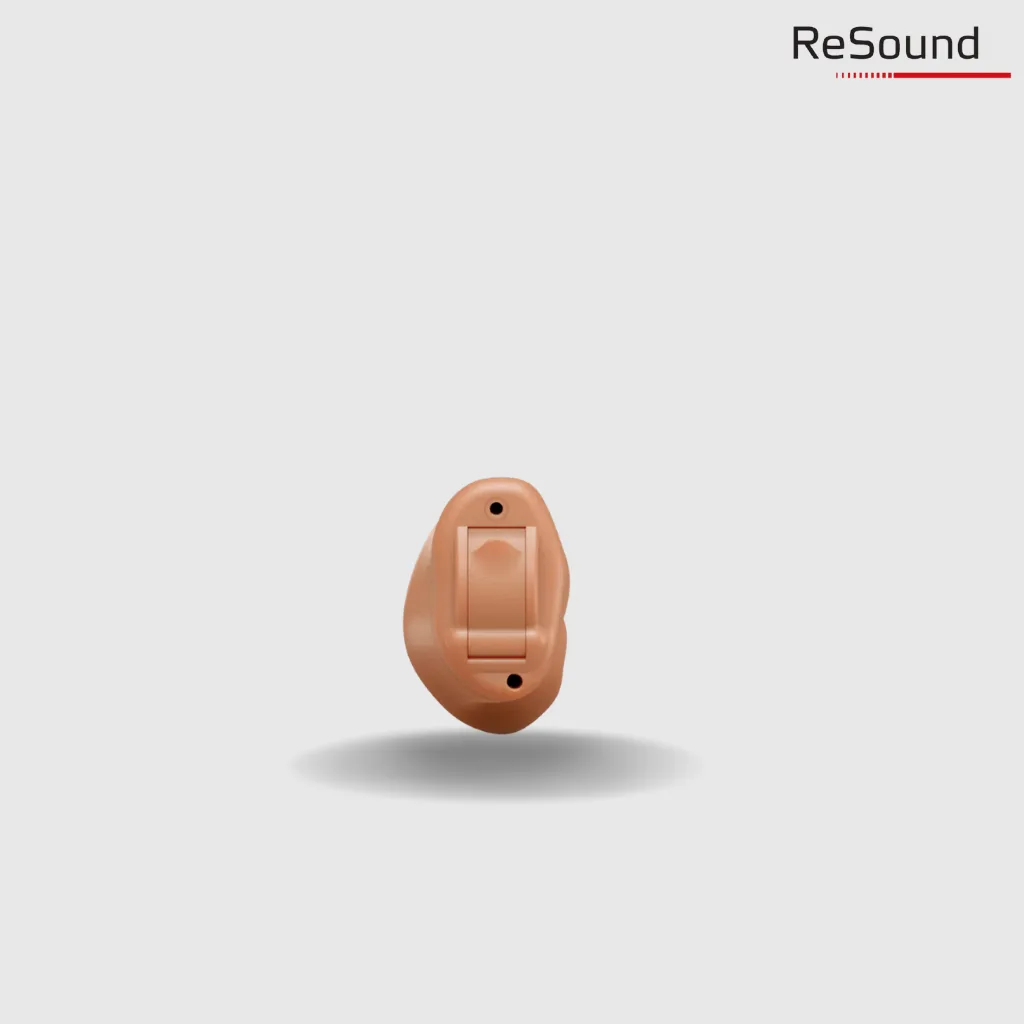
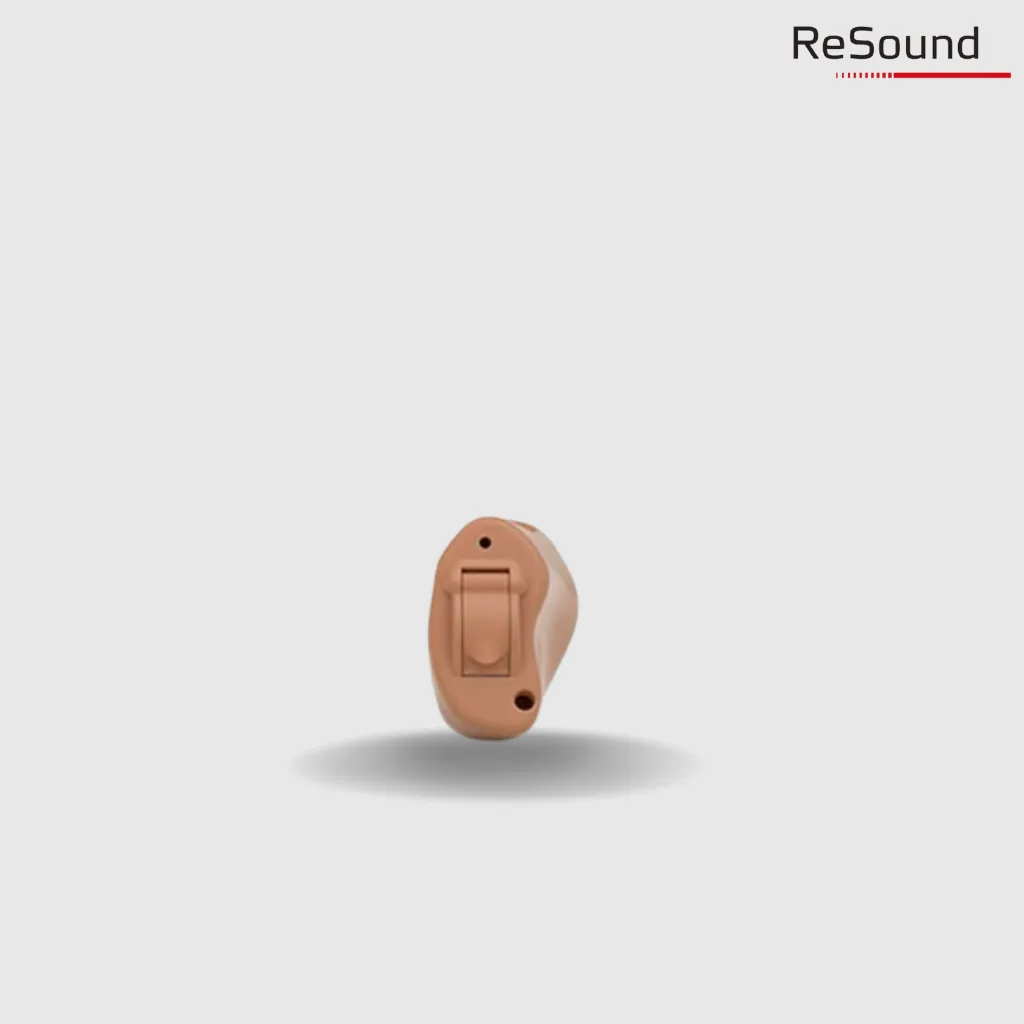
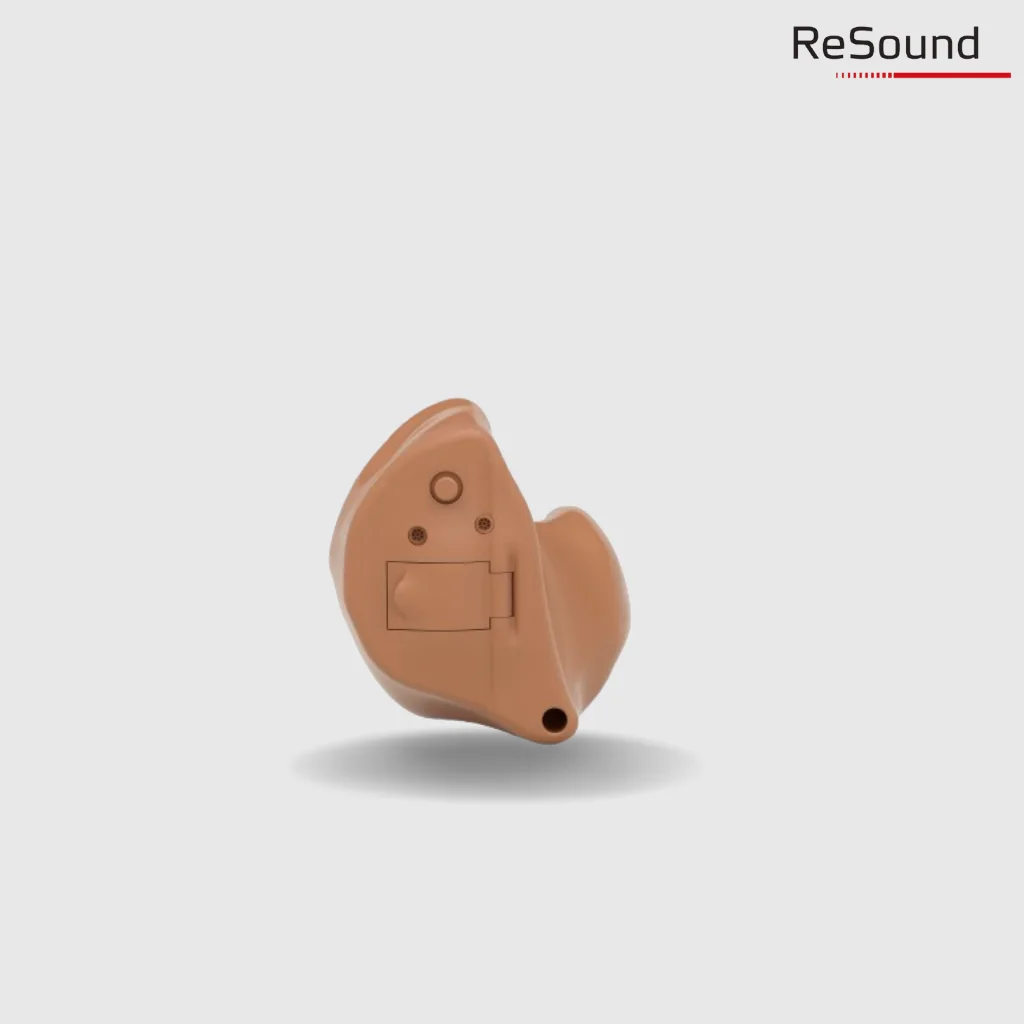
3. In-the-Ear (ITE) and In-the-Canal (ITC) These offer a nice middle ground: more discretion than behind-the-ear models, with enough power to comfortably handle moderate hearing loss.
Frequently Asked Questions
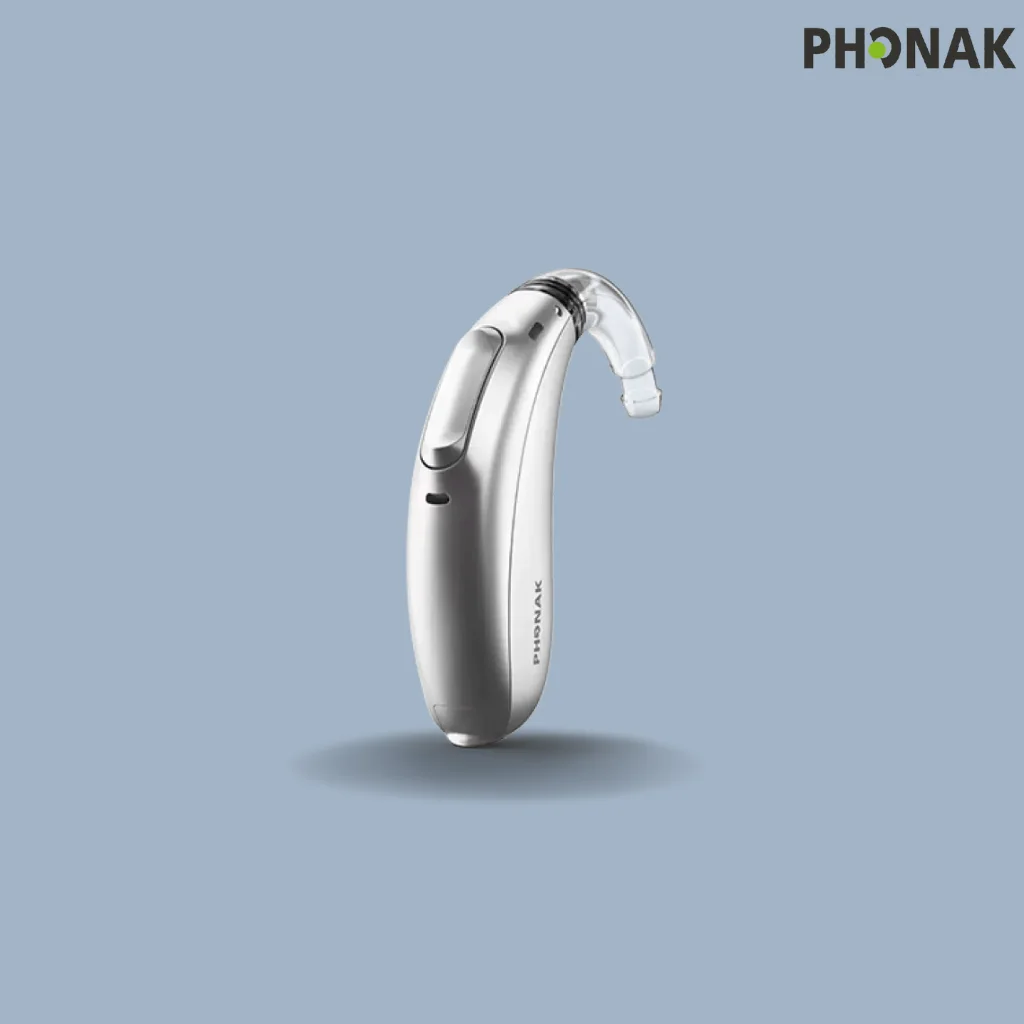
Which brand makes the best hearing aid for mild to moderate hearing loss? Phonak, Oticon, ReSound, Widex, and Signia consistently rank among the top choices, each offering devices tailored to this exact range. Rather than chasing a single “best” brand, focus on which device fits your lifestyle, budget, and comfort needs — a licensed audiologist can help you compare options side by side.
Do I really need a hearing aid for mild hearing loss? Yes — and sooner is better. Untreated hearing loss, even mild, has been linked to increased listening fatigue, social withdrawal, and faster cognitive decline over time. Addressing it early protects both your hearing and your overall well-being.
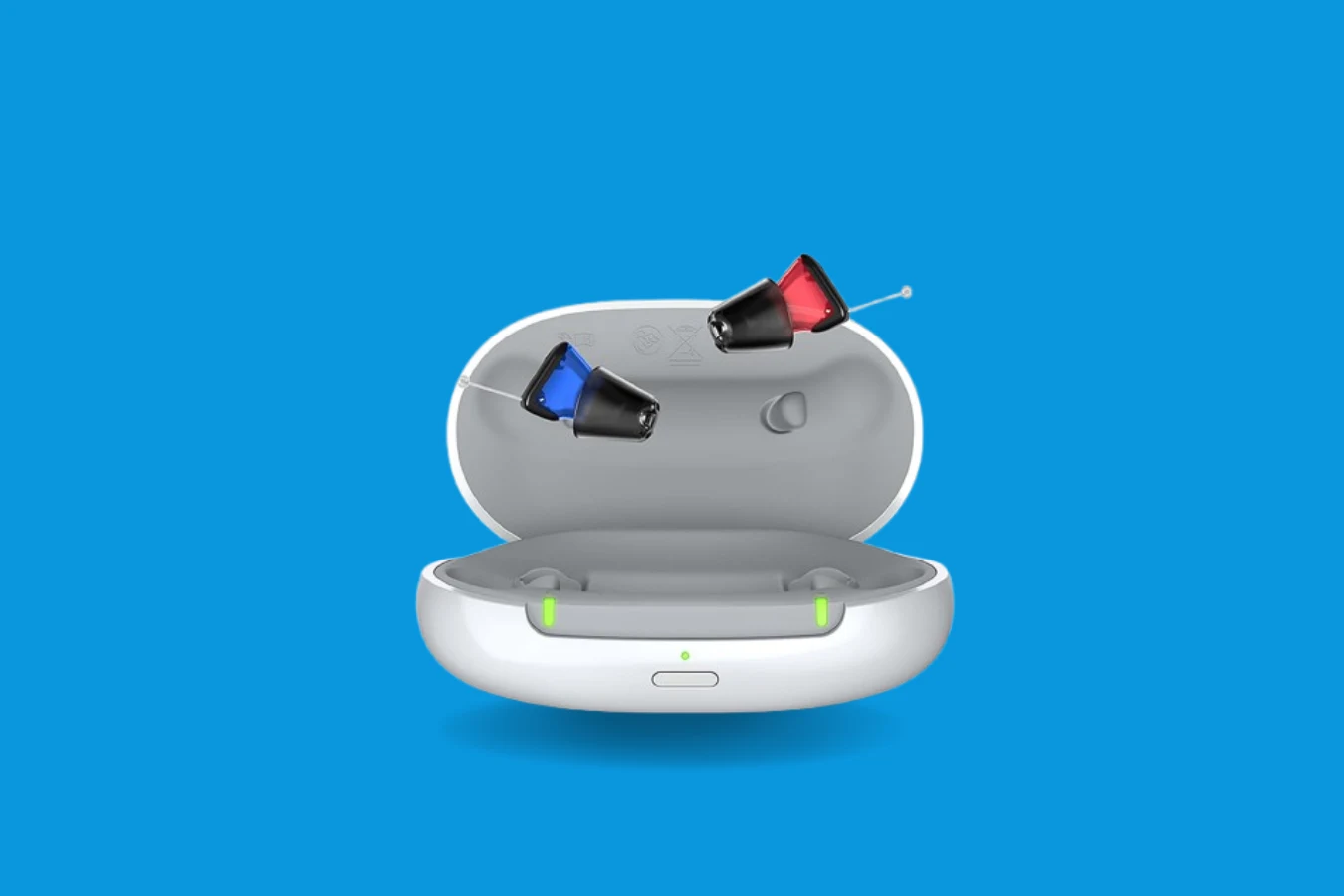
What features should I prioritize? Look for directional microphones (crucial for hearing in noisy restaurants or gatherings), Bluetooth connectivity for hands-free calls and streaming, rechargeable batteries for convenience, and feedback cancellation to eliminate that annoying whistling sound.
How much do hearing aids cost? Prices vary widely depending on technology level, typically ranging from budget-friendly basic models to premium devices with advanced AI-driven sound processing. Many providers now offer flexible financing, and it’s worth checking whether your insurance provides partial coverage.
Can I try before I buy? Absolutely — and you should insist on it. Most reputable providers offer a trial period, giving you real-world time to adjust before committing.
Why Acting Now Matters
Here’s the truth: hearing loss rarely stays the same — it tends to progress gradually, and the longer it goes untreated, the harder your brain has to work to fill in the gaps. The exciting part is that today’s hearing aids are discreet, powerful, and genuinely life-changing. Taking action now means reclaiming conversations, reconnecting with the people you love, and rediscovering sounds you may not have even realized you were missing.
Conclusion
Choosing the best hearing aid for mild to moderate hearing loss comes down to understanding your specific needs, prioritizing comfort and features that match your lifestyle, and working with a trusted specialist who can fine-tune your device for real results. With options like RIC, open-fit, and ITE/ITC models, there’s a solution suited to nearly every preference and budget. Don’t let hearing loss quietly shrink your world — the right hearing aid is closer, more affordable, and more comfortable than you might think. Book a hearing consultation today and take the first step toward hearing life clearly again.


How Frequently Should You Take A.
Everyone would remember the last time they visited a general physician for a health checkup. But, when was the last.
Read More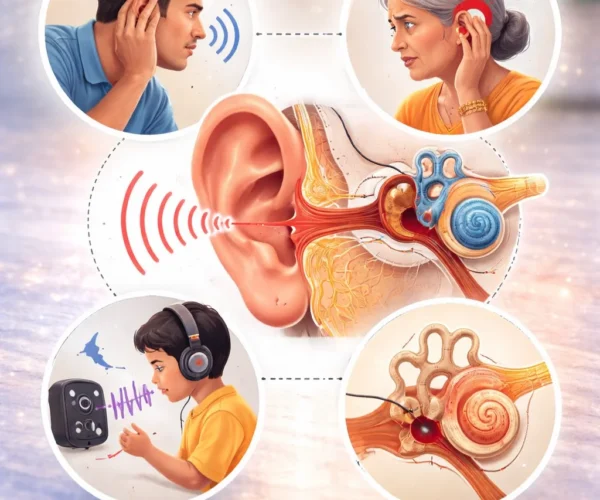
What Are The Different Types Of.
Hearing loss is a major issue or disability where it can affect all age groups on due to various factors..
Read More