

















Why Your Hearing Aid Whistles and How to Fix It
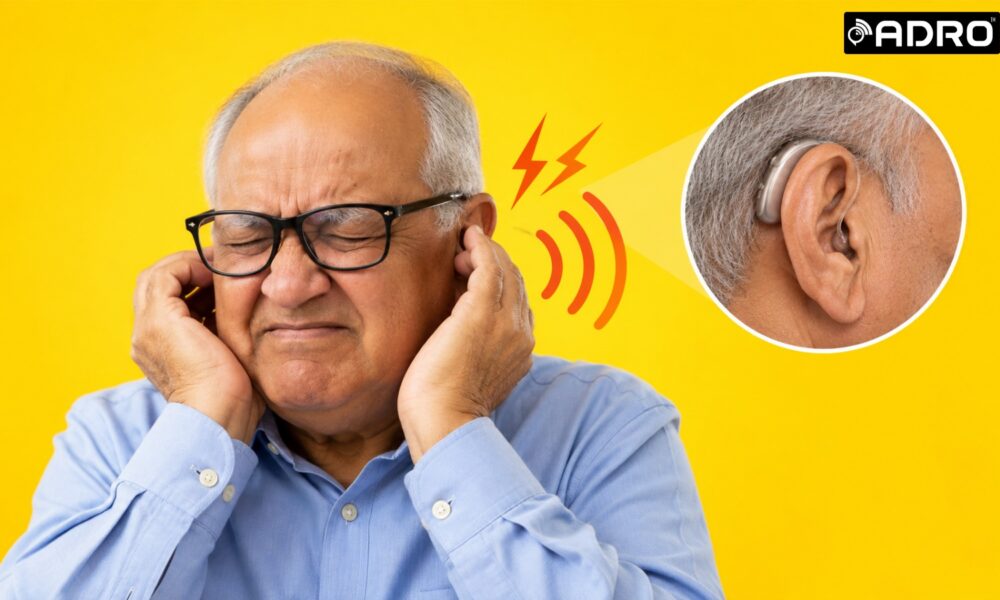
You put your hearing aid in, and suddenly there is a high-pitched squeal that everyone else can hear too. It is embarrassing, irritating and, for many new users, a reason to leave the device in the drawer. The reassuring news is that a whistling hearing aid is usually not broken. In most cases the cause is simple and the fix is quick.
This guide explains why hearing aids whistle, how to work out the cause, what you can try at home, and when it is time to see an audiologist.
Quick answer: Hearing aid whistling, called acoustic feedback, happens when amplified sound leaks out of your ear and re-enters the microphone. The most common causes are poor fit, earwax, a worn ear mould or dome, damaged tubing and volume that is too high. Re-seat the device, clean it, check the tip and tubing, and see an audiologist if it continues.
Key takeaways
- Whistling is nearly always a fit, wax or placement issue, not a sign the device has failed.
- Never stuff tissue, tape or cotton into your ear or the device to stop the noise.
- Cleaning and checking the tip, dome and tubing solves many cases within minutes.
- Persistent whistling deserves a professional look: a refit, new ear mould or reprogramming often fixes it for good.
What causes a hearing aid to whistle?
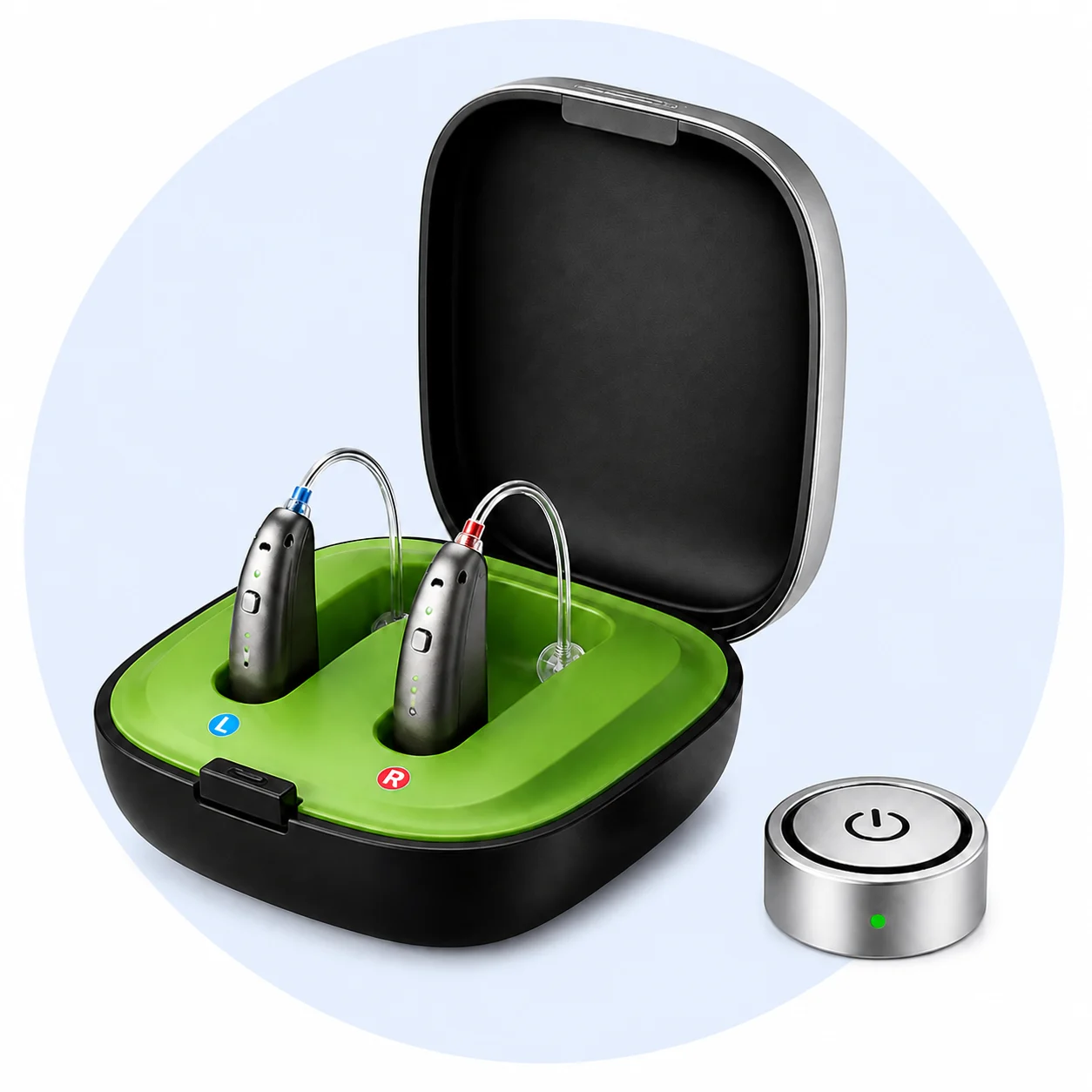
A hearing aid has a microphone that picks up sound, an amplifier that makes it louder, and a speaker (the receiver) that delivers it into your ear. Normally the sound travels into the ear canal and stays there. Whistling happens when some of that amplified sound escapes through a gap, reaches the microphone again and gets amplified once more. This loop builds quickly into the familiar squeal.
Anything that lets sound leak, or reflects sound back towards the microphone, can start it. For a deeper look at the technology, see our articles on reasons why some hearing aids produce a whistling sound and causes of hearing aid feedback.
Common causes and how to fix them
| Cause | Clue | What to do |
|---|---|---|
| Not inserted properly | Whistles right after you put it in, or after you chew or yawn | Remove and re-insert gently until it sits snugly, then check the fit in a mirror. |
| Earwax in the ear canal | Sound has become weaker or muffled, or the ear feels blocked | Do not use cotton buds. Have the wax checked and removed by a doctor or audiologist. |
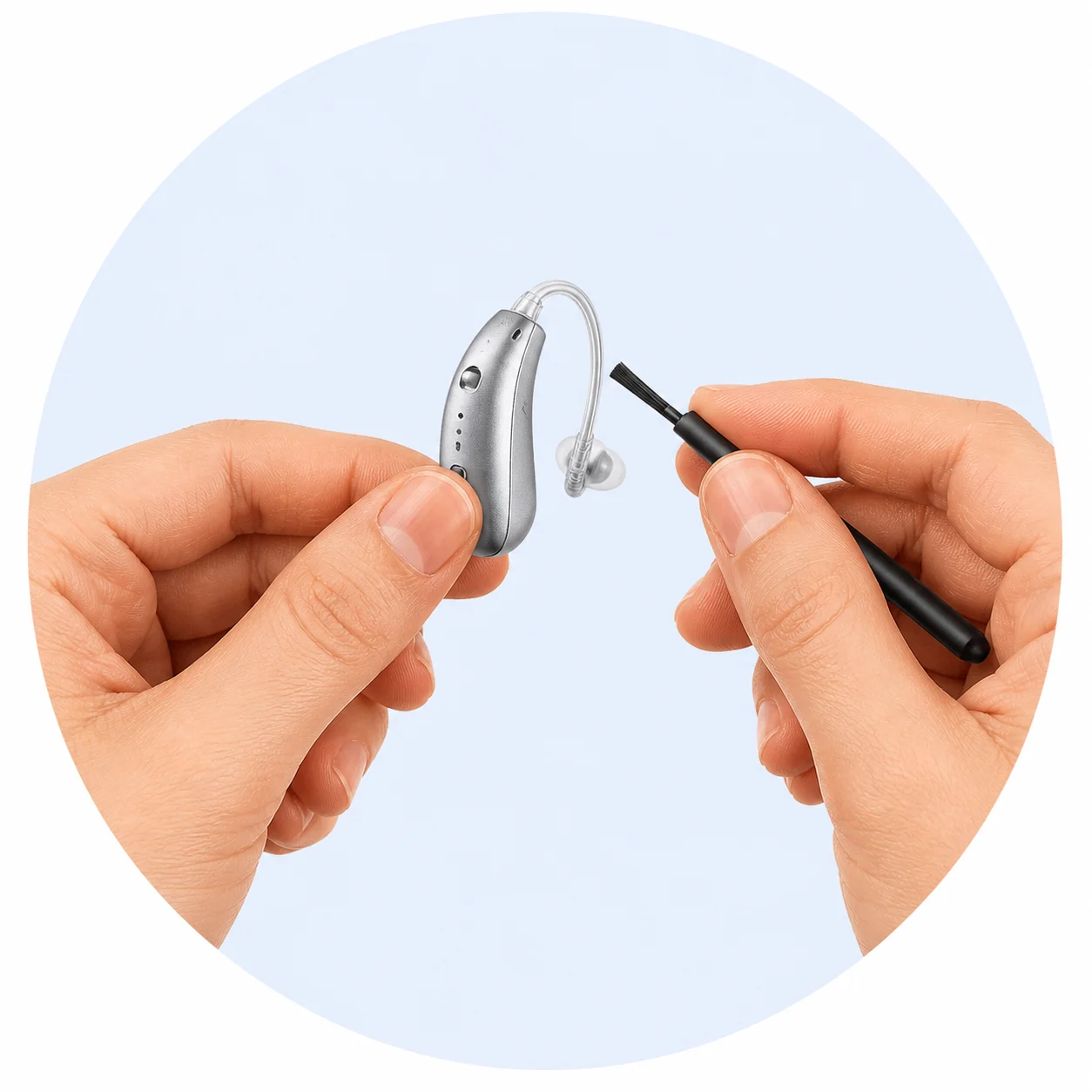
| Wax on the device | Visible wax on the tip, dome or wax guard | Wipe, brush and replace the wax guard as shown by your audiologist. |
| Worn or loose dome or ear mould | Dome looks stretched, stiff or discoloured; the fit feels looser than before | Replace the dome, or ask about a new ear mould. |
| Cracked or loose tubing | Whistling on behind-the-ear models; tubing looks hard, yellow or split | Have the tubing replaced by your audiologist. |
| Volume too high | Squeal appears when you turn the volume up | Lower it slightly and ask your audiologist to review the programming. |
| Objects near the ear | Whistles when you hug someone, wear a hat, hold a phone or lean on a pillow | Move the object away. The sound reflects back into the microphone. |
| Change in the ear shape | Gradual looseness over months, or growth in a child | Refit or remake the mould. Children’s ears grow, so regular checks matter. |
| Device or programming issue | Still whistles when held in your hand or placed on a table | Visit the clinic for inspection, repair or feedback calibration. |
Step-by-step: fix the whistling at home
- Turn the volume down slightly and see whether the noise stops.
- Re-seat the hearing aid. Remove it, then insert it again, following the technique your audiologist showed you, until it sits firmly.
- Check for obstructions. Look at the tip, dome and wax guard for wax or debris, and wipe the device with a soft, dry cloth.
- Replace the wax guard or dome if they look clogged, stretched or worn.
- Inspect the tubing (behind-the-ear models) for cracks, moisture or hardening.
- Test it away from your ear. Cup the device in your hand: if it whistles, it may have a fault. If it only whistles in your ear, fit or wax is the likelier cause.
- Check your ear. If the ear feels blocked or sound is muffled, you may have wax that needs professional removal.
Our guide on how to clean and maintain your hearing aid at home shows the safe cleaning routine in detail, and troubleshooting hearing aid problems covers other common issues.
Please avoid: pushing cotton, tissue, tape or any sharp object into the ear or the hearing aid, using cotton buds or ear candles for wax, and trying to open the device. These can push wax deeper, damage the eardrum or ruin the hearing aid.
When the problem is the ear mould or the fit
If a hearing aid whistles repeatedly even when clean and correctly inserted, the fit is the most likely culprit. An ear mould or dome that is too small, too loose or worn will let sound leak. A well-made custom ear mould seals the ear canal comfortably and reduces feedback, and the quality of the impression matters; read more about the ear impression procedure and how to tell whether you are happy with your earmould.
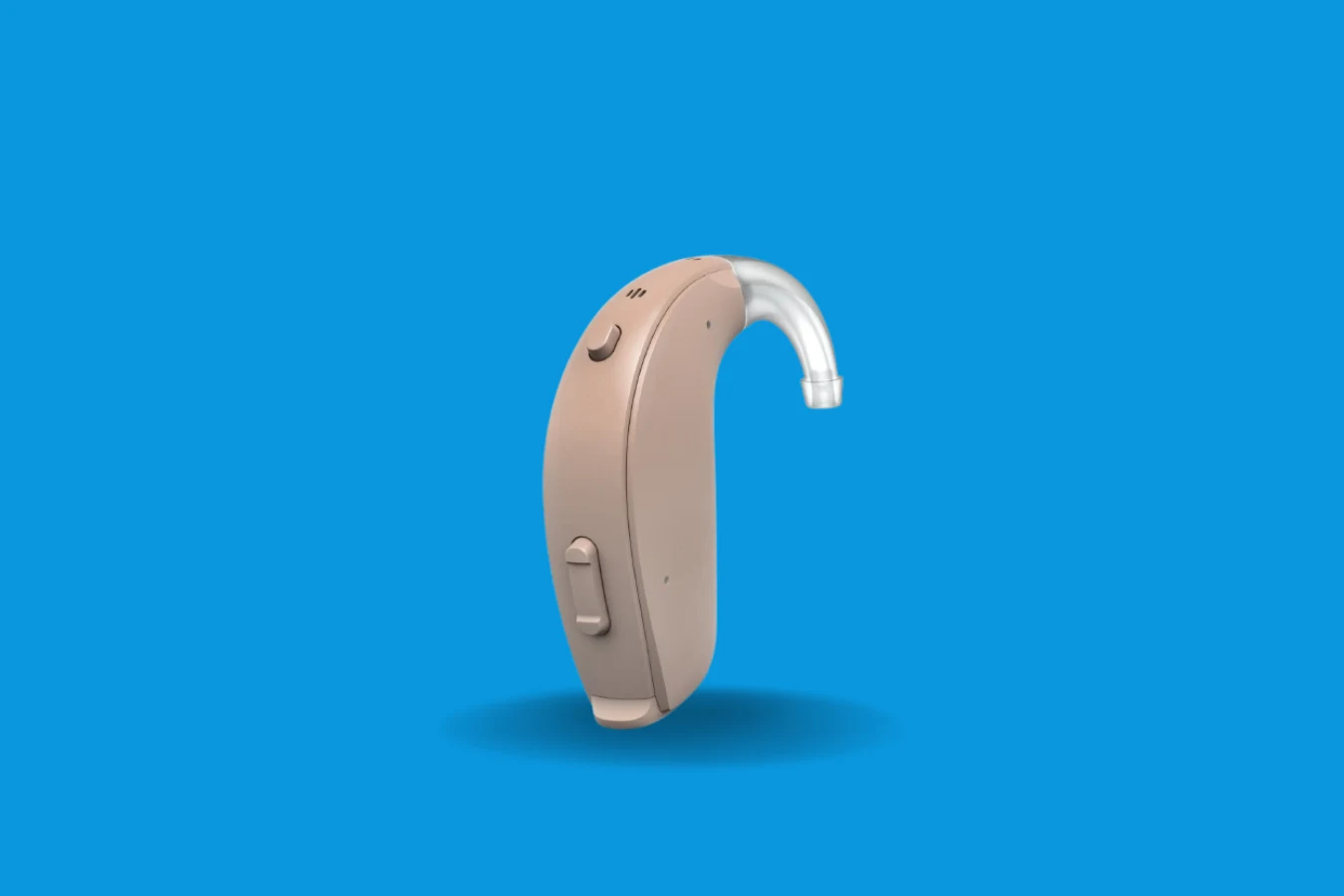
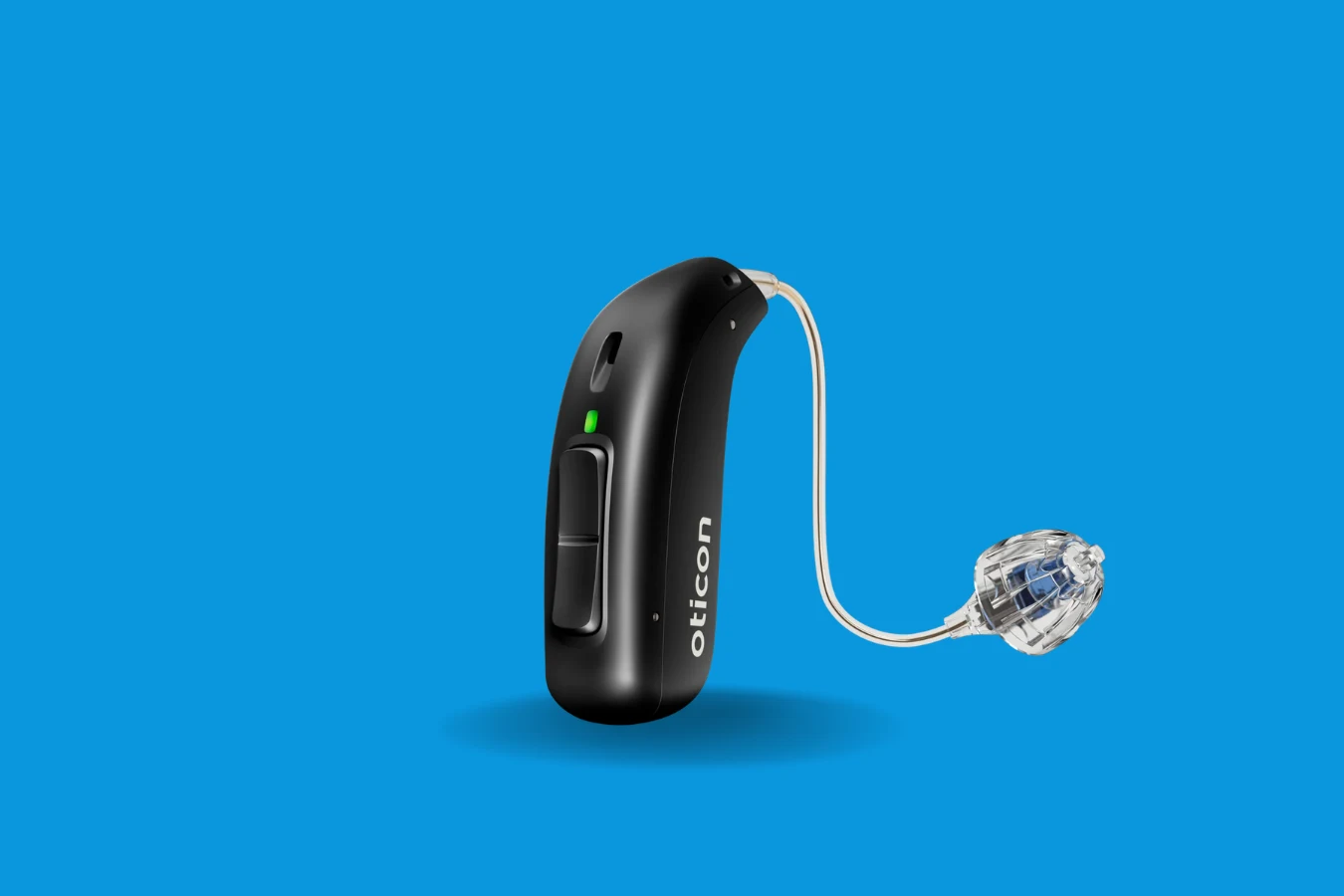
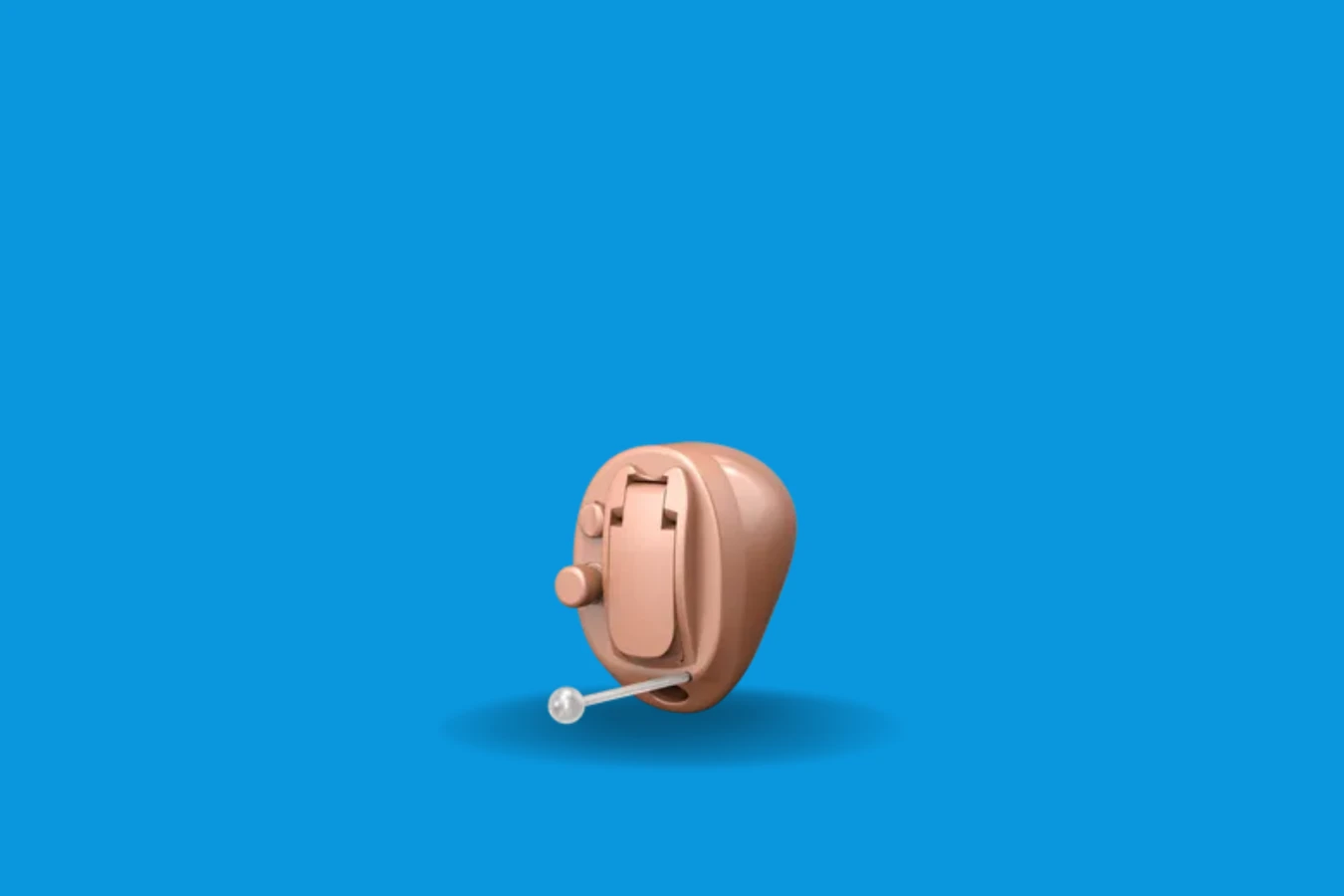
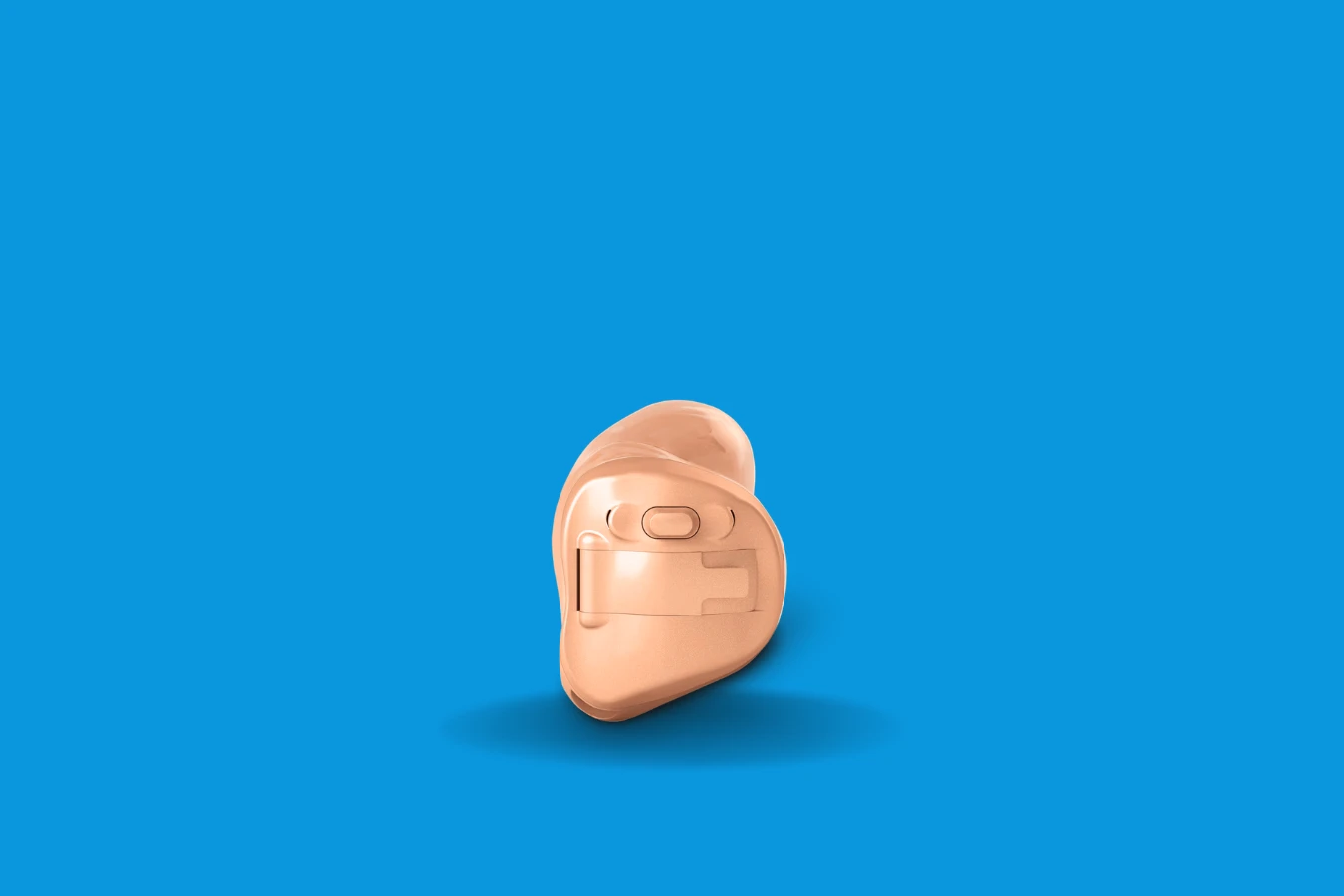
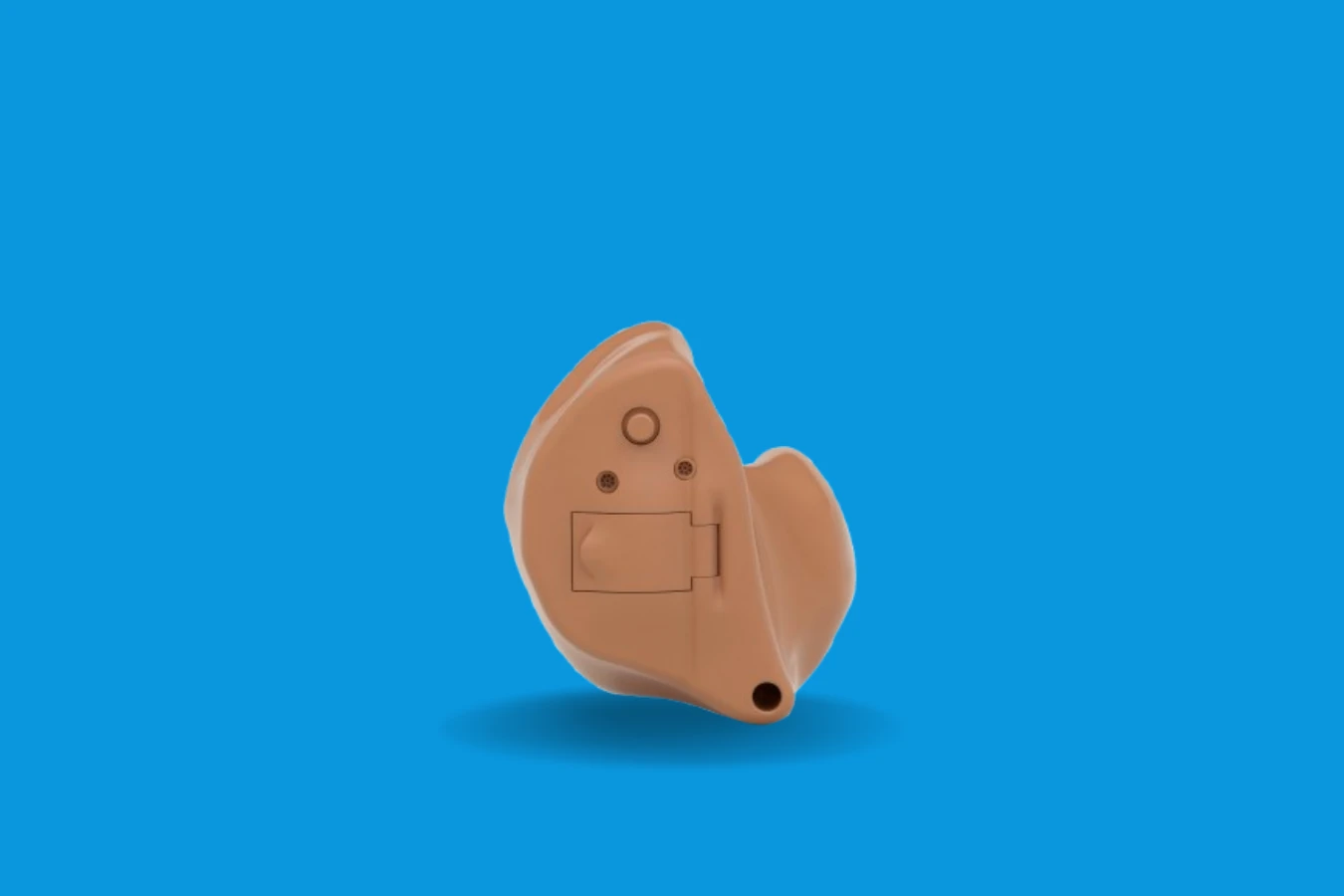
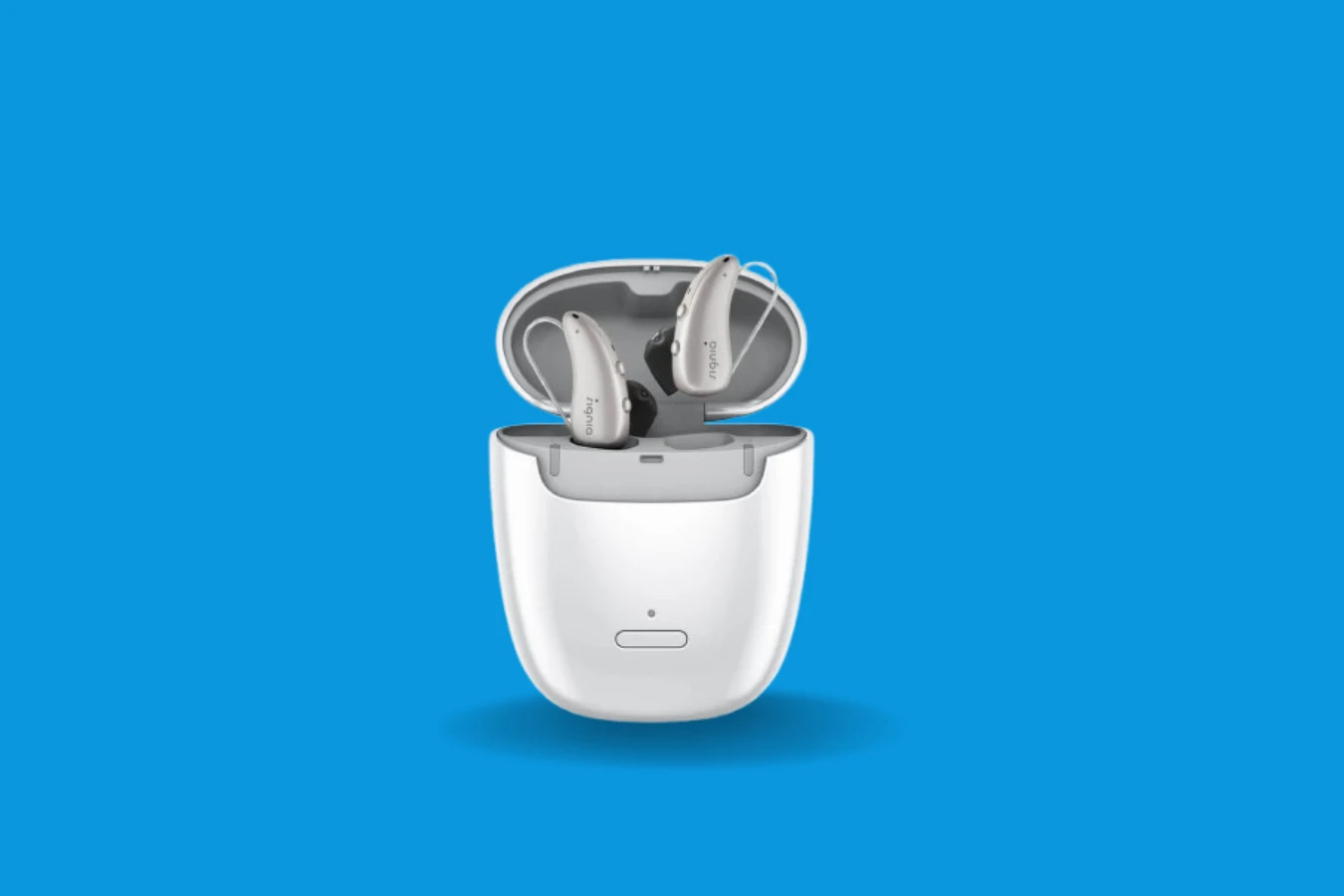
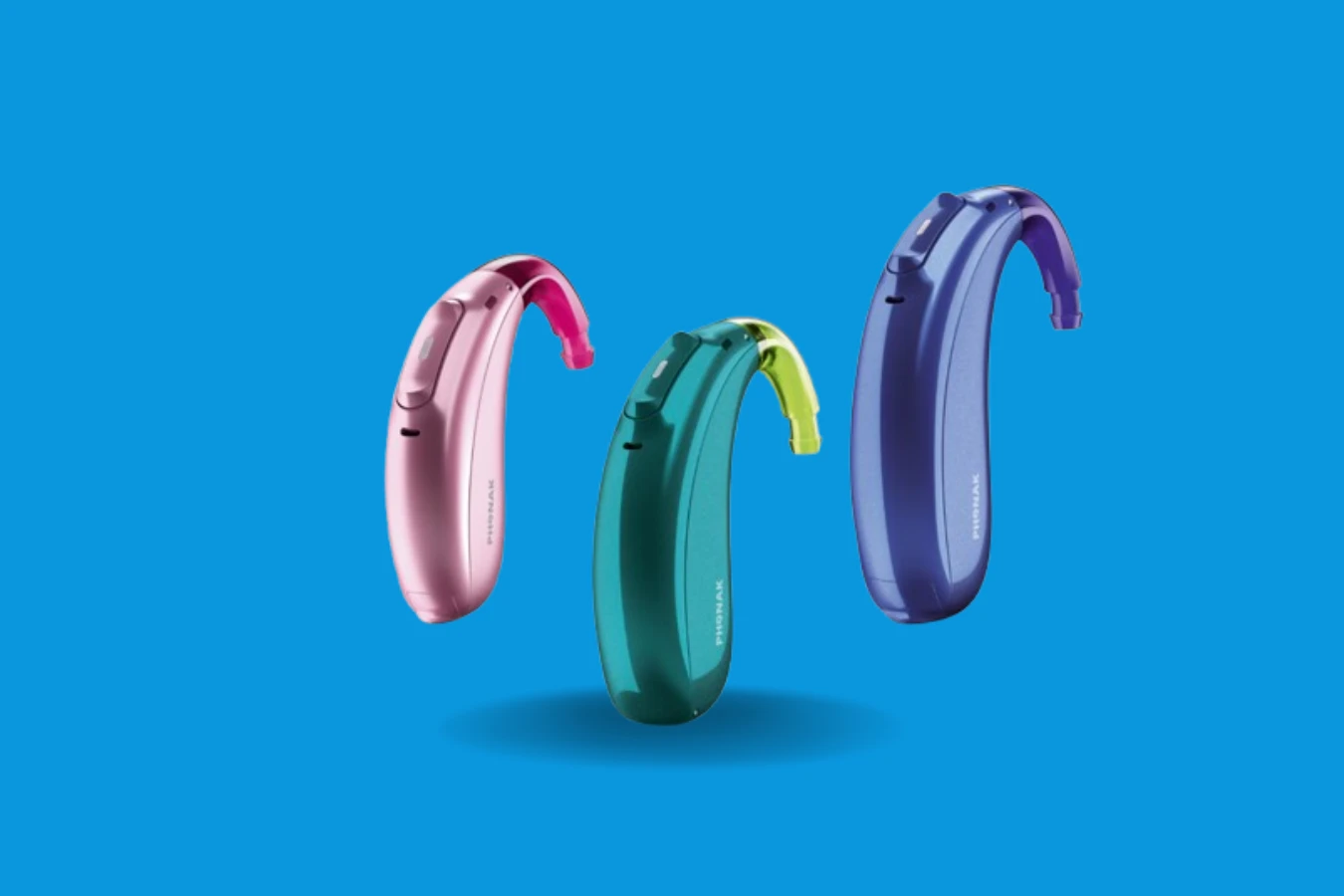
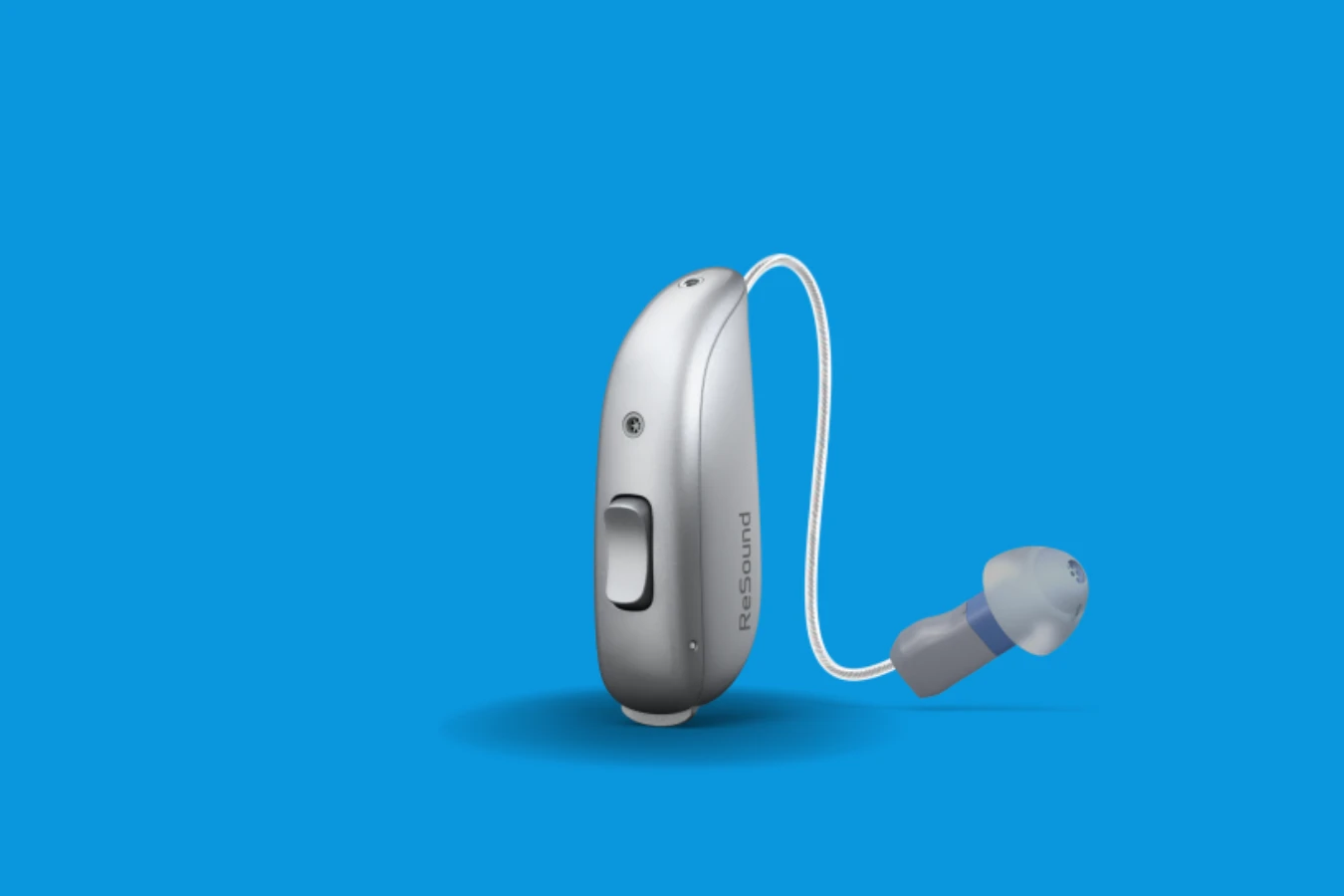
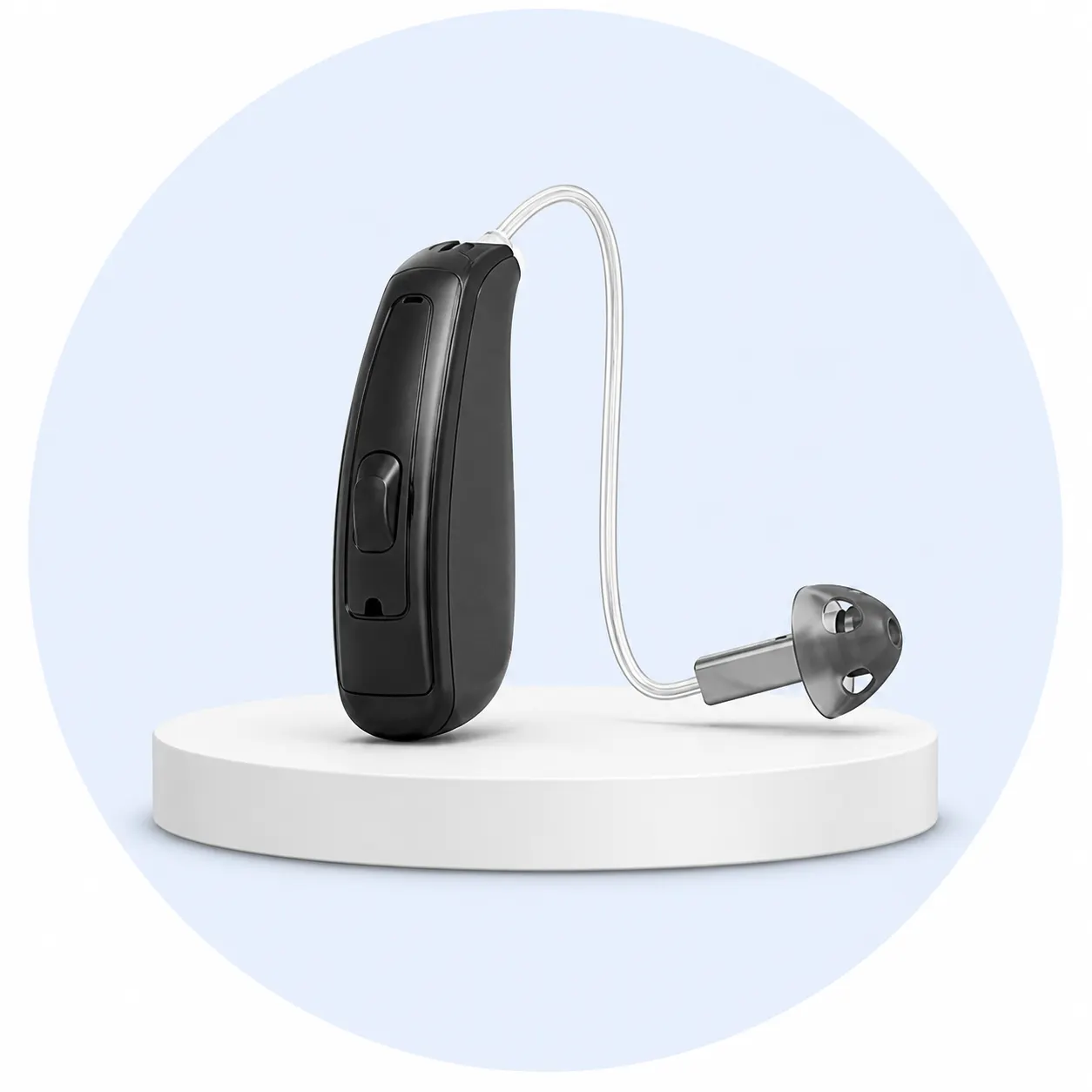
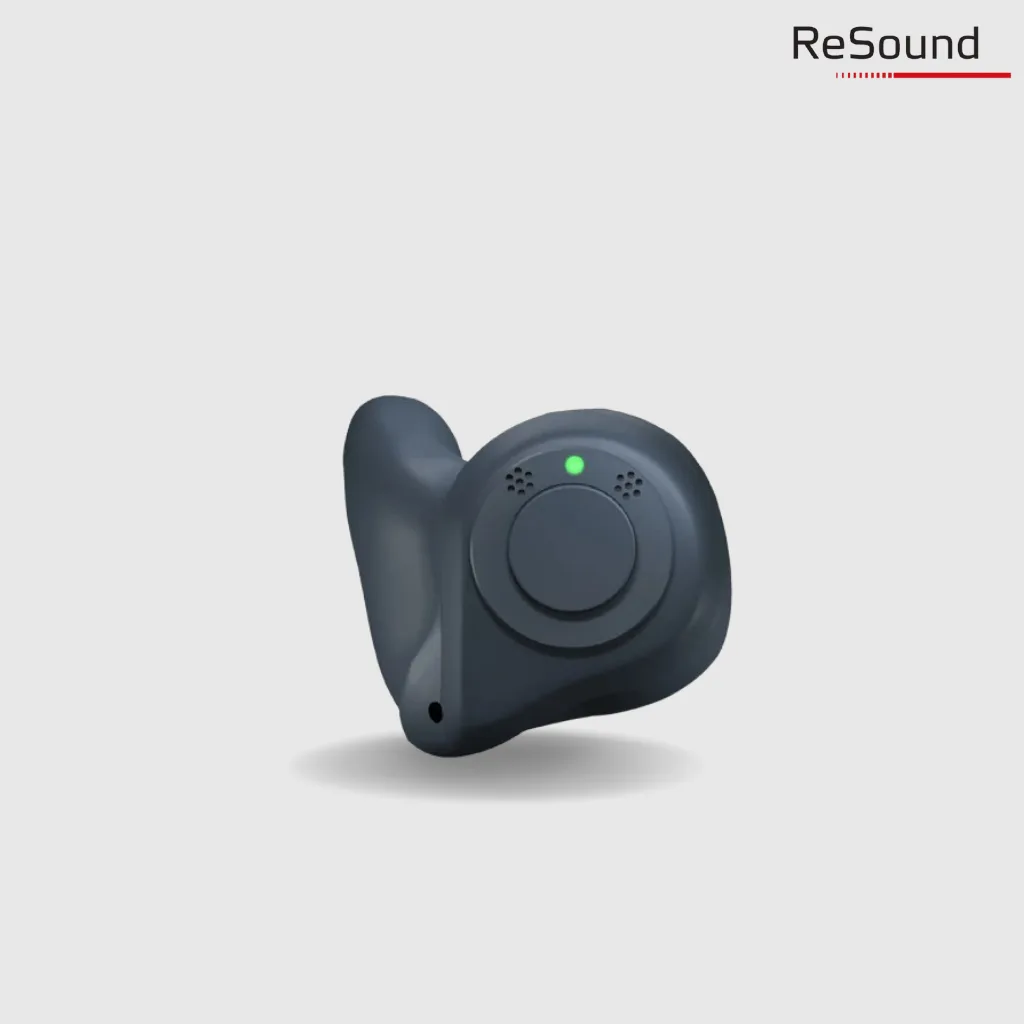
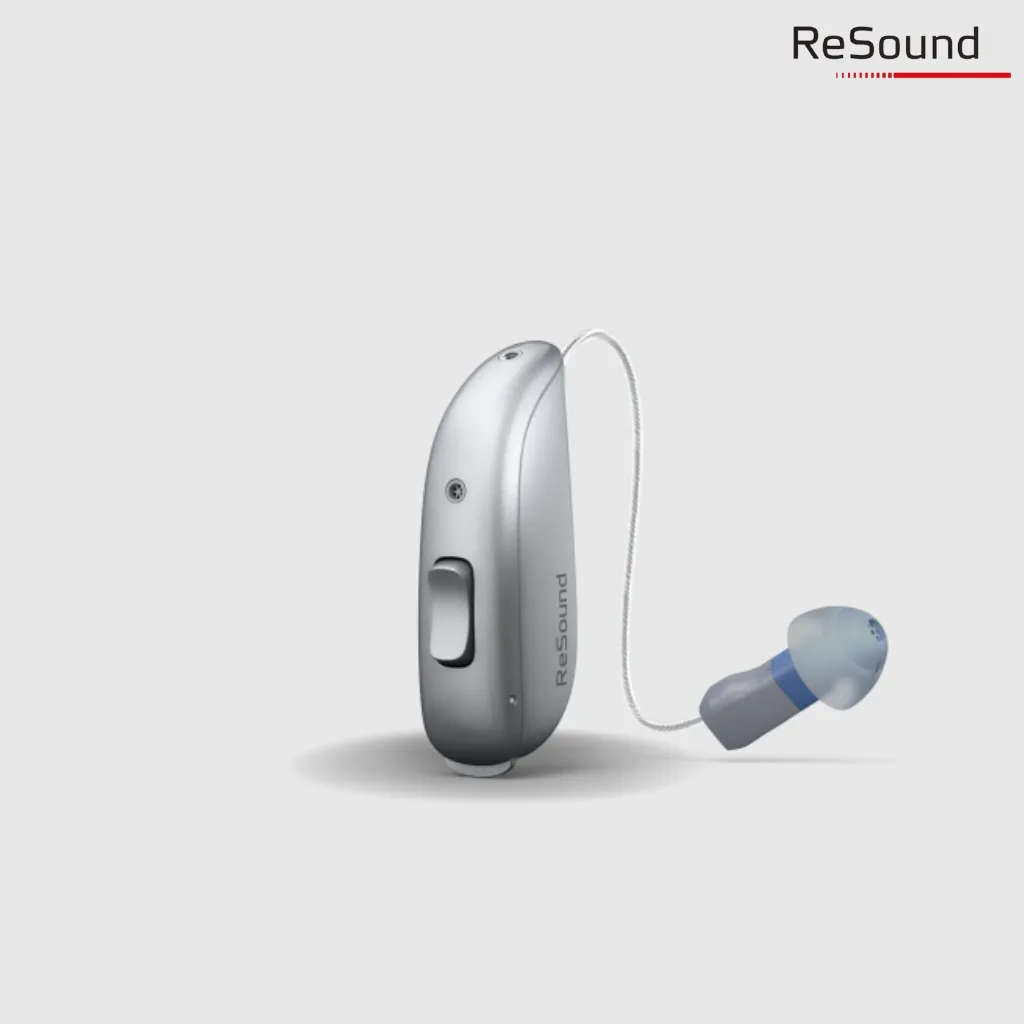
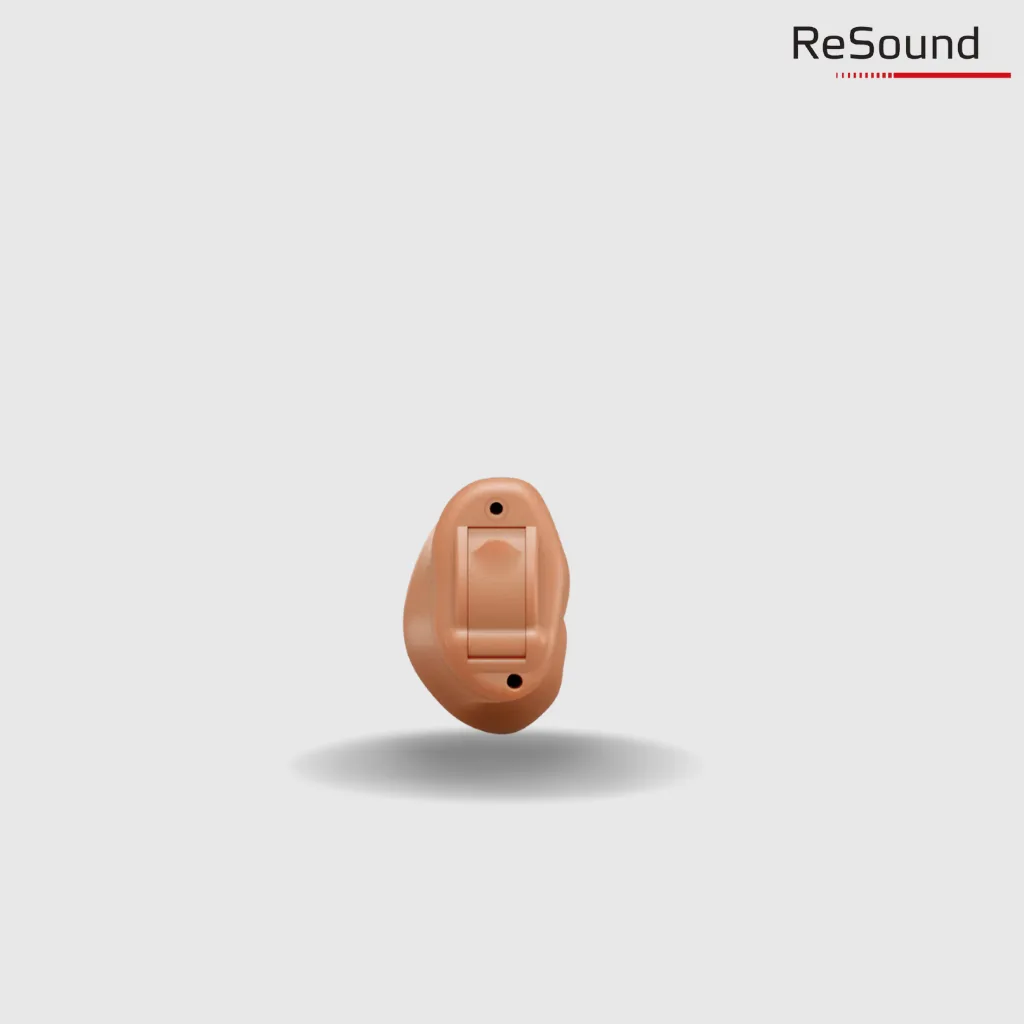
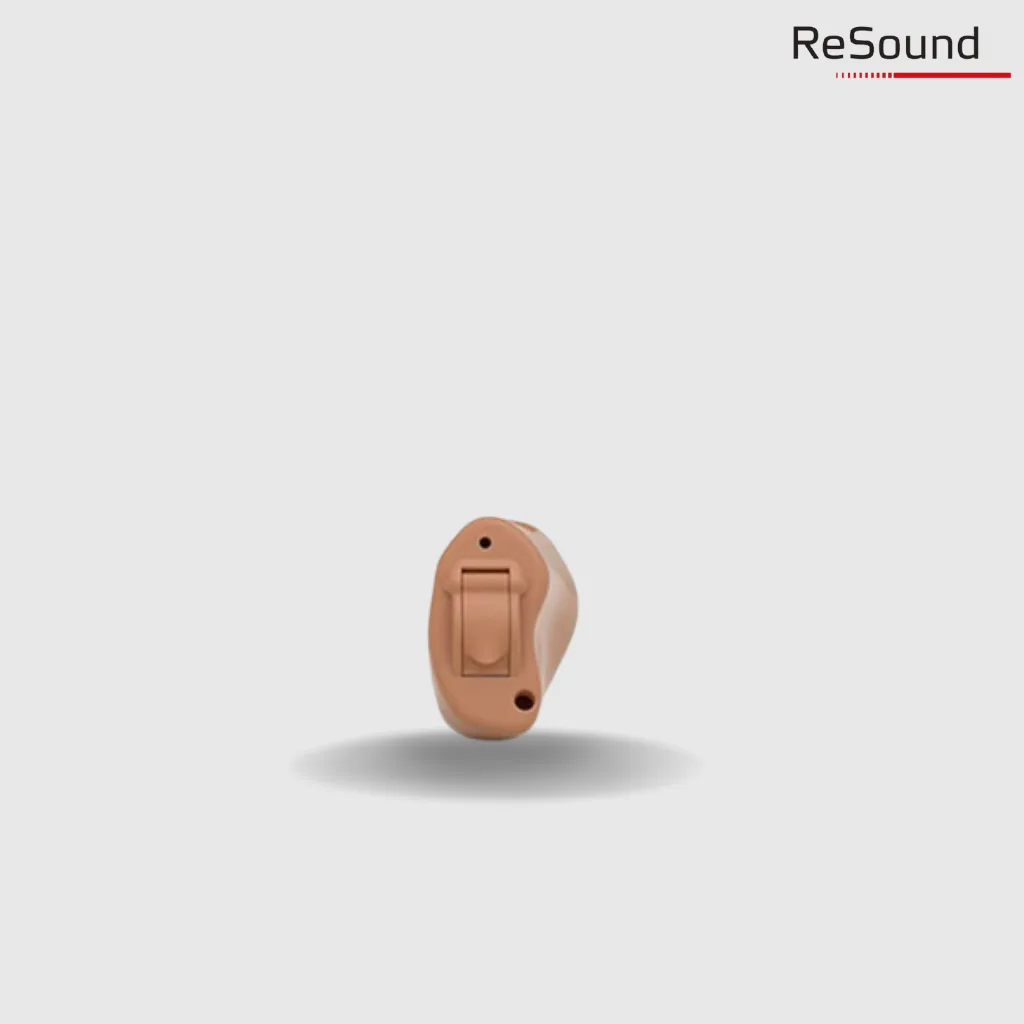
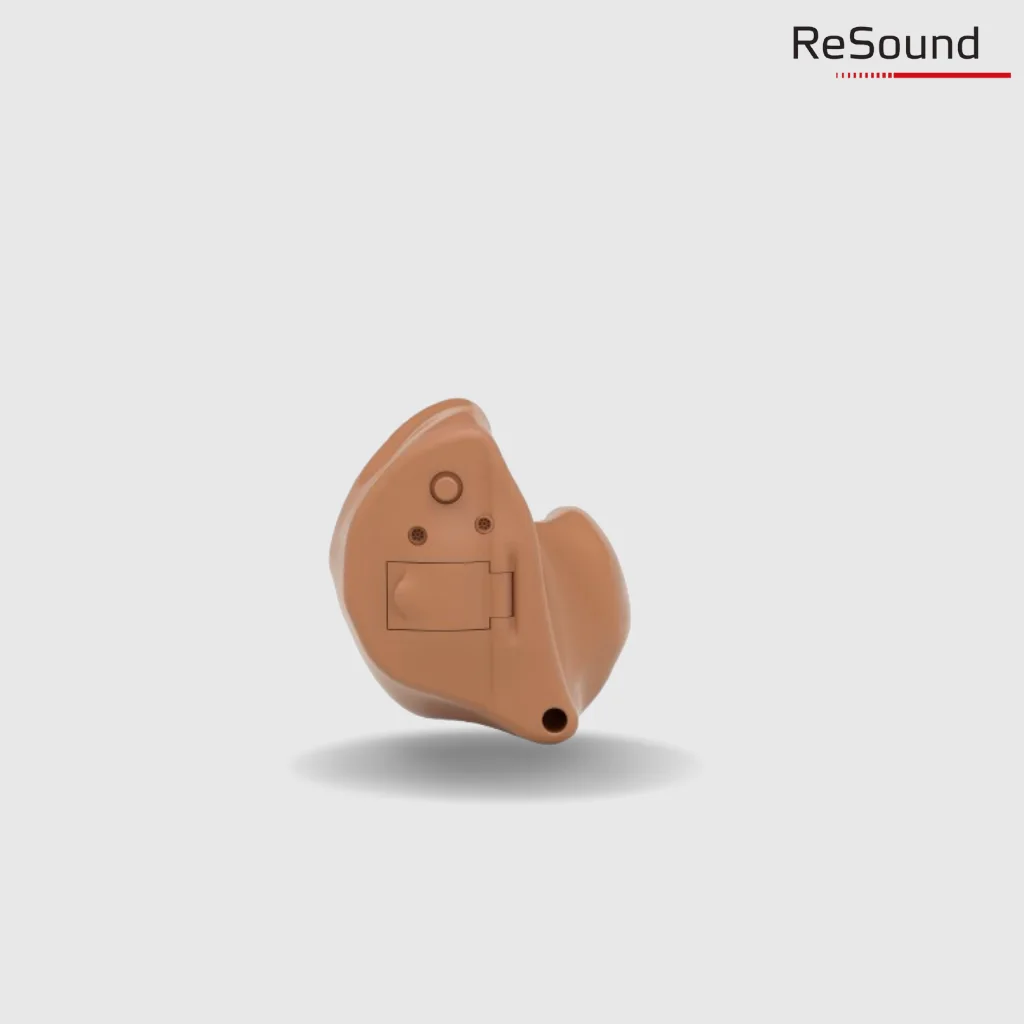
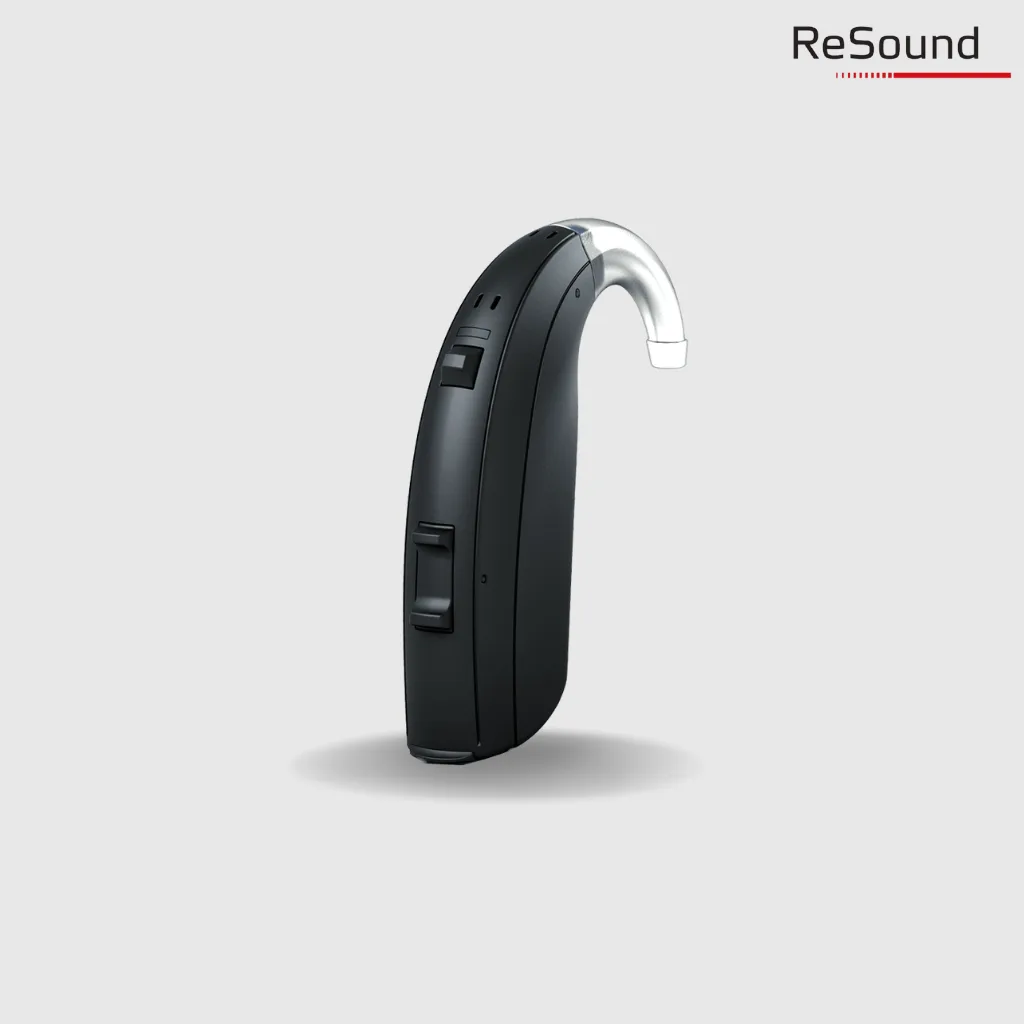
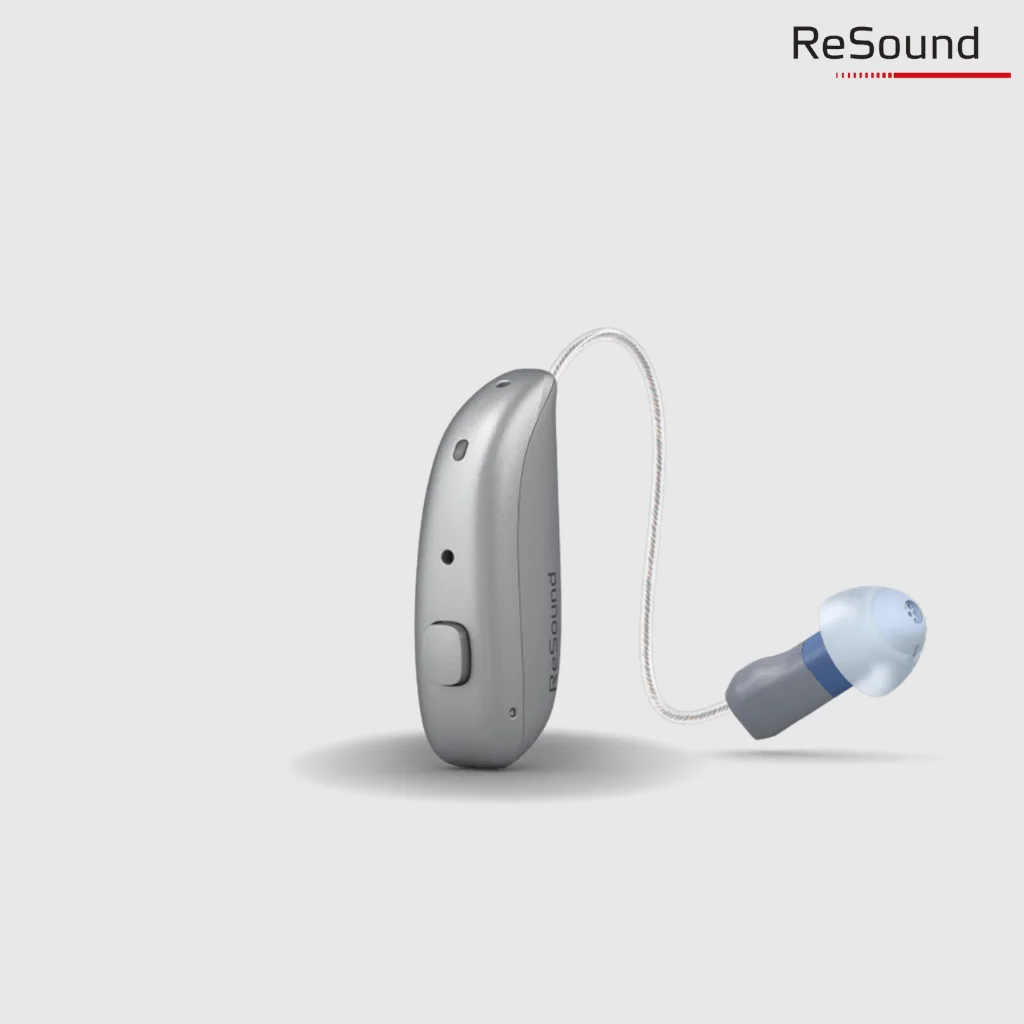
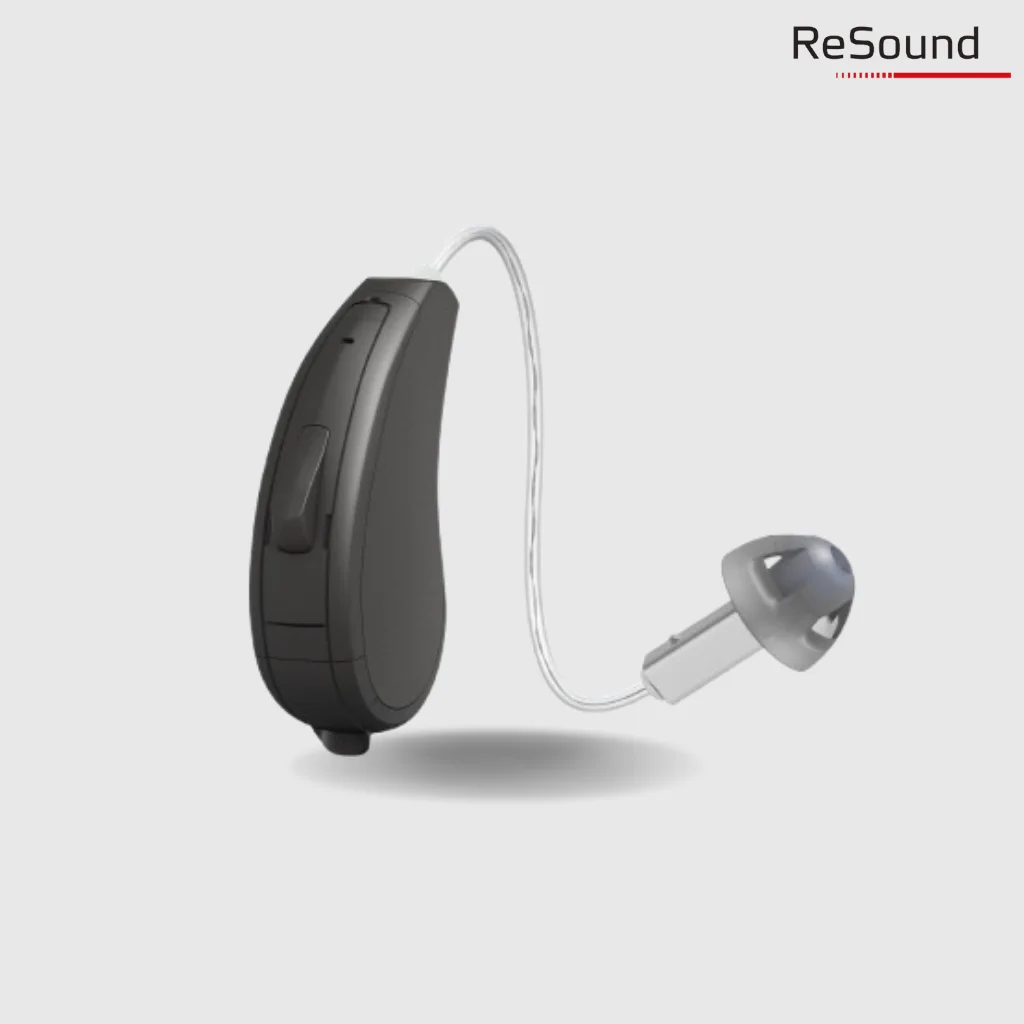
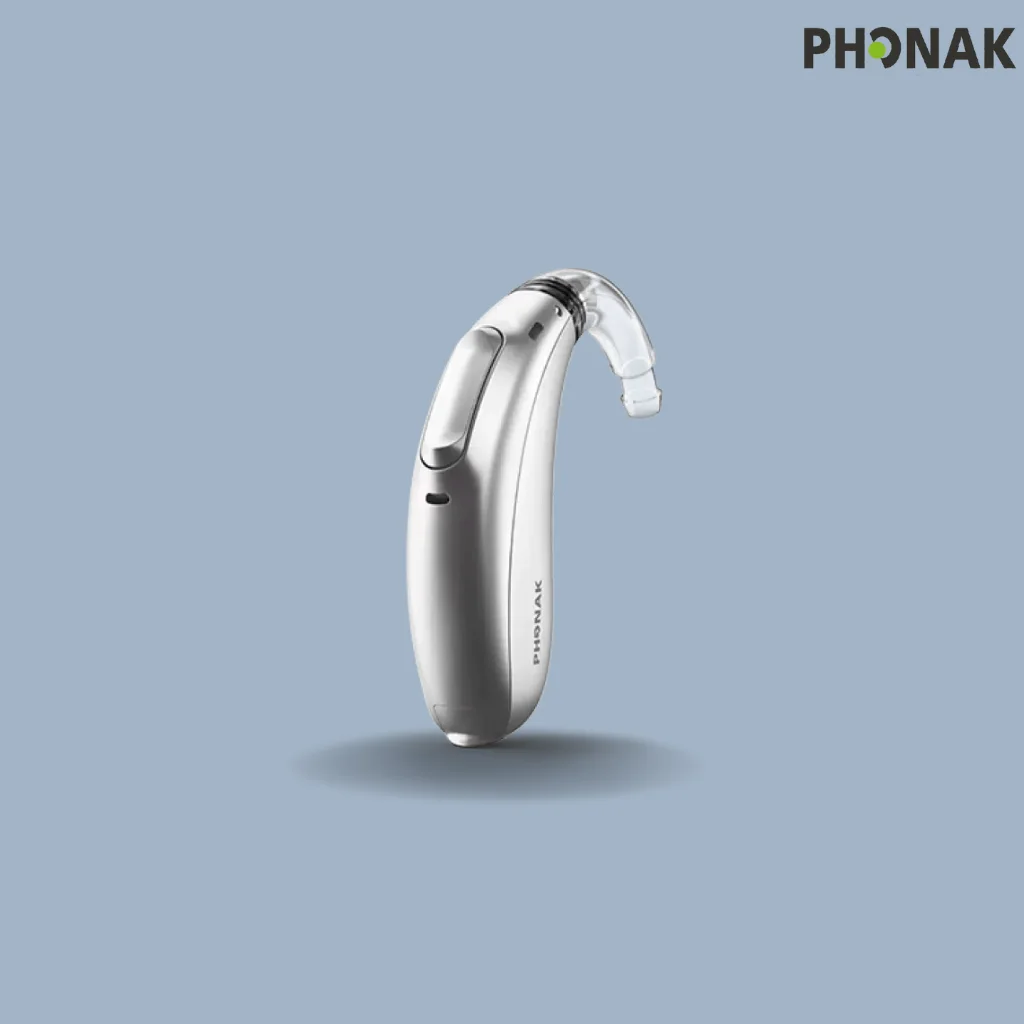
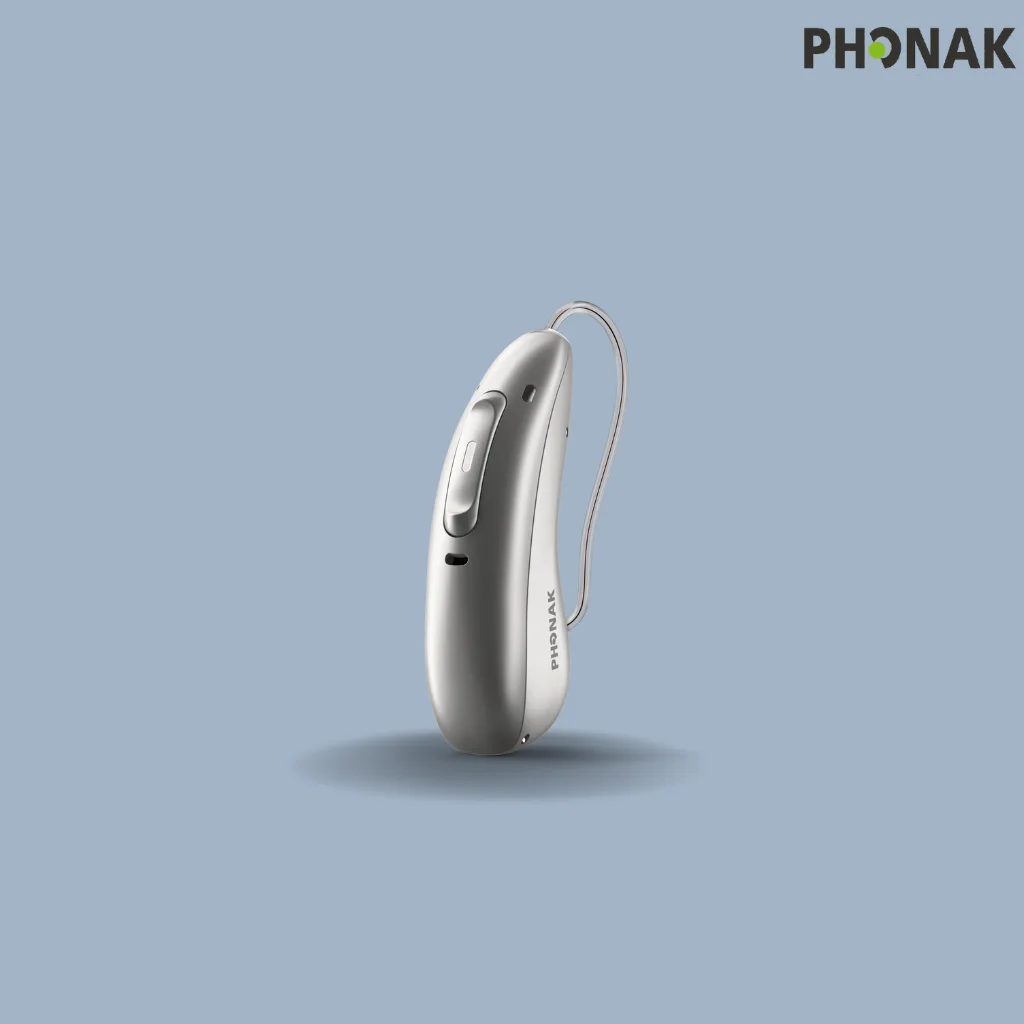
Different styles also behave differently. Open-fit and receiver-in-canal models, such as RIC hearing aids, rely on domes that must be the right size, while custom devices like CIC hearing aids are shaped to your ear and depend on a good seal. BTE hearing aids depend on healthy tubing and a well-fitting mould. If you are not sure which type suits you, our guide to types of hearing aids explains the differences.
How modern hearing aids reduce feedback
Today’s digital devices include feedback management, a feature that detects the start of a squeal and cancels it before you hear it. It works best when the device is programmed accurately for your ear. Your audiologist can run a feedback test, adjust the settings and balance the sound so you get clear amplification without the whistle. You can learn how this works in our article on feedback cancellation in hearing aids. Regular hearing aid fine-tuning keeps these settings matched to your hearing.
Is it whistling, or is it tinnitus?
Not every high-pitched sound comes from the device. Whistling from a hearing aid usually stops when you remove it or change the fit. Tinnitus, the perception of ringing, buzzing or hissing, continues even without a hearing aid. If you hear a sound with the device off, speak to an audiologist. Our page on tinnitus management explains the support available.
When to see an audiologist
Book a visit if any of these apply:
- The whistling continues after you have re-inserted, cleaned and checked the device.
- It happens often, in different situations, or has started suddenly.
- The dome, mould or tubing is worn, loose or damaged.
- Your ear feels blocked, painful or full, or there is discharge. Seek medical attention promptly.
- The hearing aid whistles even when held in your hand.
- You are a parent and your child’s hearing aid has started to whistle as they grow.
At Adro, our hearing aid service and aftercare includes checks, tuning and repairs, and you can read about common hearing aid repairs to know what to expect. If you are new to hearing aids, our posts on common issues for first-time users and tips to get used to a new hearing aid can help the early weeks go smoothly. If getting to a centre is difficult, ask about a home visit.
How to prevent whistling in future
- Clean your device daily and replace wax guards and domes on time.
- Check your ears for wax regularly, and have excess wax removed professionally.
- Replace worn tubing and ear moulds before they loosen.
- Keep the volume at the level set by your audiologist.
- Attend routine check-ups and hearing tests, especially after weight change, ear surgery or if your hearing changes. See how frequently you should take a hearing test.
- If the whistle keeps returning with an older device, read when to replace your hearing aid.
Frequently asked questions
Why does my hearing aid whistle?
Whistling, or acoustic feedback, happens when amplified sound leaks out of the ear and is picked up again by the microphone, creating a loop. Common causes include a loose fit, earwax, a worn mould or dome, damaged tubing, high volume and objects close to the ear.
How do I stop my hearing aid from whistling?
Re-insert it properly, lower the volume slightly, clean the device and check the wax guard, dome and tubing. If the whistling continues, an audiologist can check the fit, remake the ear mould, remove wax or reprogram the feedback settings.
Is a whistling hearing aid broken?
Not necessarily. Most whistling comes from fit, wax or placement rather than a fault. Cracked tubing, a damaged casing or a device that whistles in your hand may need professional repair.
Why does it whistle when I hug someone or wear a hat?
Anything close to the hearing aid, such as a hand, hat, scarf, phone or someone’s shoulder, can reflect sound back into the microphone and trigger feedback. Moving the object away or lowering the volume usually stops it.
Can earwax cause a hearing aid to whistle?
Yes. Wax can block sound from travelling in, so it bounces back out to the microphone. Do not use cotton buds or sharp objects; have a doctor or audiologist remove excess wax safely.
How do I know if it is whistling or tinnitus?
Whistling from the device usually stops when you remove it or change the fit. Tinnitus continues even without the hearing aid. If you hear the sound with the device off, speak to an audiologist.
Still hearing a whistle?
Our audiologists at Adro Hearing Aid, a trusted hearing aid centre in Chennai, can check the fit, clear the cause and re-tune your device. Book an appointment at any of our Chennai, Tamil Nadu or Bangalore centres, or call +91 78457 45787 (Mon–Sat, 10:00 AM–7:00 PM).


9 Common Causes of Hearing Loss.
Introduction Have you started increasing the television volume, asking people to repeat themselves, or struggling to follow conversations in busy.
Read More
Which Hearing Aid Is Best for.
Introduction Imagine sitting at a family gathering but missing the punchline, struggling to follow conversations, or repeatedly asking loved ones.
Read More