



















How to Clean and Maintain Your Hearing Aid at Home
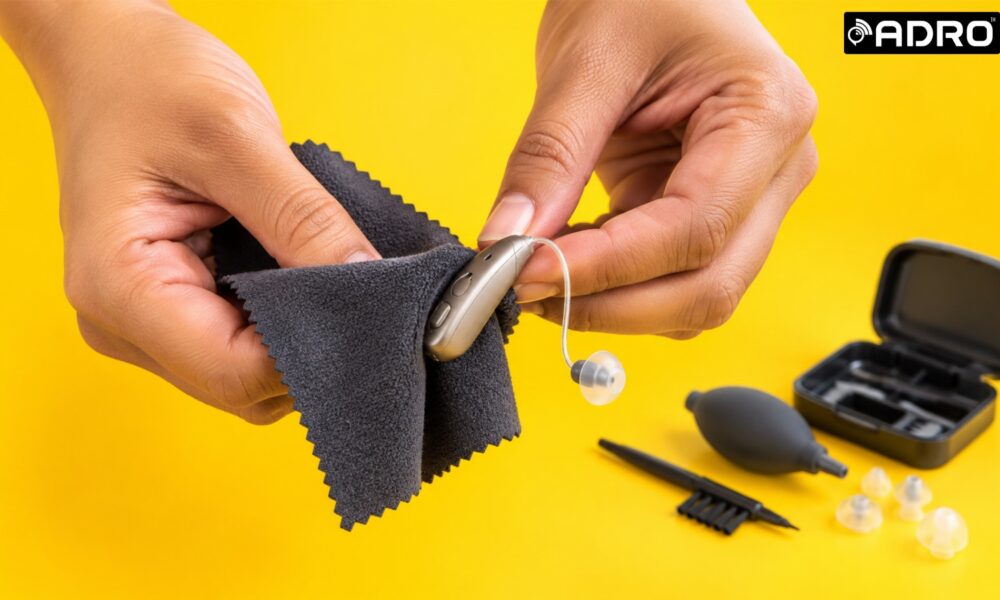
Your hearing aid works hard all day. It sits in or behind a warm, moist ear, collects earwax and skin oils, and travels with you through heat, sweat and dust. Without regular care, even a premium device can sound weak, whistle or stop working altogether. The good news is that most day-to-day care takes only a few minutes, and you can do it comfortably at home.
This guide explains how to clean and maintain your hearing aid at home: what to do daily, weekly and monthly, which tools are safe, what to avoid, and when it is time to see an audiologist.
Quick answer: Wipe your hearing aid with a soft, dry cloth every day. Clear wax from the microphone and sound outlet with a small brush, change the wax guard when it clogs, dry the device overnight, and never use water or alcohol on it. Book a professional check every few months.
Key takeaways
- A two-minute daily routine prevents most common hearing aid problems.
- Earwax and moisture are the biggest enemies of hearing aids, especially in humid cities like Chennai.
- Use only the tools designed for hearing aids: a soft cloth, a small brush, a wax loop and a drying kit.
- Never wash, soak or poke the device itself.
- Home care complements professional servicing; it does not replace it.
Why hearing aid care matters
A hearing aid is a precise electronic device with tiny microphones, receivers and circuits. Earwax can block the sound outlet, moisture can corrode contacts and dust can clog microphone ports. The result is often a drop in sound quality that people mistake for a change in their hearing.
Consistent care helps you in three ways: clearer and more consistent sound, fewer repairs, and a longer working life for the device. If you are curious about how lifespan is affected by care, read how long a hearing aid really lasts.
What you need: a basic hearing aid cleaning kit
You do not need much. Most clinics supply these items, and you can also find them in our hearing aid cleaning and care range:
- Soft, dry, lint-free cloth for wiping the surface.
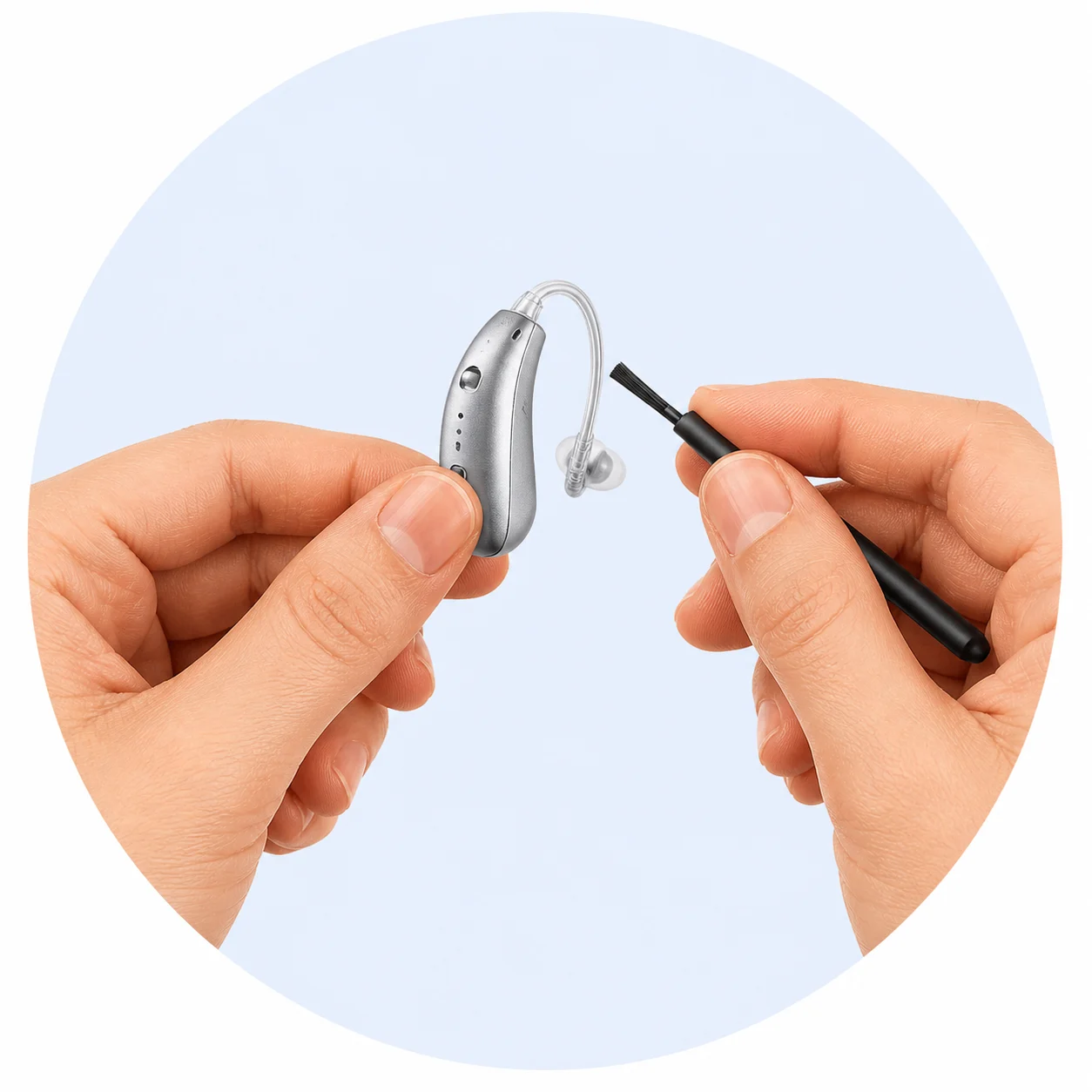
- Small cleaning brush for microphone openings and the sound outlet.
- Wax loop or pick for lifting wax from the tip, as shown by your audiologist.
- Spare wax guards suited to your model.
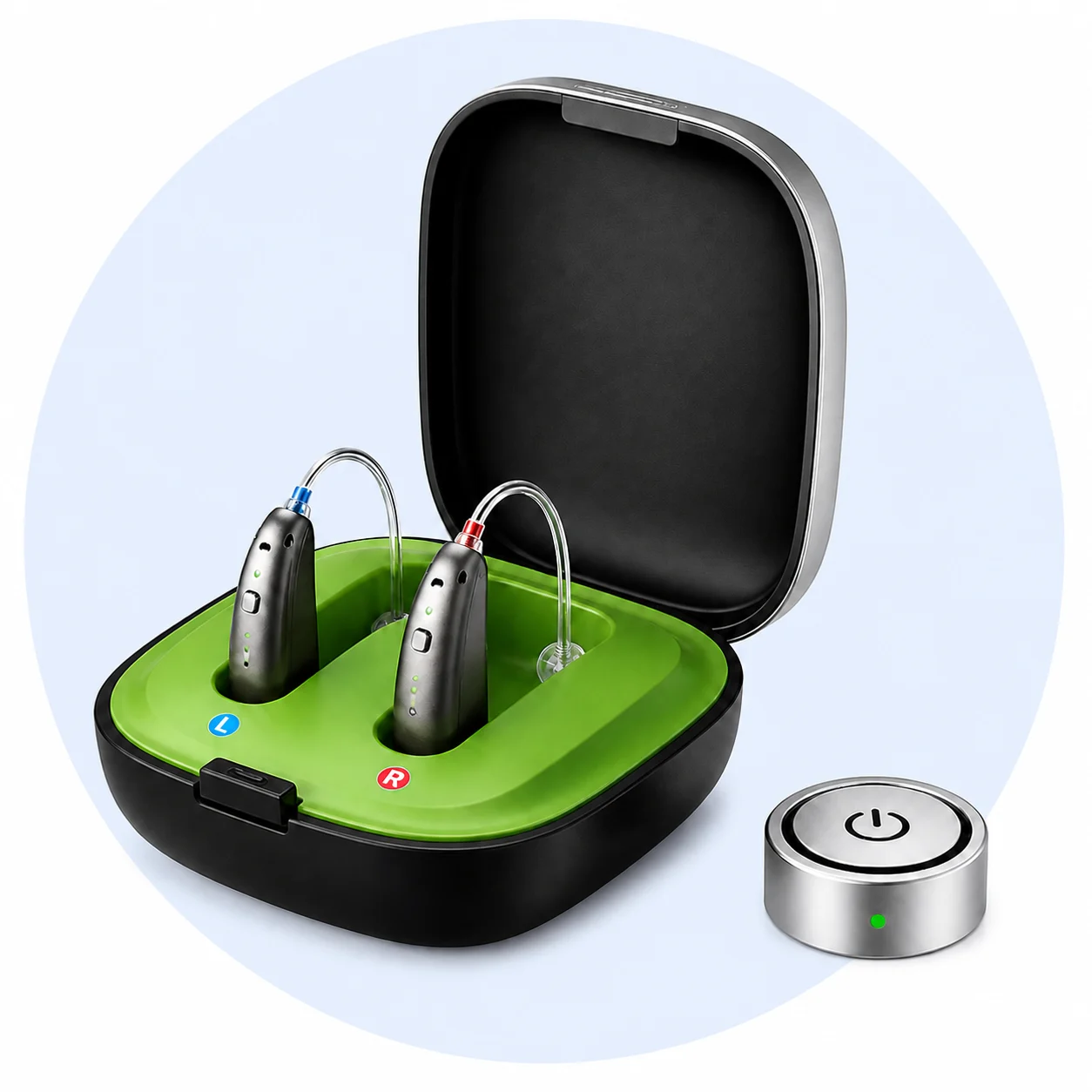
- Drying box or dehumidifier kit from the storage and drying range.
- Spare tubing or tips, where your style uses them (see tubing and tips).
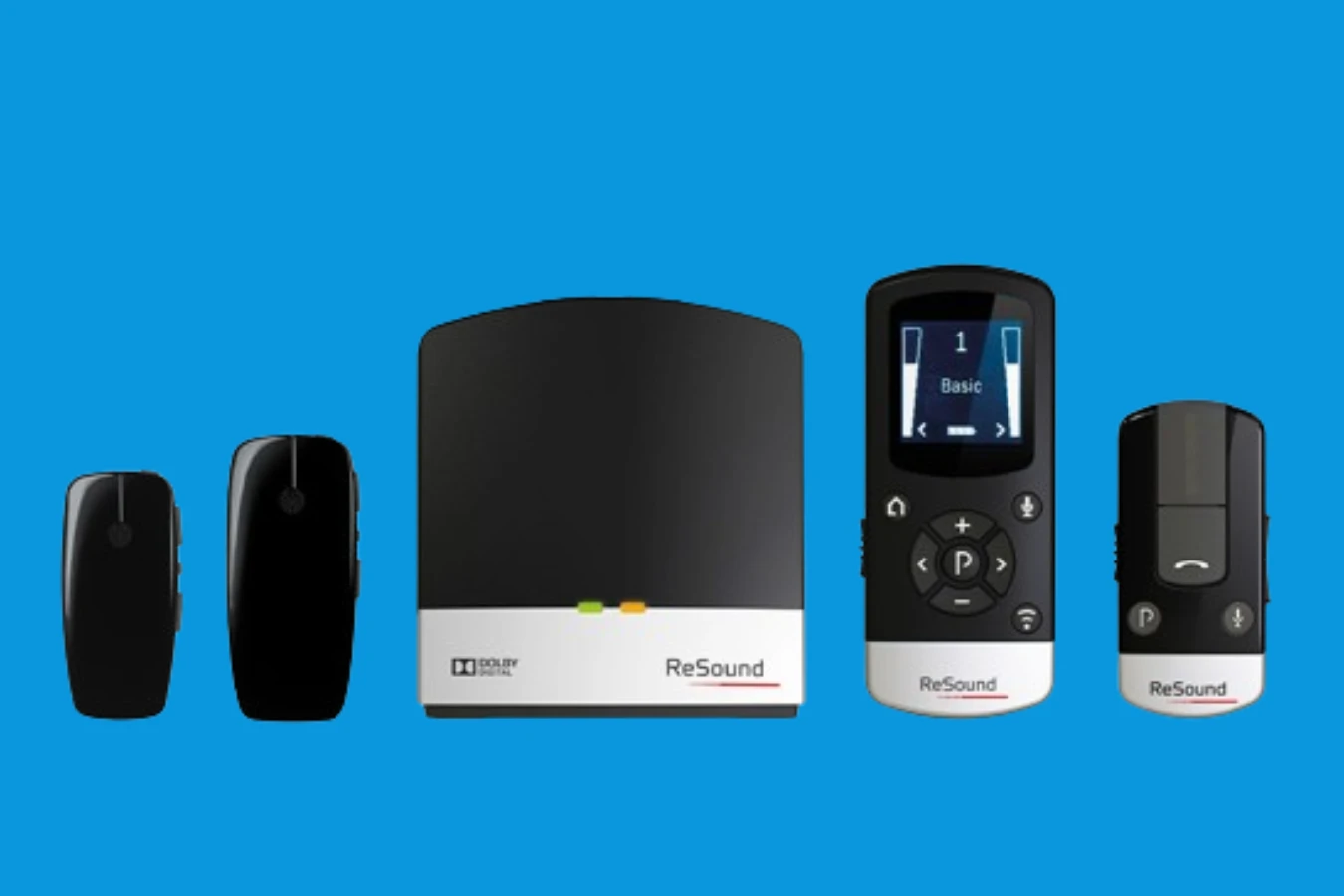
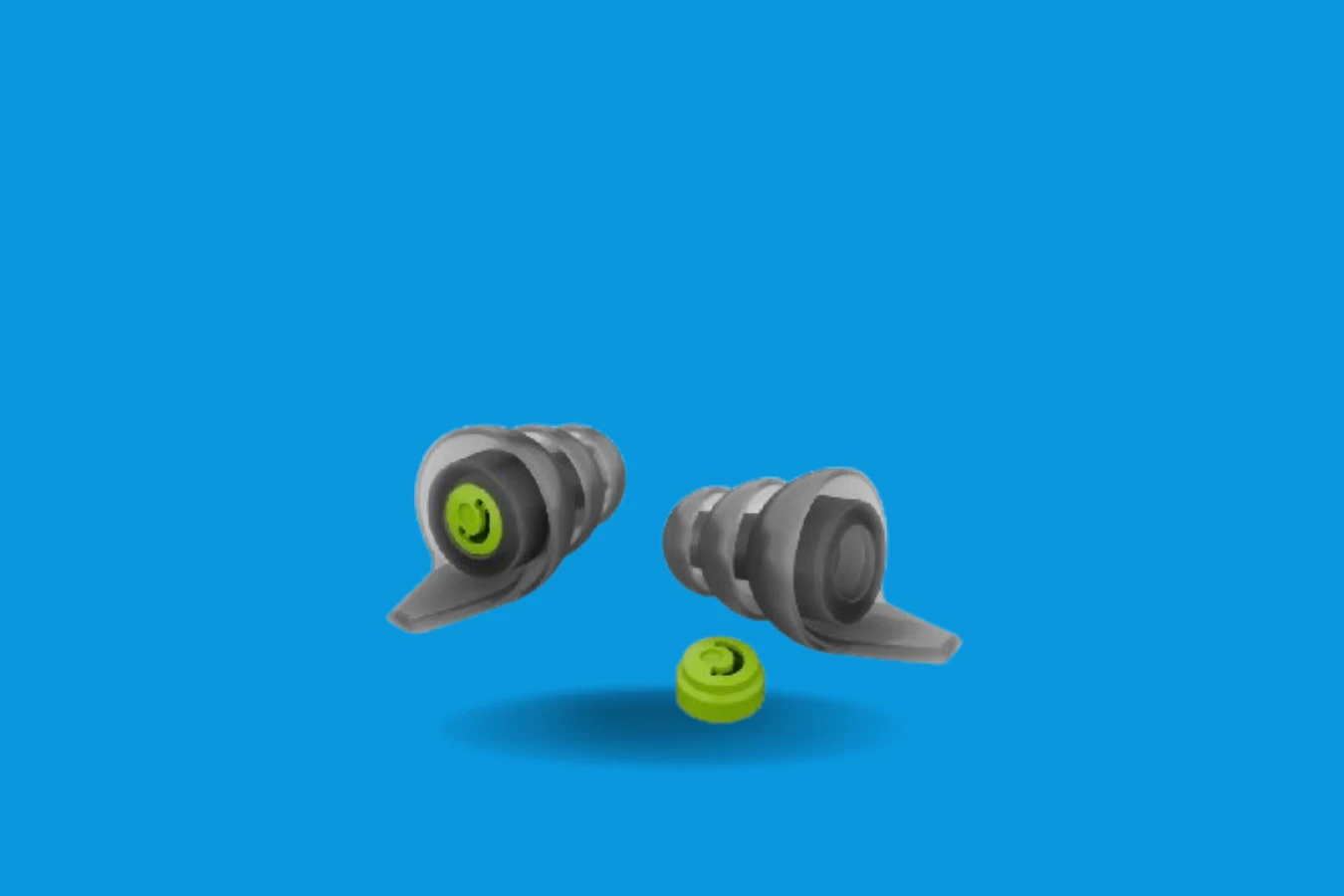
You can browse the full set of hearing aid accessories for everything in one place.
Your daily routine: 2 minutes every night
- Wash and dry your hands. This keeps oil and dirt off the device.
- Remove the hearing aid and inspect it over a soft surface such as a towel, so an accidental drop does not cause damage.
- Wipe it down with a soft, dry cloth to remove wax, skin oil and sweat.
- Brush the openings. Gently brush the microphone ports and sound outlet with the small brush, holding the device so loose debris falls away from the openings.
- Check the wax guard. If it looks blocked or discoloured, replace it as shown by your audiologist.
- Open the battery door (for battery models) so air can circulate and moisture escapes.
- Store it in a dry, cool place, preferably in a drying box, away from heat, pets and children.
Weekly and monthly care
| How often | What to do |
|---|---|
| Daily | Wipe, brush the openings, check the wax guard, dry overnight. |
| Weekly | Look closely at the microphone ports, tubing and domes or tips for wax, cracks or discolouration. Clean charging contacts on rechargeable models with a dry cloth. |
| Every few weeks | Replace the wax guard (sooner if sound weakens) and the domes or tips if they look worn or stiff. |
| Monthly | Wash detachable ear moulds (not the electronics), replace worn tubing, and check the drying kit or desiccant. |
| Every few months | Visit your audiologist for a professional clean, performance check and fine-tuning. |
The exact timing depends on your device, your earwax production and how humid your surroundings are, so treat this as a guide and adjust with your audiologist’s advice.
How to care for different hearing aid styles
The basics are the same, but small details differ by style. If you are unsure which style you have, our overview of types of hearing aids can help.
| Style | Care focus |
|---|---|
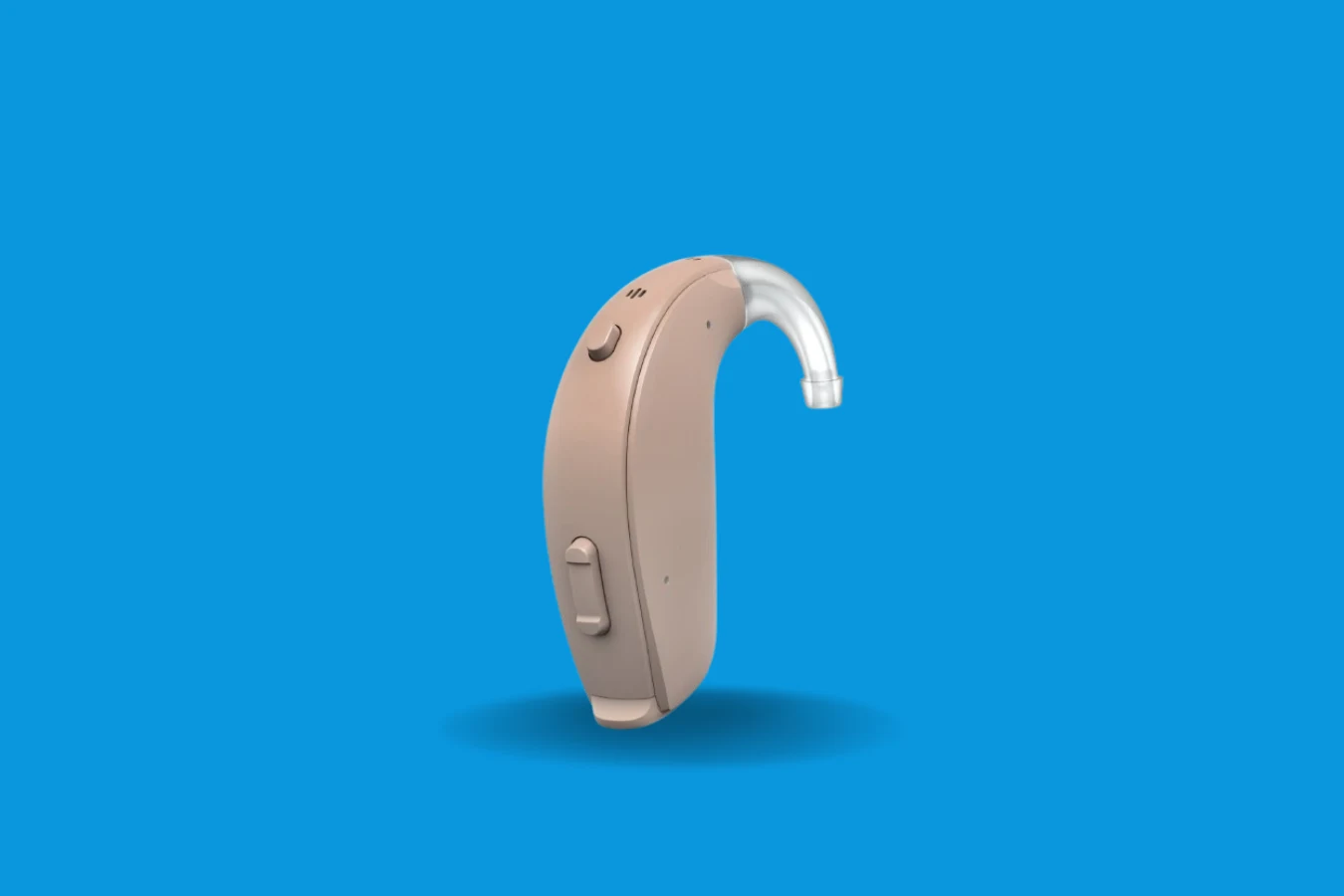
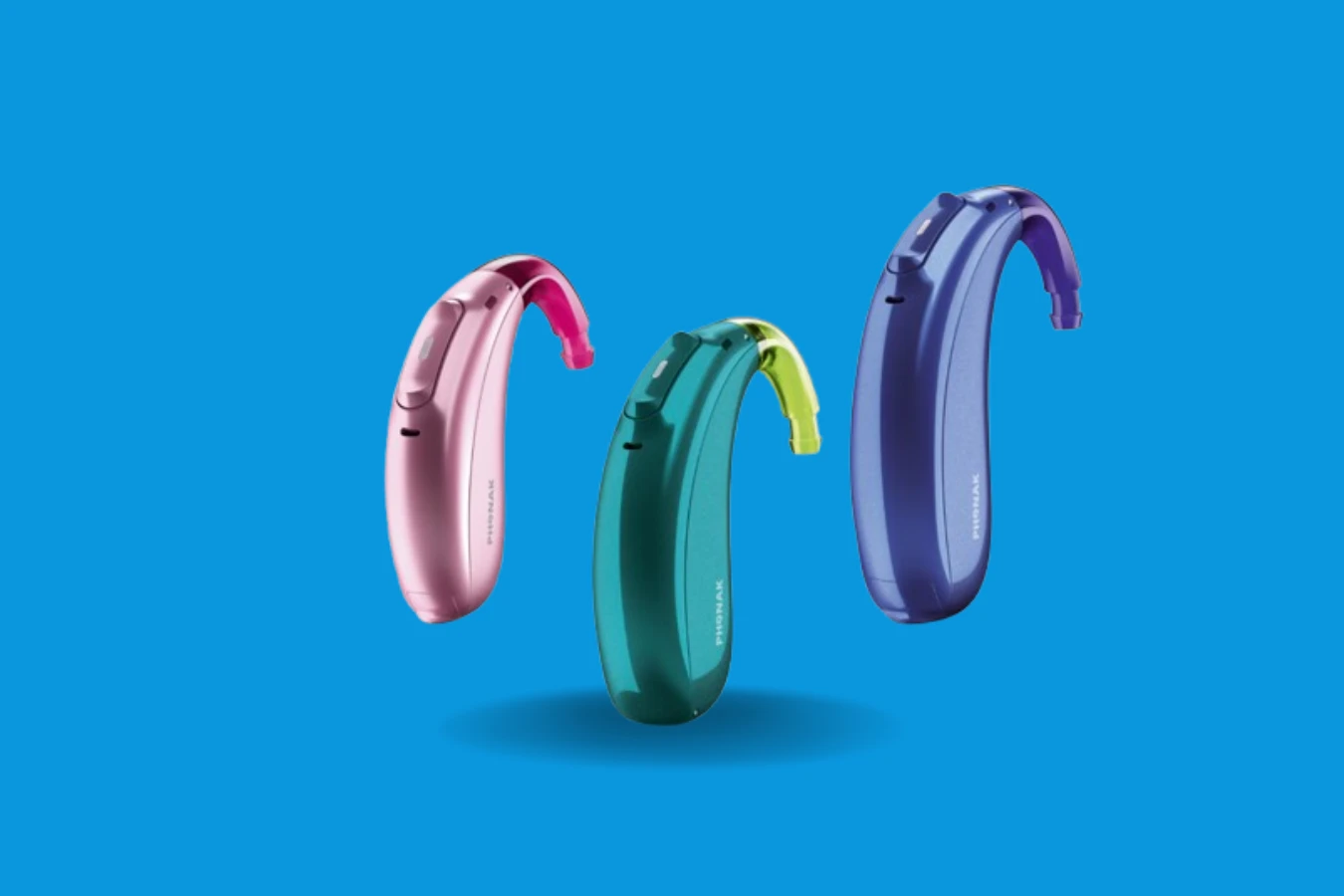
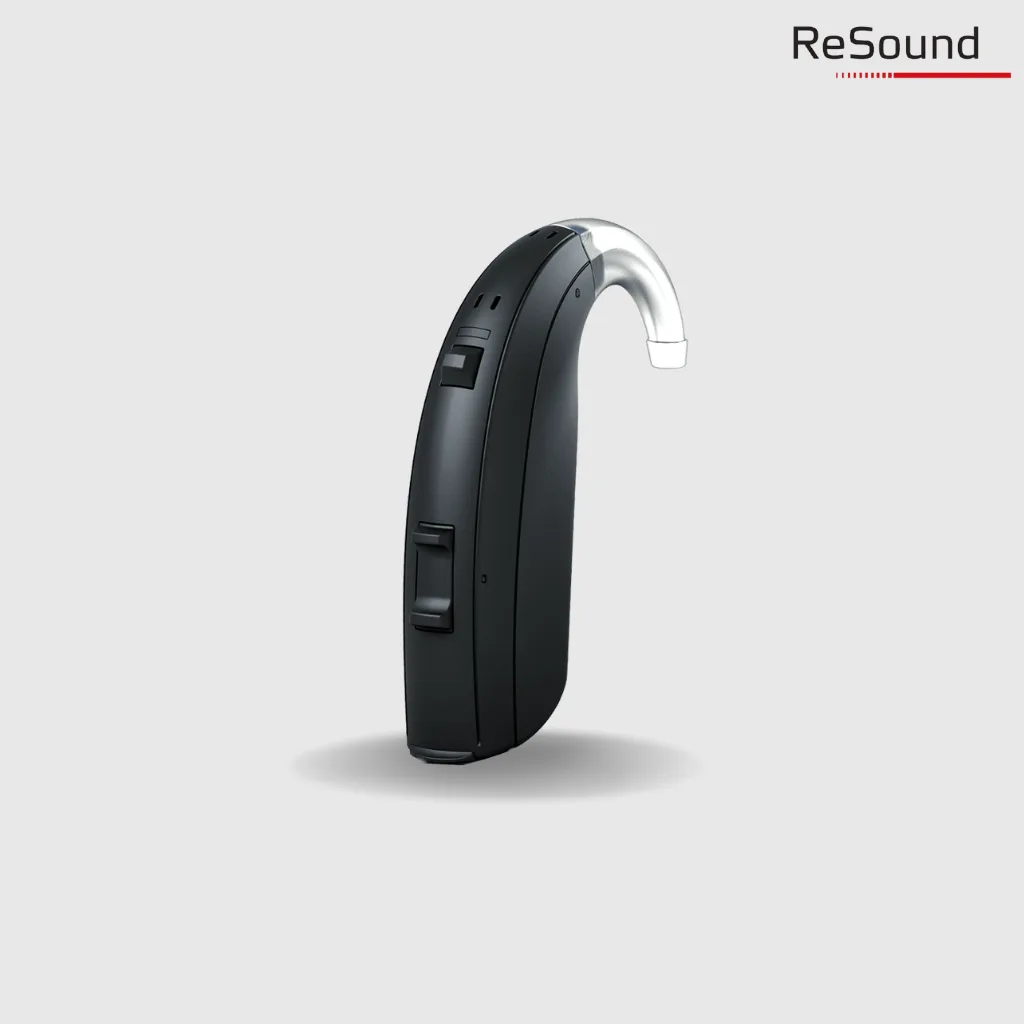
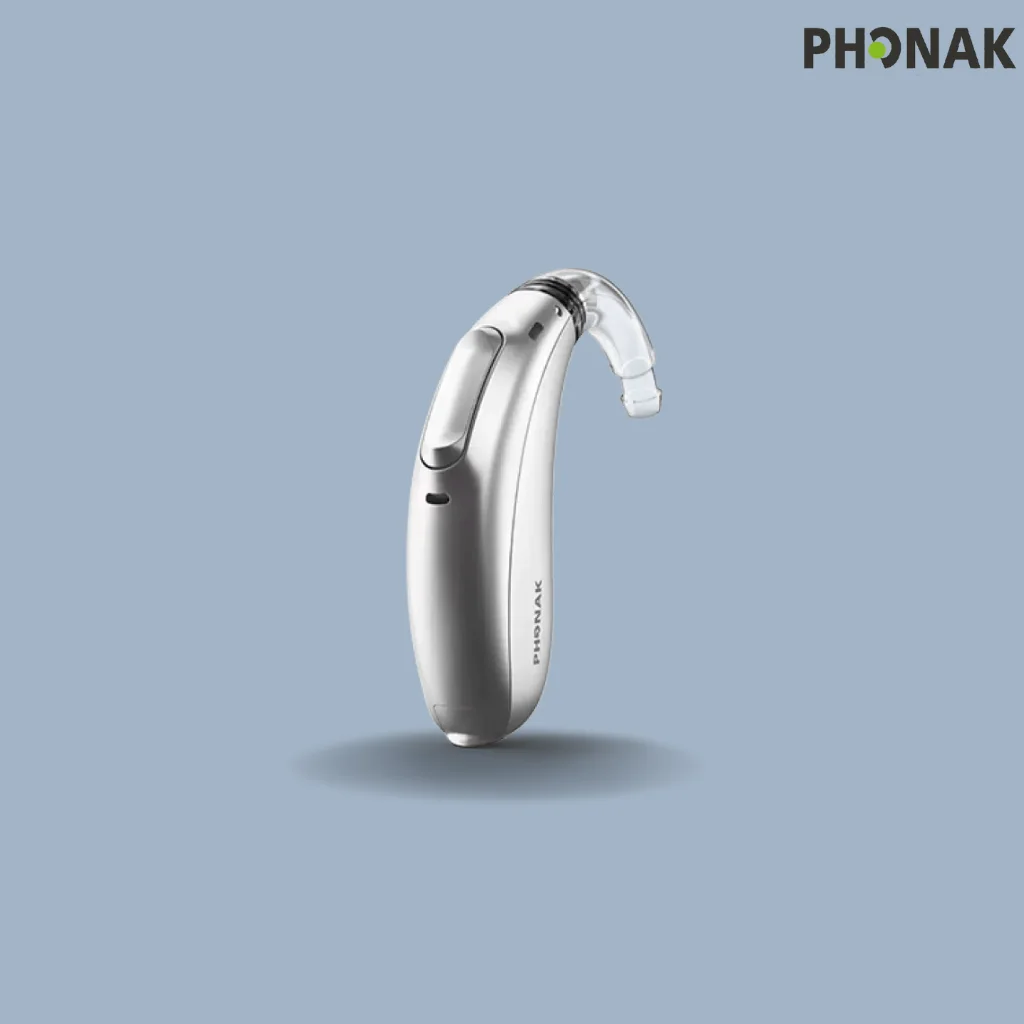
| BTE (behind-the-ear) | Wipe the case, check the tubing for moisture or cracks and keep the ear mould clean. Detach the mould to wash it; never wash the hearing aid. |
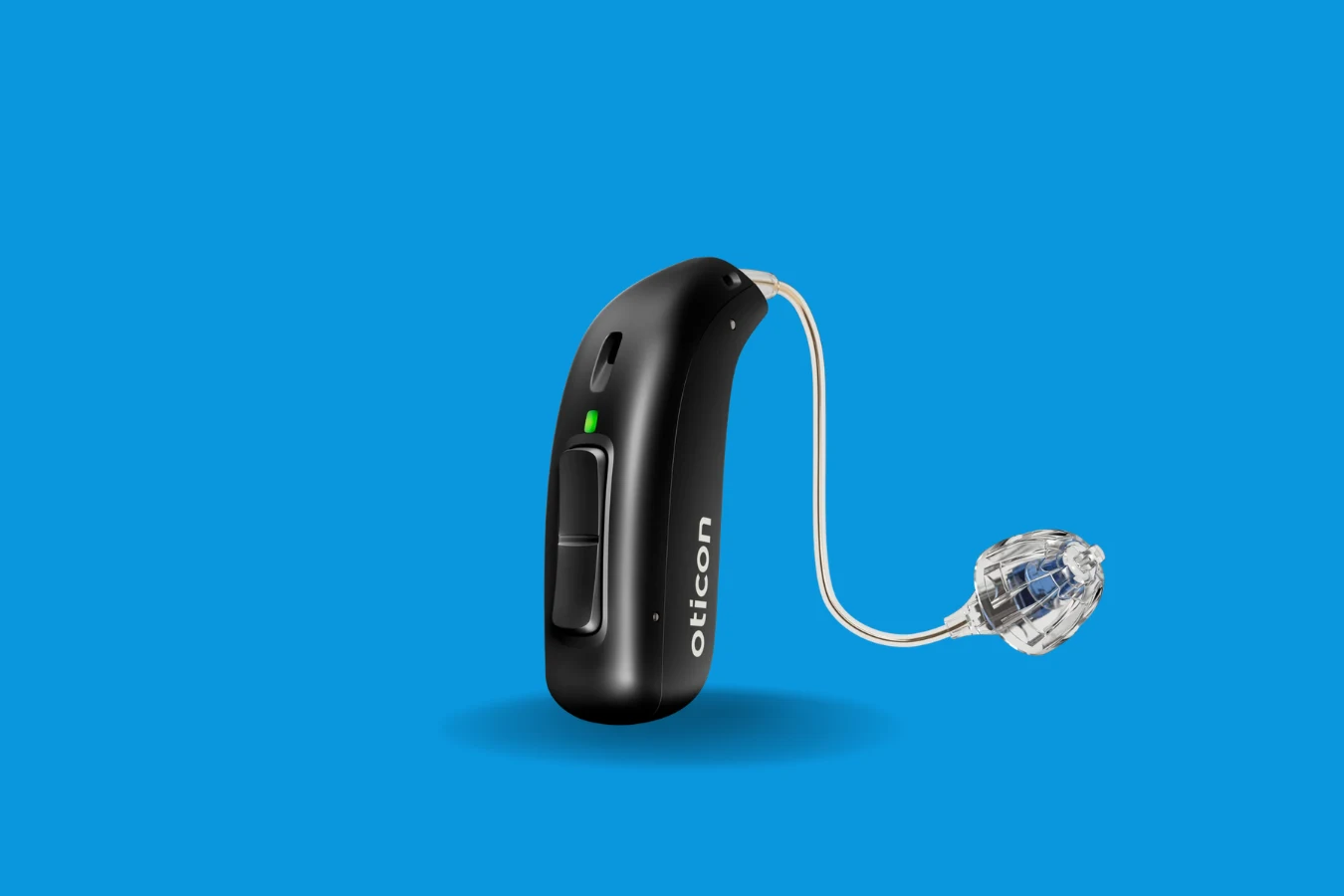
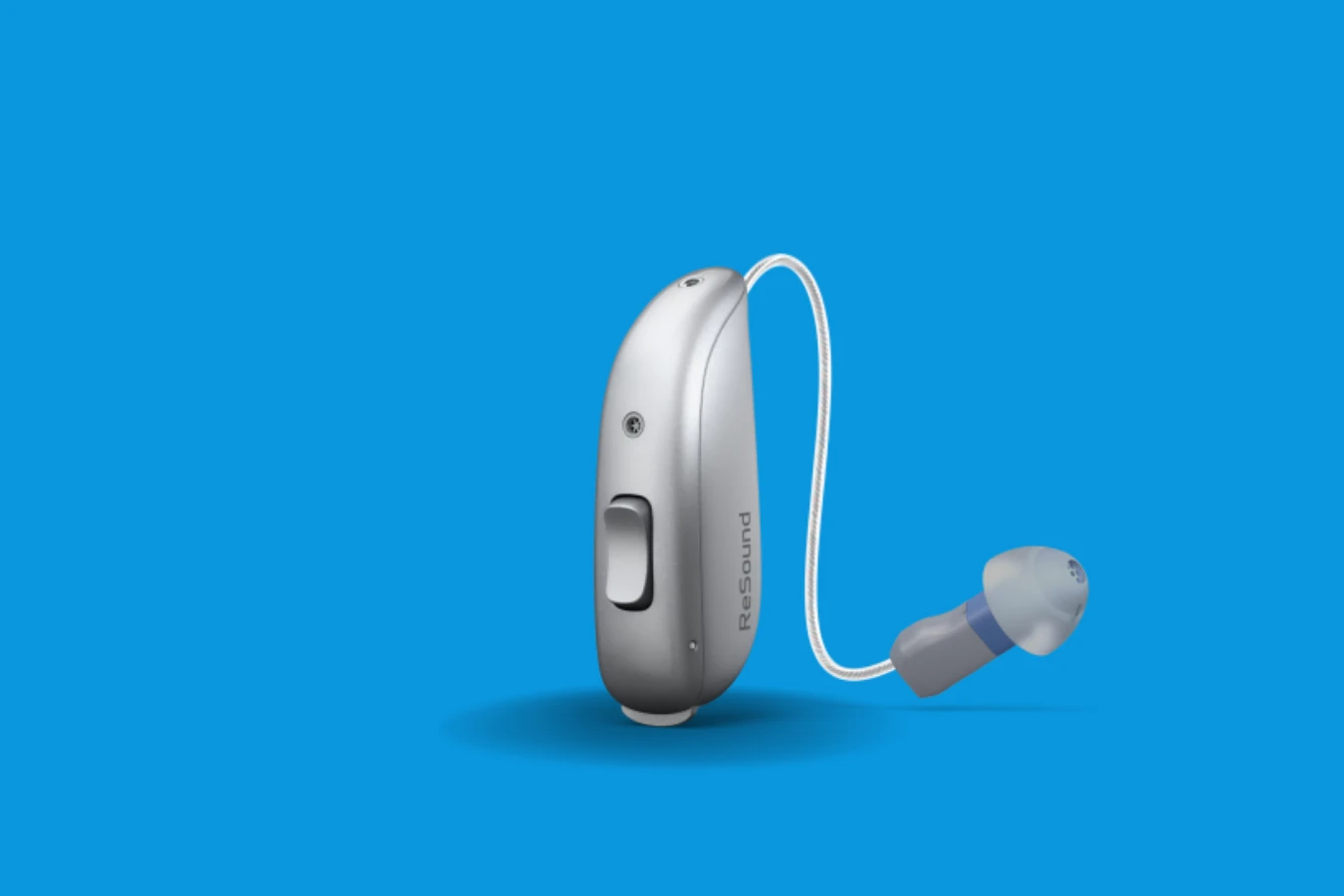
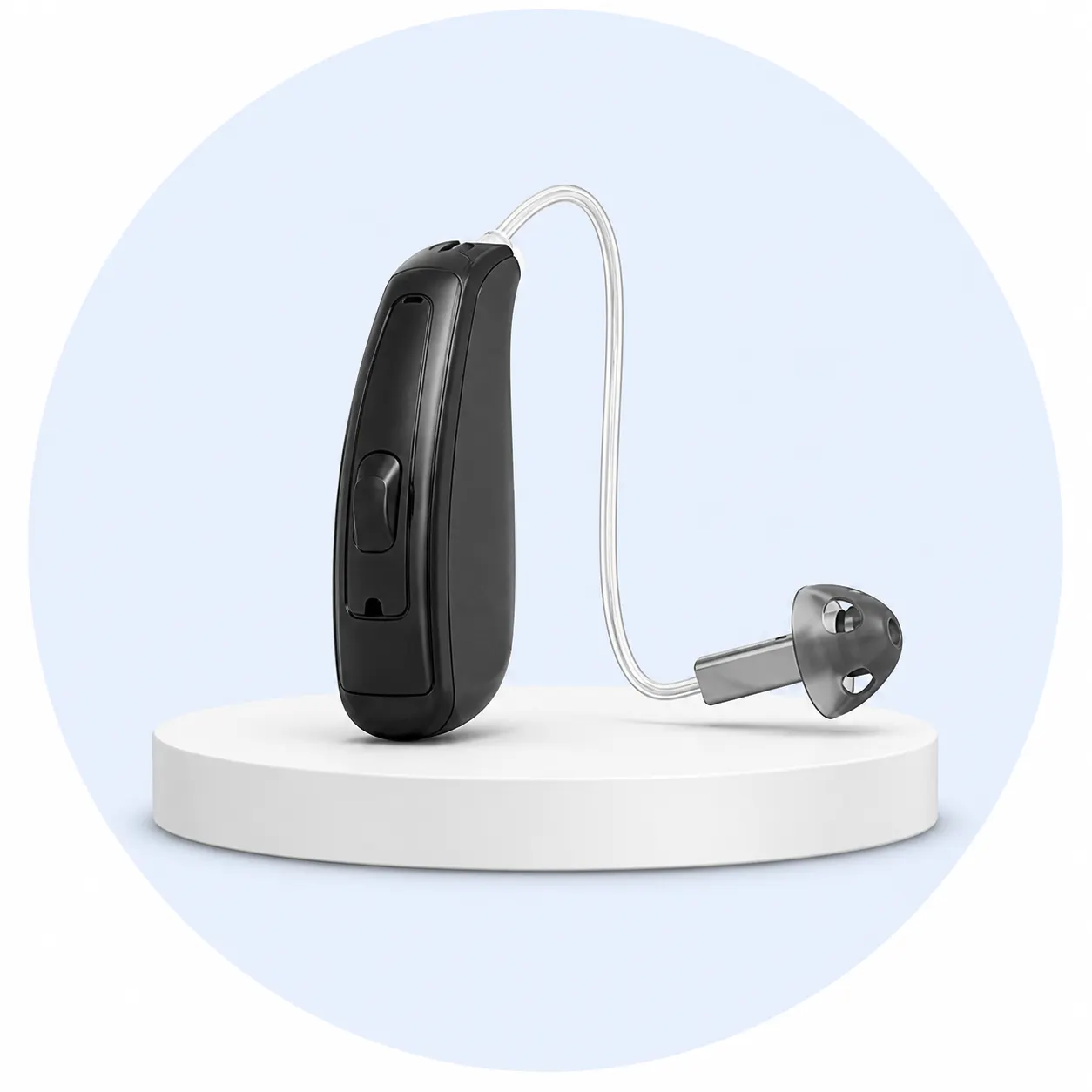
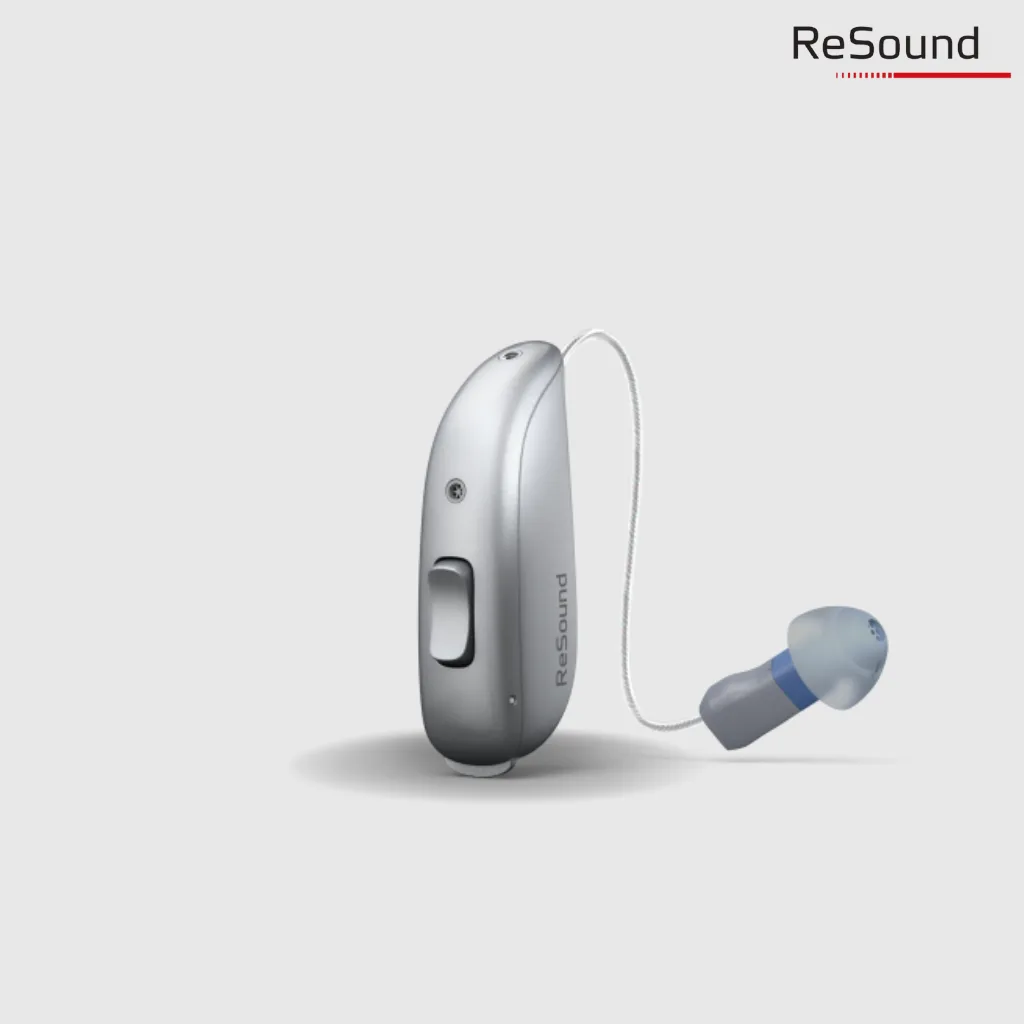
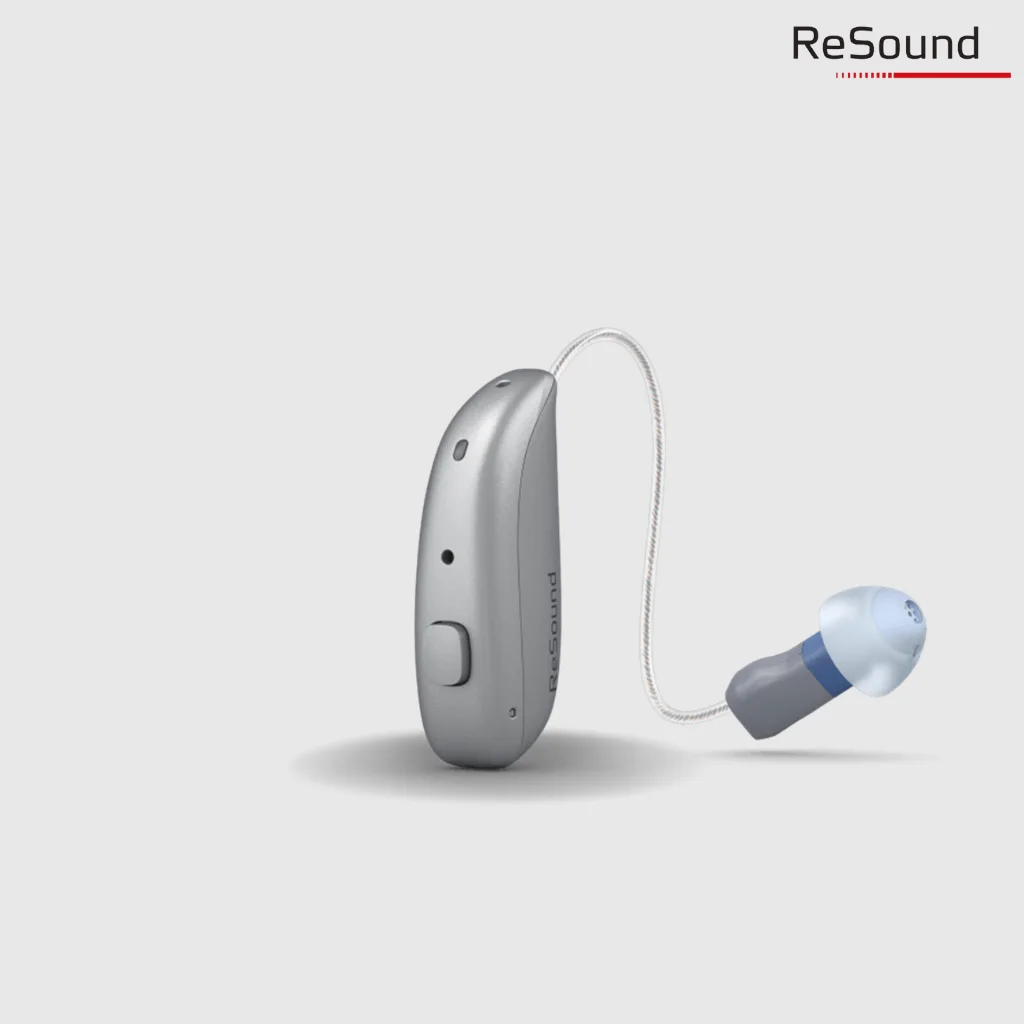
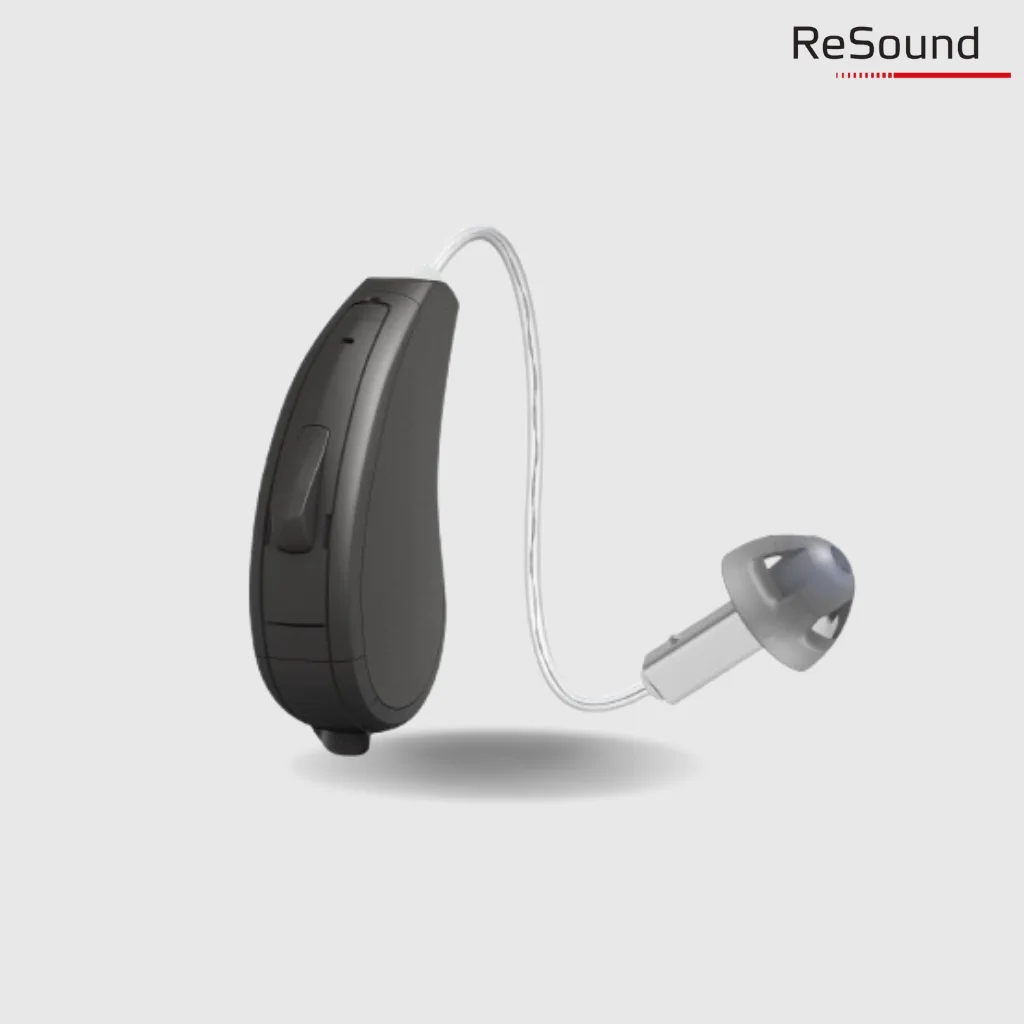
| RIC (receiver-in-canal) | The receiver and dome sit in the ear canal, so inspect the dome and wax guard often and replace them when blocked. |
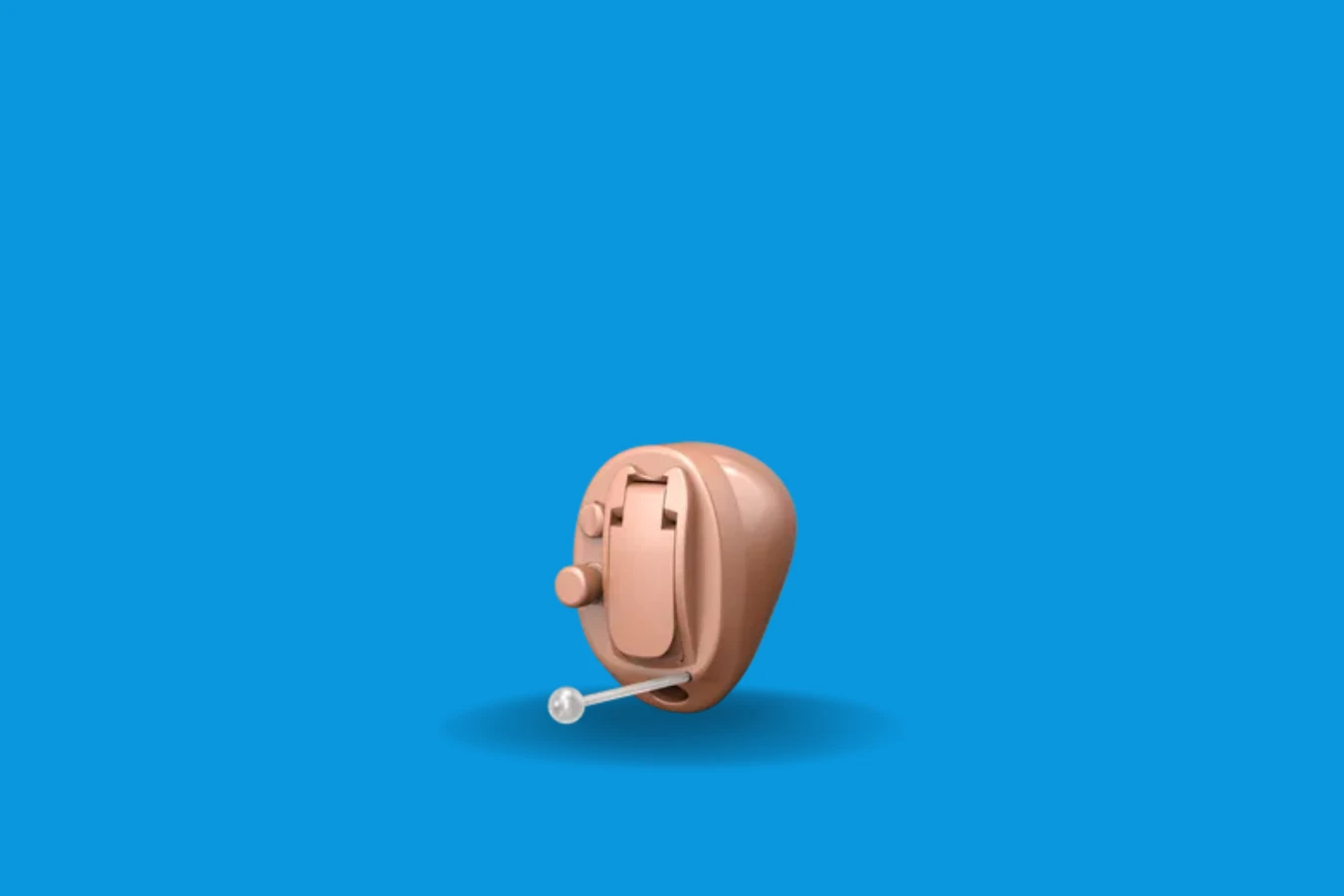
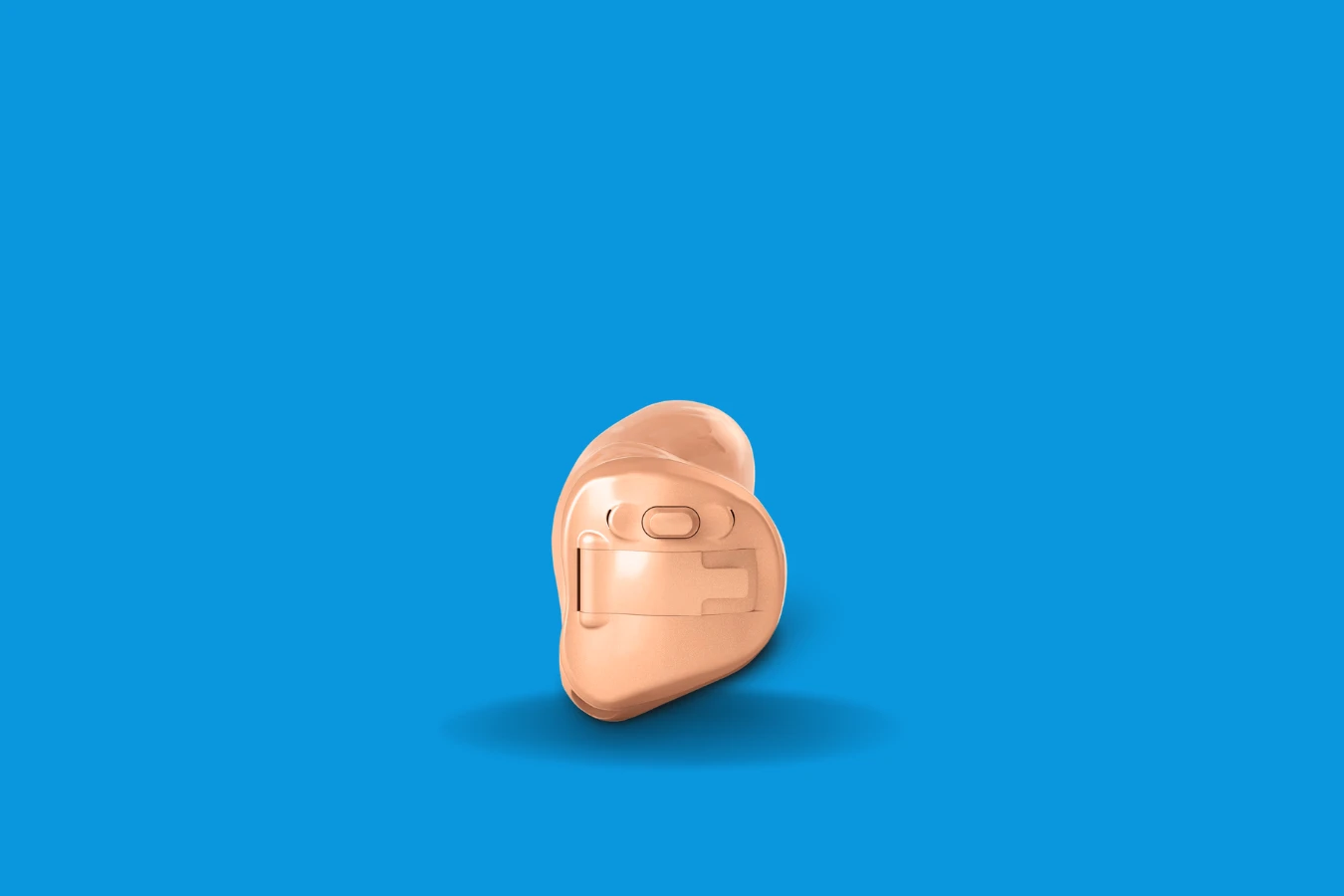
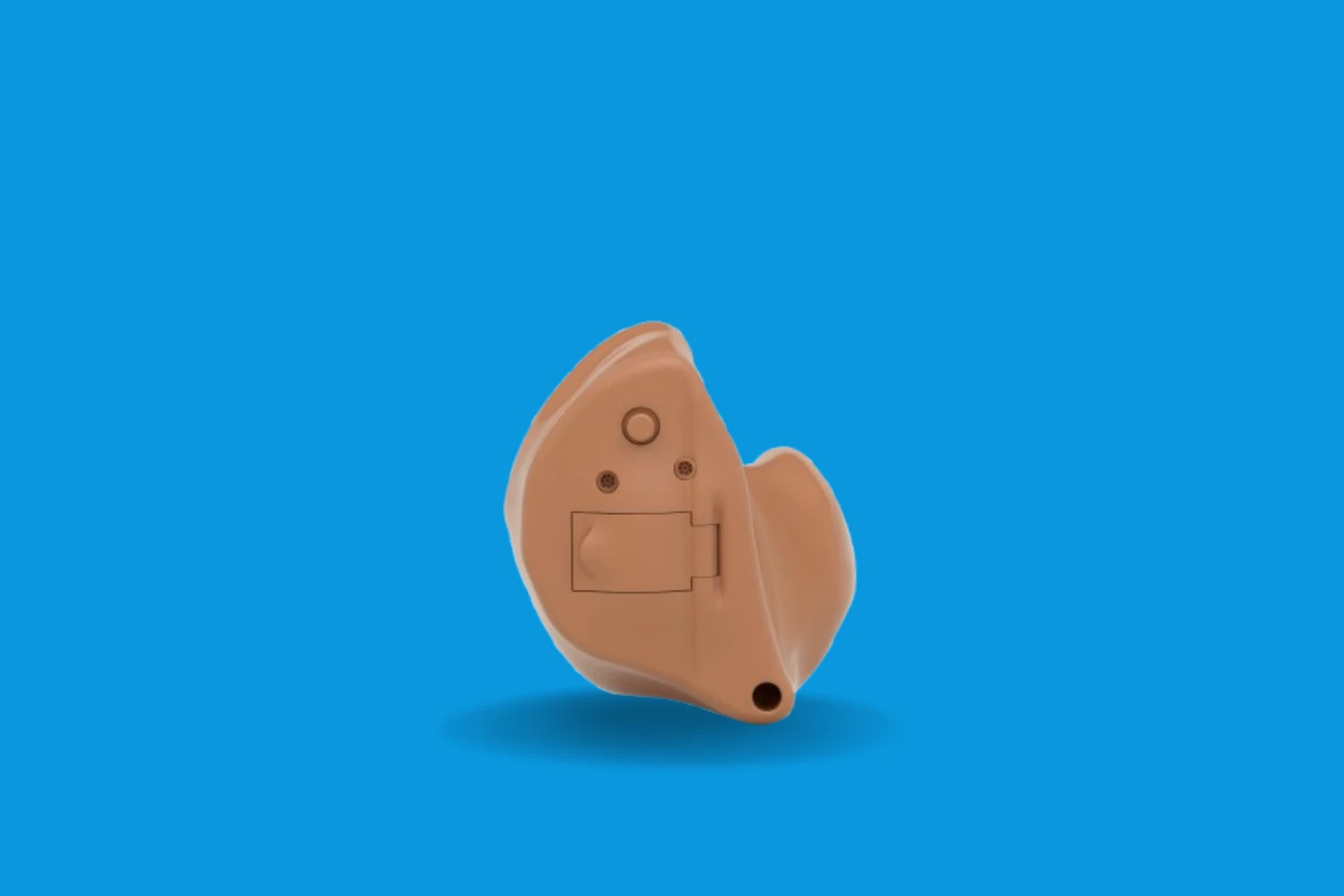
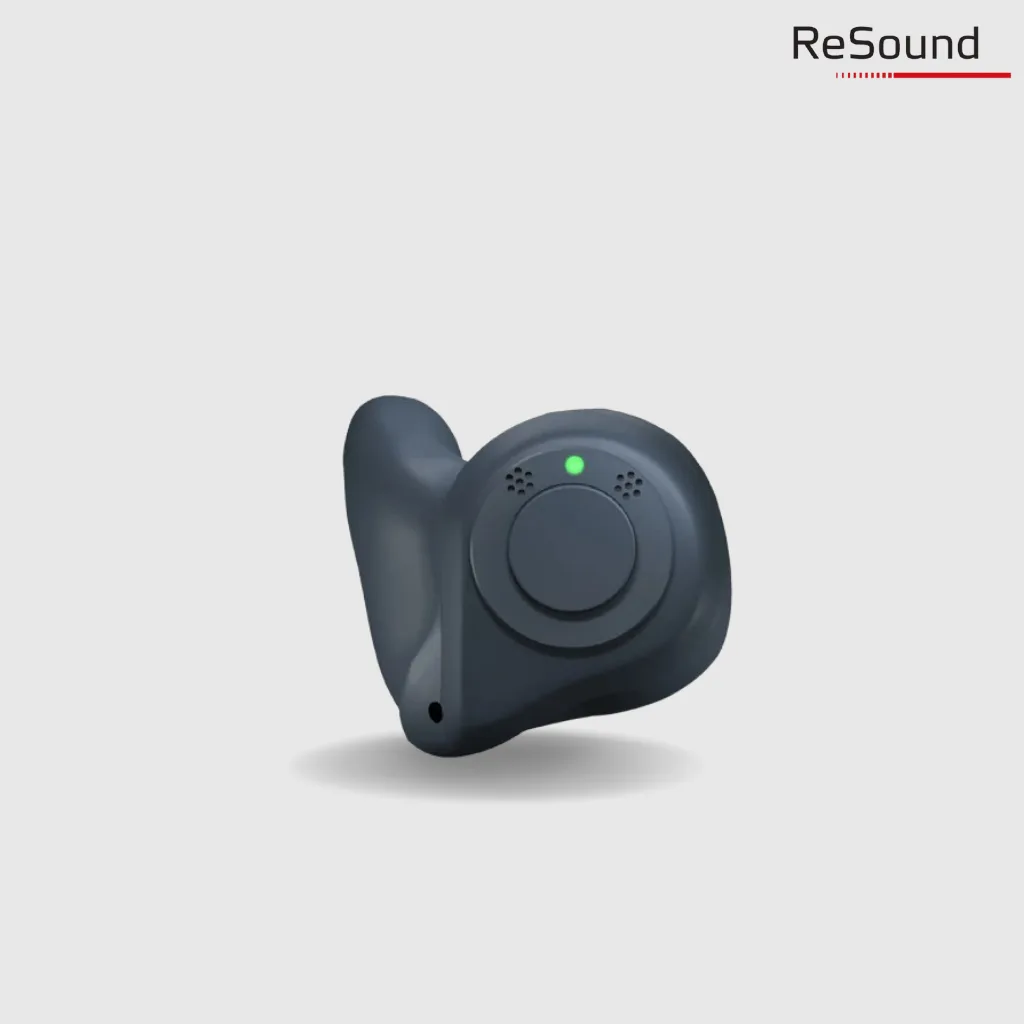
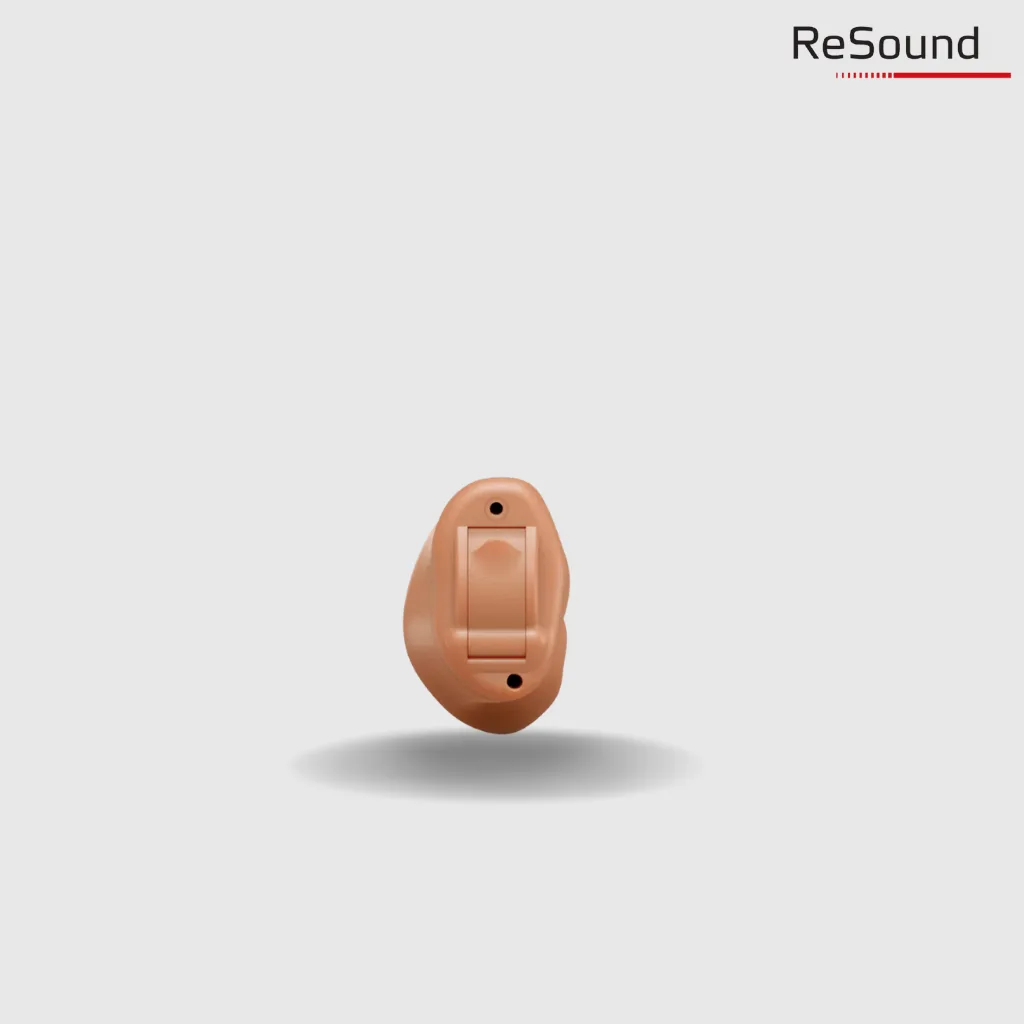
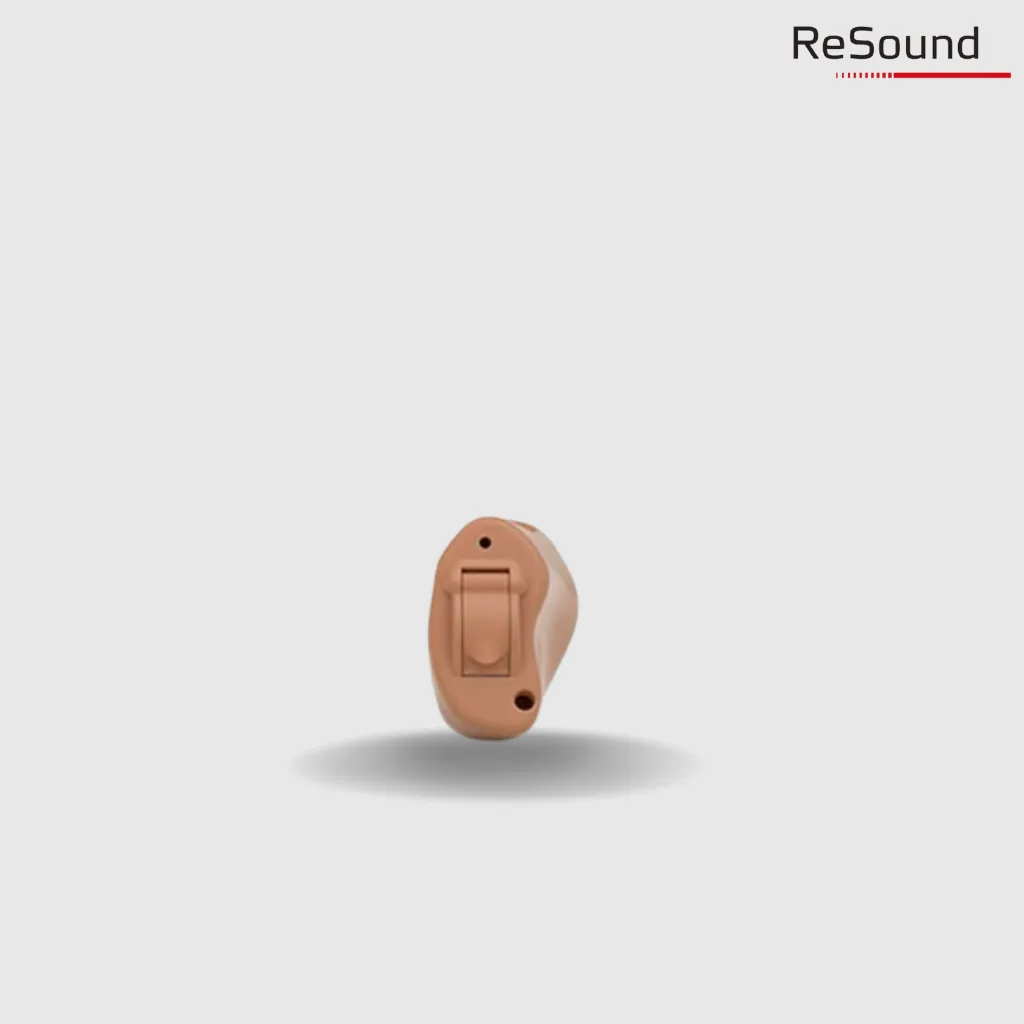
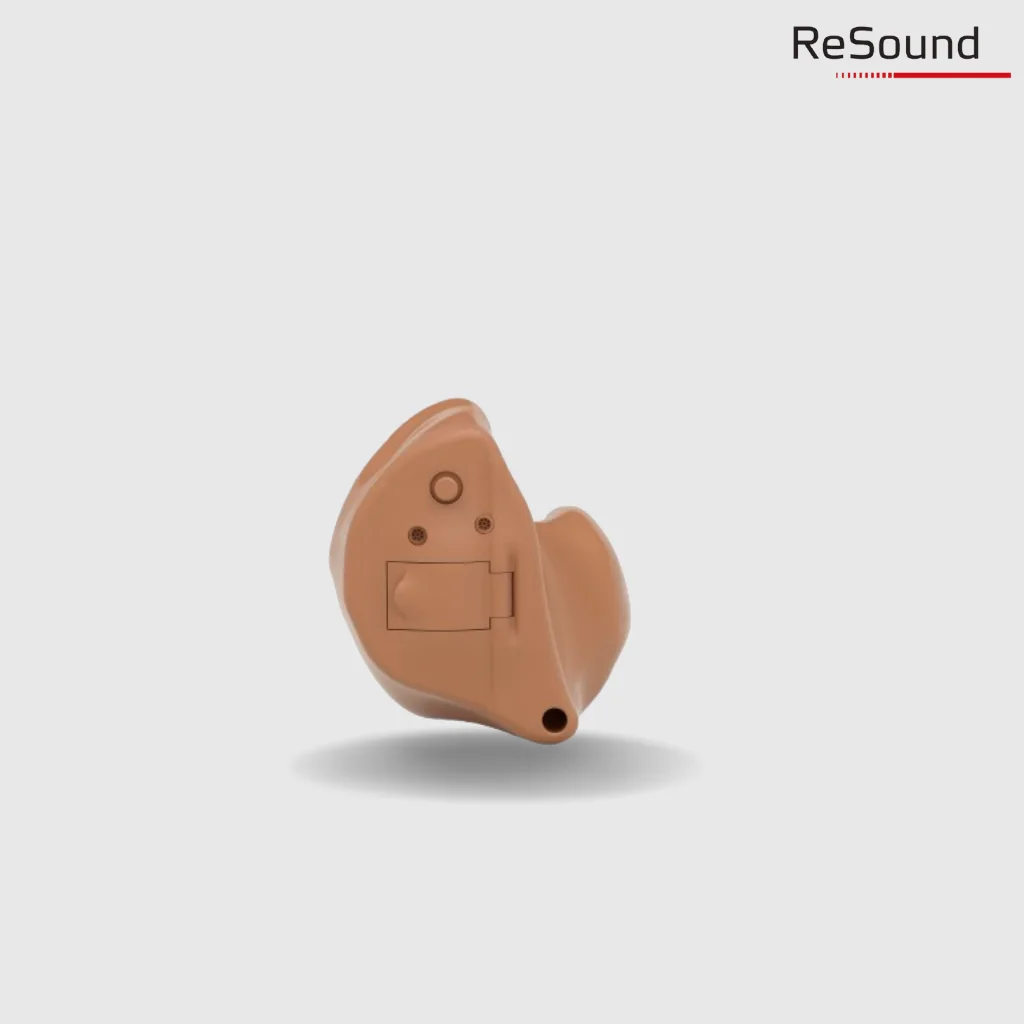
| CIC / in-the-ear | The tip sits deep in the ear and collects wax quickly. Brush the sound outlet and change the wax guard regularly. |
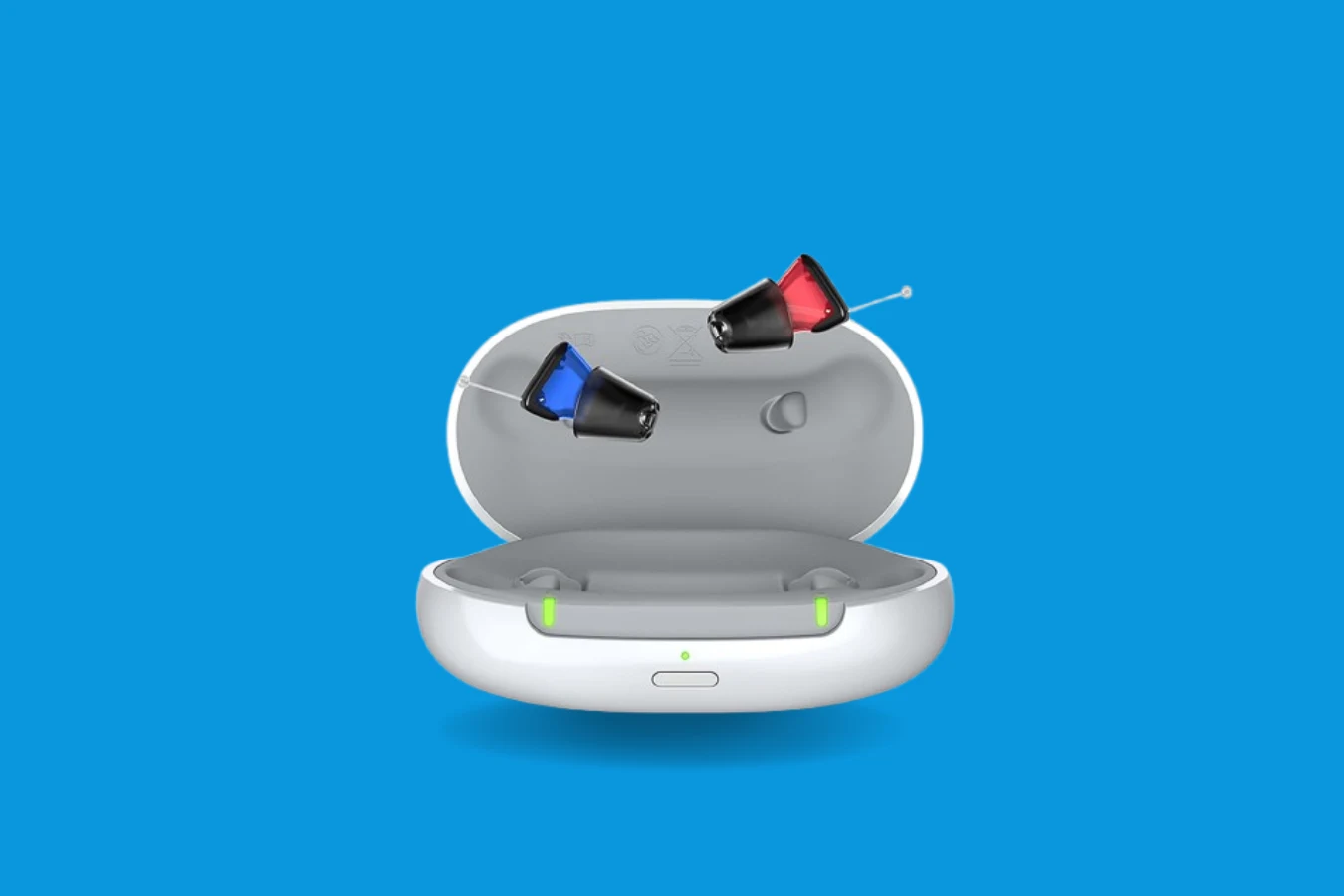
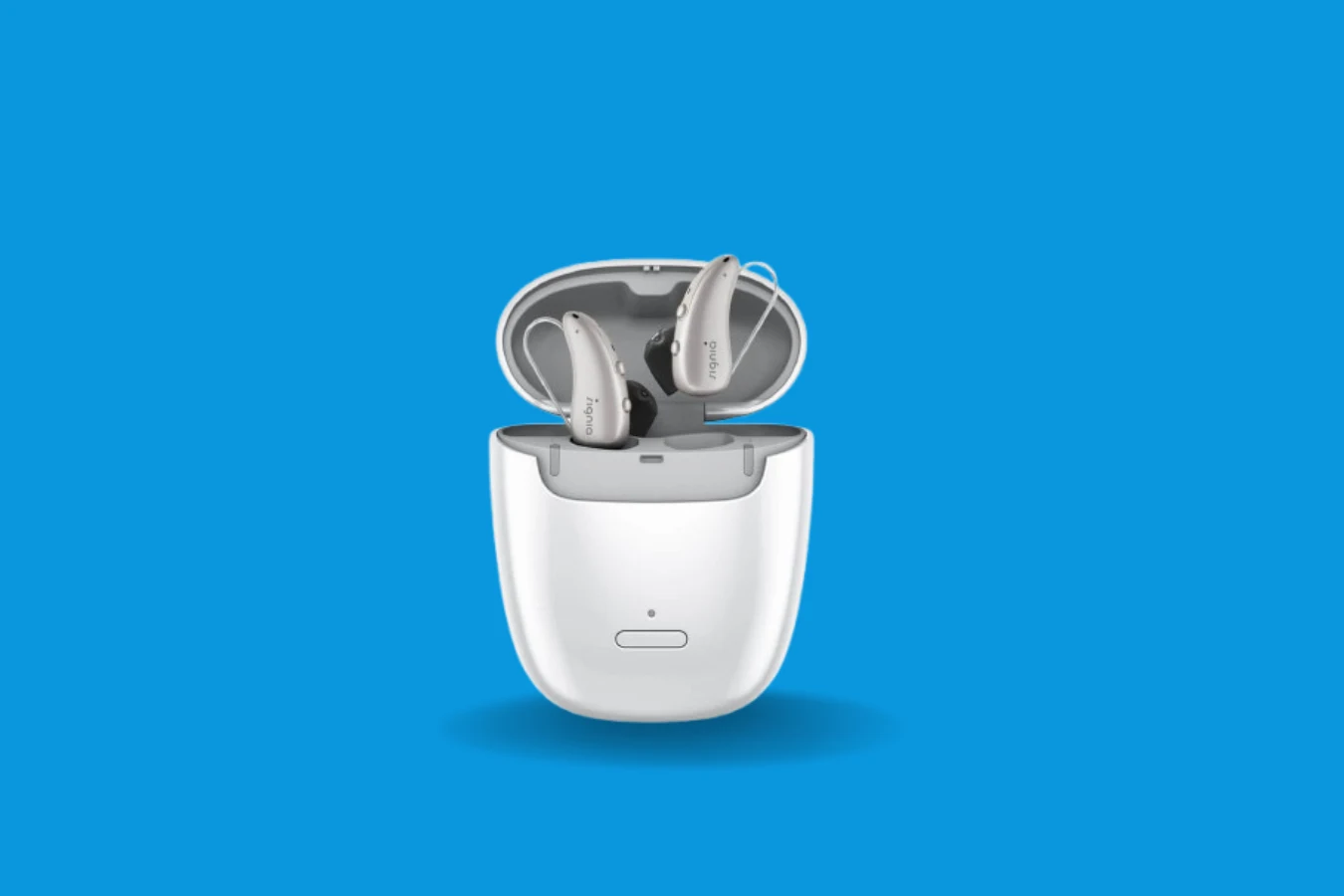
| Rechargeable | Keep the charging contacts clean and dry, charge nightly and avoid charging a damp device. |
Looking after batteries and charging
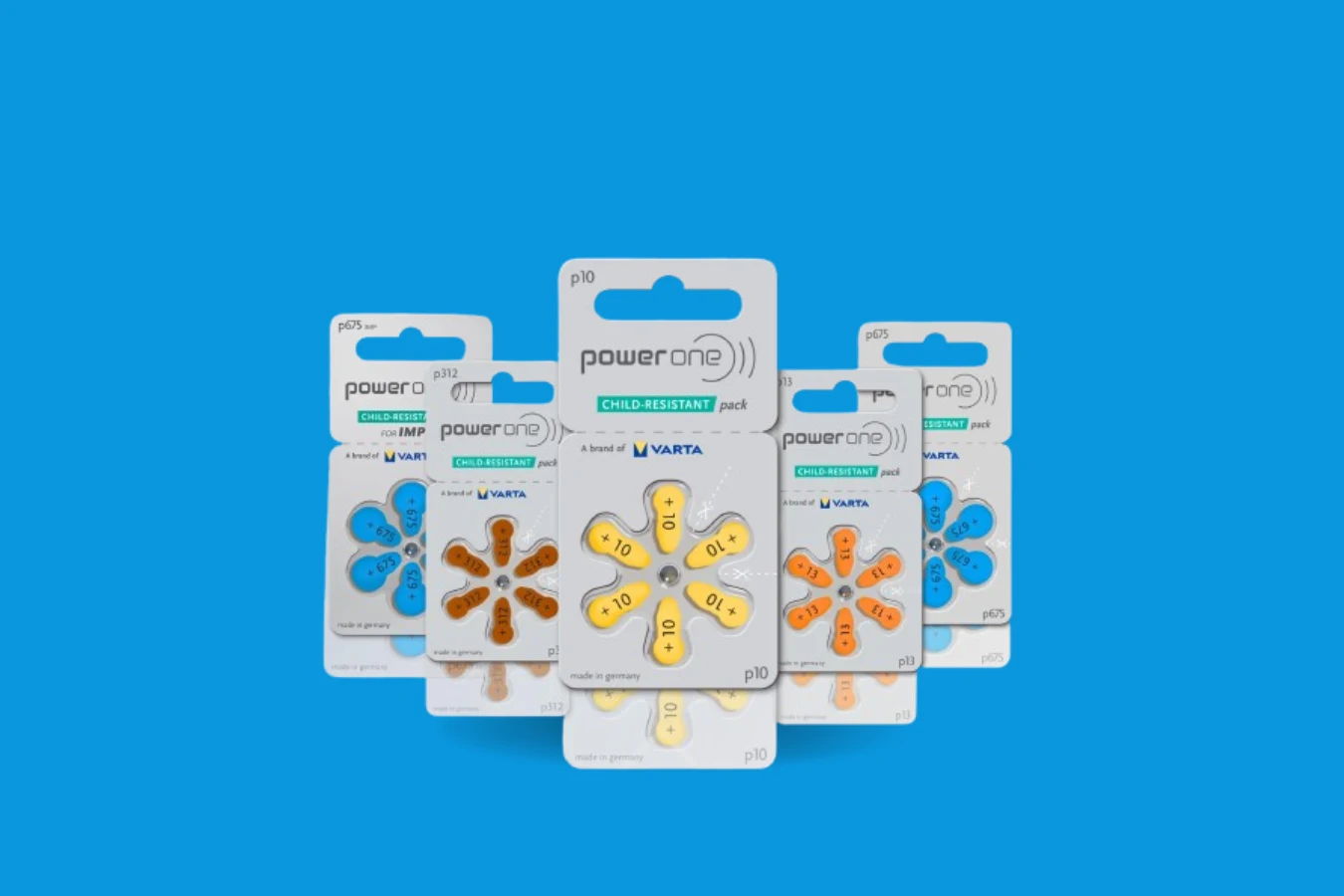
- Disposable batteries: remove the tab and let the battery sit for about a minute before inserting it, so it activates fully. Always keep spares handy; see our hearing aid batteries.
- Open the battery door at night so moisture can escape and the battery lasts longer.
- Rechargeable models: use only the charger supplied or recommended for your device, and see the charging and power options if you need a replacement.
- Store batteries safely away from children and pets, and never keep them loose with coins or keys.
Protecting your hearing aid from moisture and humidity
Moisture is a leading cause of hearing aid faults, and coastal, humid cities like Chennai are especially demanding, particularly during the monsoon and in hot summers when sweat is a factor. A few habits make a big difference:
- Dry the device overnight in a drying box or dehumidifier kit.
- Remove it before bathing, swimming or steam, and wipe sweat away after exercise.
- Keep it out of damp bags, hot cars and bathrooms.
- Put it on after hair spray, perfume and oil have dried, not before.
For a deeper look, read our article on hearing aid protection from moisture.
If it gets wet: switch it off, open the battery door, wipe off the moisture and let it dry in a drying kit. Do not use a hair dryer, oven or microwave, because heat can damage the components.
Cleaning ear moulds and tubing
If your hearing aid uses an ear mould, you can wash the mould itself, but only after detaching it from the hearing aid:
- Disconnect the mould and tubing from the hearing aid.
- Wash the mould in lukewarm water with mild soap, using a soft brush if needed.
- Rinse well and dry thoroughly, using a puffer or air blower to clear water from the tubing.
- Reattach only when everything is completely dry.
Replace tubing that has turned yellow, stiff or cracked. Your audiologist can do this quickly during a service visit.
What not to do
- Do not use water, alcohol wipes, sprays, household cleaners or solvents on the hearing aid.
- Do not push pins, toothpicks or any sharp object into the microphone or sound outlet.
- Do not dry it with a hair dryer, oven, microwave or in direct sun.
- Do not try to open the casing or repair it yourself.
- Do not wear it in the shower, sauna or while swimming unless it is specifically rated for it.
Simple troubleshooting at home
| Problem | What to try first |
|---|---|
| Sound is weak or muffled | Wipe the device, brush the openings, replace the wax guard and check the battery or charge. |
| Whistling or feedback | Check that it is inserted properly and the ear is free of wax. See causes of hearing aid feedback and why hearing aids whistle. |
| Sound cuts in and out | Dry the device overnight, check battery contacts and examine the tubing for moisture. |
| Device is dead | Fit a fresh battery or fully charge the unit, and check the battery door closes properly. |
For more fixes, see our guide on troubleshooting hearing aid problems. If the problem remains after these steps, stop troubleshooting and get it checked.
When to visit an audiologist
Home care keeps a device in good shape, but it cannot do everything. Book a professional visit if:
- The sound stays weak, distorted or intermittent after cleaning.
- The device has been dropped, soaked or exposed to heavy moisture.
- You notice persistent whistling, discomfort or ear irritation.
- The casing, tubing or charging contacts look damaged.
- It has been several months since your last check-up.
At Adro, our hearing aid service and aftercare covers cleaning, maintenance, tuning and repairs, and you can read about common hearing aid repairs to know what to expect. Details of our service and repairs and warranty are also available. If a device is repeatedly failing despite good care, it may be time to read when to replace your hearing aid.
If travelling to a centre is difficult, ask about a home visit for hearing aid support.
More hearing aid care reading
- How to clean and maintain your hearing aid: 7 essential steps
- Must-know tips for hearing aid care and maintenance
- Tips to get used to a new hearing aid
Frequently asked questions
How often should I clean my hearing aid?
Wipe it with a soft, dry cloth every day, preferably at night. Check the microphone openings, sound outlet and wax guard regularly, and replace the wax guard when it looks blocked or the sound becomes weak.
Can I wash my hearing aid with water?
No. Do not wash the hearing aid itself or use water, alcohol wipes or household cleaners on it. Only detachable ear moulds and tubing can be washed in lukewarm soapy water, and they must be completely dry before you reattach them.
What should I do if my hearing aid gets wet?
Switch it off, open the battery door, wipe off the moisture and let it dry in a drying box. Do not use a hair dryer, oven or microwave. If it still does not work, visit your audiologist.
Why does my hearing aid sound weak or muffled?
The usual causes are earwax blocking the sound outlet or wax guard, a dirty microphone opening, moisture or a weak battery. Clean it gently and replace the wax guard; if the problem continues, have it checked.
How often should a hearing aid be professionally checked?
Many audiologists suggest a professional clean and performance check every few months, along with regular hearing tests. Your audiologist can recommend the right interval for your device and lifestyle. See also how frequently you should take a hearing test.
How do I protect my hearing aid from humidity?
Store it overnight in a dry, cool place with the battery door open, ideally in a drying box. Remove it before bathing, swimming and heavy sweating, and avoid leaving it in a hot, humid bag or vehicle.
Need a professional clean or check-up?
Our audiologists at Adro Hearing Aid, a trusted hearing aid centre in Chennai, can clean, tune and service your device so it sounds its best. Book an appointment at any of our Chennai, Tamil Nadu or Bangalore centres, or call +91 78457 45787 (Mon–Sat, 10:00 AM–7:00 PM)

When Should You Upgrade Your Hearing.
A hearing aid is a blessing in disguise for people who think their social life is a little down because.
Read More
Stigma Associated With Wearing Hearing Aids
The prospect of donning a hearing aid is uncomfortable for many people. The stigma which surrounds them makes them uneasy..
Read More