










You Need to Know About Auditory Brainstem Response (ABR)
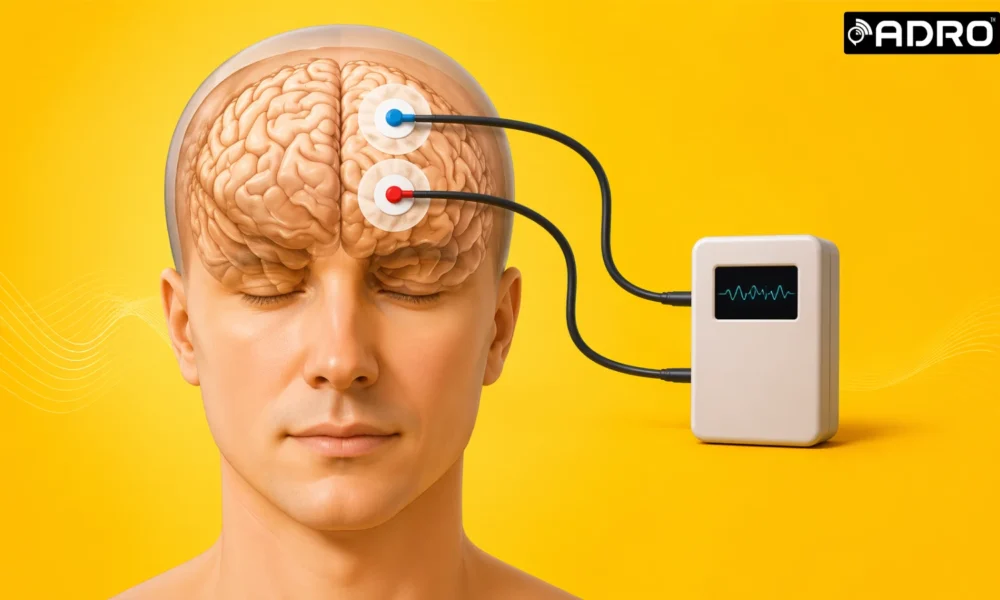
What Is an Auditory Brainstem Response (ABR) Test?
The Auditory Brainstem Response (ABR) test is an advanced, objective hearing assessment used mainly for infants, babies, and young children. This test evaluates how well the auditory nerve and brainstem pathways respond to sound.
At Adro Hearing Aid Centre, ABR testing is performed in a specialised, sound-treated audiology room using safe, non-invasive technology.
Why Is an ABR Test Needed?
An ABR test is commonly recommended when:
- A newborn does not pass the initial hearing screening after birth
- Hearing loss is suspected but cannot be confirmed using routine hearing tests
- The child is too young to respond reliably to behavioural hearing tests
ABR testing helps identify hearing loss early, which is critical for speech, language, and brain development.
How Is the ABR Test Performed?
- The test measures the electrical activity of the hearing nerve in response to sound
- Small adhesive electrodes are placed on the child’s head and near the ears
- Soft clicking sounds or tones are delivered through earphones
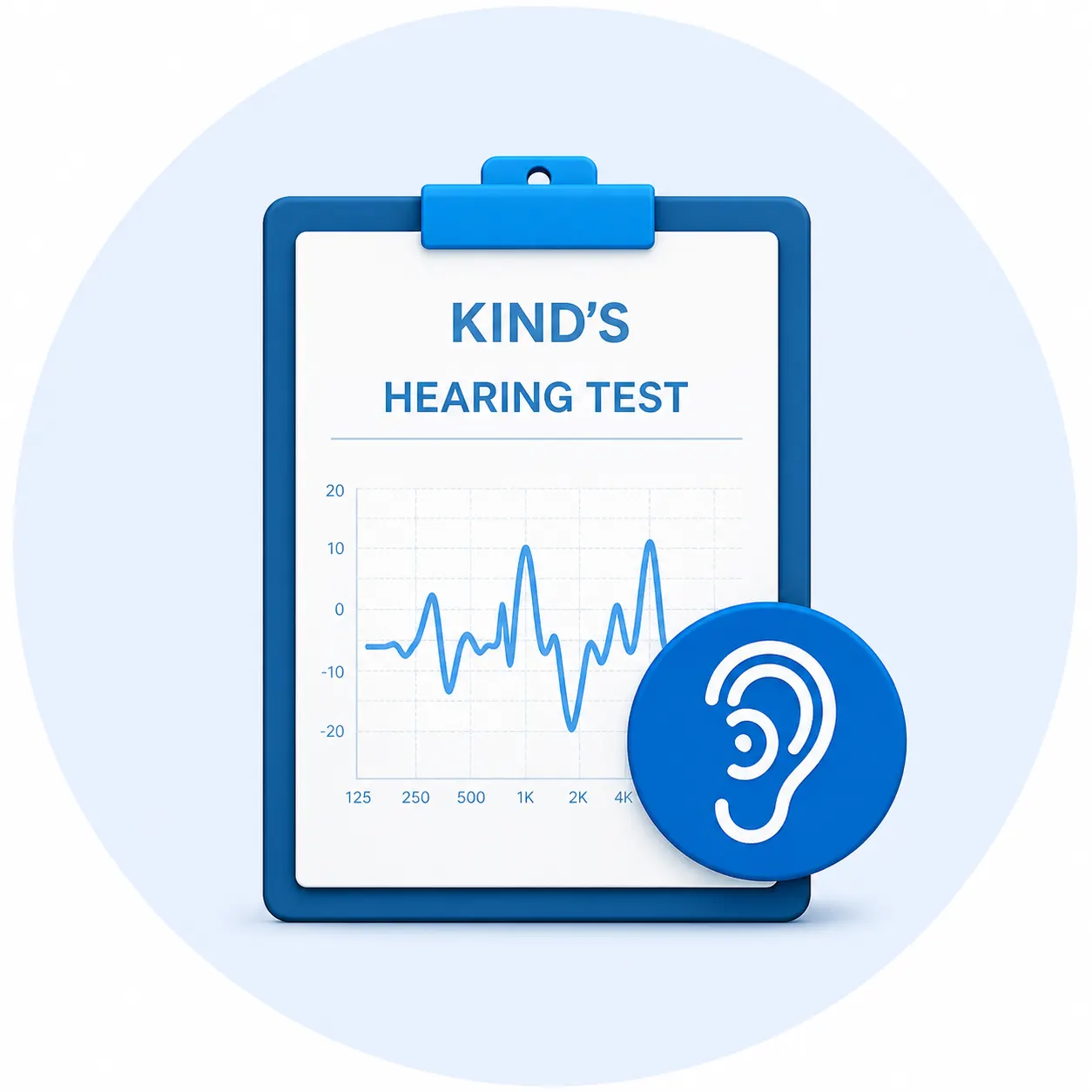
- A computer records the nerve responses and displays them as waveforms
The procedure is safe, painless, and does not harm the child.
ABR Testing Based on Child’s Age
Infants Below 6 Months
- ABR testing is usually performed while the baby is naturally asleep
- No anesthesia is required
- The test can be completed smoothly if the baby is calm and still
Children Above 7 Years
- ABR can often be performed while the child is awake, provided they can relax and lie still
Children Between 6 Months and 7 Years
- ABR testing is usually done under anesthesia
- The procedure is carried out at a Same-Day Surgery Centre
- Specific food and drink restrictions must be followed before the test
- If pre-test instructions are not followed, the test may need to be rescheduled
Duration of the ABR Test
- Without anesthesia: approximately 1–1.5 hours
- With anesthesia: up to 4 hours including preparation and recovery
Before anesthesia, the child’s medical history and physical condition are carefully reviewed by the doctor.
Understanding ABR Results
During the test, audiologists look for specific neurological wave markers that indicate how sound signals travel from the ear to the brain. By analysing these waveforms, the audiologist can determine:
- Whether hearing loss is present
- The degree and type of hearing loss
- The softest sound levels the child can hear
This information helps plan the next steps in hearing management, including hearing aids or further medical evaluation if required.
Expert ABR Testing at Adro
At Adro Hearing Aid Centres in Bangalore and Trichy, experienced audiologists provide accurate ABR testing, detailed counselling, and clear guidance for parents. Early diagnosis allows timely intervention, ensuring better hearing and communication outcomes for children.
Related Blogs

- April 29, 2026
What Is High-Frequency Hearing Loss?
Hearing loss can take on many forms. For some, the loss might be in one ear while others might experience.
Read More
- April 27, 2026
What Causes Temporary Hearing Loss In.
Hearing problems do not distinguish between children and grown-ups. There are so many causes of hearing loss that vary from.
Read More