




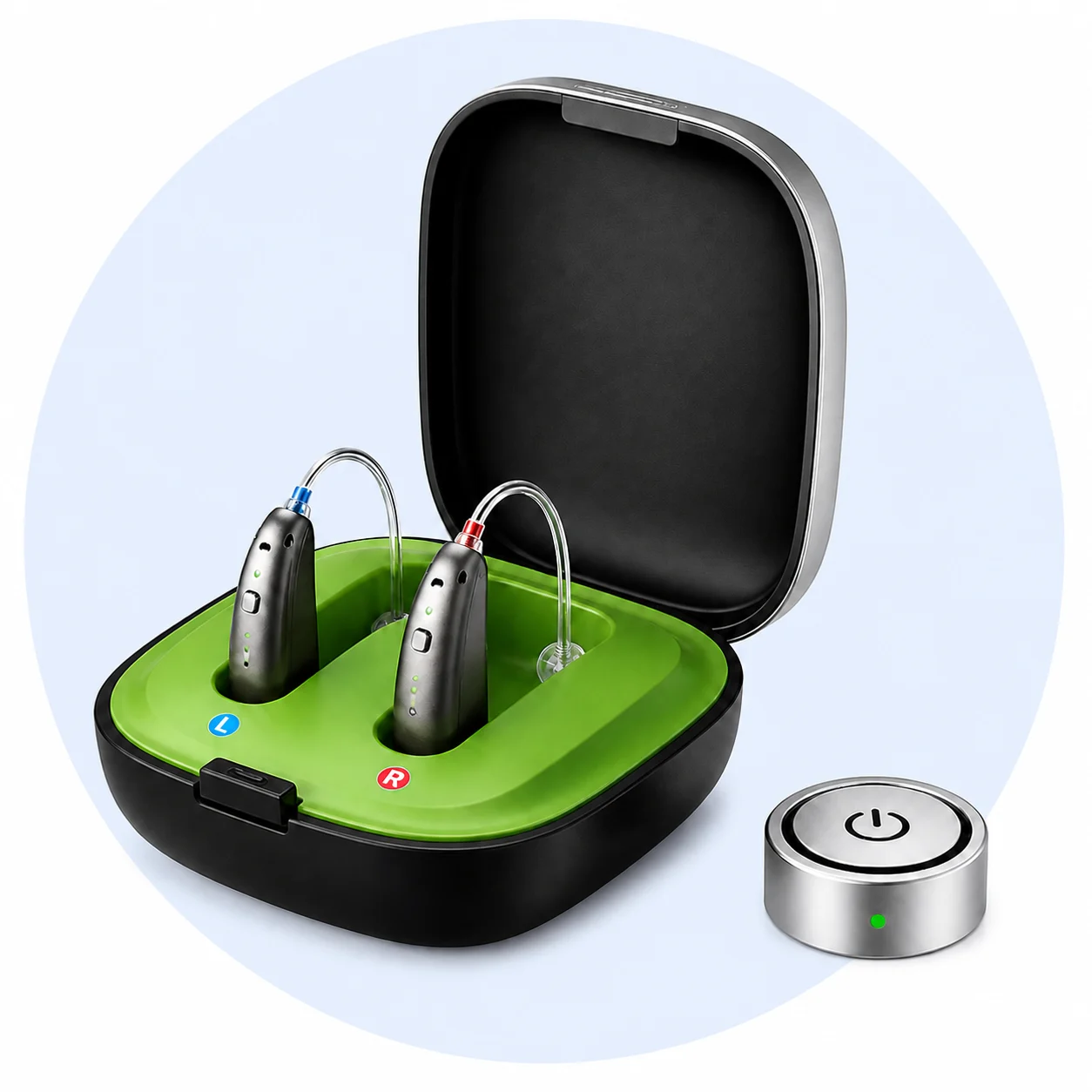






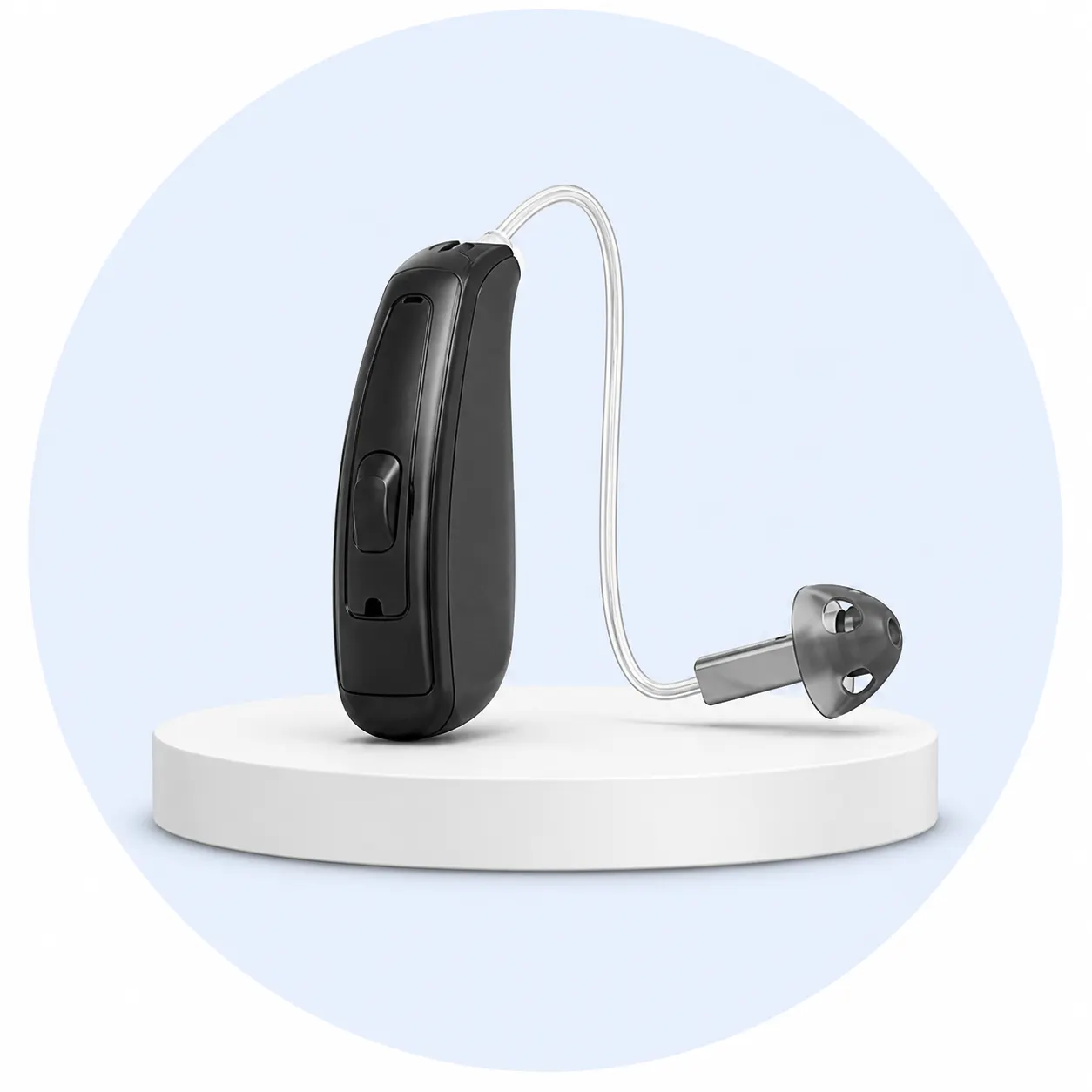




Hearing Aid Trial Period: How to Test Before You Commit
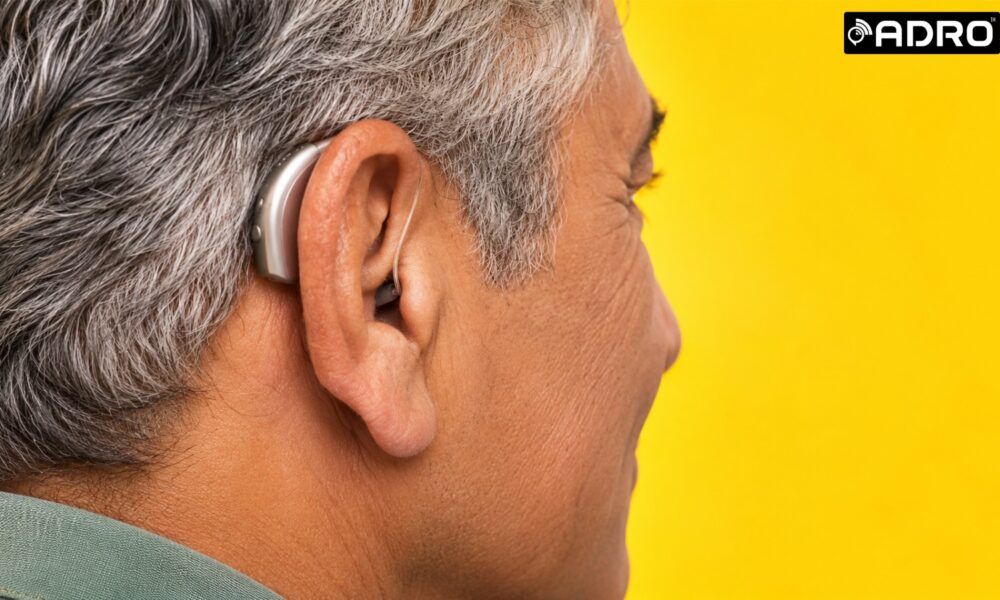
A hearing aid is a significant investment, and no brochure or spec sheet can tell you how a device will sound in your living room, your office or a busy Chennai street. That is exactly what a hearing aid trial period is for. It lets you wear the device, in your own life, before you decide to keep it.
Quick answer: A hearing aid trial is a supervised period in which an audiologist programmes suitable devices to your audiogram and you test them in real listening situations before buying. An in-clinic session takes about 20–40 minutes; take-home trials and return windows are longer and vary by clinic. Use the time to test conversation, noise, TV and phone calls, and to check comfort and fit.
Key takeaways
- A trial helps you compare brands and technology levels instead of guessing from a price list.
- Test the situations that matter in your day: family conversations, restaurants, meetings, TV and phone calls.
- Your brain needs time to adapt, so judge the experience over more than a single appointment.
- Always get the trial, return and warranty terms in writing before you pay.
- A good clinic fine-tunes the devices with you and does not rush you into a purchase.
What is a hearing aid trial period?
A hearing aid trial period is a window of time, short or long, during which you can try hearing aids without committing to buy them. The exact shape differs from one clinic to another, and it is worth understanding the three common forms:
| Type | What it means | Best for |
|---|---|---|
| In-clinic trial | You test programmed devices at the centre with your audiologist present. | Comparing two or three models quickly and shortlisting. |
| Take-home trial | You wear the device for a set period in your own environment, then return to review it. | Judging real-life performance at home, work and outdoors. |
| Return or refund window | You buy first, and can return the device within a stated period under the clinic’s policy. | People who want a safety net after purchase. |
These are not the same thing, and clinics use the word “trial” loosely. Before you begin, ask which of the three you are being offered, for how long, and what, if anything, you will pay.
Why a trial matters before you buy
Two people with the same audiogram can prefer completely different sound quality. Hearing is not only about volume; it is about clarity, comfort, background-noise handling and how natural the sound feels. According to the World Health Organization, hearing loss is a major and growing global health issue, and the right device matters because untreated hearing difficulty affects communication, work and relationships.
A trial reduces the risk of choosing the wrong device. It also helps you answer practical questions that are hard to settle on paper:
- Does speech sound clearer without sounding harsh or “tinny”?
- Is the device comfortable for several hours, or does it press, itch or feel blocked?
- Can you manage the controls, battery or charging comfortably?
- Does Bluetooth pairing with your phone work smoothly?
If you are still deciding whether you need a device at all, start with a hearing check. A pure tone audiometry test shows how well you hear across different frequencies, and it gives your audiologist the audiogram needed to programme a trial device accurately.
How to prepare for your hearing aid trial
A little preparation makes the trial far more useful. The audiology team at Adro suggests the following:
- Bring your latest audiogram. Include tympanometry or BERA reports if you have them.
- List your real-life hearing struggles. For example: “I miss words at family dinners” or “I can’t follow meetings.”
- Carry your smartphone. It allows Bluetooth pairing and streaming to be tested on the spot.
- Come with a family member or close friend. A familiar voice makes conversation testing more natural, and they can tell you how you sound too.
- Think about budget and style early. Knowing whether you prefer a discreet fit or easier handling narrows the models worth testing. Our guide to the types of hearing aids explains the main styles.
How a hearing aid trial works at Adro
At Adro Hearing Aid, a trusted hearing aid centre in Chennai, the process is designed to be simple and transparent. Our free hearing aid trial follows these steps:
- Audiology review. The audiologist studies your audiogram and understands your daily hearing challenges.
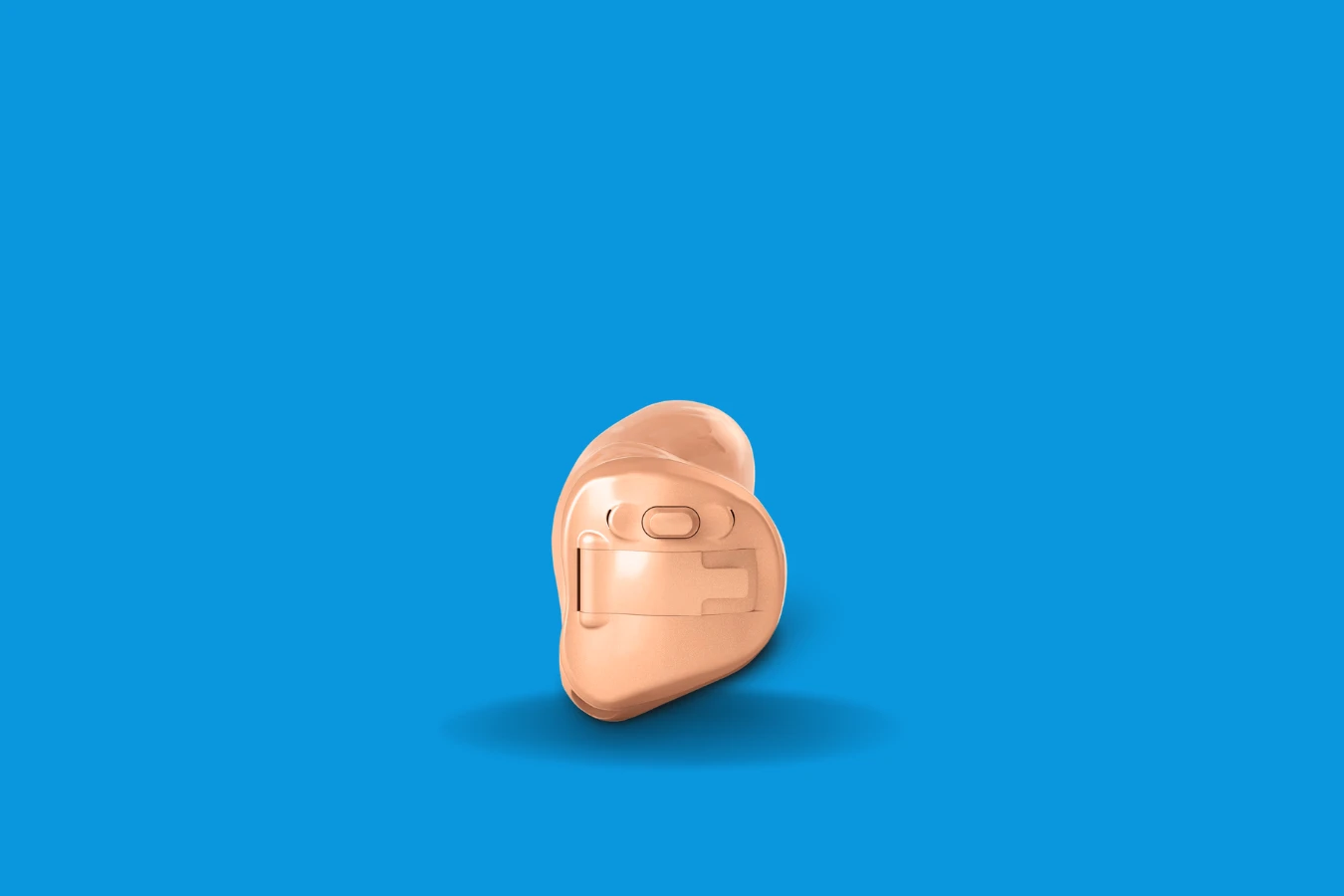
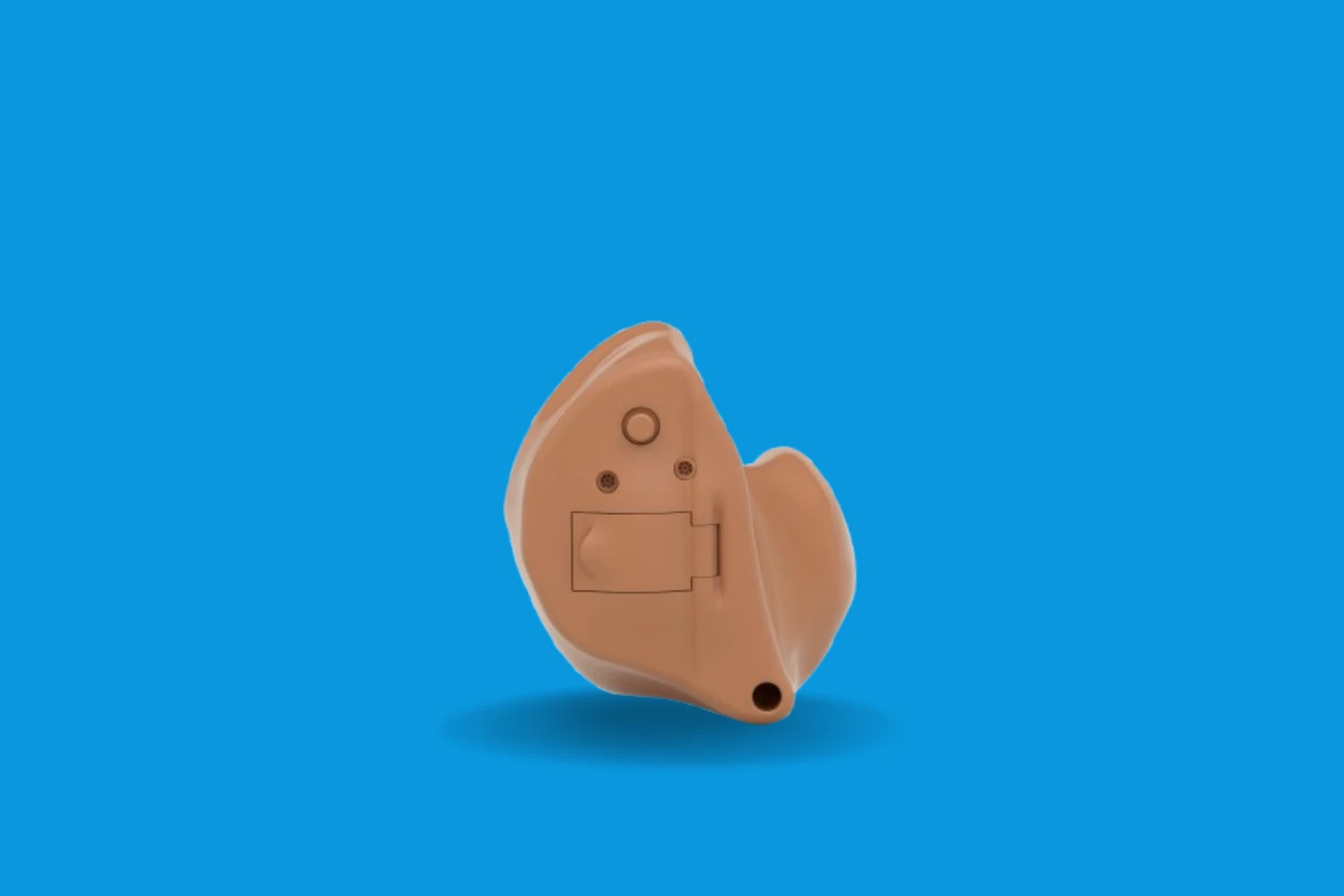
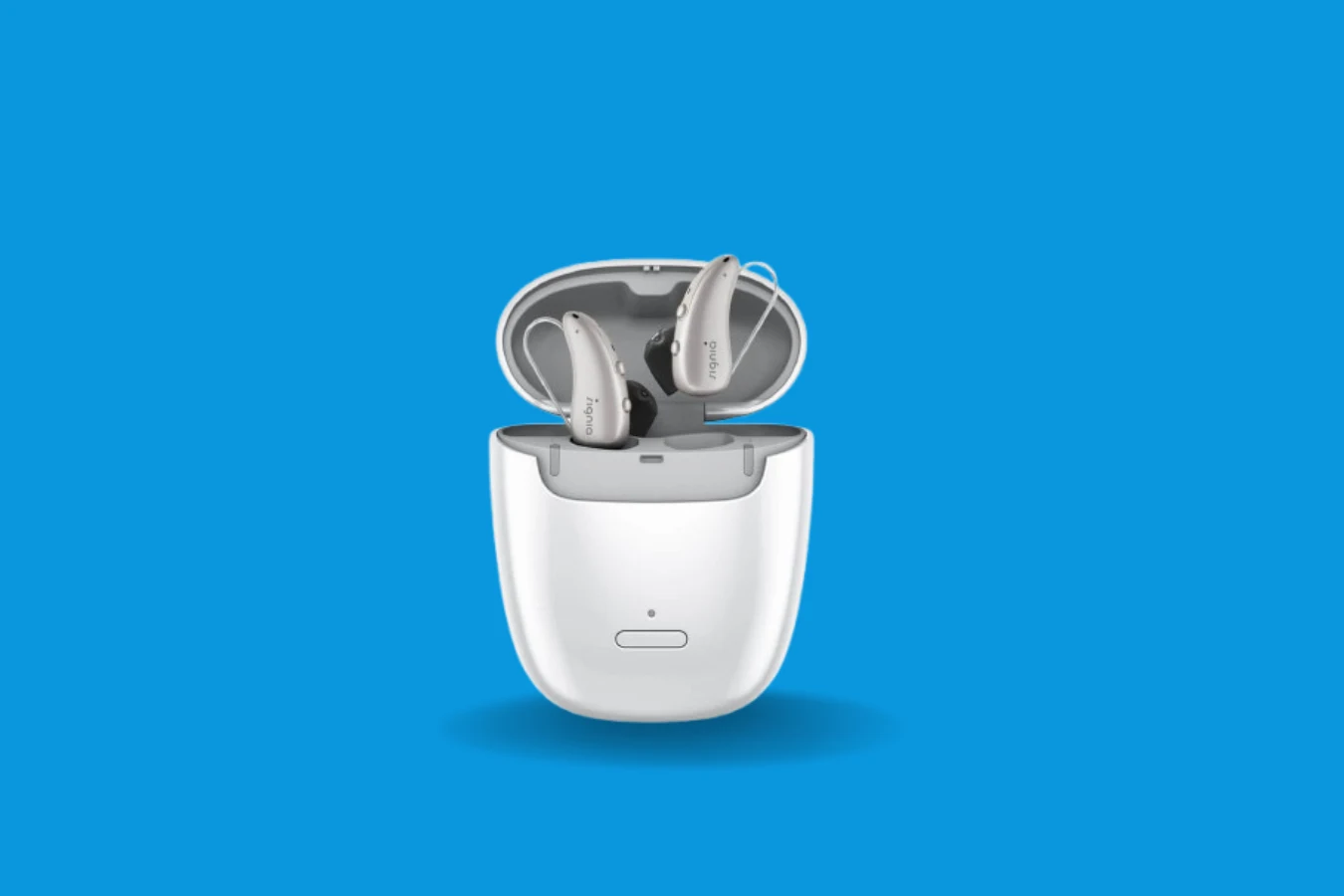
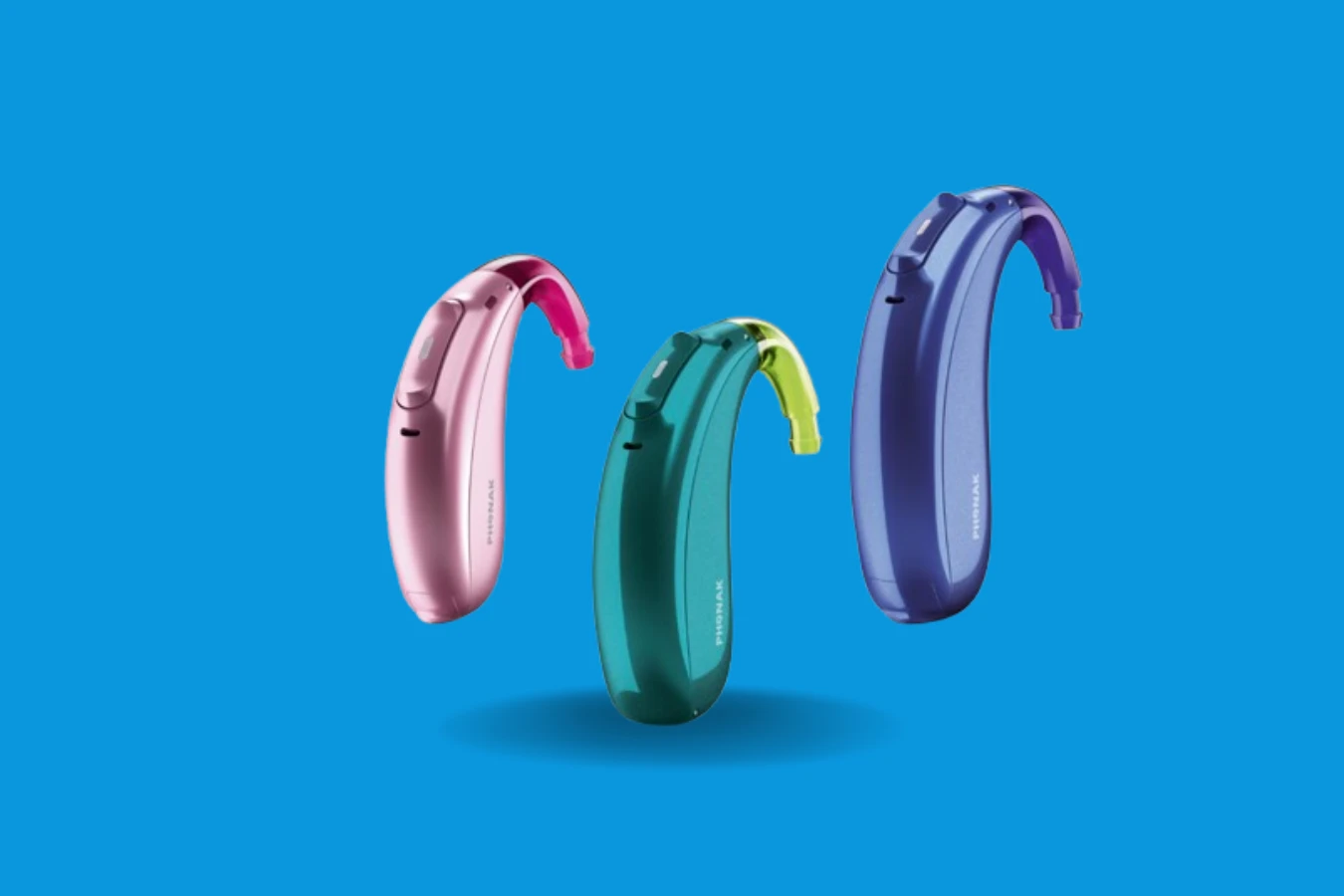
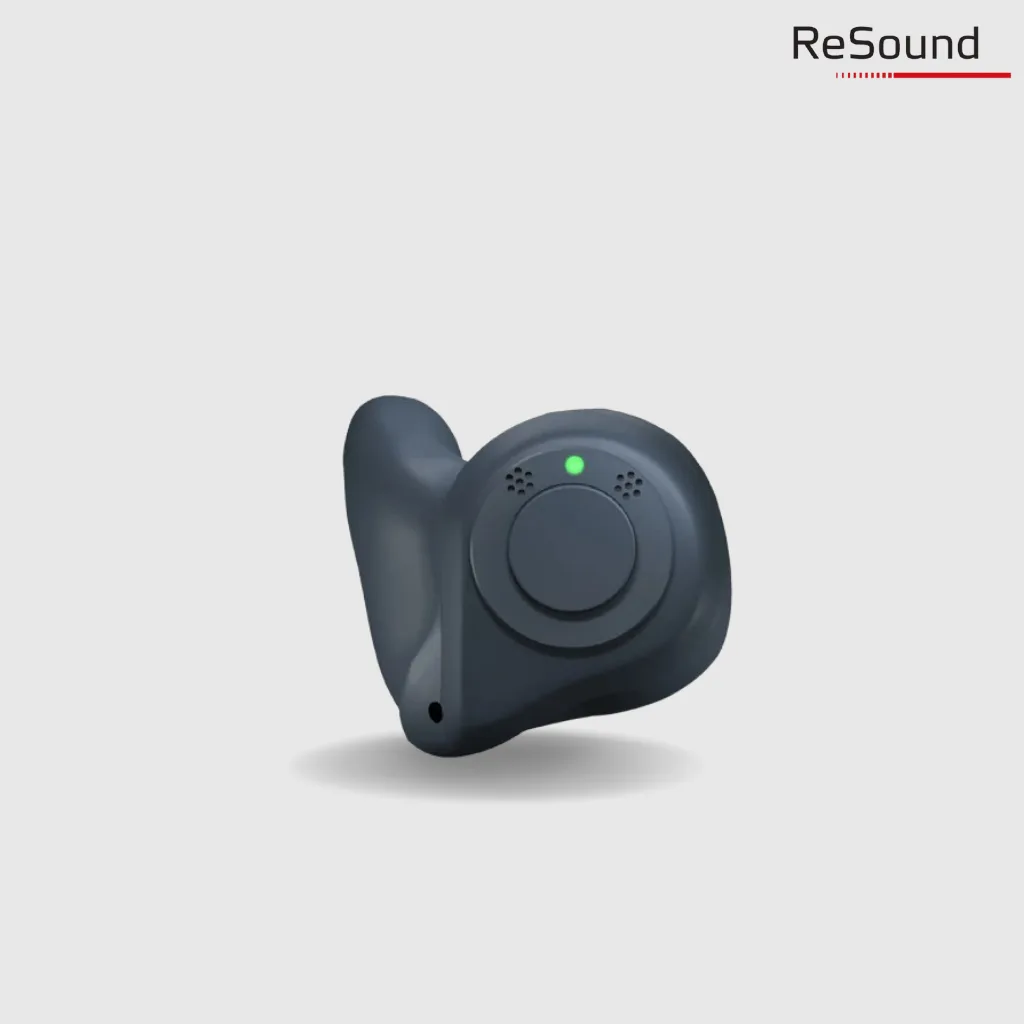
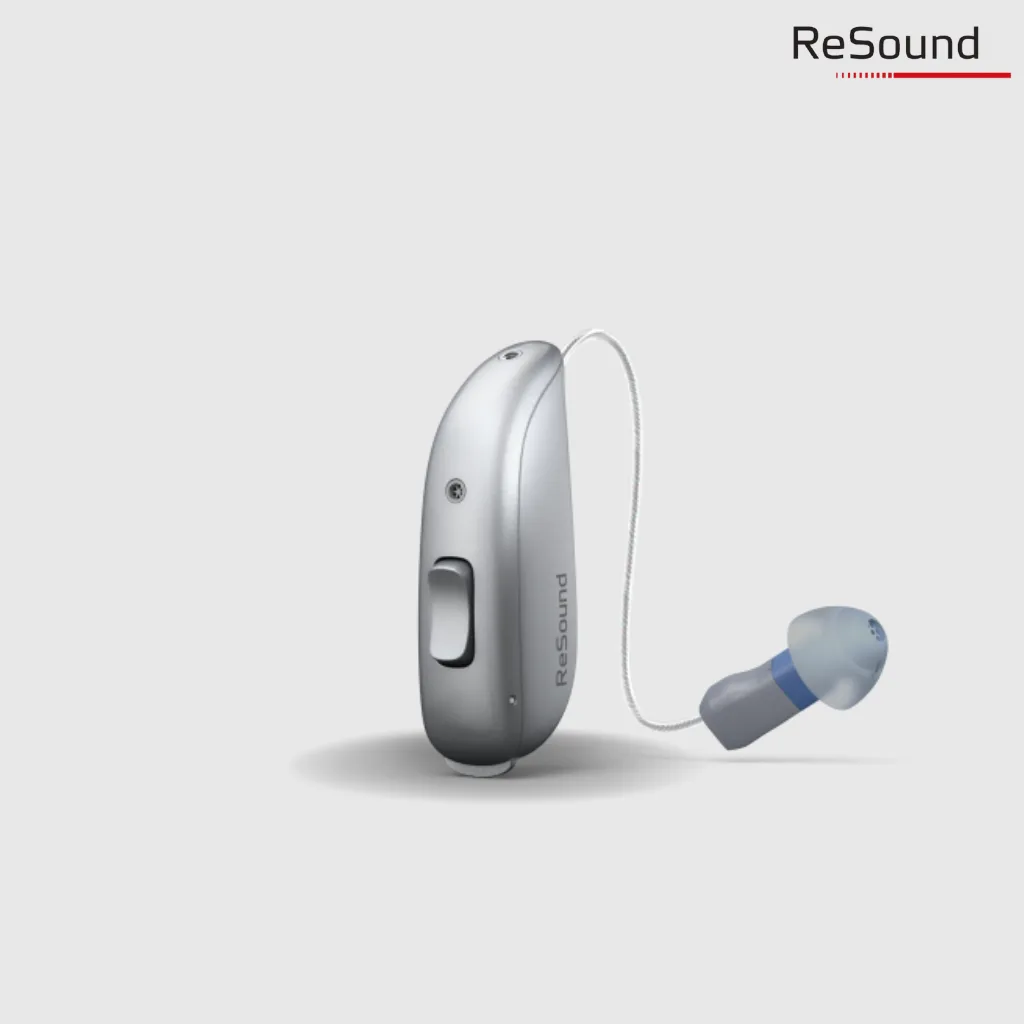
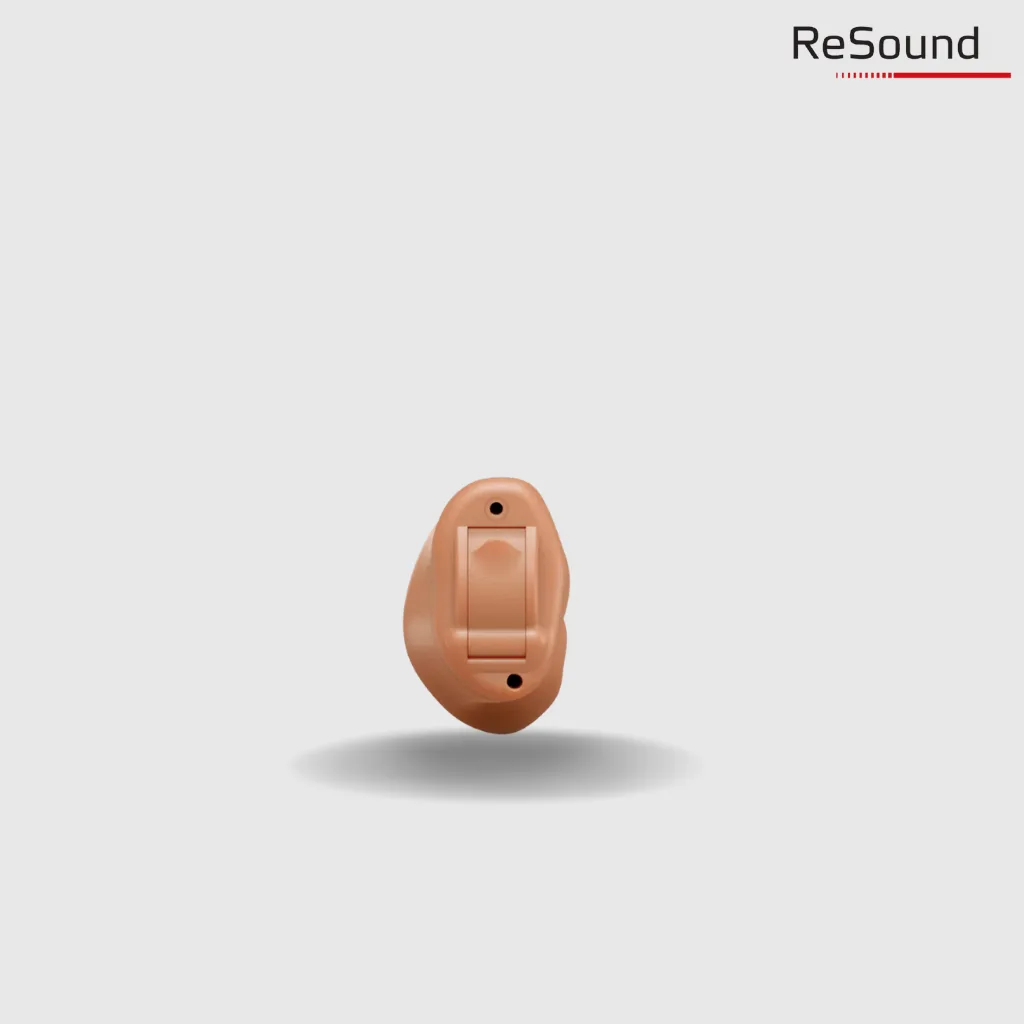
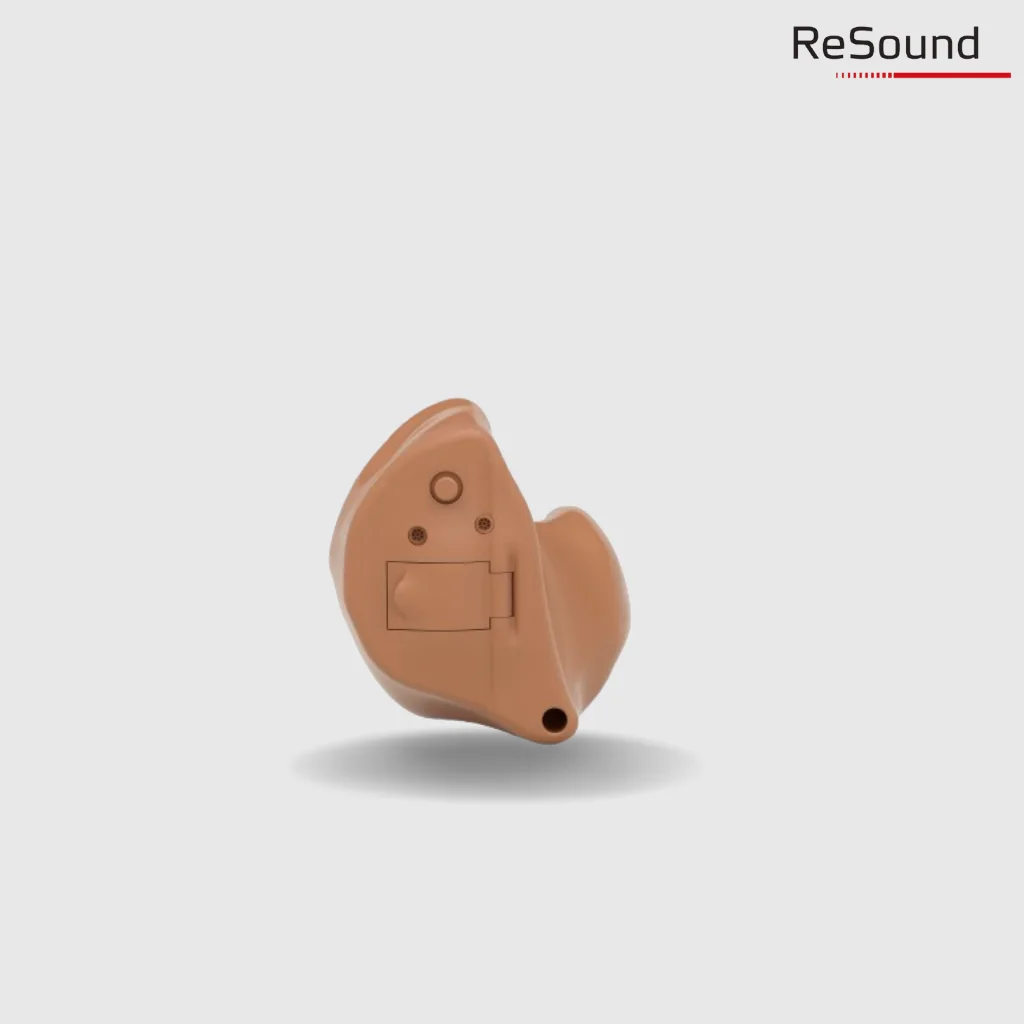
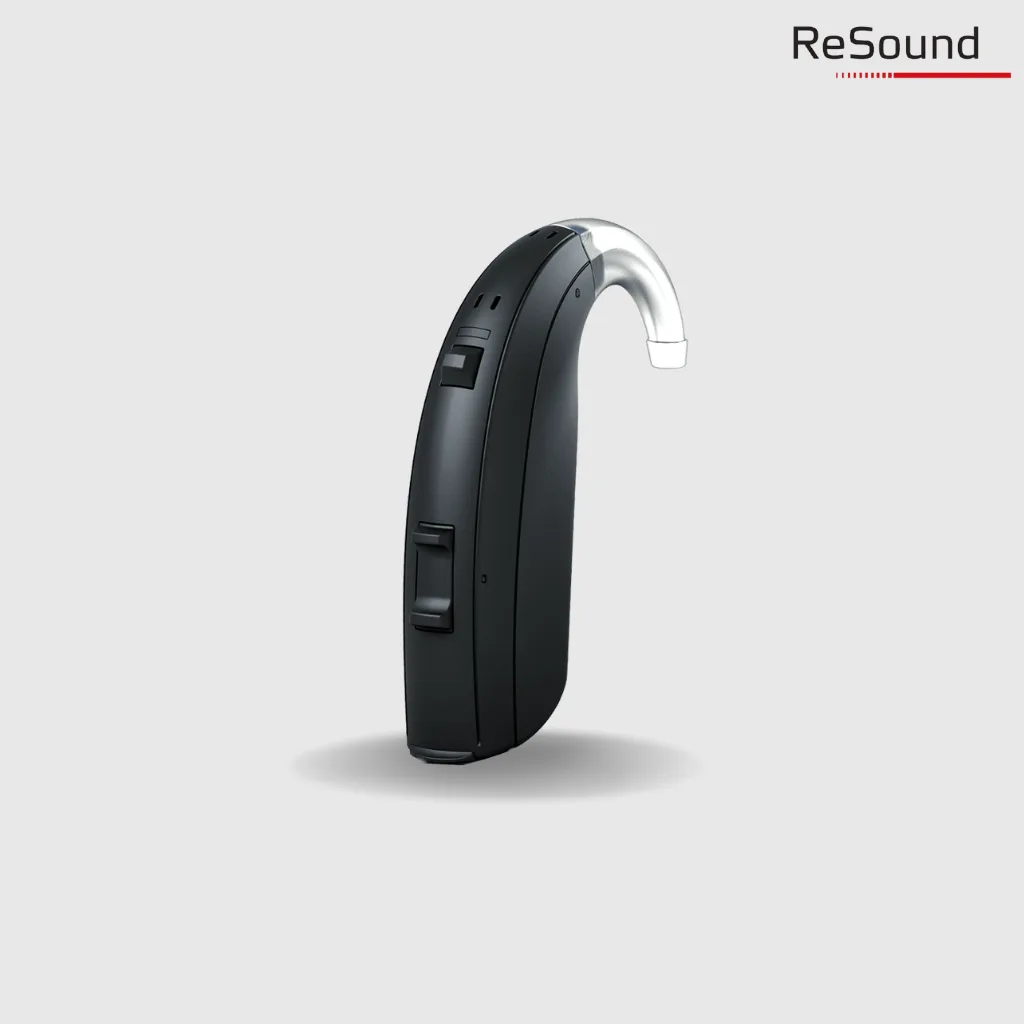
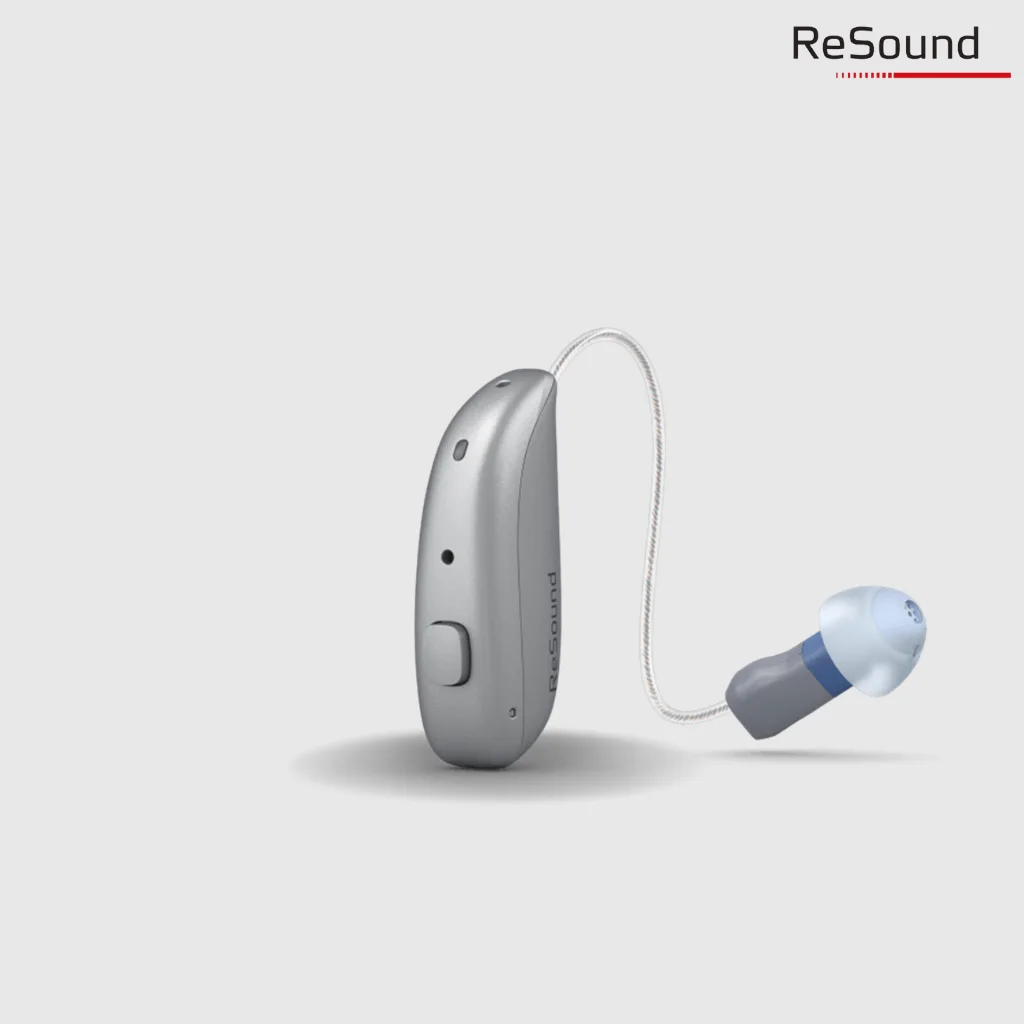
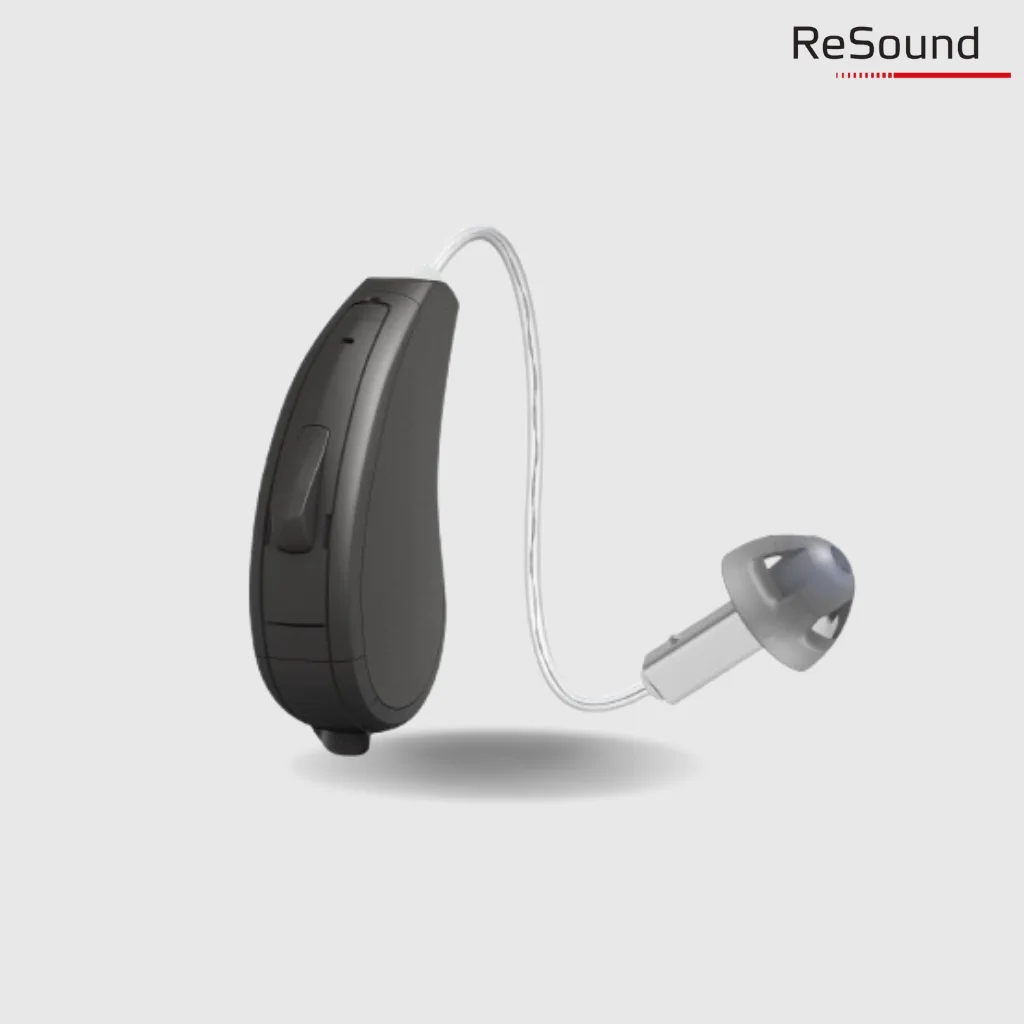
- Device recommendation. Based on your needs, two to three suitable models are shortlisted across global brands such as Phonak, Signia, Widex, Oticon, ReSound and Unitron.
- Real-time programming and fitting. The devices are programmed using NOAH fitting software and tuned to your exact hearing loss.
- Live listening experience. You test speech, noise, soft sounds, phone streaming and TV.
- Feedback and fine-tuning. Adjustments continue until clarity and comfort feel right to you.
- Take-home trial (optional). At select centres, a take-home trial may be available, depending on device availability.
The in-clinic trial typically takes 20–40 minutes depending on how many options you test, and it is free at Adro centres with no obligation to purchase. You can read more on our trial before you buy page, or ask about arranging a hearing aid home visit if travelling to a centre is difficult.
What to test during your hearing aid trial
Sitting quietly across a desk from your audiologist is the easiest listening situation there is. The real test is everything else. Use this checklist to put the devices through your actual life:
| Situation | What to notice |
|---|---|
| One-to-one conversation | Are words clear without straining? Does your own voice sound natural? |
| Group or family gatherings | Can you follow several speakers? See how the device handles family and social settings. |
| Background noise | Does speech stand out in traffic, a restaurant or a market, or does everything just get louder? |
| Television | Can you lower the volume to a level others are comfortable with? Check home and TV use performance. |
| Phone and video calls | Does Bluetooth streaming connect easily and sound clear? See how it suits phone and video calls. |
| Meetings or classes | Can you hear several voices across a table? Relevant if you need office and meeting support. |
| Soft and everyday sounds | Are footsteps, fans and paper rustling comfortable, or are they too sharp? |
| Comfort and fit | Any pressure, itching, whistling or a “blocked” feeling? A custom ear mould can help with fit in many cases. |
Keep a simple trial diary
Memory fades quickly, so write things down as you go. A short note at the end of each day is enough. Record:
- Where and when you wore the devices, and for how many hours.
- Situations that went well, and ones that were difficult.
- Sounds that felt too loud, too sharp or unnatural.
- Any whistling, discomfort or battery and charging issues.
Bring the diary to your follow-up. It gives your audiologist specific information to work with, so fine-tuning becomes precise rather than a guess. If you hear whistling, our explainer on why hearing aids whistle covers the common causes.
Be realistic: your brain needs time to adapt
Many first-time users are surprised that new hearing aids do not sound “normal” immediately. Sounds you have not heard for a long time, such as birds, footsteps and ceiling fans, can seem loud or strange at first, because your brain is relearning how to process them. This is a normal part of getting used to amplification, and it is the main reason one short appointment rarely tells the whole story.
Plan for gradual adjustment. Start by wearing the devices in quiet settings at home, then build up to busier places. Our guides on what to expect as a first-time hearing aid user and tips to get used to a new hearing aid walk through the early days in detail. You can also learn why hearing aid fine-tuning is essential once the devices have been fitted.
If you have hearing loss in both ears, ask your audiologist whether two devices would help; our article on whether two hearing aids are better than one explains the reasoning.
Questions to ask before you commit
Once the trial is over, take a moment to review the terms and the experience. These questions protect you from surprises:
- What exactly does the trial include? Is it in-clinic, take-home or a post-purchase return window, and for how long?
- Is there any fee? Ask whether there is a trial charge, deposit or non-refundable amount.
- What are the return and refund conditions? Read the clinic’s purchase and return policy and keep a copy.
- What does the warranty cover? Check the warranty terms for repairs and replacements.
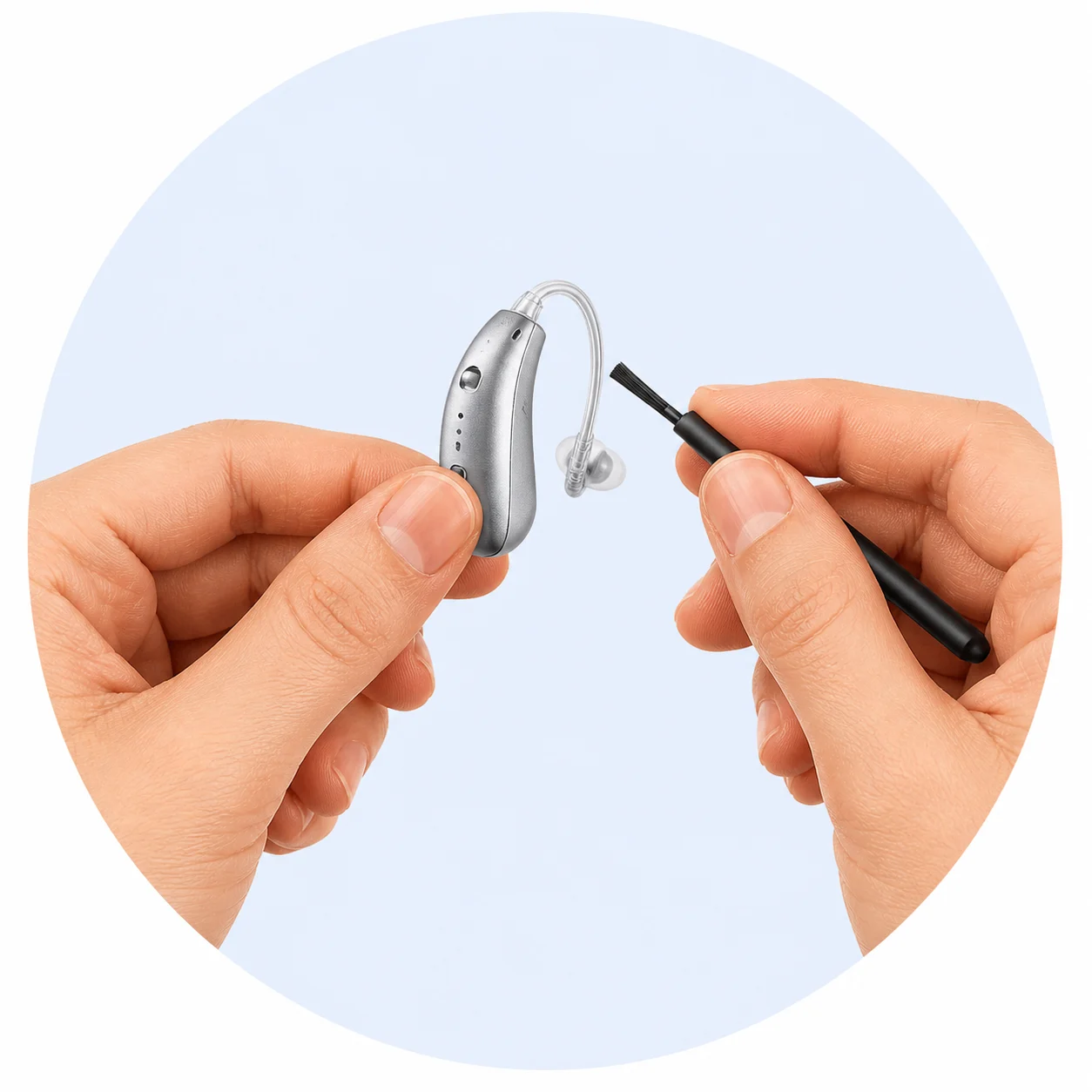
- Is aftercare included? Servicing, cleaning and adjustments matter over the years. See the details on hearing aid service and aftercare.
- How long can I expect the device to last? Our piece on how long a hearing aid really lasts helps you judge long-term value.
For a wider checklist, read questions to ask yourself before buying a hearing aid.
Red flags to watch for
- Pressure to decide on the spot. A good clinic lets you take your time.
- Only one option on offer. You should be able to compare more than one model or brand.
- Vague or verbal-only terms. Trial, return and warranty conditions should be clear and written.
- No follow-up plan. Fine-tuning and aftercare are part of the product, not an extra.
- Hearing aid sold without a proper hearing test. Programming needs an audiogram.
Understanding cost, EMI and value
Price should be the last filter, not the first. Once you know which device sounds and feels right, compare it against your budget. Our hearing aid price in Chennai page gives an overview of options from entry-level to premium. If you would rather spread the cost, Adro offers EMI options across flexible instalment plans.
When is it time to say yes?
You can feel confident about a device when speech is noticeably clearer in the situations you care about, the fit is comfortable for a full day, you can operate it without frustration, and your audiologist has addressed the issues raised in your diary. If a device does not meet those marks, ask to try another model or adjust the programming before deciding. Choosing carefully now means fewer regrets later.
Frequently asked questions
How long should a hearing aid trial period be?
An in-clinic trial usually takes 20–40 minutes, while take-home trials and return windows can run for days or weeks depending on the clinic and manufacturer. Because the brain needs time to adapt, a longer real-world trial gives a more reliable picture than one short session.
Is the hearing aid trial free at Adro?
Yes. Adro offers a free hearing aid trial at its centres with no obligation to purchase. Take-home trials may be available at select centres, depending on device availability.
Can I try more than one brand?
Yes. The audiologist typically recommends two to three suitable models across brands such as Phonak, Signia, Oticon, ReSound, Widex and Unitron, so you can compare them side by side.
What should I bring to the trial?
Bring your latest audiogram, a list of situations you find difficult, your smartphone for Bluetooth pairing, and a family member or friend for natural conversation testing.
Will new hearing aids sound natural straight away?
Not always. Everyday sounds can seem louder or sharper at first as your brain adapts. Follow-up fine-tuning visits help your audiologist adjust the programming as you settle in.
What if I am not satisfied after the trial?
Get the clinic’s trial, return and refund terms in writing before you pay. At Adro, the in-clinic trial carries no obligation to buy, and the purchase and return policy sets out what applies after a purchase.
Try before you decide at Adro
Experience real-world hearing improvement with personalised fitting and no obligation to buy. Visit any of our Chennai, Tamil Nadu or Bangalore centres, or book a free appointment to start your hearing aid trial today. You can also call +91 78457 45787 (Mon–Sat, 10:00 AM–7:00 PM).

Can Hearing Loss Be Reversed Without.
Some hearing loss can be reversed without a hearing aid, but most can’t. Conductive hearing loss — caused by earwax,.
Read More
Types of Ear Infections And Their.
Overall body hygiene and fitness are very essential. We all know that. But, sometimes we see the big picture and.
Read More