















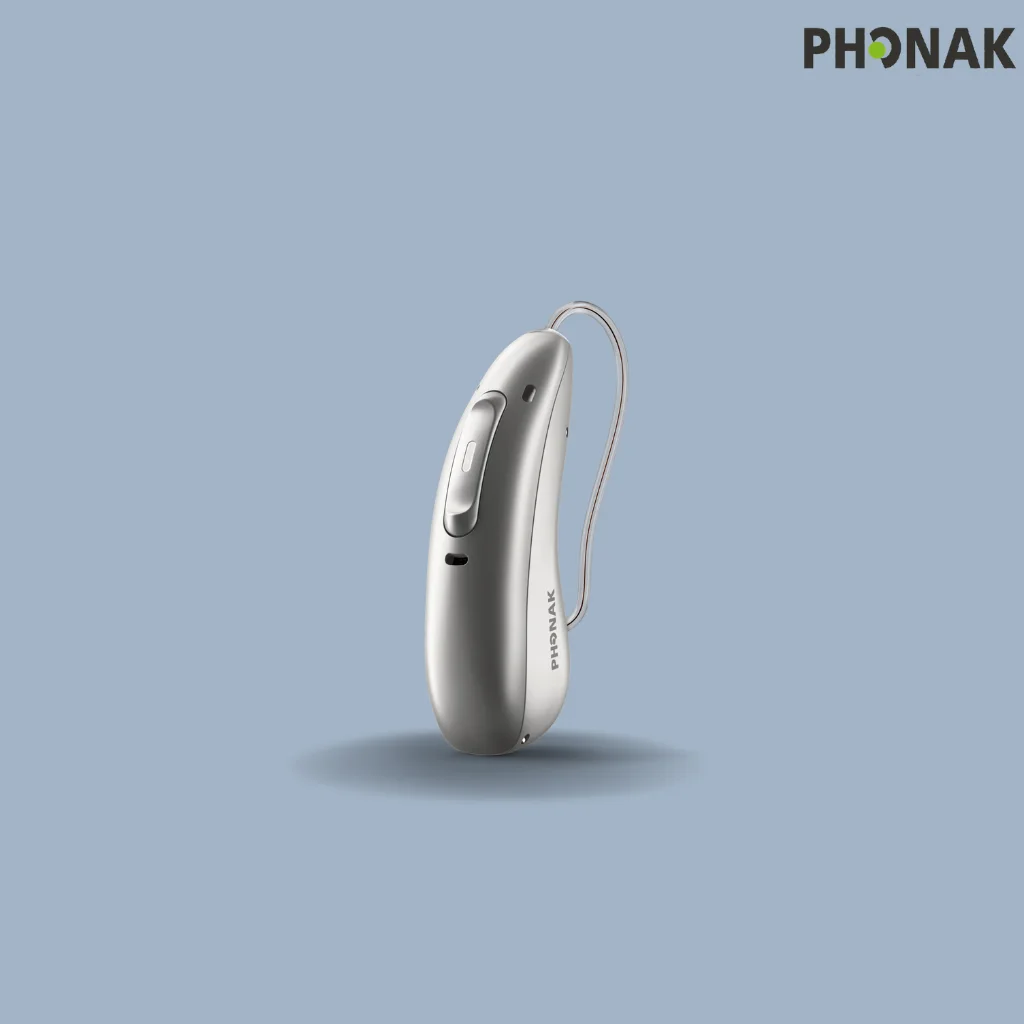
First-Time Hearing Aid User? 9 Essential Things to Expect for a Confident Start

Introduction
Wearing hearing aids for the first time can feel exciting, emotional and slightly overwhelming. Everyday sounds—such as birds singing, footsteps, ceiling fans and rustling paper—may suddenly seem unusually clear or loud. Your own voice may also sound different.
These experiences are normal. Hearing aids introduce your brain to sounds it may not have processed clearly for months or even years. Therefore, successful hearing aid use requires patience, regular practice and professional support.
According to the World Health Organization, more than 1.5 billion people worldwide experience some degree of hearing loss, while approximately 430 million require hearing rehabilitation. Moreover, over 700 million people may require hearing rehabilitation by 2050. WHO – Deafness and Hearing Loss
If you are a first-time hearing aid user, here are nine important things you should expect during your adjustment journey.
1. Everyday Sounds May Initially Seem Loud
During the first few days, common sounds may feel sharper or louder than expected. You may suddenly notice:
- The ticking of a clock
- Water running from a tap
- Keyboard clicks
- Traffic sounds
- Footsteps
- Paper rustling
- Birds and outdoor sounds
Your brain had gradually become accustomed to receiving less sound. Once hearing aids restore access to those sounds, your brain needs time to identify which ones are important and which can remain in the background.
Avoid giving up immediately. With consistent use, many sounds should begin to feel more natural.
2. Your Voice May Sound Different
Many new users feel that their voice sounds loud, hollow or as though they are speaking inside a barrel. This experience can happen because your ears are receiving your voice through both natural pathways and hearing-aid amplification.
Speak normally and avoid deliberately whispering. As your brain adjusts and your hearing care professional fine-tunes the device, your voice should become more comfortable.
If the sensation continues or causes discomfort, schedule a follow-up appointment instead of changing multiple settings independently.
3. Adjustment Happens Gradually
Hearing aids do not restore normal hearing in the same way that glasses can correct vision. They improve access to sound and speech, but your brain still needs to relearn how to process that information.
The FDA notes that the adjustment period may take several months for some users. It recommends wearing hearing aids regularly, practising in different environments and discussing persistent difficulties with a hearing professional. FDA – Hearing Aid Benefits and Limitations
Begin in quieter environments, such as your home. Then gradually use your hearing aids during family conversations, outdoor walks, shopping trips and social gatherings.
4. Background Noise May Be Distracting
First-time users often expect hearing aids to amplify speech while completely eliminating unwanted noise. However, hearing aids cannot remove every background sound.
Modern digital hearing aids use directional microphones, noise reduction and speech-enhancement technology. Nevertheless, restaurants, celebrations and busy streets can still be challenging.
To improve communication in noisy places:
- Sit with your back facing the main source of noise.
- Position yourself close to the speaker.
- Choose well-lit areas where you can see facial expressions.
- Use a directional listening or restaurant program if available.
- Ask your audiologist about remote microphones and assistive accessories.
These small changes can significantly improve speech understanding.
5. Comfort Should Improve—Pain Should Not Continue
You may notice mild awareness or pressure when you first wear a hearing aid. However, persistent pain, soreness, itching or skin irritation is not something you should ignore.
An uncomfortable device may require changes to its dome, earmould, receiver or physical fit. Likewise, whistling or feedback may indicate poor placement, excessive earwax or an incorrect setting.
Remove the device and contact your hearing care professional if discomfort continues. Never force a hearing aid into your ear.
6. Consistent Use Builds Better Results
Wearing hearing aids only during important conversations can slow your progress. Regular use helps your brain become familiar with a wider range of sounds.
Follow the wearing schedule recommended by your audiologist. Some professionals advise beginning with shorter periods and gradually increasing daily use, while others may recommend wearing the devices throughout most waking hours.
Consistency matters more than perfection. If you feel tired, take a short break and restart when comfortable.
7. Follow-Up Appointments Are Essential
Your first fitting is the beginning of the process—not the final step. During follow-up appointments, your audiologist can:
- Adjust sound levels
- Improve speech clarity
- Reduce excessive sharpness
- Check the physical fit
- Review cleaning procedures
- Explain programs and controls
- Resolve feedback or connectivity problems
Keep a small hearing diary. Record the situations where you hear well and those where you struggle. Specific feedback such as “speech is unclear in restaurants” gives your audiologist more useful information than simply saying the device is not working properly.
8. Daily Care Will Protect Your Investment
Hearing aids are sophisticated electronic devices. Moisture, heat, earwax and improper handling can affect their performance.
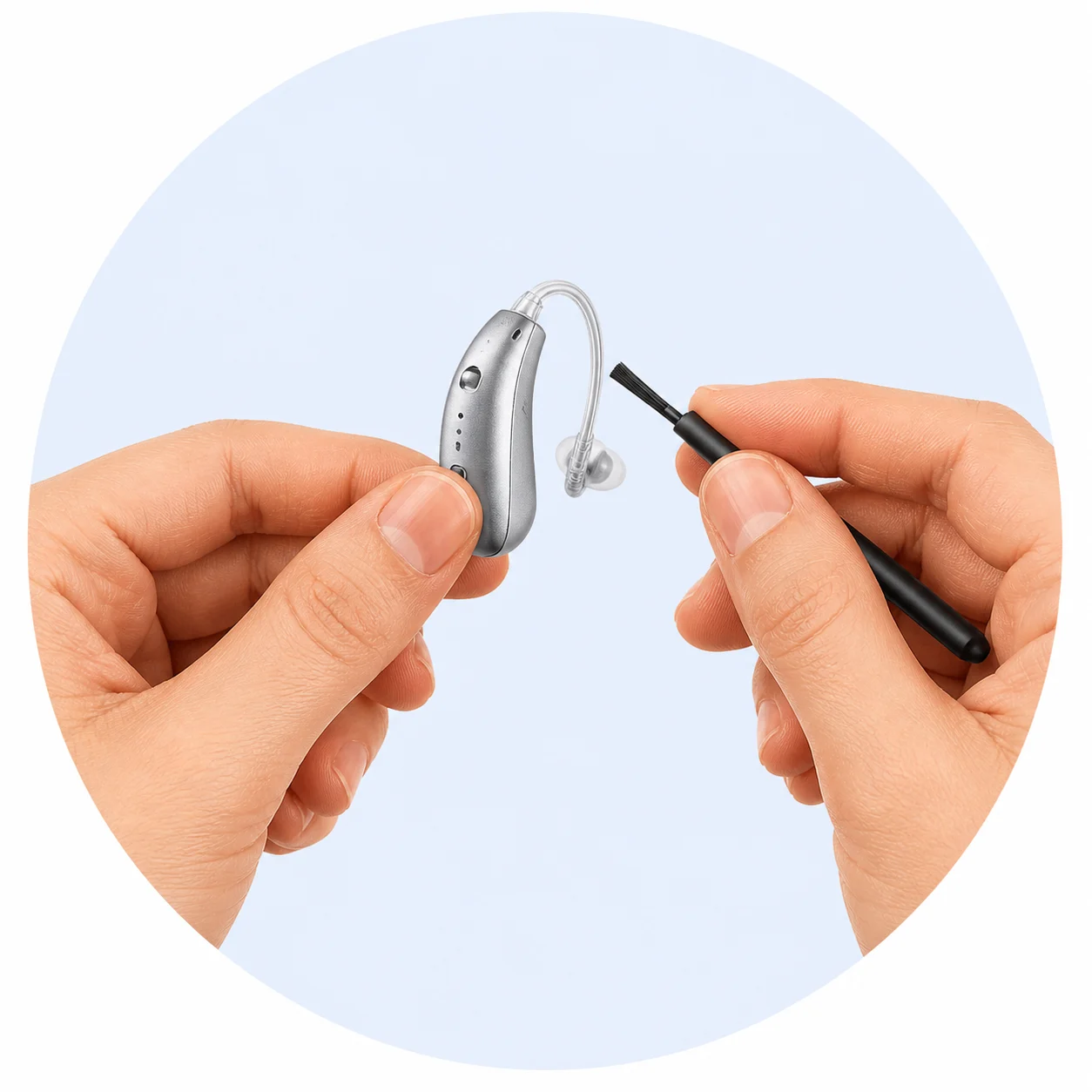
Clean your hearing aids using the tools recommended by the manufacturer or hearing specialist. Keep them dry, turn them off when not in use and store them safely away from children and pets.
The FDA advises users not to clean hearing aids with water, solvents or alcohol because these substances may damage their internal electronics. It also recommends protecting them from excessive heat and replacing dead batteries promptly. FDA – How to Get Hearing Aids
9. Realistic Expectations Lead to Better Experiences
Hearing aids can improve communication, confidence and participation in daily activities. However, they cannot make every listening environment perfect.
Instead of expecting immediate perfection, look for gradual improvements:
- Fewer requests for repetition
- Clearer television dialogue
- Easier family conversations
- Better awareness of environmental sounds
- Greater confidence during social activities
Celebrate these practical improvements. They show that your hearing aids and brain are beginning to work together effectively.
Frequently Asked Questions
How long does it take to adjust to hearing aids?
The experience differs for each person. Some users notice meaningful improvement within a few weeks, while others need several months. Your hearing loss, device settings, daily wearing time and listening environments can all influence the process.
Should I wear my hearing aids all day?
Follow the schedule recommended by your audiologist. Regular daytime use generally supports adaptation, but beginners may need to increase their wearing time gradually.
Can I sleep while wearing hearing aids?
Generally, remove hearing aids before sleeping unless your hearing specialist specifically advises otherwise. Removing them prevents discomfort, protects the devices and allows you to clean and charge them.
Why are my hearing aids whistling?
Feedback may occur when the device is not inserted correctly, the fitting is loose, the volume is too high or earwax blocks the ear canal. Ask your hearing care professional to identify the cause.
When should I contact a doctor?
Seek medical attention should if you experience sudden or rapidly worsening hearing loss, ear pain, drainage, bleeding, severe dizziness or a foreign object in the ear. A hearing aid should not replace appropriate medical assessment.
Conclusion
Becoming a confident hearing aid user is a journey rather than a one-day transformation. New sounds, changes in your voice and difficulty in noisy environments may initially feel challenging. However, consistent practice, realistic expectations and timely professional adjustments can make the transition easier.
Most importantly, do not leave your hearing aids unused because the first few days feel unfamiliar. Wear them as advised, document your experiences and attend follow-up appointments. With patience and professional support, hearing aids can help you communicate more comfortably and reconnect with the people and moments that matter.


How to Improve Hearing Naturally: 9.
Introduction Have you recently started increasing the television volume, asking people to repeat themselves, or struggling to follow conversations in.
Read More
9 Common Causes of Hearing Loss.
Introduction Have you started increasing the television volume, asking people to repeat themselves, or struggling to follow conversations in busy.
Read More