

















Can Hearing Loss Be Reversed Without a Hearing Aid?

Some hearing loss can be reversed without a hearing aid, but most can’t. Conductive hearing loss — caused by earwax, fluid, or infection — is usually reversible with treatment. Sudden sensorineural hearing loss is sometimes partially reversible if treated with steroids within 72 hours. Permanent age-related or noise-induced sensorineural hearing loss cannot currently be reversed by any drug, supplement, or device.
Key takeaways
- Only two categories of hearing loss are reversible: conductive hearing loss (earwax, fluid, infection, eardrum damage) and, in a minority of cases, sudden sensorineural hearing loss caught within 72 hours.
- Age-related and noise-induced sensorineural hearing loss — the most common types — cannot currently be reversed; hearing aids and cochlear implants manage them but don’t restore the damaged inner-ear cells.
- Sudden sensorineural hearing loss is a medical emergency: spontaneous recovery happens in 32–65% of cases, and treatment within 72 hours raises the chance of meaningful recovery to roughly 49–79% (Cochrane; American Academy of Otolaryngology–Head and Neck Surgery).
- No supplement, ear drop, sound therapy app, or over-the-counter product has clinical evidence of reversing sensorineural hearing loss.
- The only drug candidate designed to regenerate inner-ear hair cells to reach late-stage human trials, FX-322, failed its Phase 2b trial in 2023 and was discontinued in 2024.
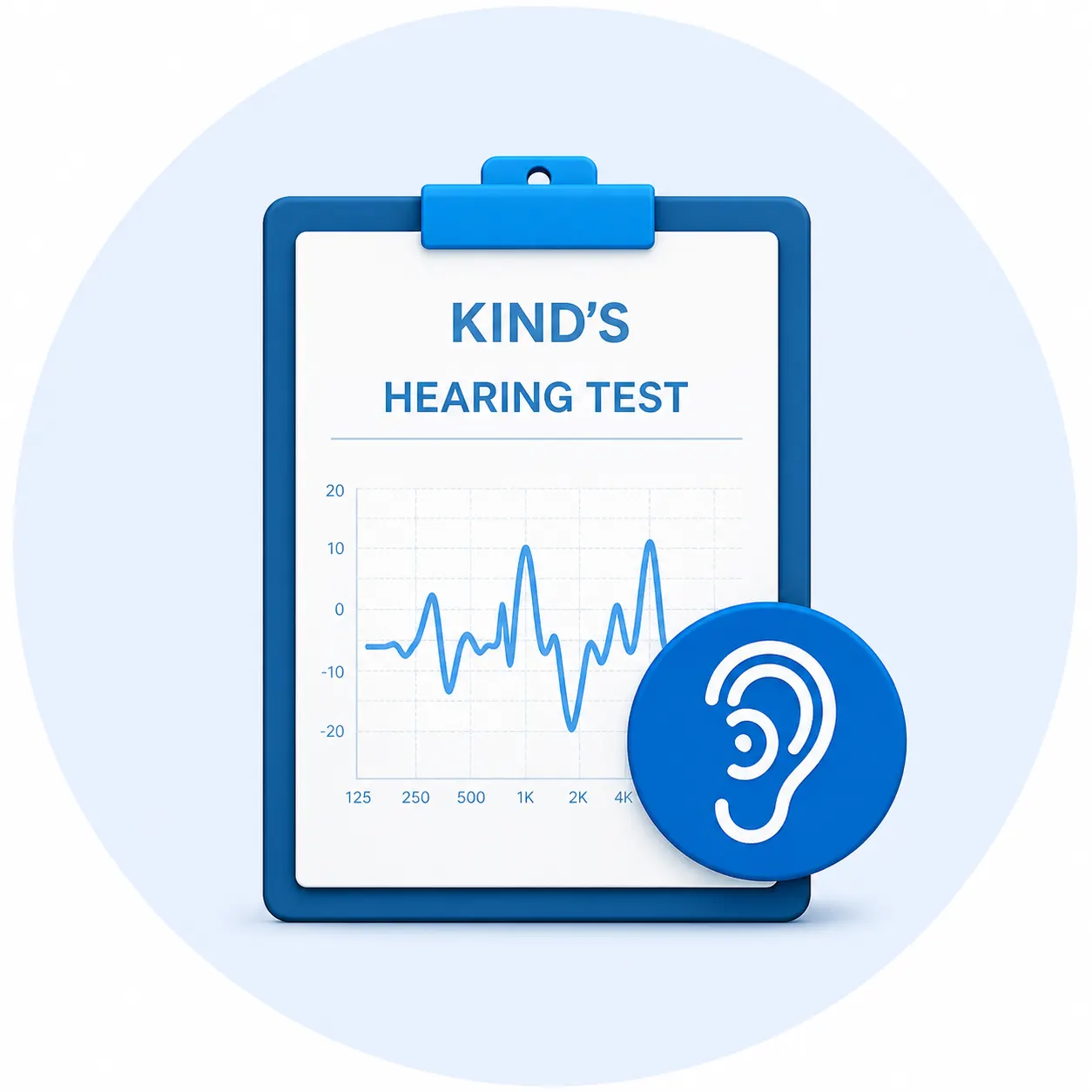
- An audiogram with both air-conduction and bone-conduction testing is the only reliable way to know which category applies to you.
What’s the difference between hearing loss that can be reversed and hearing loss that can’t?
Reversibility depends entirely on where the damage is, not how severe it feels. Damage in the outer or middle ear (blocking sound from reaching the inner ear) is usually fixable. Damage to the inner ear’s hair cells or the auditory nerve (sensorineural loss) generally isn’t, because humans, unlike birds and fish, cannot regrow those cells.
What are the three types of hearing loss, and which type is reversible?
There are three types: conductive, sensorineural, and mixed. Conductive loss is the reversible one; sensorineural loss is almost always permanent; mixed loss (a combination of both) can improve partially if the conductive component is treated, but the sensorineural portion remains.
| Type | Where the problem is | Common causes | Reversible without a hearing aid? | Typical treatment |
|---|---|---|---|---|
| Conductive | Outer or middle ear | Earwax buildup, ear infection, fluid, perforated eardrum, otosclerosis | Usually yes | Earwax removal, antibiotics, ear tubes, tympanoplasty, stapedectomy |
| Sensorineural | Inner ear (hair cells) or auditory nerve | Aging (presbycusis), noise exposure, ototoxic drugs, genetics, some sudden-onset cases | Rarely — only some sudden-onset cases treated within 72 hours | Oral or intratympanic steroids (sudden cases only); otherwise hearing aids or cochlear implants |
| Mixed | Both outer/middle and inner ear | Chronic ear disease plus age-related decline, for example | Partially — the conductive part only | Treat the conductive cause, then manage the remaining sensorineural loss with amplification |
Can hearing loss get better on its own?
Yes, in specific circumstances. Fluid behind the eardrum from a cold or ear infection often clears within one to two weeks as the underlying infection resolves. Sudden sensorineural hearing loss also has a real chance of spontaneous recovery — the Cochrane Database review and clinical audits put the untreated recovery rate between 32% and 65%, though outcomes vary by severity and how early the case is caught. Gradual, decades-long hearing loss does not get better on its own.
What should I do if my hearing suddenly drops?
Treat it as a medical emergency and see an ENT (otolaryngologist) or go to urgent care within 24–72 hours — do not wait to “see if it improves.” Sudden sensorineural hearing loss (SSNHL) is defined clinically as a loss of 30 decibels or more across at least three consecutive frequencies within 72 hours, and the American Academy of Otolaryngology–Head and Neck Surgery treats it as an otologic emergency because the treatment window closes fast. Oral or intratympanic (injected through the eardrum) corticosteroids started within that window give the best chance of recovery; delaying treatment past two to four weeks sharply reduces the odds.
How is hearing loss diagnosed?
An audiologist or ENT confirms the type with an audiogram that measures both air-conduction thresholds (how you hear through your ear canal) and bone-conduction thresholds (how your inner ear responds when sound bypasses the outer/middle ear). A gap between the two lines on the audiogram points to a conductive problem; matching lines point to sensorineural loss. This single test is what determines whether reversal is realistically on the table.
Hearing aids vs cochlear implants vs surgery — which applies to me?
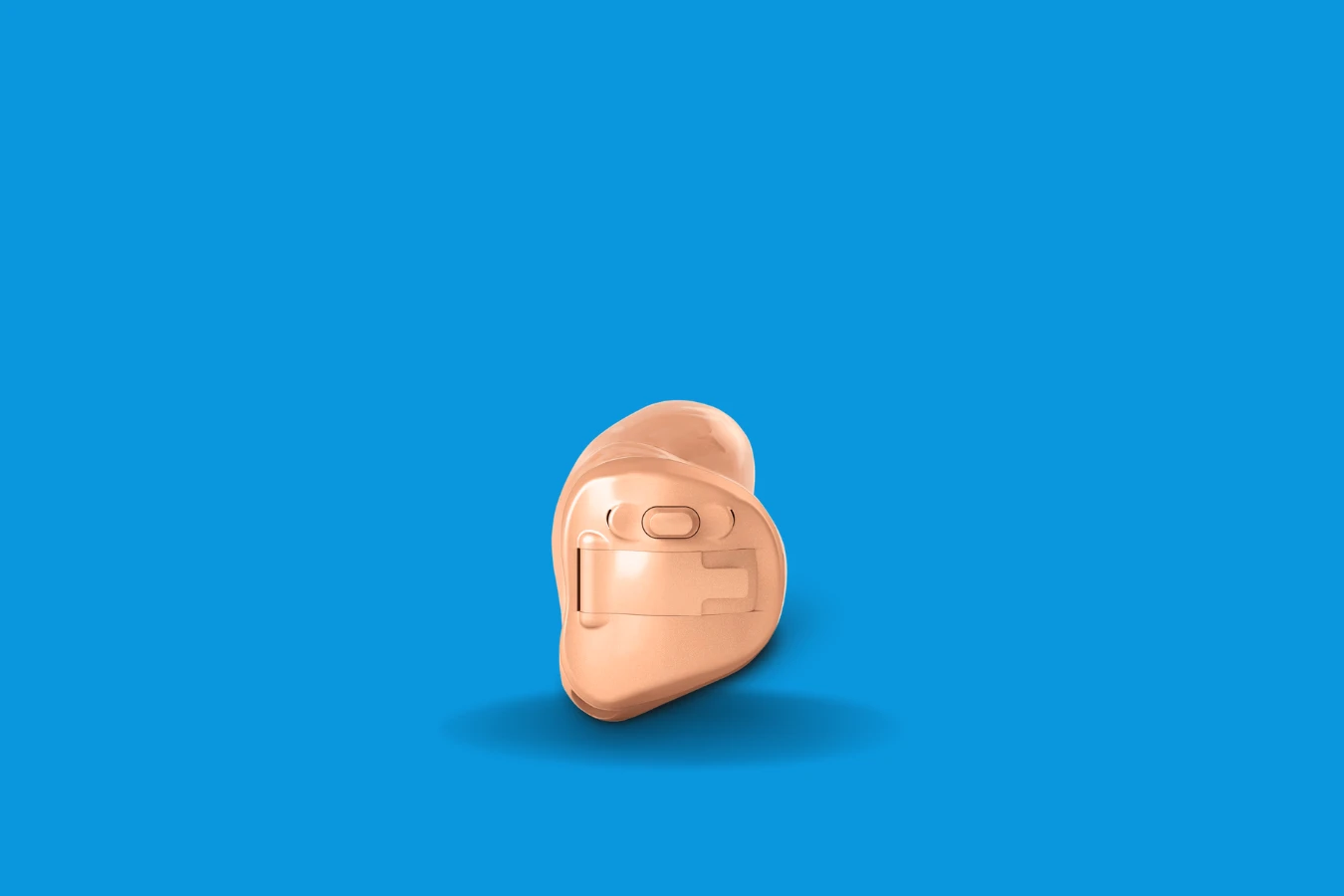
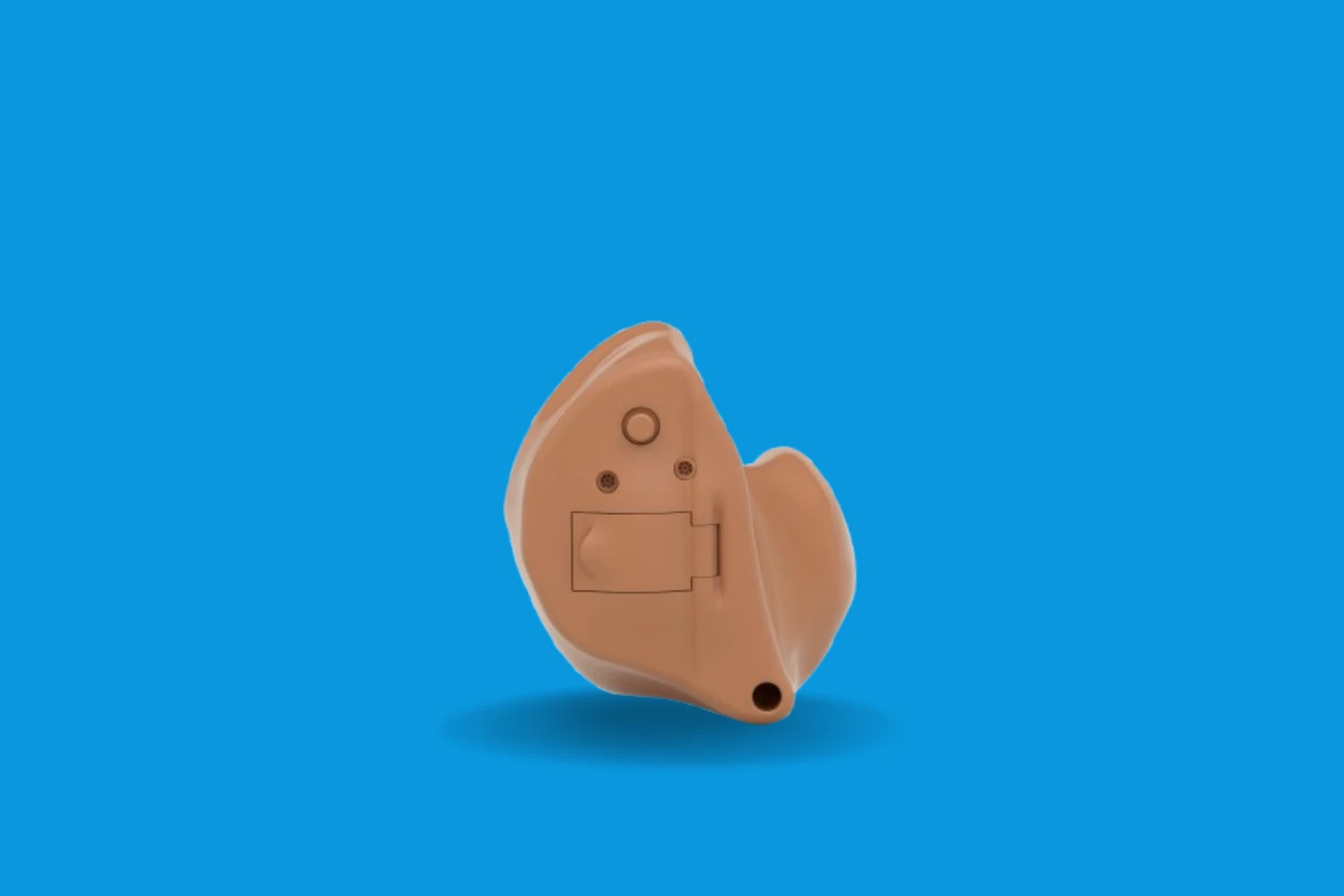
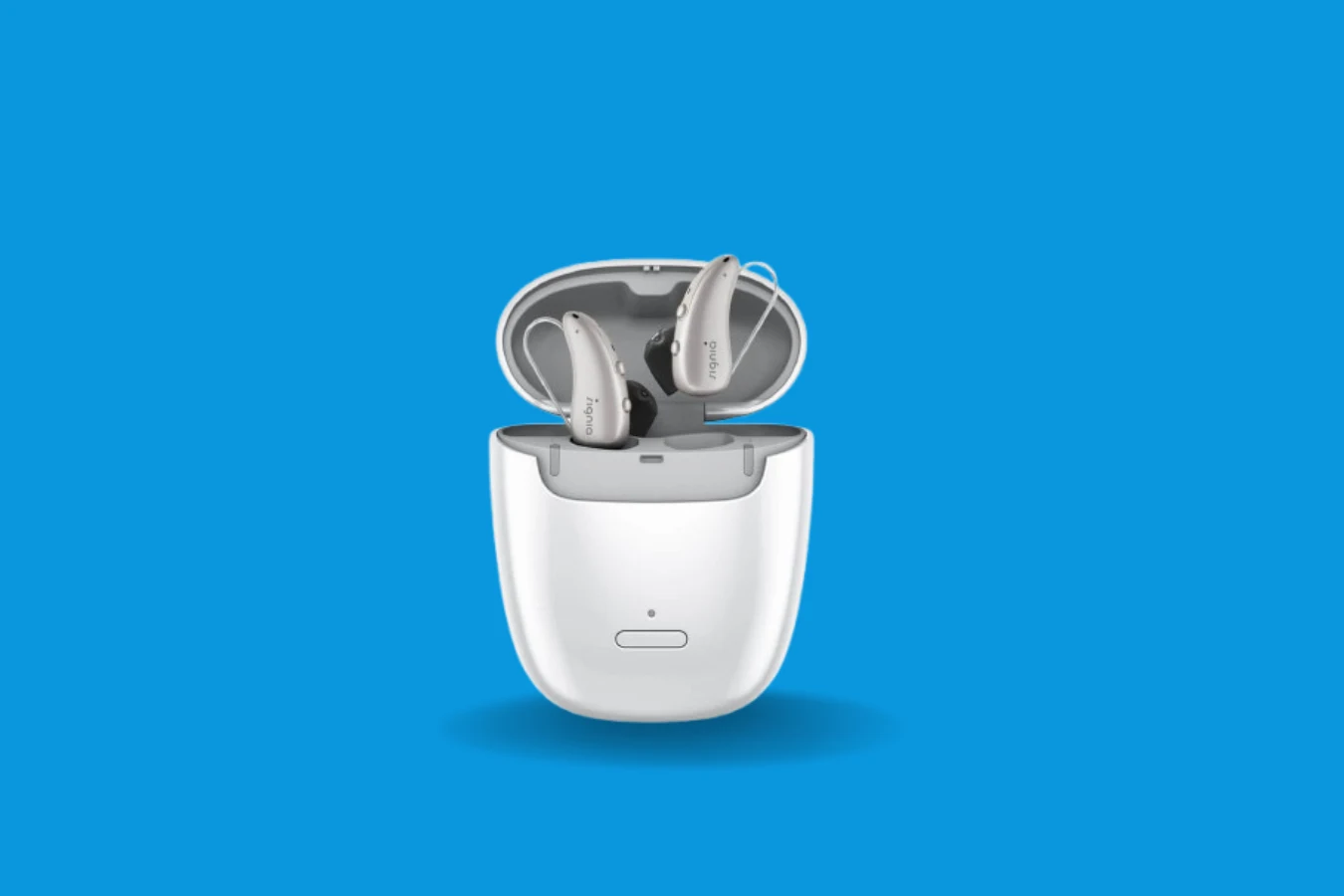
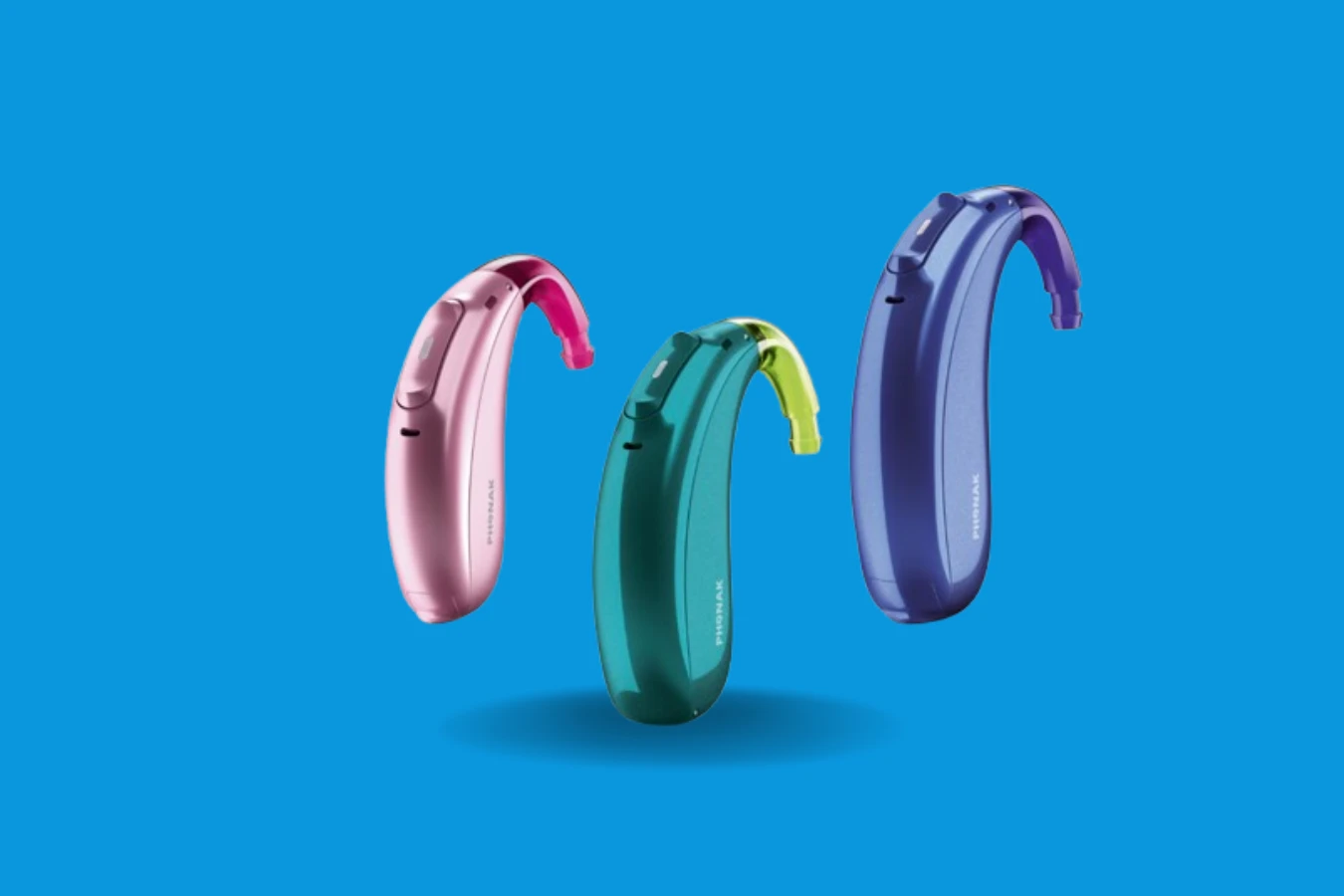
Surgery or medical treatment addresses the underlying, reversible cause (wax, infection, fluid, a damaged eardrum, otosclerosis) and is the right first step for conductive loss. Hearing aids amplify sound and are the standard management tool for permanent sensorineural loss of mild to severe degree. Cochlear implants bypass the damaged inner ear entirely and are recommended for severe-to-profound sensorineural loss when hearing aids no longer provide enough benefit. None of the three “reverses” sensorineural damage — they route around it or amplify what’s left.
Do home remedies, ear drops, or exercises restore hearing?
For earwax-related conductive loss, over-the-counter ceruminolytic drops (e.g., carbamide peroxide) can soften wax enough to resolve mild blockage, and this is genuinely supported by clinical guidance. For sensorineural loss — including age-related and noise-induced loss — no ear drop, “hearing exercise,” essential oil, or acupuncture protocol has clinical trial evidence of restoring hearing. Be skeptical of any product claiming to reverse sensorineural or age-related hearing loss without a device; that claim isn’t supported by current evidence.
Do supplements or hearing-loss “reversal” pills actually work?
No supplement — including gingko biloba, magnesium, zinc, or proprietary “hearing formulas” sold online — has been shown in controlled trials to reverse established sensorineural hearing loss. Some observational research links certain nutrient deficiencies to higher hearing-loss risk, but correlation in a deficiency study is not the same as a treatment effect, and no supplement is approved as a hearing-loss therapy by the FDA or EMA. Treat any product claiming otherwise as unproven.
How much does treatment cost?
Costs vary widely by cause and country, but the pattern holds everywhere: reversible causes cost far less than long-term hearing-loss management. Earwax removal by a clinician typically runs a modest, one-time consultation fee. A course of oral steroids for sudden sensorineural hearing loss is a low-cost prescription, though intratympanic injections and ENT visits add specialist fees. By contrast, hearing aids (needed once loss is confirmed permanent) range from budget over-the-counter devices to several thousand dollars per pair for prescription models, and cochlear implants involve major surgery costs, typically covered in part by insurance or national health systems in many countries.
Is there a cure for hearing loss in development?
Not yet approved, but several are in human or animal trials. Gene therapy for genetic deafness has shown partial hearing restoration in mouse models — for example, reactivating the Spns2 gene reversed hearing loss in mutant mice (PNAS, 2023) — but translating this to adult humans with age-related or noise-induced loss remains unproven. On the drug side, FX-322, a small-molecule therapy designed to regenerate cochlear hair cells, showed encouraging early-phase results but failed to beat placebo in its Phase 2b trial (2023), and Frequency Therapeutics discontinued the program in 2024. Other companies (e.g., Acousia Therapeutics, working on cisplatin-induced hearing loss) have ongoing early-stage trials. As of 2026, no gene or drug therapy is approved for treating established sensorineural or age-related hearing loss in humans.
Why do some people regain hearing after an ear infection but others don’t?
Recovery depends on how much structural damage occurred before treatment. If the infection or fluid buildup only affected the middle ear temporarily, hearing typically returns once it clears. If repeated or severe infections damaged the eardrum, ossicles, or spread to the inner ear, the resulting loss can become permanent even after the infection resolves — which is why chronic ear infections in children are treated aggressively and monitored with follow-up hearing tests.
FAQ
Can earwax buildup cause permanent hearing loss?
No. Earwax blockage is a conductive cause and virtually always resolves fully once the wax is removed by a clinician or with appropriate softening drops. Hearing typically returns to baseline within days.
Is age-related hearing loss ever reversible?
No. Age-related hearing loss (presbycusis) results from cumulative damage to inner-ear hair cells and the auditory nerve, which the human body cannot regenerate. Hearing aids or cochlear implants are the only current management options.
How urgent is sudden hearing loss in one ear?
Very urgent. Sudden sensorineural hearing loss should be evaluated by an ENT within 24–72 hours, since steroid treatment is most effective when started within that window and becomes markedly less effective after two to four weeks.
Can tinnitus-related hearing loss be reversed?
Tinnitus itself doesn’t cause hearing loss, but the two often share the same underlying cause (noise exposure, age, sudden sensorineural events). If the underlying cause is conductive, both can improve together; if it’s permanent sensorineural damage, tinnitus is typically managed rather than cured.
Are there any FDA-approved drugs that regenerate hearing?
No. As of 2026, no drug or gene therapy is FDA-approved to regenerate cochlear hair cells or reverse sensorineural hearing loss in humans. The furthest-advanced candidate, FX-322, failed its pivotal trial in 2023.
Will a hearing test tell me if my hearing loss is reversible?
Yes. An audiogram measuring both air-conduction and bone-conduction thresholds is the standard test that distinguishes conductive from sensorineural loss, and it’s the basis for any treatment decision.
Can noise-induced hearing loss heal if I rest my ears?
Temporary threshold shift — the dulled hearing after a loud concert — often recovers within 24–48 hours of quiet rest. But repeated exposure causes cumulative, permanent noise-induced hearing loss that does not recover with rest.
Should I try over-the-counter hearing loss supplements before seeing a doctor?
No. Delaying a proper diagnosis to try an unproven supplement can cost you the narrow treatment window for reversible causes, especially sudden sensorineural hearing loss. See a clinician first; discuss supplements only as an adjunct, not a substitute.


Causes & Treatment for Hidden Hearing.
The onset of hearing loss often gives clear signs to a person. Speech tends to be unclear and low. A.
Read More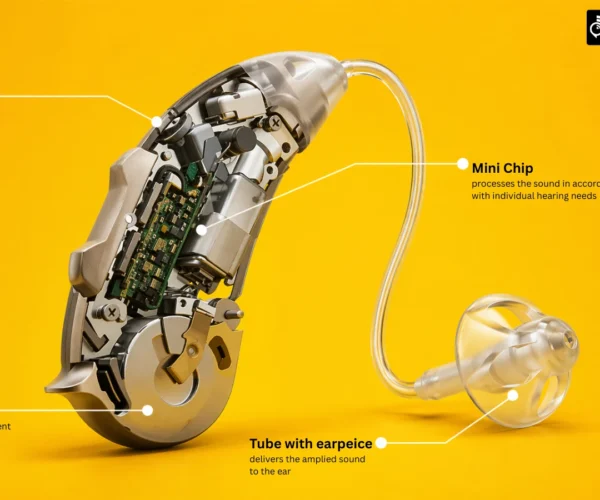
The Different Hearing Aid Parts That.
Hearing aid devices have changed many people’s lives. The little engineering marvel makes people hear sounds previously distorted to them..
Read More