
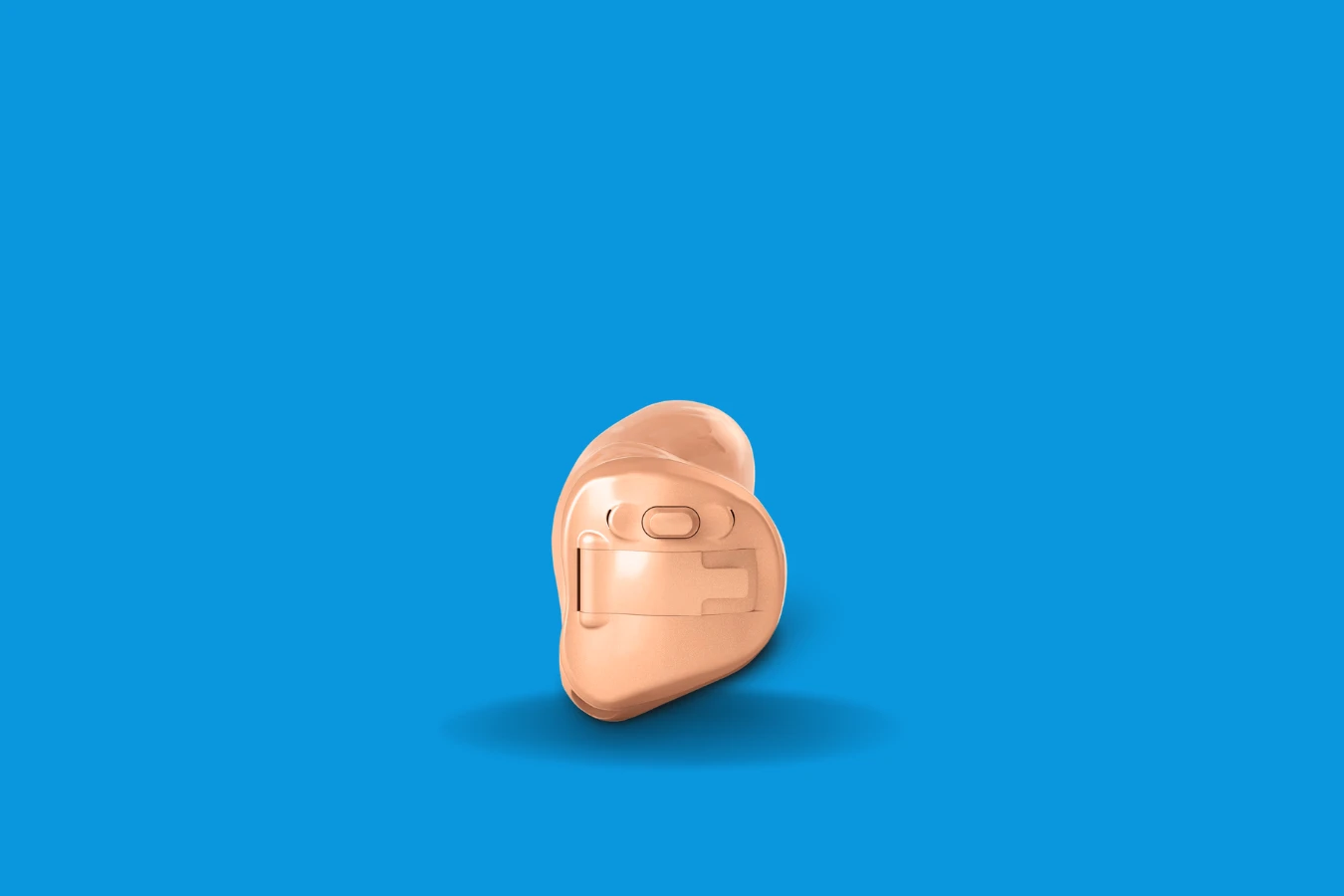
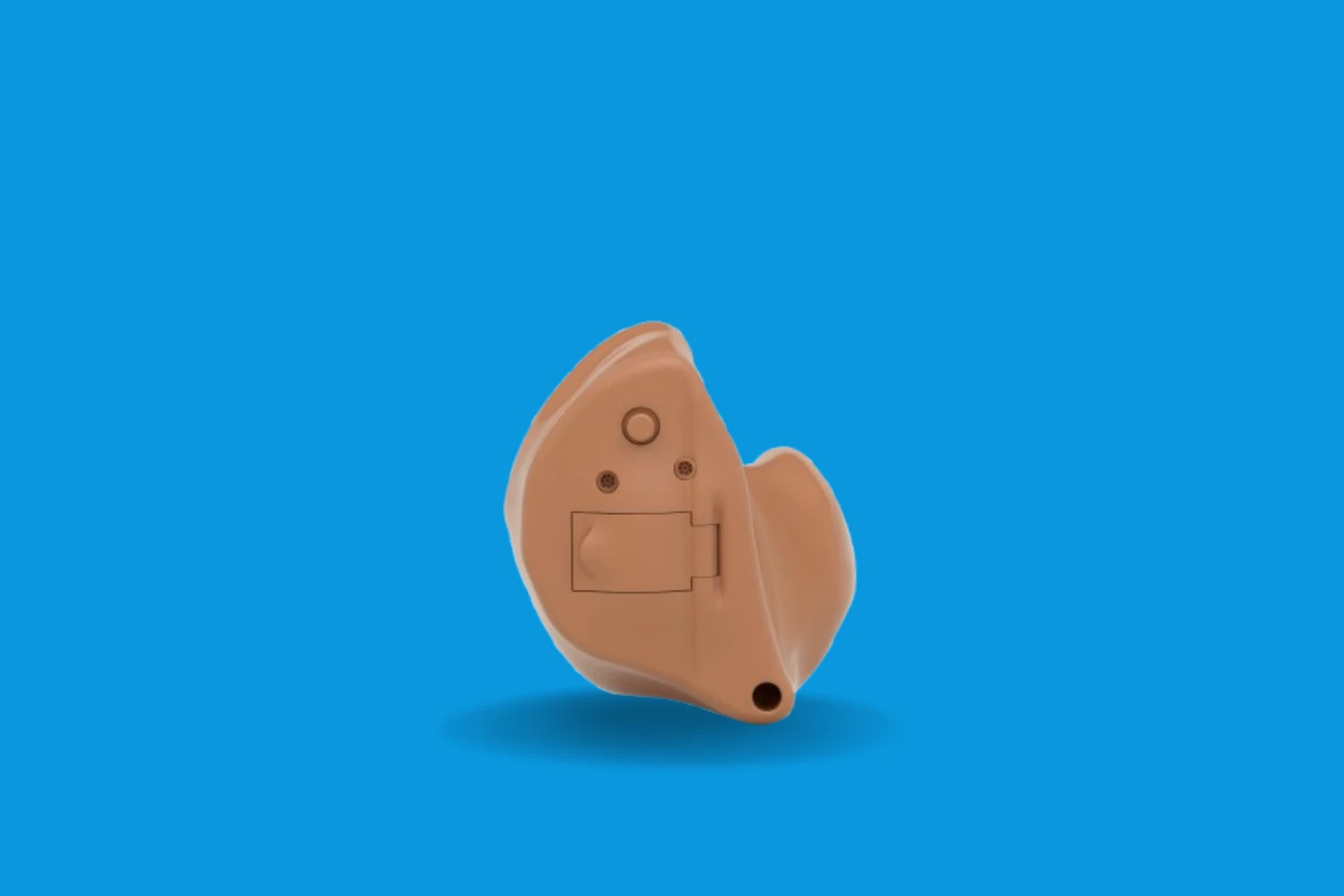
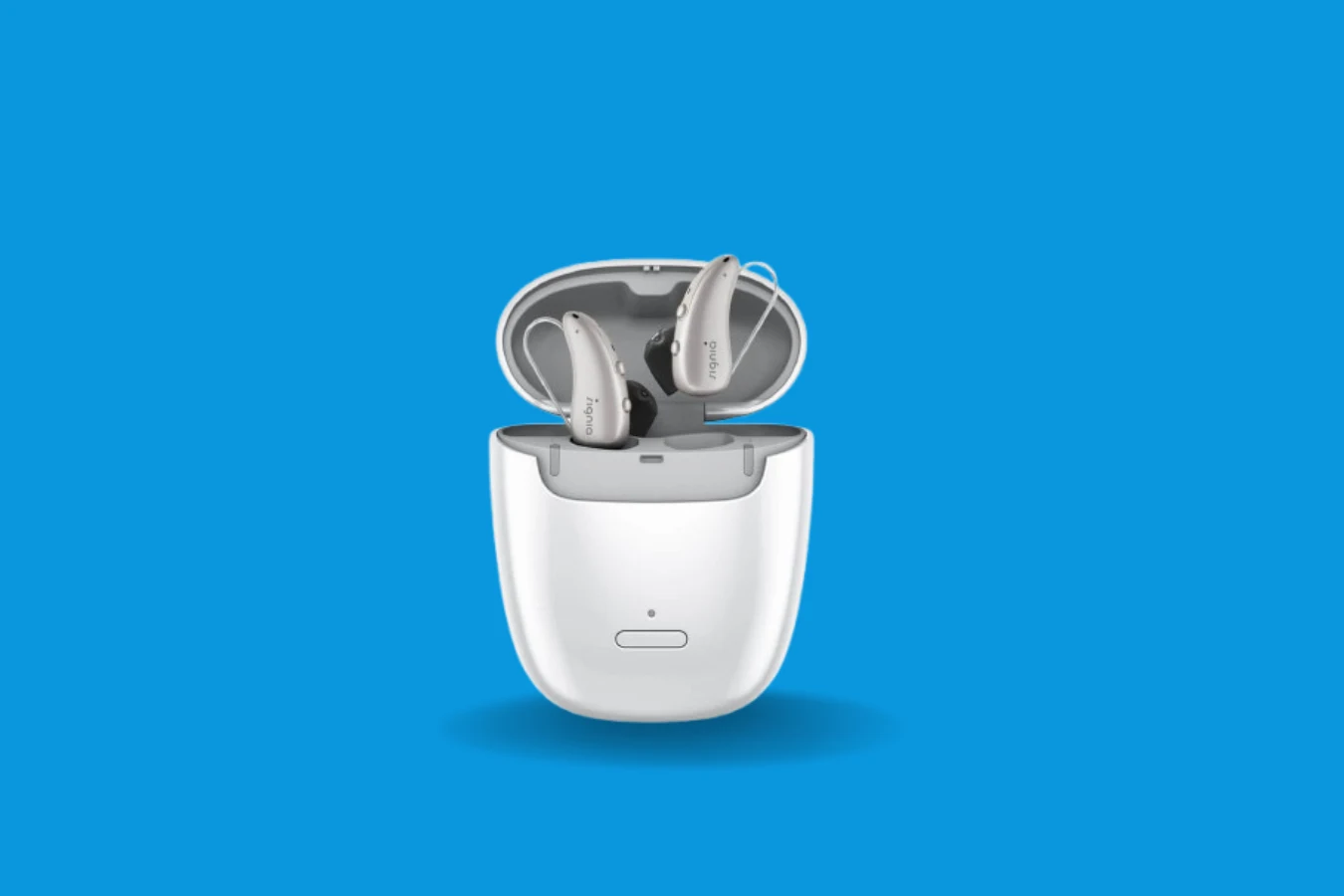
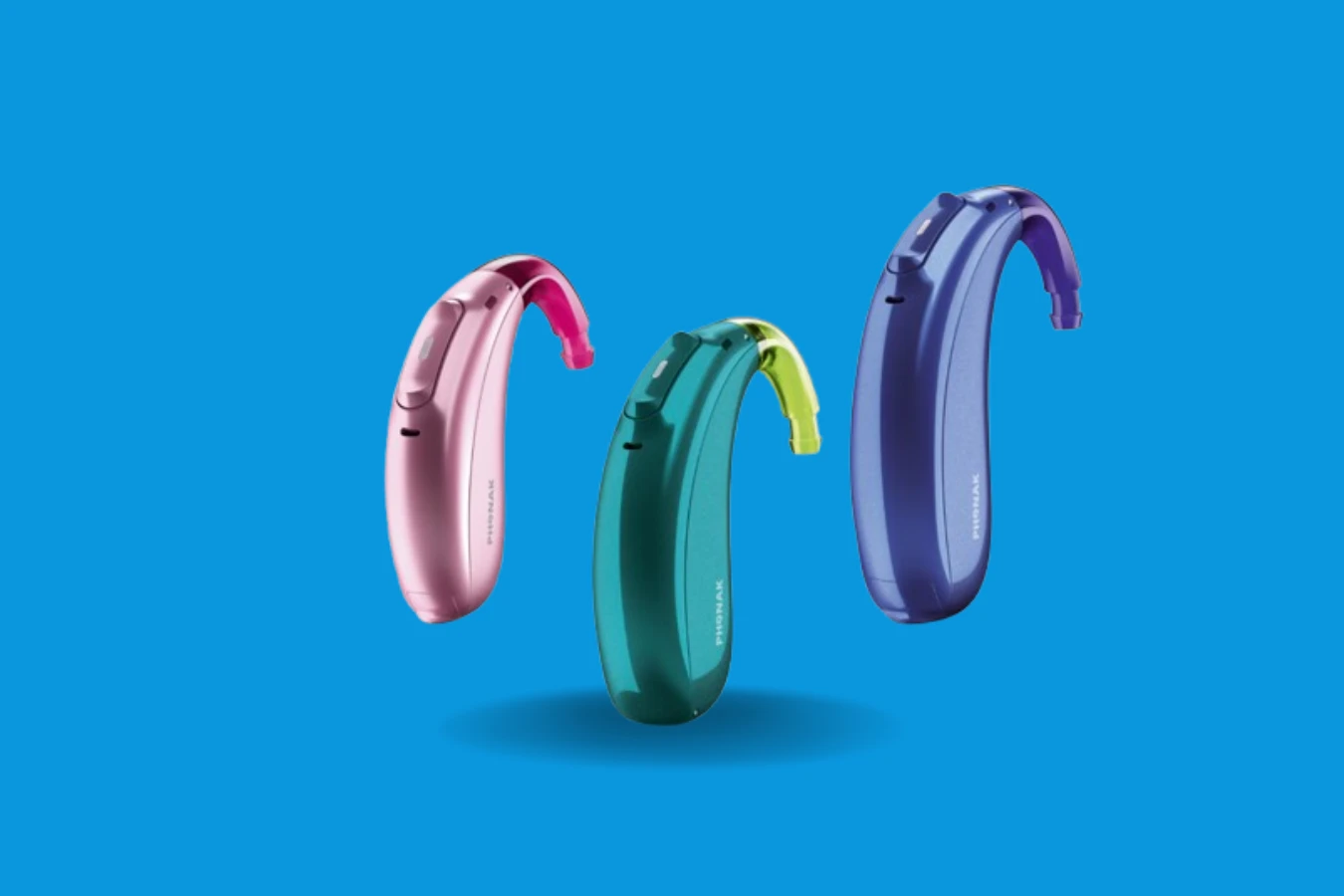

















When Should You Replace Your Hearing Aid? 7 Clear Signs You Should Never Ignore
Introduction
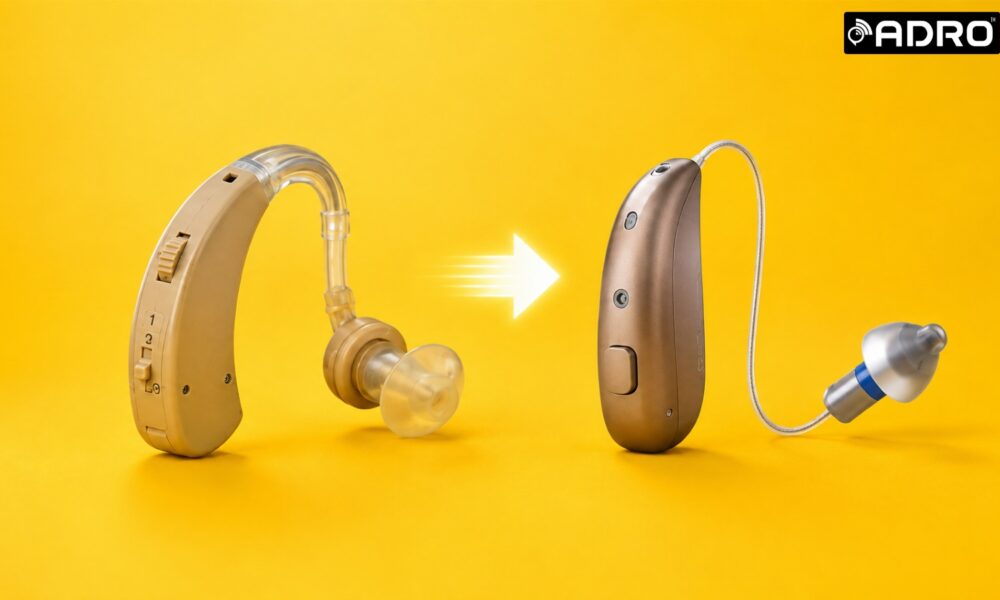
A hearing aid does more than amplify sound. It helps you participate in conversations, perform confidently at work, enjoy social occasions and stay connected with the people who matter most. However, even a well-maintained hearing aid will not last forever.
According to the National Institute on Deafness and Other Communication Disorders, hearing aids generally have an average lifespan of approximately four to six years. Their actual lifespan depends on maintenance, usage, device quality, moisture exposure and changes in the user’s hearing needs. (NIDCD)
So, when should you replace your hearing aid? Age alone should not determine the decision. Instead, examine its sound quality, reliability, repair expenses, comfort and ability to support your current lifestyle.
Here are seven powerful signs that it may be time to upgrade.
1. Your Hearing Aid Is More Than Five Years Old
Many hearing aids perform effectively for four to six years, while some may last longer with excellent care. Nevertheless, internal microphones, receivers, processors and rechargeable batteries gradually deteriorate.
An older device may still switch on but fail to deliver the speech clarity you once experienced. In addition, manufacturers may discontinue replacement parts or technical support for older models.
If your hearing aid is approaching its fifth year, schedule a professional performance assessment. You may not need an immediate replacement, but this evaluation will help you prepare before the device fails unexpectedly.
2. Conversations Are Becoming Difficult Again
Are you asking people to repeat themselves more frequently? Have you started increasing the television volume? Do conversations in restaurants, meetings or family gatherings sound unclear?
These problems do not always mean your hearing aid is defective. Earwax, a blocked wax guard, an incorrect dome or outdated programming can reduce performance. However, your hearing ability may also have changed.
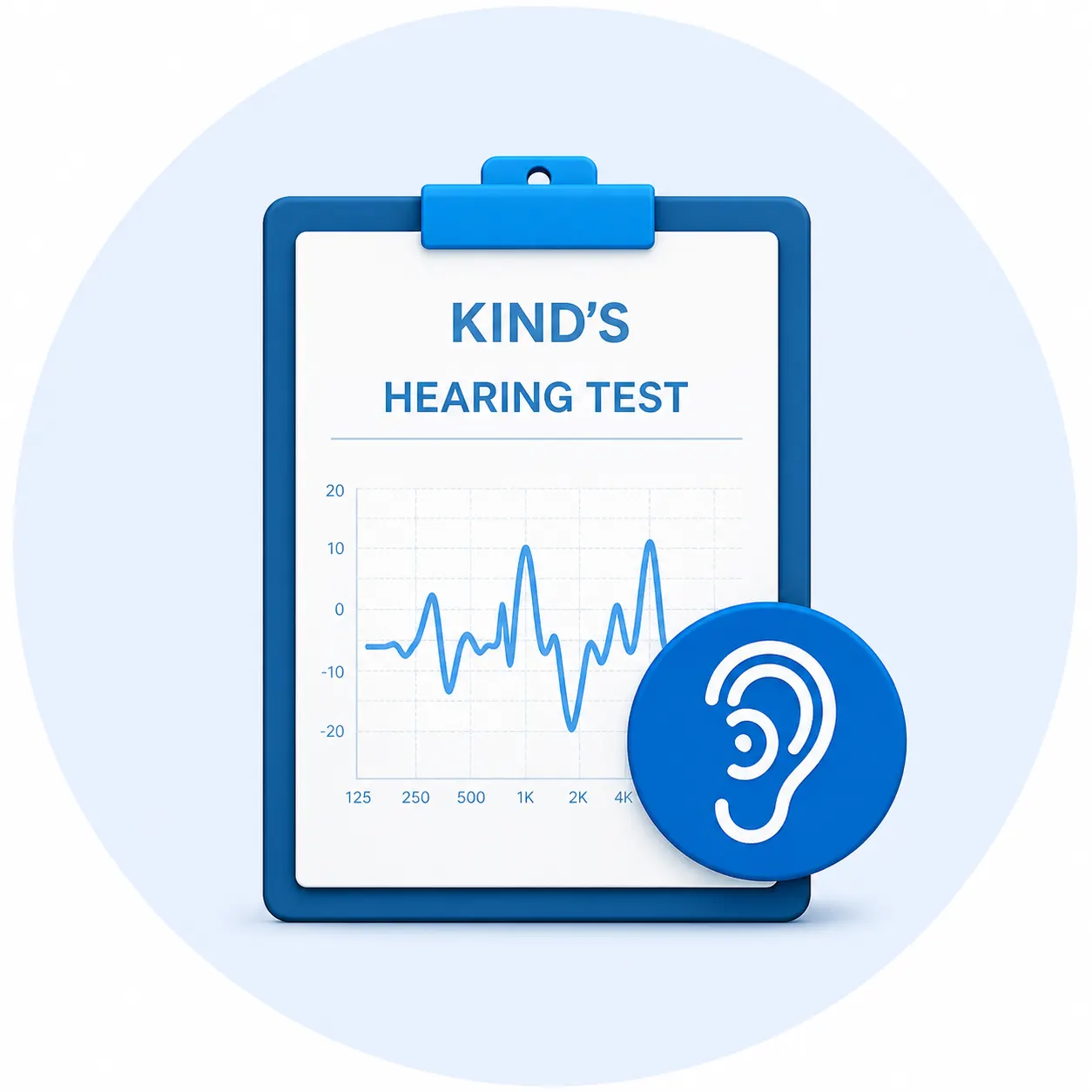
Hearing aids have practical amplification limits, and their settings must match the user’s current hearing profile. (NIDCD) Therefore, arrange a hearing assessment before purchasing a replacement. An audiologist can determine whether cleaning, reprogramming, repairing or replacing the device offers the best solution.
3. Your Hearing Aid Requires Frequent Repairs
One repair does not necessarily justify buying a new hearing aid. However, repeated microphone failures, receiver problems, charging issues, distorted sound or moisture damage can quickly become expensive and inconvenient.
Consider the following questions:
- How frequently does the device stop working?
- How much have you spent on repairs during the past year?
- Are replacement components still available?
- Does the repair include a meaningful warranty?
- Could the device develop another problem soon?
When repair expenses begin approaching the value of a newer and more reliable device, replacement may be the smarter long-term investment. A new hearing aid also usually includes a fresh warranty, updated software and improved technical support.
4. Sound Is Weak, Distorted or Inconsistent
Crackling, muffled sound, excessive whistling, intermittent performance and unexpected volume changes can indicate a maintenance issue or hardware failure.
Before replacing the device, try these basic checks:
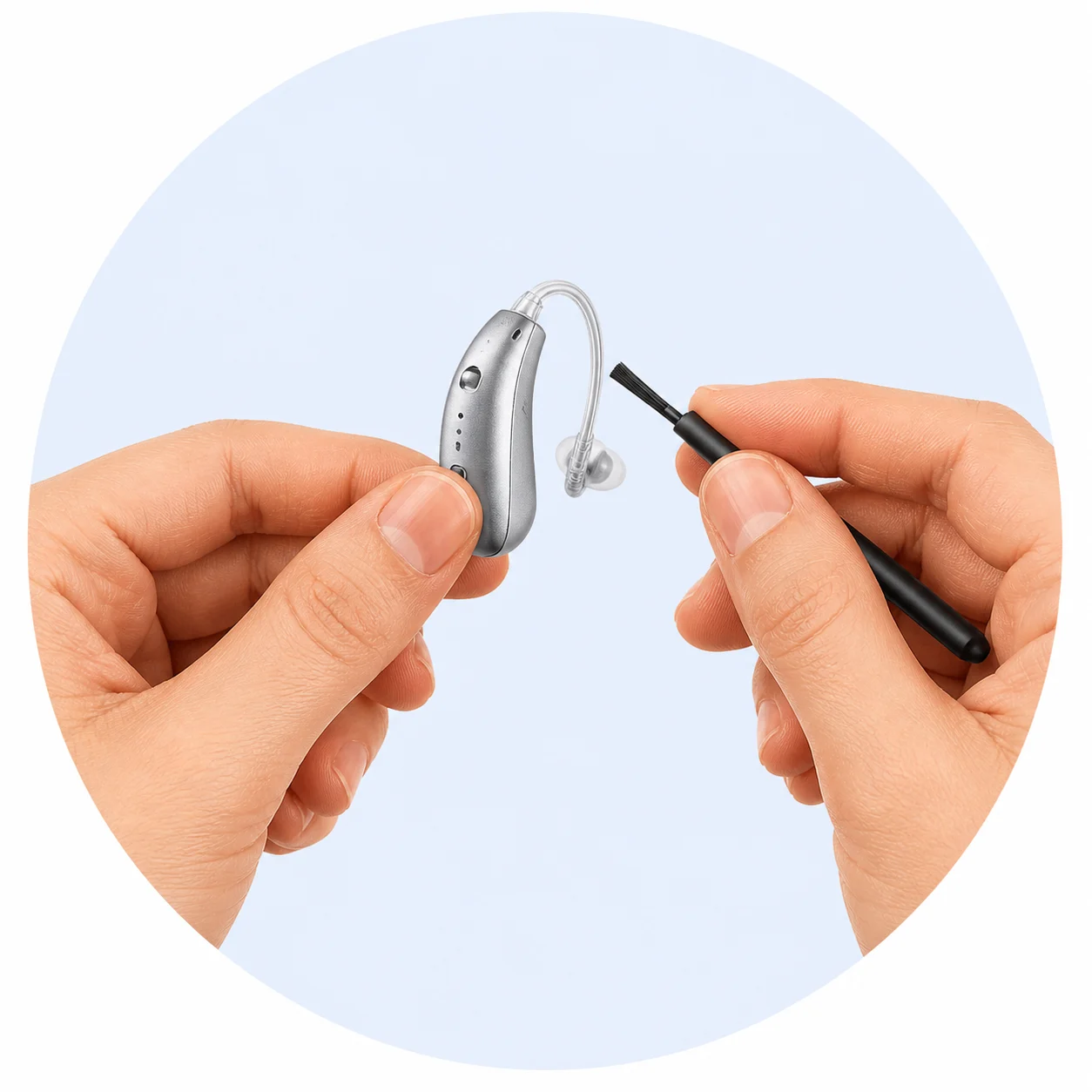
- Clean the microphone openings carefully.
- Replace the wax guard, dome or disposable battery.
- Confirm that the device is fully charged.
- Inspect the tubing for cracks or moisture.
- Check whether the hearing aid fits securely.
Never insert sharp objects or use water, household chemicals or alcohol unless the manufacturer specifically recommends them. If the problem continues, ask a hearing care professional to inspect the device.
Persistent distortion after cleaning, adjustment and repair is a strong sign that the hearing aid is no longer dependable.
5. The Battery No Longer Lasts Through Your Day
Rechargeable hearing aids become less efficient as their batteries age. A device that previously operated all day may begin losing power by the afternoon, even after a complete overnight charge.
First, check the charger, cable, contacts and power source. Your provider may be able to replace only the rechargeable battery. However, replacement may be more economical if the battery is built into an ageing device that already has other performance problems.
Reliable battery life is particularly important for people who attend meetings, travel frequently or depend on their hearing aids throughout the working day. Constantly worrying about power can reduce confidence and limit participation.
6. Your Hearing or Lifestyle Has Changed
A hearing aid selected several years ago may no longer match your present needs. Your hearing may have changed, or your daily life may now include more meetings, telephone calls, travel, exercise or social events.
Modern hearing aids may offer:
- Improved speech understanding in noisy environments
- Rechargeable batteries
- Smartphone, television and computer connectivity
- Directional microphones
- Automatic environment adjustments
- Remote programming
- Tinnitus-support features
- More comfortable and discreet designs
However, newer technology does not automatically mean you must replace a device that still works well. Upgrade when the benefits solve a real communication, comfort or usability problem—not simply because a newer model exists.
7. The Hearing Aid Is Uncomfortable or Difficult to Use
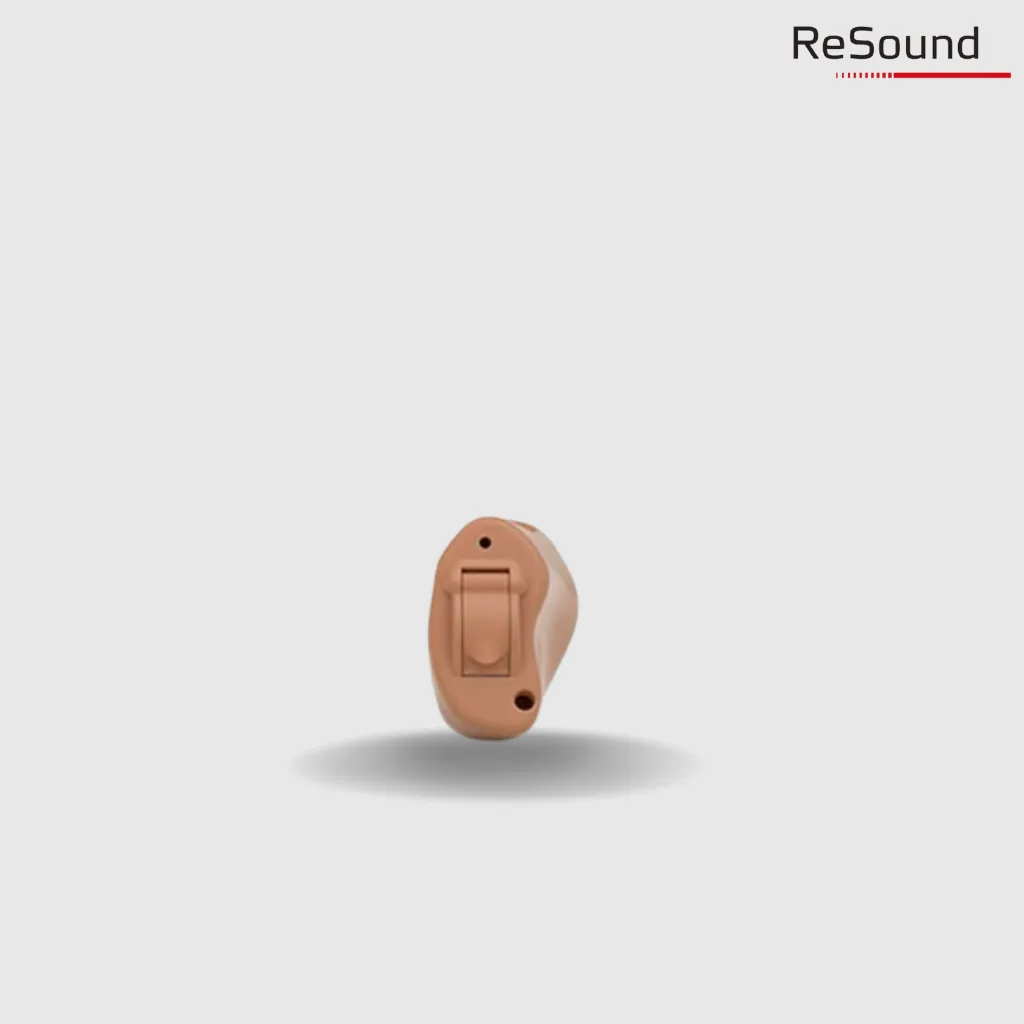
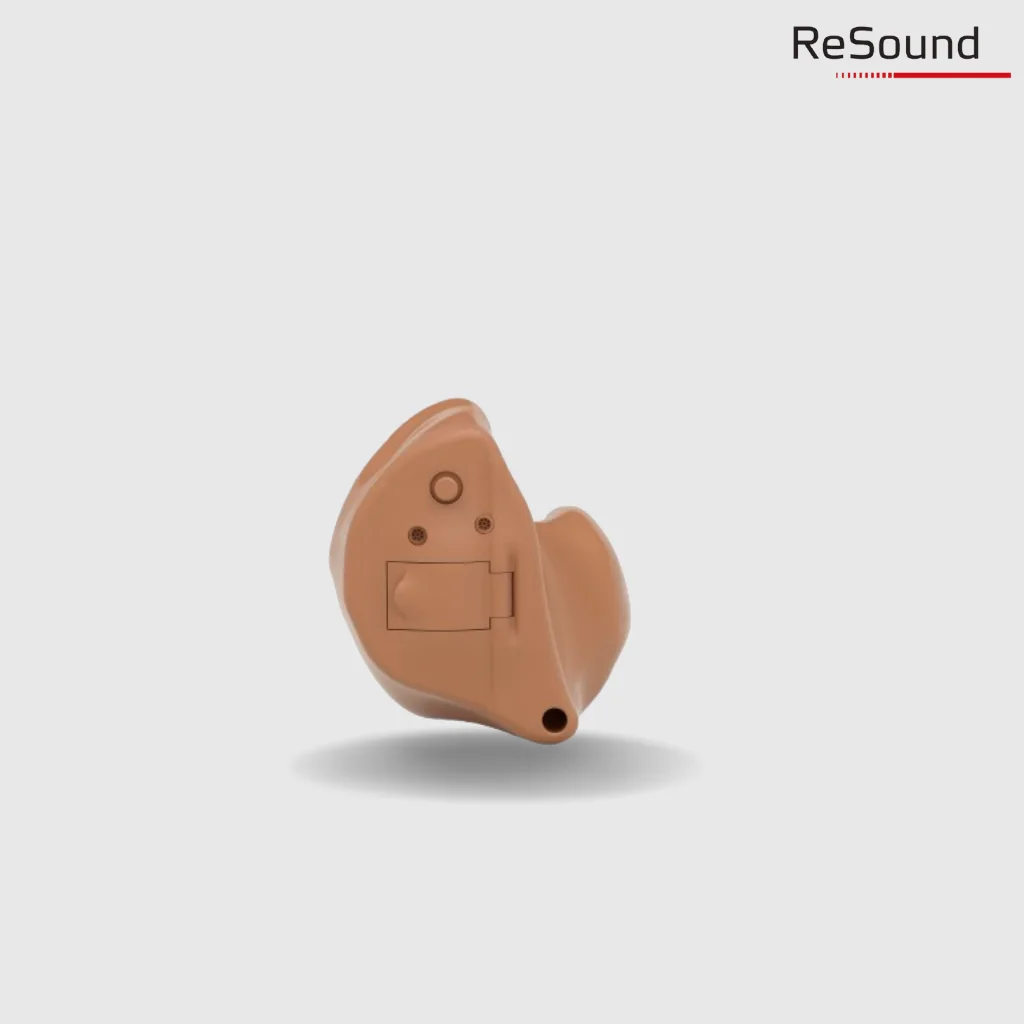
Physical comfort is essential because an uncomfortable hearing aid is unlikely to be worn consistently. Changes in the ear, earmould, tubing or device shell can cause pressure, looseness, feedback or irritation.
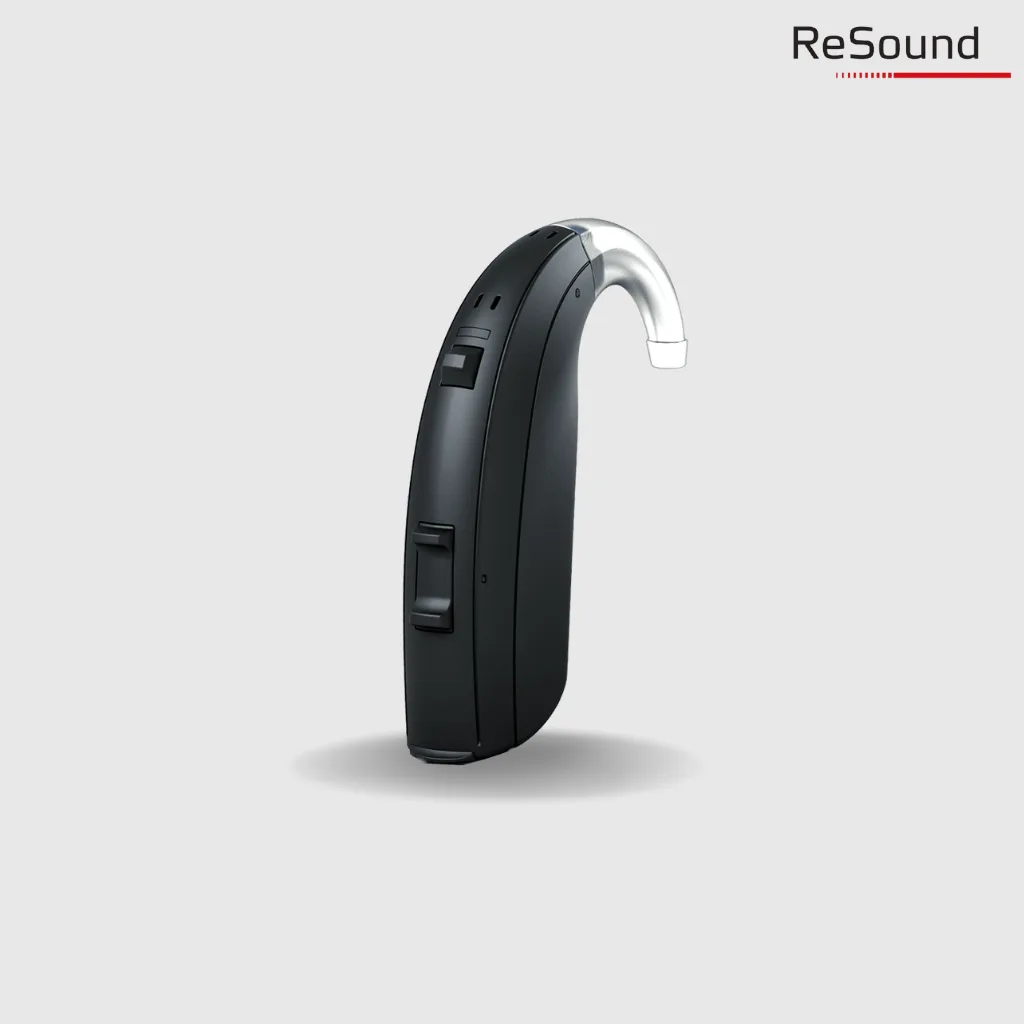
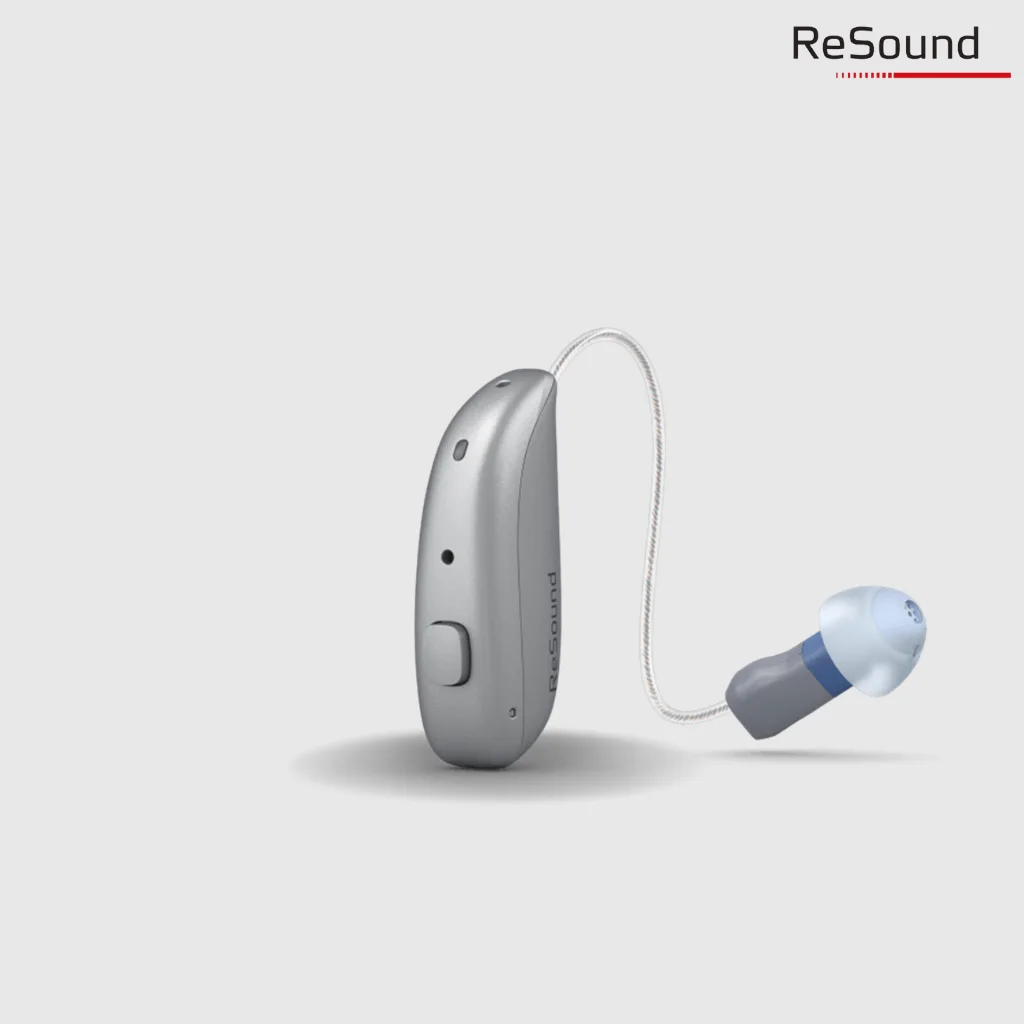
Ageing can also affect vision and finger dexterity. Small disposable batteries and tiny controls may become difficult to manage. In such cases, a rechargeable model, larger controls or a different hearing aid style may provide a better experience.
Do not ignore persistent ear pain, irritation or discharge. Stop using the device and consult a qualified medical or hearing care professional.
Should You Repair, Reprogramme or Replace Your Hearing Aid?
The right choice depends on the cause of the problem.
Choose maintenance when earwax, moisture, a blocked component or damaged tubing is responsible. Choose reprogramming when the hearing aid remains technically sound but no longer matches your hearing test results. Consider repair when the device is relatively new, replacement parts are available and the repair cost is reasonable.
Replacement becomes more practical when the device is old, unreliable, unsupported, repeatedly damaged or unable to provide sufficient clarity after professional adjustment.
Before making a decision, request:
- An updated hearing test
- A physical inspection of the ear
- A hearing aid performance test
- A written repair estimate
- A comparison of suitable replacement options
- Information about warranties and trial periods
Frequently Asked Questions
How often should hearing aids be replaced?
Many hearing aids last approximately four to six years. However, maintenance, device style, daily usage, earwax, humidity and battery condition can shorten or extend this period.
Can a hearing aid last longer than six years?
Yes. A carefully maintained hearing aid may continue working beyond six years. Nevertheless, it should still provide clear sound, adequate amplification, reliable battery performance and access to repairs.
Should I replace both hearing aids at the same time?
If you wear two hearing aids, replacing both together may provide balanced sound processing and compatible wireless features. However, an audiologist should assess each ear and device before recommending replacement.
Can reprogramming fix an old hearing aid?
Reprogramming can help when your hearing has changed slightly and the existing device still has sufficient power and programming flexibility. It cannot correct failing internal components or overcome the technical limits of an outdated model.
What if my hearing suddenly becomes worse?
Sudden hearing loss should not be treated as a routine hearing-aid problem. The NIDCD identifies sudden sensorineural hearing loss as a medical emergency and recommends seeking immediate medical attention. (NIDCD)
Conclusion
You should replace your hearing aid when it no longer provides dependable clarity, comfort and confidence—even after professional cleaning, testing and reprogramming. Frequent repairs, short battery life, distorted sound, changing hearing needs and outdated support are important warning signs.
Do not wait until your hearing aid completely fails. Arrange regular hearing reviews, maintain the device properly and compare repair costs with the benefits of newer technology. Most importantly, make the decision with a qualified hearing care professional who understands your hearing, lifestyle and budget.
The best hearing aid is not necessarily the newest or most expensive model. It is the one that consistently helps you communicate, work and enjoy everyday life.

Hearing Aid Saves Your Cognitive Overload.
Dementia is the damage of brain cells that affects the behaviour, memory, thinking, and feeling. Worldwide there are almost 10.
Read More
What Is High-Frequency Hearing Loss?
Hearing loss can take on many forms. For some, the loss might be in one ear while others might experience.
Read More