



















9 Common Causes of Hearing Loss in Adults: Warning Signs You Should Never Ignore
Introduction
Have you started increasing the television volume, asking people to repeat themselves, or struggling to follow conversations in busy places? These changes may seem minor, but they can indicate hearing loss.
Hearing loss often develops gradually, making it difficult to recognize during its early stages. According to the World Health Organization, more than 1.5 billion people worldwide experience some degree of hearing loss, including approximately 430 million people who require rehabilitation services. This number may rise significantly by 2050. World Health Organization
Understanding the common causes of hearing loss in adults can help people identify risks, seek timely support, and protect their remaining hearing. While some causes are permanent, others may be treatable when diagnosed early.
What Is Hearing Loss?
Hearing loss occurs when a person cannot hear sounds as clearly as someone with normal hearing. It may affect one or both ears and range from mild difficulty to profound hearing impairment.
There are three primary types of hearing loss:
- Conductive hearing loss: Sound cannot travel efficiently through the outer or middle ear.
- Sensorineural hearing loss: The inner ear or auditory nerve becomes damaged.
- Mixed hearing loss: A combination of conductive and sensorineural hearing loss.
A professional hearing evaluation can determine the type, severity, and possible cause of the condition.
1. Age-Related Hearing Loss
Age-related hearing loss, also known as presbycusis, is one of the most common causes of hearing loss in adults. It usually develops gradually and affects both ears.
As people grow older, changes can occur in the inner ear, middle ear, auditory nerve pathways, and the brain’s ability to process sound. Genetics, long-term noise exposure, and certain health conditions may also influence how quickly hearing declines.
The National Institute on Deafness and Other Communication Disorders states that age is the strongest predictor of hearing loss among adults aged 20 to 69, with the highest prevalence found among people aged 60 to 69. NIDCD
Common warning signs include difficulty understanding speech, trouble hearing high-pitched voices, and challenges following conversations in noisy environments.
2. Prolonged Exposure to Loud Noise
Repeated exposure to loud noise can permanently damage the sensory hair cells inside the inner ear. This condition is called noise-induced hearing loss.
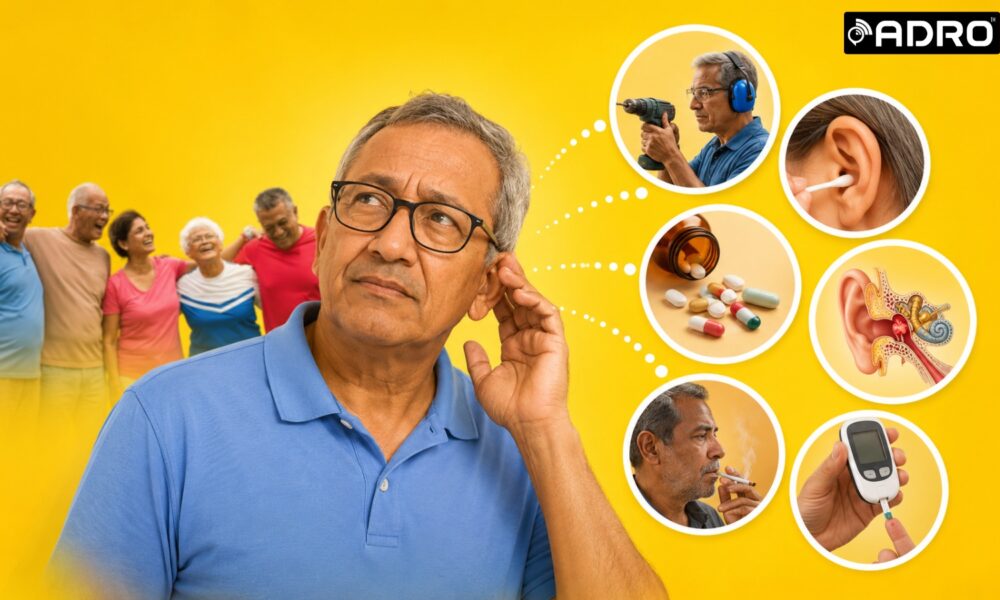
People working in construction, manufacturing, aviation, transportation, entertainment, or other noisy environments may face a higher risk. However, recreational activities such as attending concerts, listening to loud music through earphones, using power tools, or riding motorcycles can also damage hearing.
Sounds at or below 70 dBA are generally considered safe, while prolonged or repeated exposure to sounds at or above 85 dBA can contribute to hearing loss. NIDCD Hearing Protectors
Because noise-induced hearing loss is often permanent yet preventable, adults should use hearing protection and limit the duration and volume of unsafe sound exposure.
3. Sudden Exposure to Extremely Loud Sounds
A single explosion, firecracker, gunshot, or other intense sound close to the ear can cause immediate hearing damage. This acoustic trauma may affect one or both ears and may also lead to tinnitus, pain, or a blocked sensation.
Although the impact may appear temporary, sudden changes should never be ignored. An immediate hearing assessment can help identify whether the inner ear or eardrum has been damaged.
4. Earwax Blockage
Earwax protects and cleans the ear canal. However, excessive or impacted earwax can block sound from reaching the eardrum, causing temporary conductive hearing loss.
Other symptoms may include:
- Earache or pressure
- A blocked sensation
- Tinnitus
- Dizziness
- Reduced hearing in one ear
Fortunately, hearing loss caused by earwax is often reversible after safe professional removal. Avoid inserting cotton buds, pins, or other objects into the ear, as these can push wax deeper or injure the ear canal.
5. Ear Infections and Fluid Build-Up
Infections affecting the outer or middle ear may cause swelling, fluid accumulation, pain, and reduced hearing. When infections become persistent or remain untreated, they may damage the eardrum or delicate structures of the middle ear.
Some ear infections respond to medical treatment. Therefore, adults experiencing hearing difficulty with ear pain, discharge, fever, or pressure should consult a qualified healthcare professional promptly.
Chronic middle-ear infections are recognized as a significant cause of hearing loss worldwide. World Health Organization
6. Ototoxic Medications
Certain medicines can damage the inner ear and affect hearing or balance. These are known as ototoxic medications.
They may include particular chemotherapy medicines, antibiotics, antimalarial drugs, and other treatments. However, the risk depends on the medication, dosage, treatment duration, and individual health factors.
Patients should never stop prescribed medicine without medical advice. Instead, they should inform their doctor if they experience tinnitus, dizziness, balance problems, or changes in hearing. Hearing monitoring may be recommended before, during, or after specific treatments.
7. Diabetes, High Blood Pressure and Other Health Conditions
Hearing health can be connected to overall health. Diabetes and high blood pressure may affect blood circulation and the small blood vessels that support the inner ear.
The NIDCD reports that conditions commonly seen in older adults, including diabetes and high blood pressure, are associated with hearing loss. NIDCD
Other possible medical causes include autoimmune conditions, meningitis, Ménière’s disease, otosclerosis, head injuries, and certain viral infections. Managing chronic health conditions and scheduling regular medical check-ups may help reduce additional risks.
8. Physical Injury to the Ear or Head
A head injury, damaged eardrum, sudden pressure change, or object inserted into the ear can affect hearing. Injuries may disrupt the eardrum, middle-ear bones, inner ear, or auditory nerve.
Urgent evaluation is particularly important when hearing loss follows an accident or is accompanied by bleeding, severe dizziness, discharge, pain, or balance difficulties.
9. Genetic and Family History
Some adults are genetically more susceptible to hearing loss. A family history of early or age-related hearing difficulty may increase a person’s risk, even when hearing was normal earlier in life.
Genetic factors may also make the inner ear more vulnerable to ageing, noise exposure, medications, or other environmental influences. Adults with a strong family history should consider regular hearing tests for early detection.
Frequently Asked Questions
Can stress cause hearing loss?
Stress does not usually act as a direct cause. However, severe or prolonged stress may worsen tinnitus and affect conditions linked to circulation. Any noticeable hearing change still requires professional assessment.
Is adult hearing loss always permanent?
No. Hearing loss caused by earwax, infections, or fluid may improve after appropriate treatment. However, damage caused by ageing, prolonged noise exposure, or inner-ear injury is often permanent.
When should adults get a hearing test?
Adults should arrange a hearing test if they regularly increase device volume, misunderstand speech, ask people to repeat themselves, experience tinnitus, or struggle in group conversations. People exposed to workplace noise or ototoxic medication may require periodic monitoring.
Is sudden hearing loss an emergency?
Yes. Sudden hearing loss in one or both ears should be treated as a medical emergency. Prompt diagnosis and treatment may improve the possibility of recovery. NIDCD
Can hearing aids help every type of hearing loss?
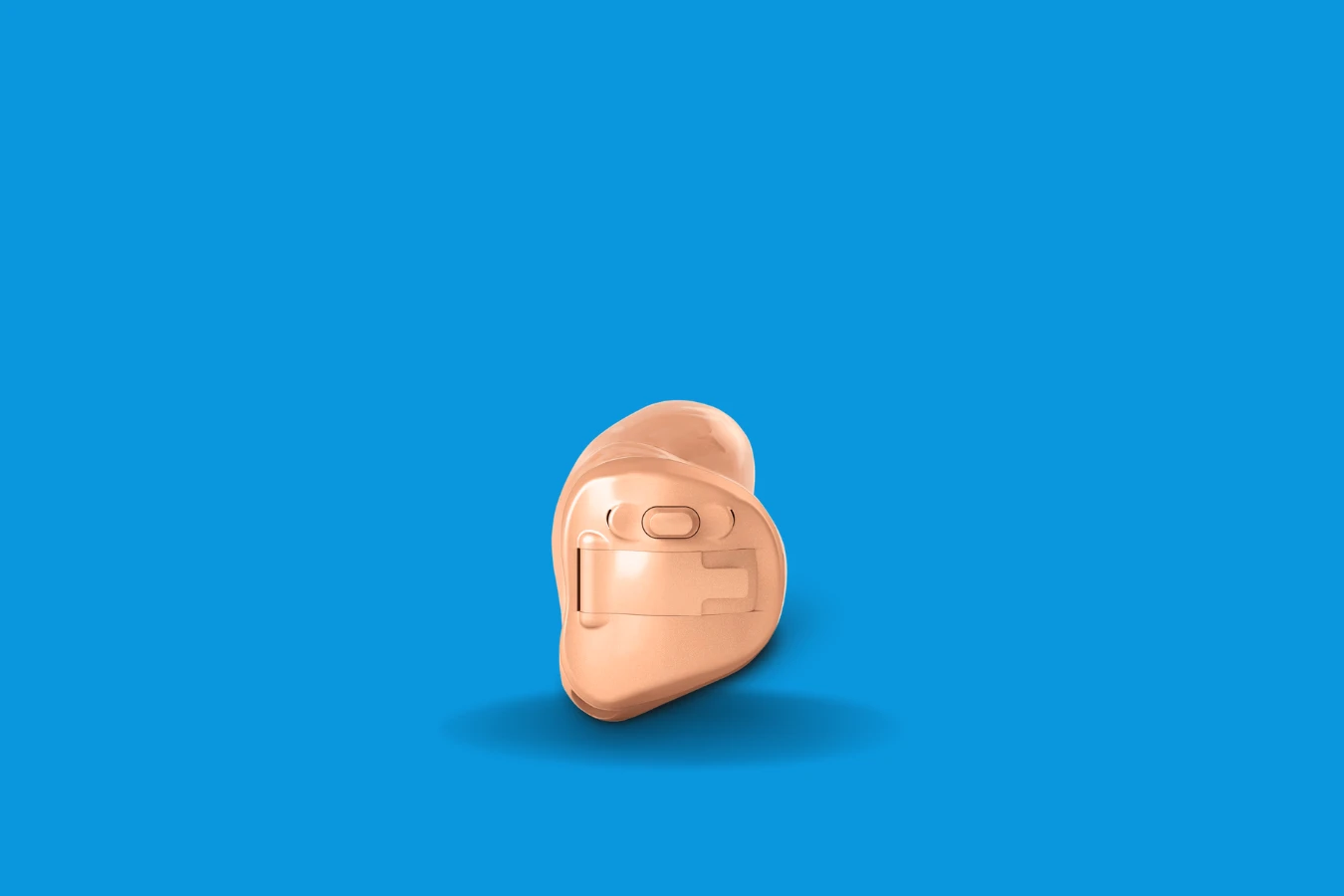
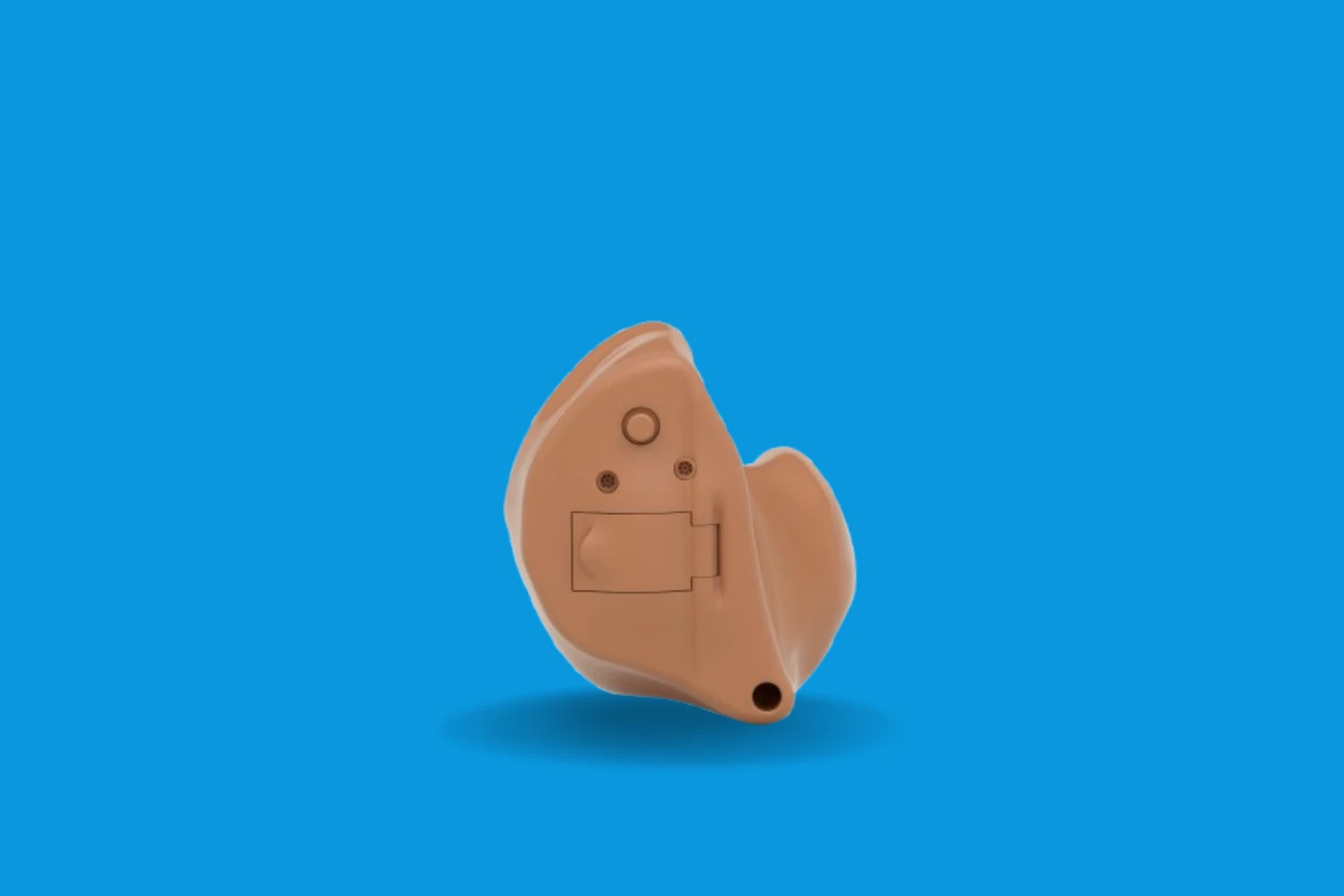
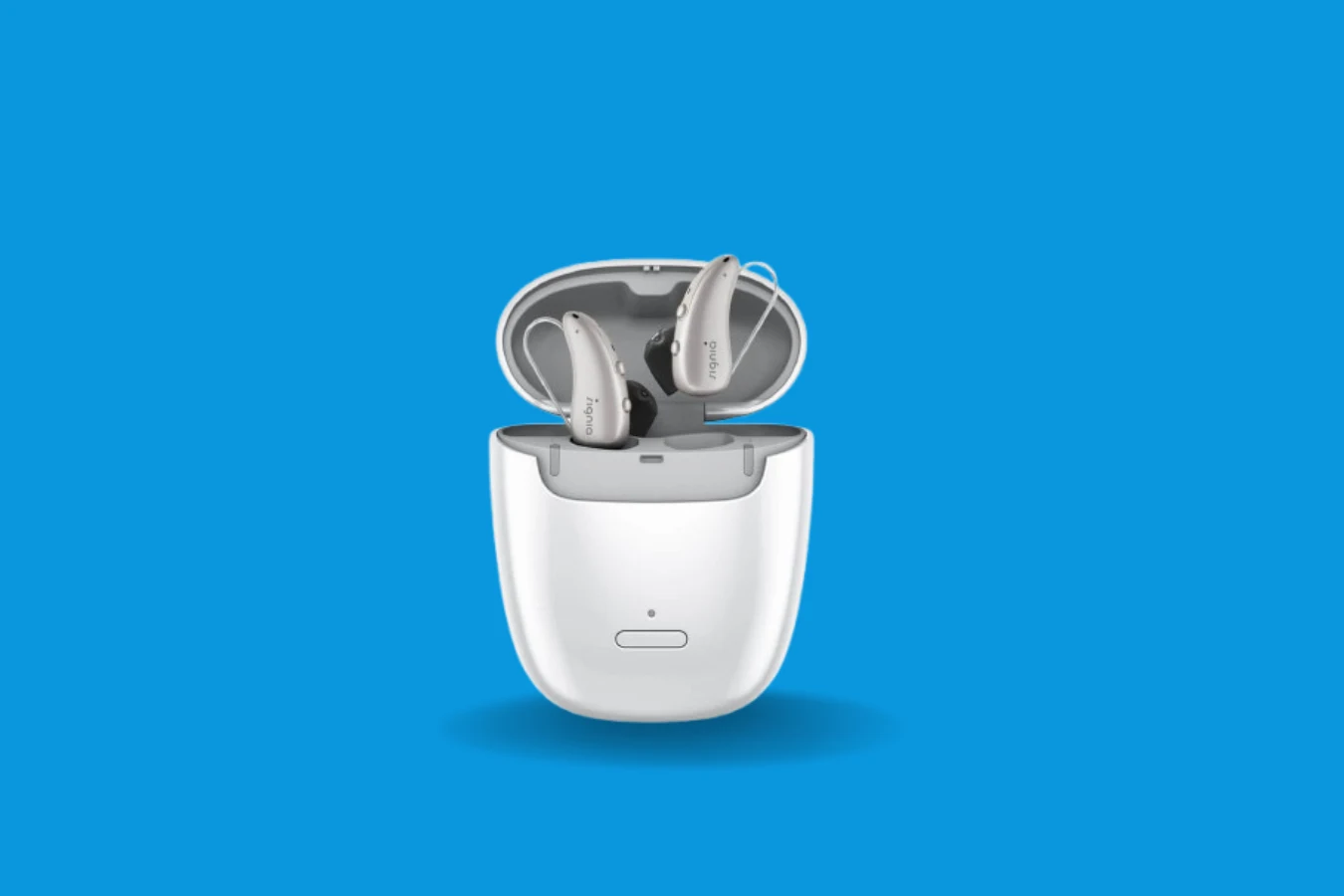
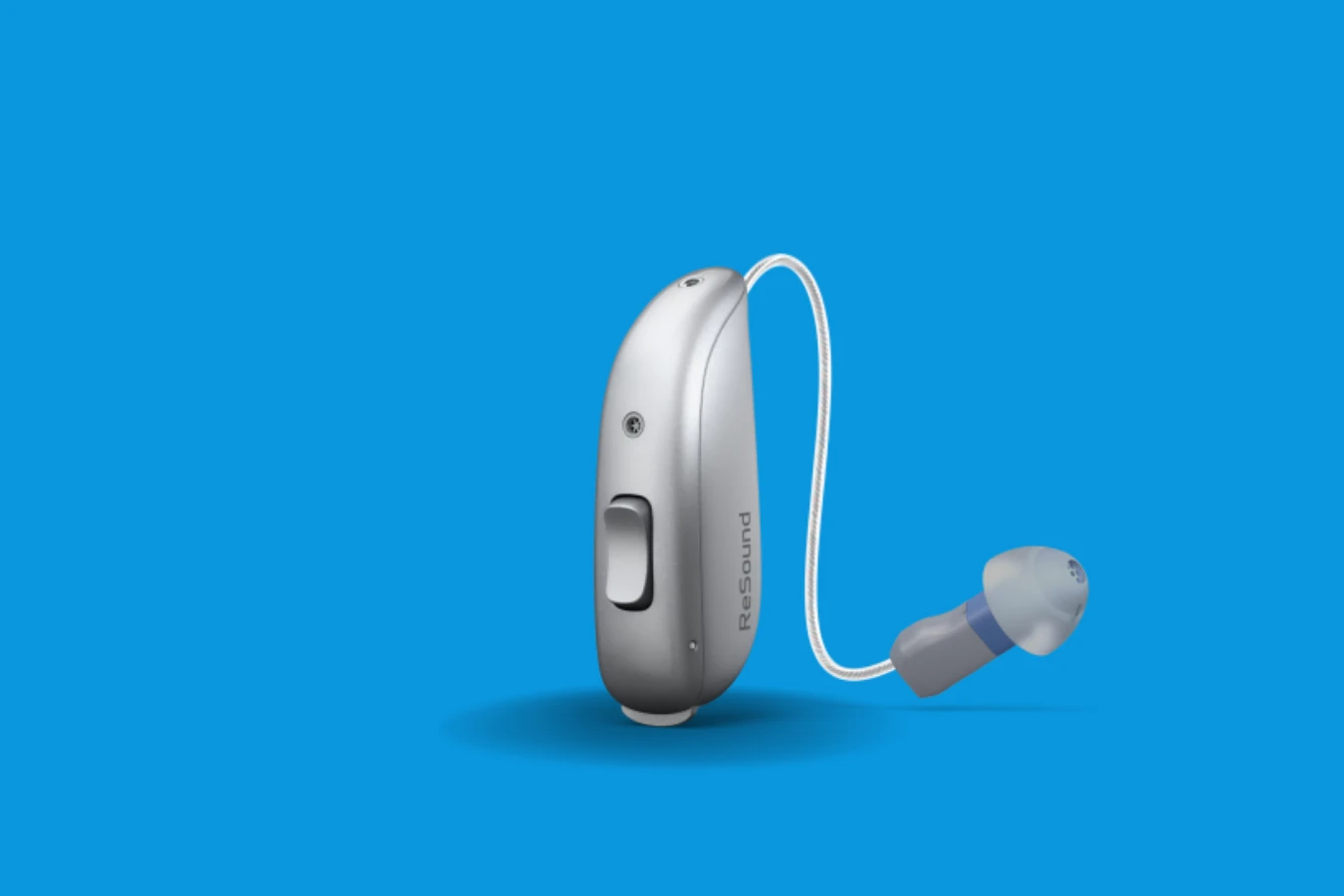
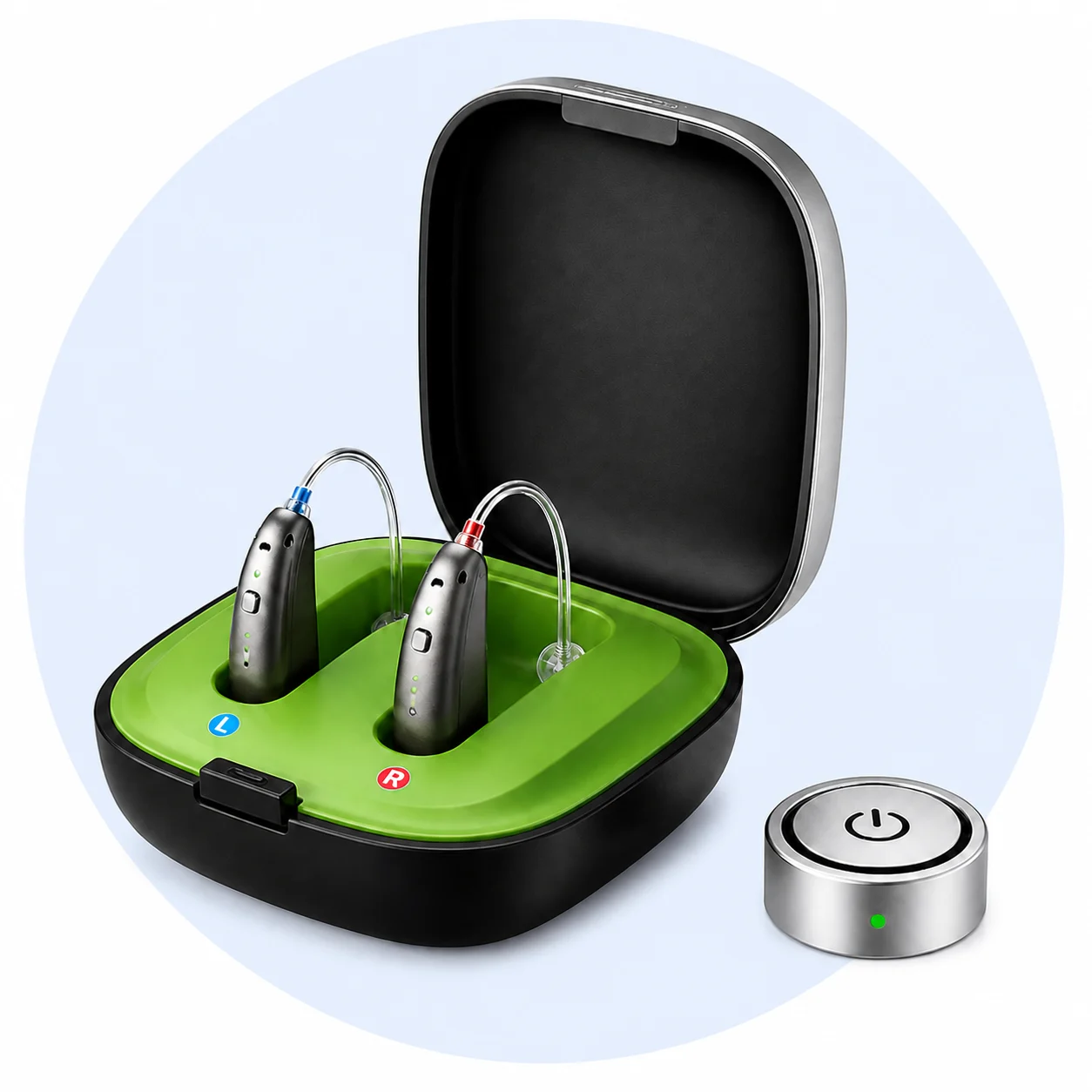
Hearing aids can improve hearing and speech understanding for many people with sensorineural hearing loss. However, their suitability depends on the cause, type, and severity of the condition. A professional hearing evaluation should come first.
How Can Adults Protect Their Hearing?
Adults can take several practical steps:
- Keep personal audio devices at a safe volume.
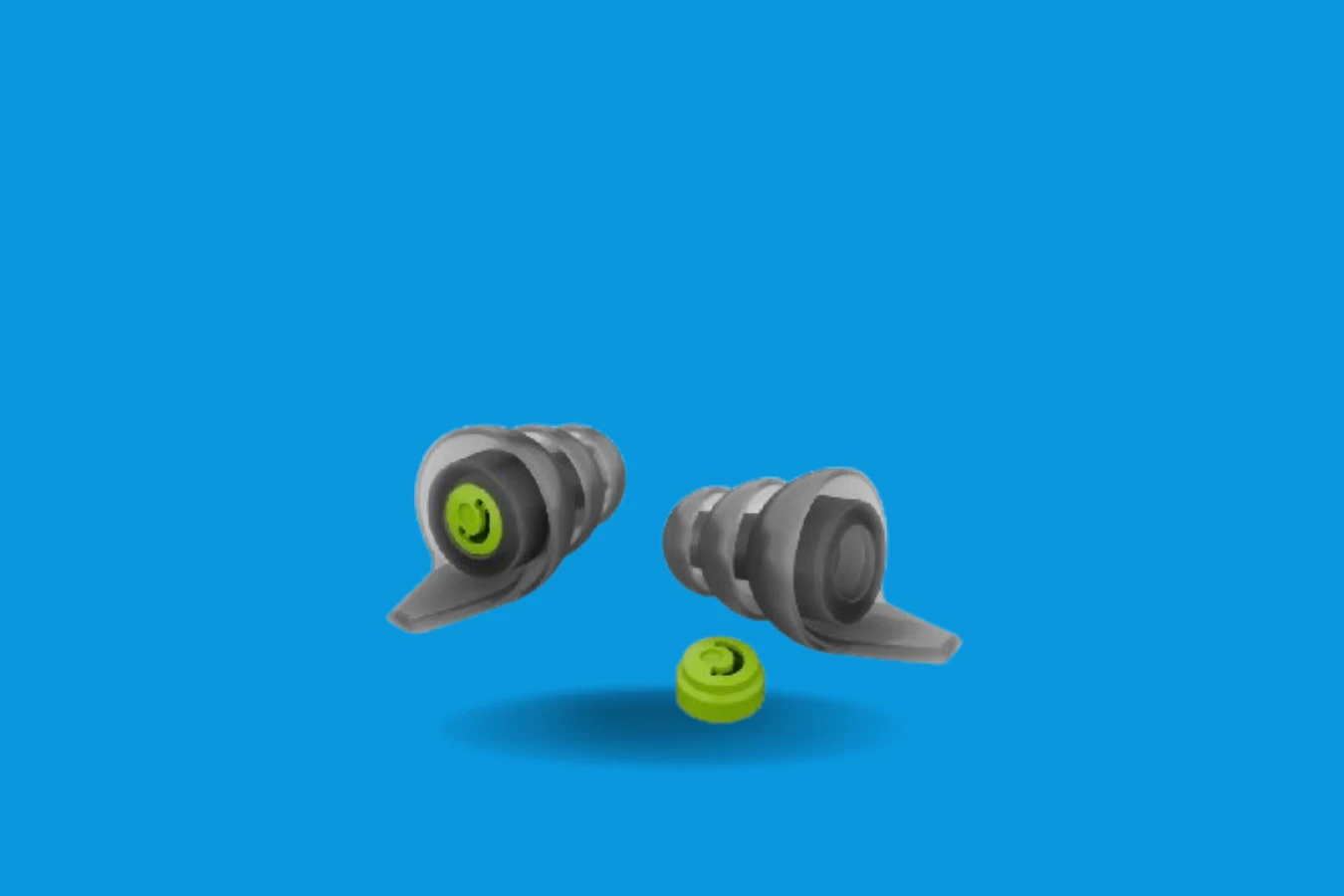
- Use earplugs or earmuffs in noisy environments.
- Take listening breaks after loud-noise exposure.
- Never insert objects into the ears.
- Manage diabetes and blood pressure.
- Discuss medication-related hearing risks with a doctor.
- Schedule regular hearing assessments.
- Seek immediate care for sudden hearing changes.
Take the First Step With Adro Hearing
Ignoring hearing difficulty can affect communication, workplace confidence, relationships, safety, and overall quality of life. Early evaluation provides a clearer understanding of the problem and the available treatment or hearing-support options.
Adro Hearing supports individuals through professional hearing evaluations and personalized hearing solutions. If you or a family member has noticed changes in hearing, consider scheduling a consultation instead of waiting for the condition to become more disruptive.
Conclusion
The most common causes of hearing loss in adults include ageing, loud-noise exposure, earwax blockage, infections, ototoxic medications, chronic health conditions, physical injuries, and genetic factors.
Although not every form of hearing loss can be reversed, many risks can be reduced through safe listening practices, protective equipment, health management, and early professional care. Recognizing the warning signs and acting promptly can help adults preserve communication, independence, and confidence.

How to Clean and Maintain Your.
Introduction Your hearing aid helps you stay connected to conversations, relationships, and important moments. However, because the device sits inside.
Read More
First-Time Hearing Aid User? 9 Essential.
Introduction Wearing hearing aids for the first time can feel exciting, emotional and slightly overwhelming. Everyday sounds—such as birds singing,.
Read More